Useful articles about nature and the world around us
Ecology
This section explores biodiversity preservation, sustainable resource use, and climate-related issues. Learn about environmental threats, green initiatives, legislation, and the path toward a more sustainable future.
Nanoplastics, particles smaller than 1 micrometer, are increasingly recognized not only as a threat to human health and ecosystems but also as a potential influence on the climate system. While…
Nanoplastics are tiny plastic particles smaller than 1 micrometer (µm). They form from the breakdown of larger plastics and are now found everywhere—from oceans and soil to the air we…
The relationship between predators and prey is one of the most fundamental interactions in nature. It shapes ecosystems, controls populations, and drives evolution. This dynamic balance ensures that no single…
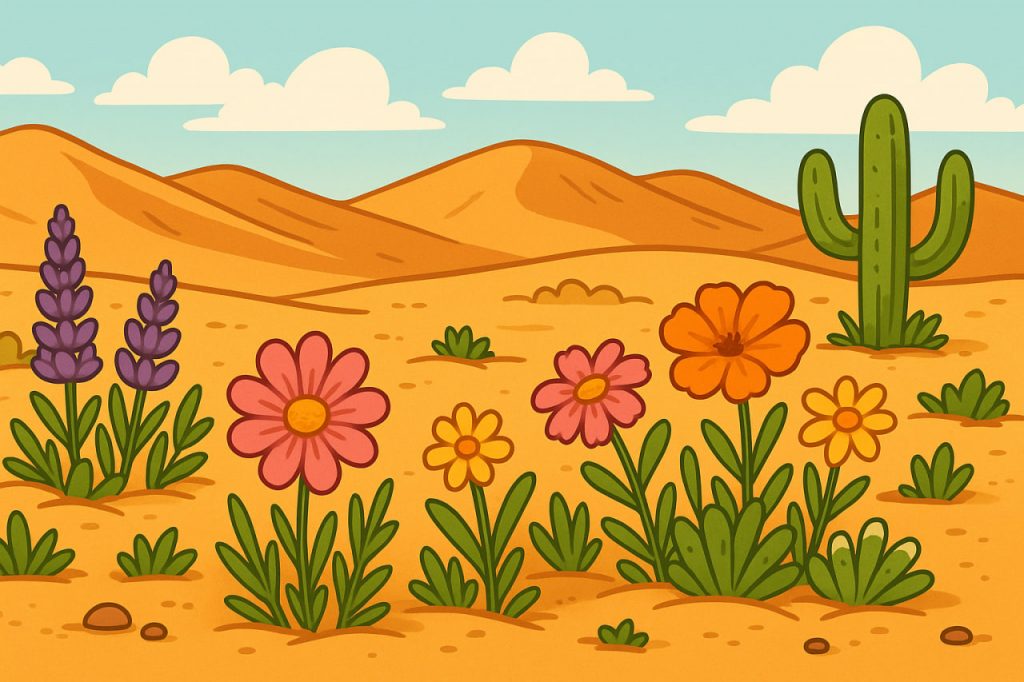
Deserts, often seen as barren and lifeless landscapes, can sometimes transform into fields of vibrant flowers. This phenomenon, known as a desert bloom, occurs when specific environmental conditions align, allowing…
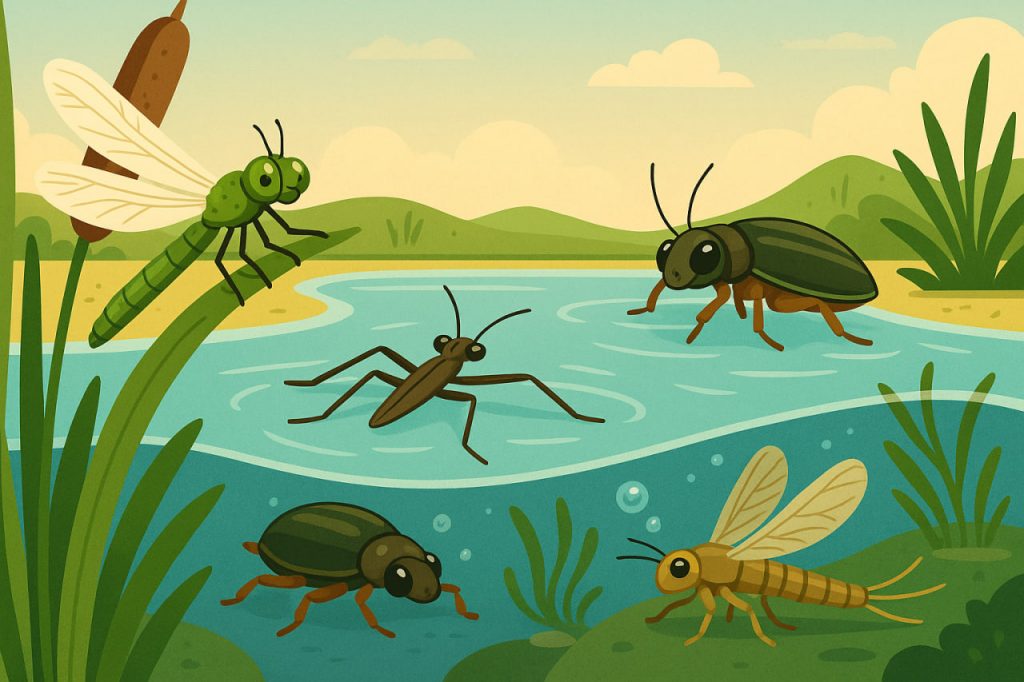
Aquatic insects are a diverse group of insects that spend part or all of their life cycles in water. They are essential components of freshwater ecosystems, living in rivers, lakes,…
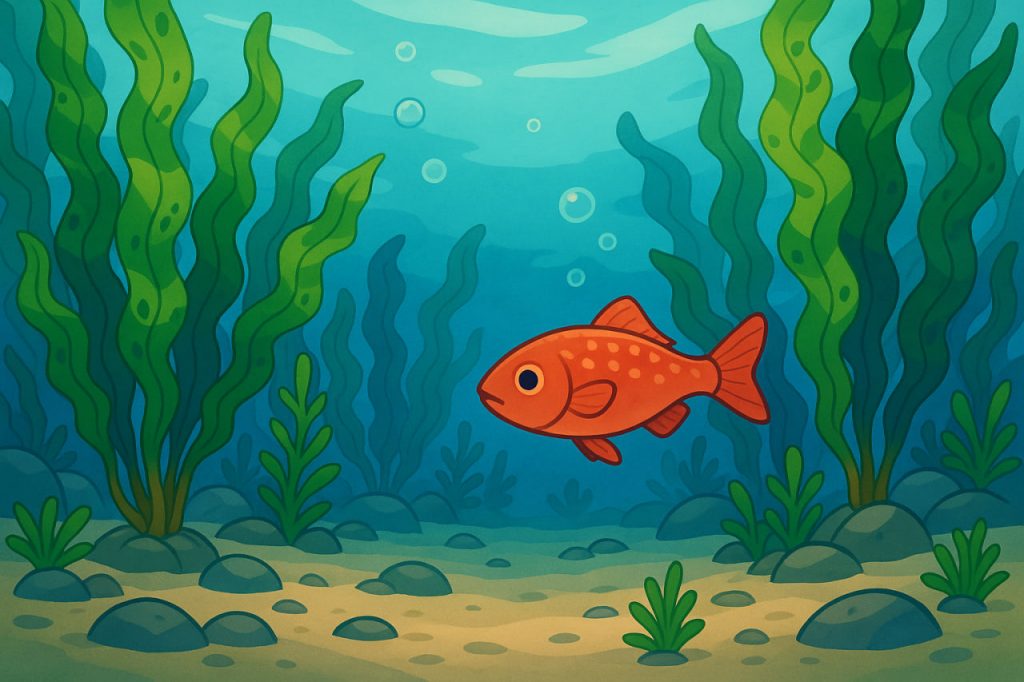
Underwater forests are extraordinary ecosystems made up of large aquatic plants, such as kelp and seagrasses, that grow in oceans, seas, and freshwater bodies. They play a role similar to…
Lakes are essential parts of Earth’s ecosystems, providing water, habitats, and climate regulation. However, many lakes around the world are shrinking or vanishing entirely. This alarming phenomenon is influenced by…
Forests are often called the lungs of the Earth because of their vital role in maintaining the balance of gases in the atmosphere. They are not only homes for countless…
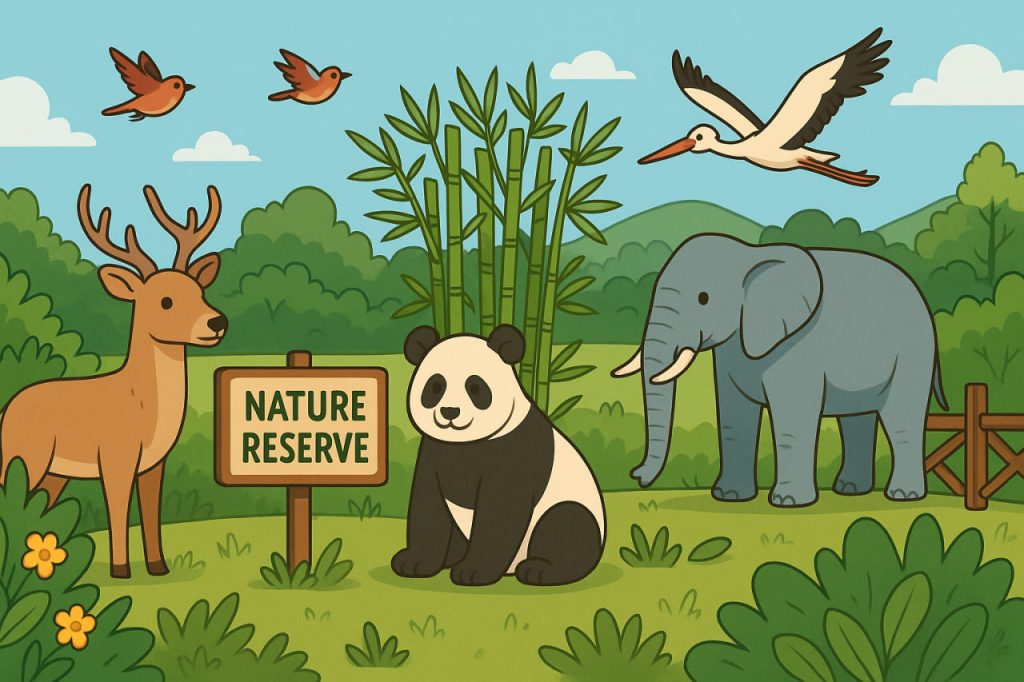
A nature reserve (or wildlife sanctuary) is a protected area of land or water where ecosystems, species, and natural resources are preserved for scientific, educational, and conservation purposes. Unlike ordinary…
Permaculture is a sustainable approach to agriculture and living that works with nature rather than against it. It combines traditional knowledge with modern ecological science to create self-sufficient systems that…