Nature Observer

Global Crisis on Our Planet: Understanding the Biggest Environmental Challenges Facing Earth
Ecology Our Planet Tech & Nature

Global Crisis on Our Planet: Understanding the Biggest Environmental Challenges Facing Earth

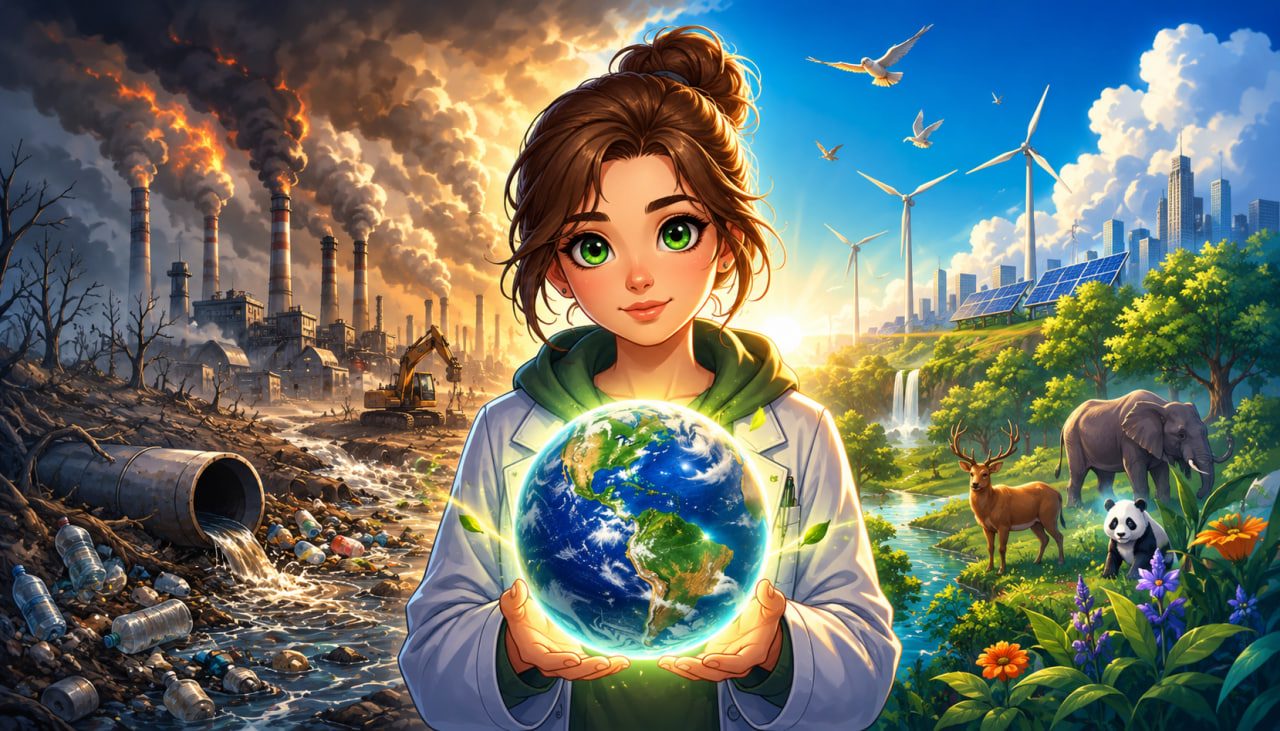
The Earth is experiencing one of the most significant periods of environmental change in human history. Climate change, biodiversity loss, pollution, deforestation, freshwater shortages, and resource depletion are no longer isolated problems—they are interconnected global crises that affect ecosystems, economies, and human health worldwide. While technological progress has improved living standards for billions of people, it has also placed unprecedented pressure on the planet's natural systems. Scientists increasingly agree that addressing these environmental challenges requires international cooperation, innovation, and sustainable development. Understanding the causes and consequences of today's global environmental crisis is the first step toward creating a healthier future for both humanity and the natural world.
What to Do After a Natural Disaster: Essential Safety Steps and Recovery Tips
Environmental Hazards Stay Safe What if?

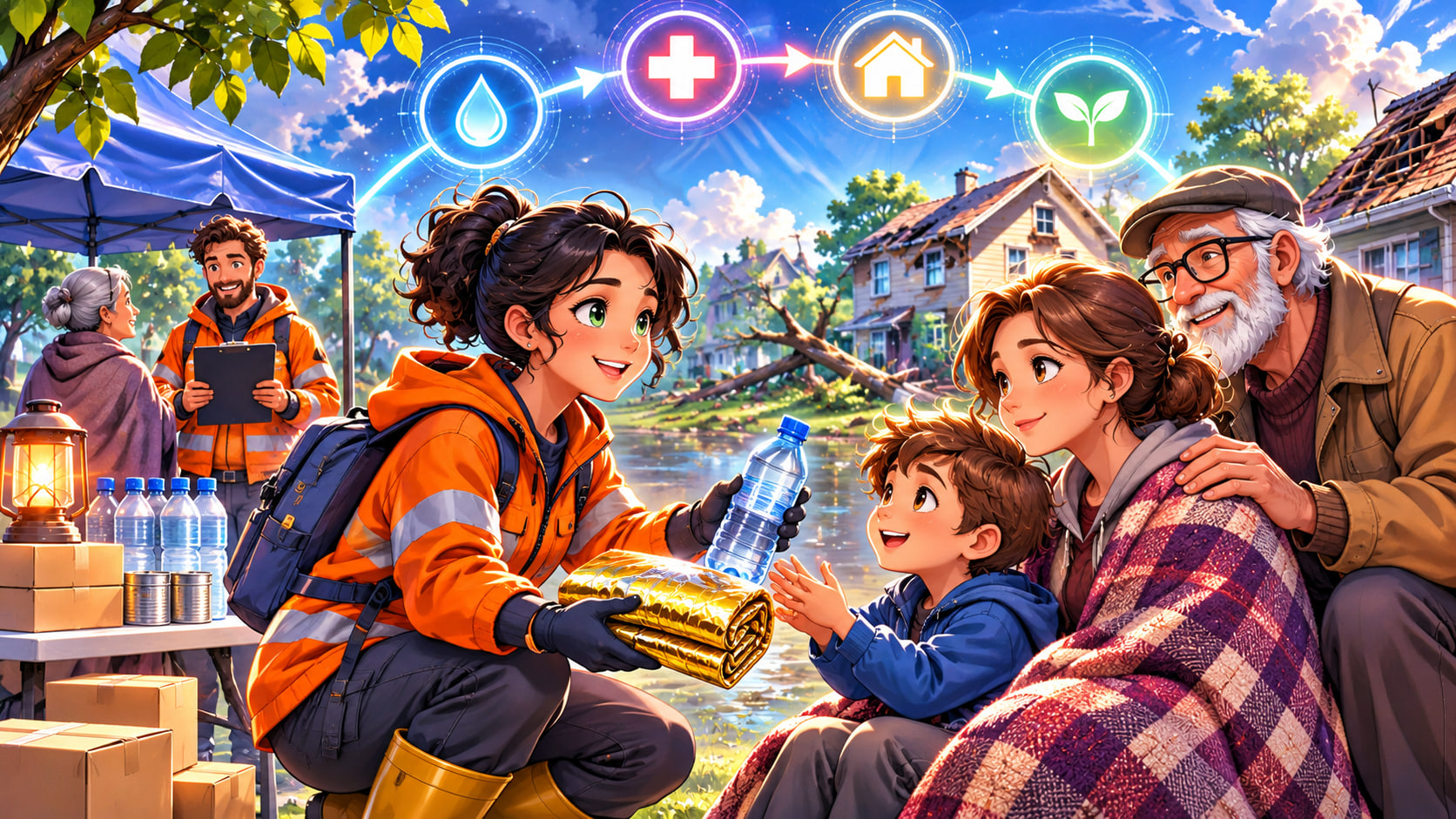
What to Do After a Natural Disaster: Essential Safety Steps and Recovery Tips

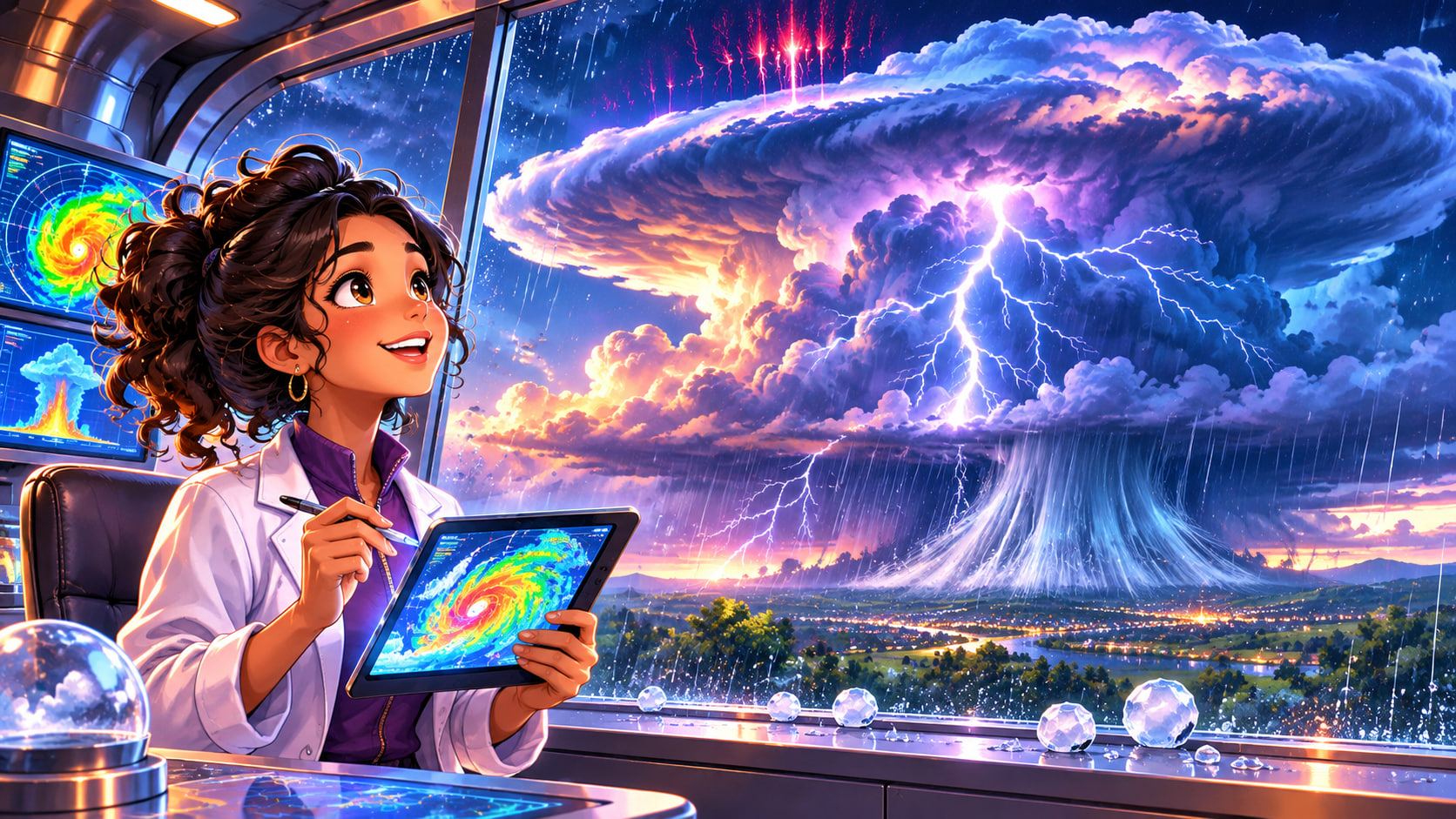
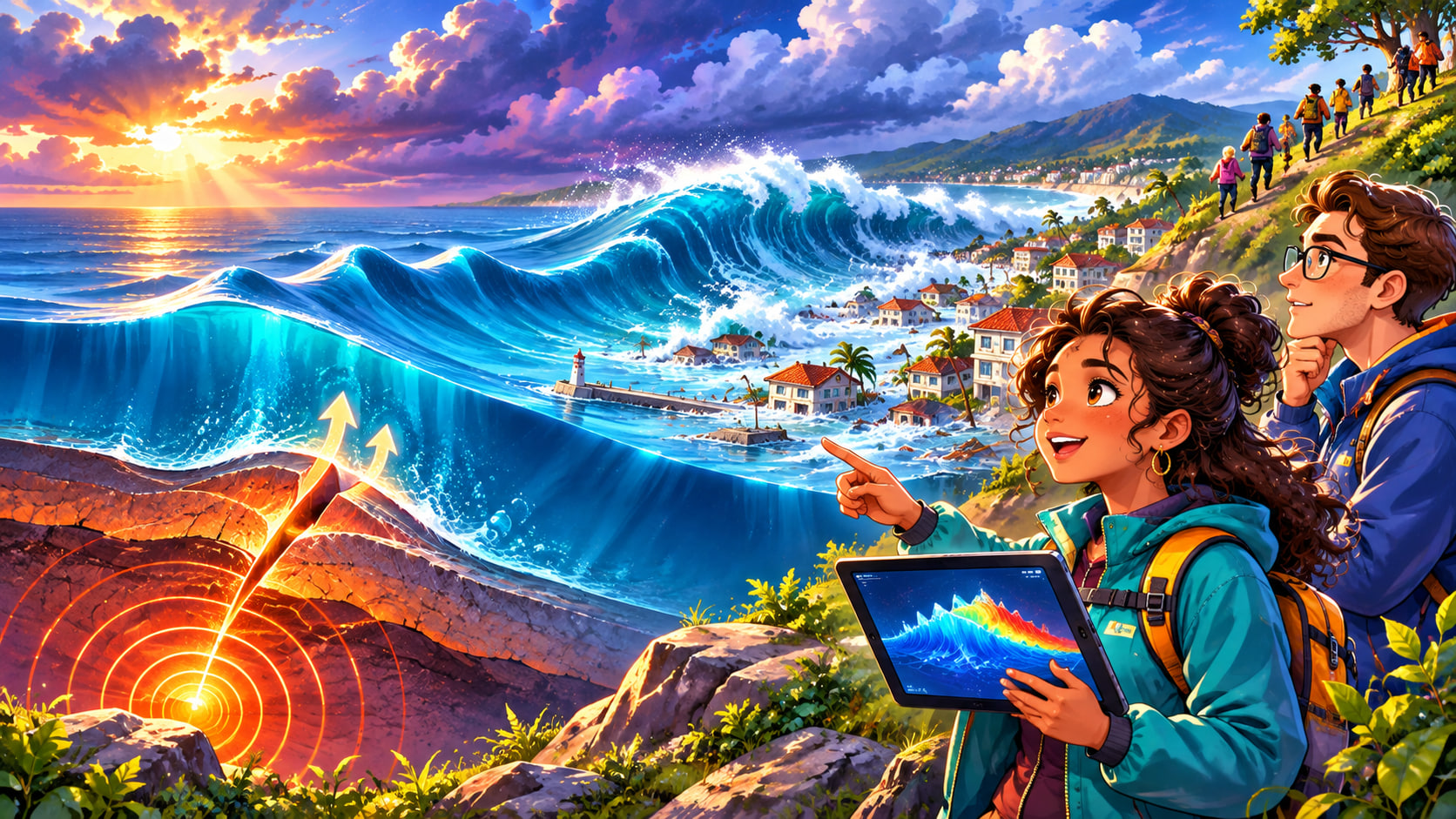
The earthquake has stopped, the storm has passed, or the floodwater is finally receding. Outside are blocked roads, dark houses, and distant sirens. Survival brings relief, but danger may remain in the hours and days that follow. The decisions made during the first hours after a natural disaster can prevent injuries, protect health, and make recovery easier.

Svalbard’s Doomsday Library: Inside the Arctic Vault Preserving Humanity’s Knowledge
Tech & Nature News Mysterious Places

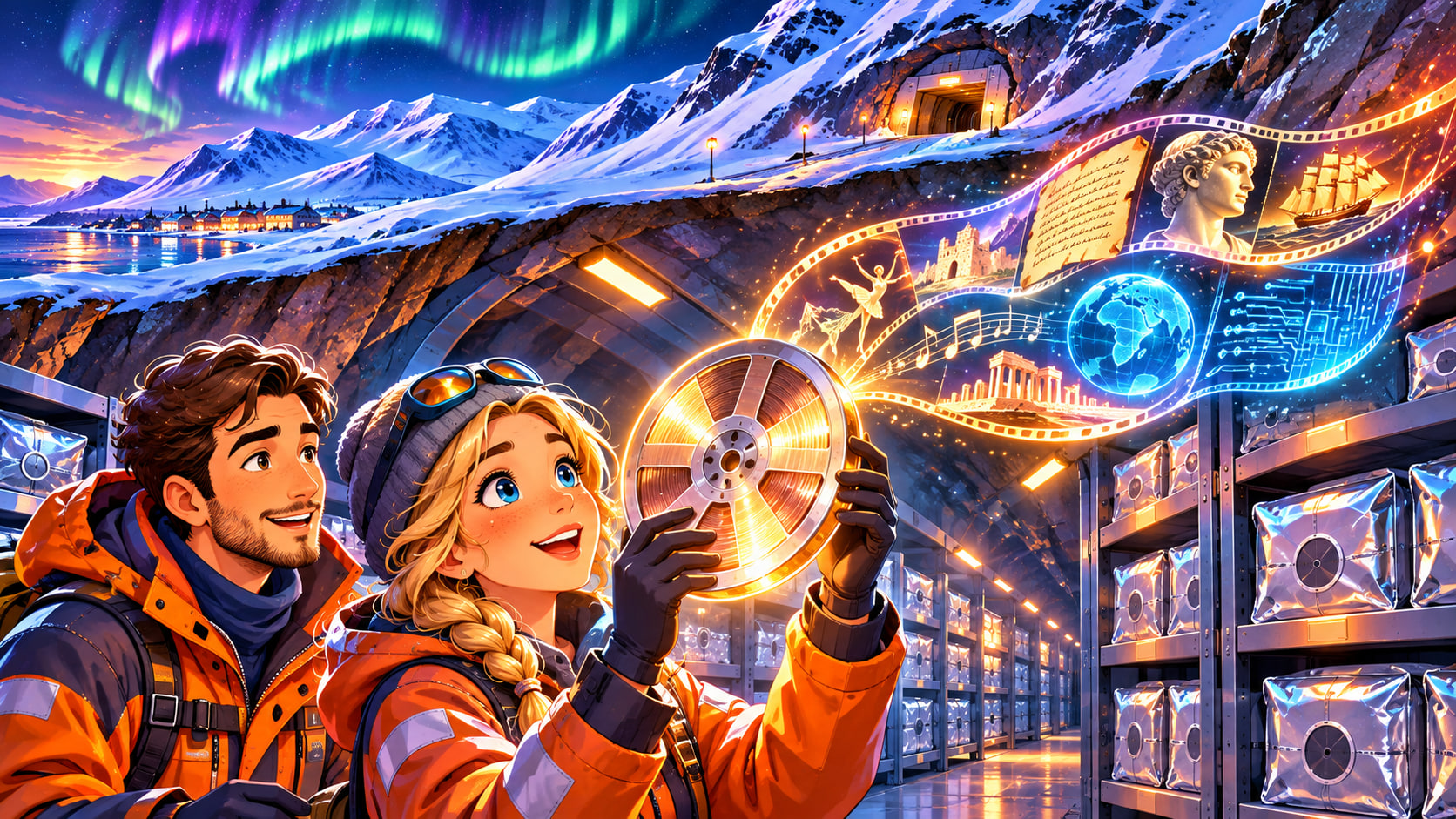
Svalbard’s Doomsday Library: Inside the Arctic Vault Preserving Humanity’s Knowledge

Imagine a library with no reading rooms, dusty bookshelves, or ordinary visitors. Instead, deep inside a mountain on the Norwegian archipelago of Svalbard, sealed reels hold manuscripts, photographs, music, records, and computer code. Its contents survive a power failure. This is the Arctic World Archive, sometimes nicknamed the Doomsday Library, built to give human knowledge a chance to outlast the technologies that created it.

National Parks: Their Fascinating History and How They Changed Nature Conservation Forever
Green City Tech & Nature History

National Parks: Their Fascinating History and How They Changed Nature Conservation Forever

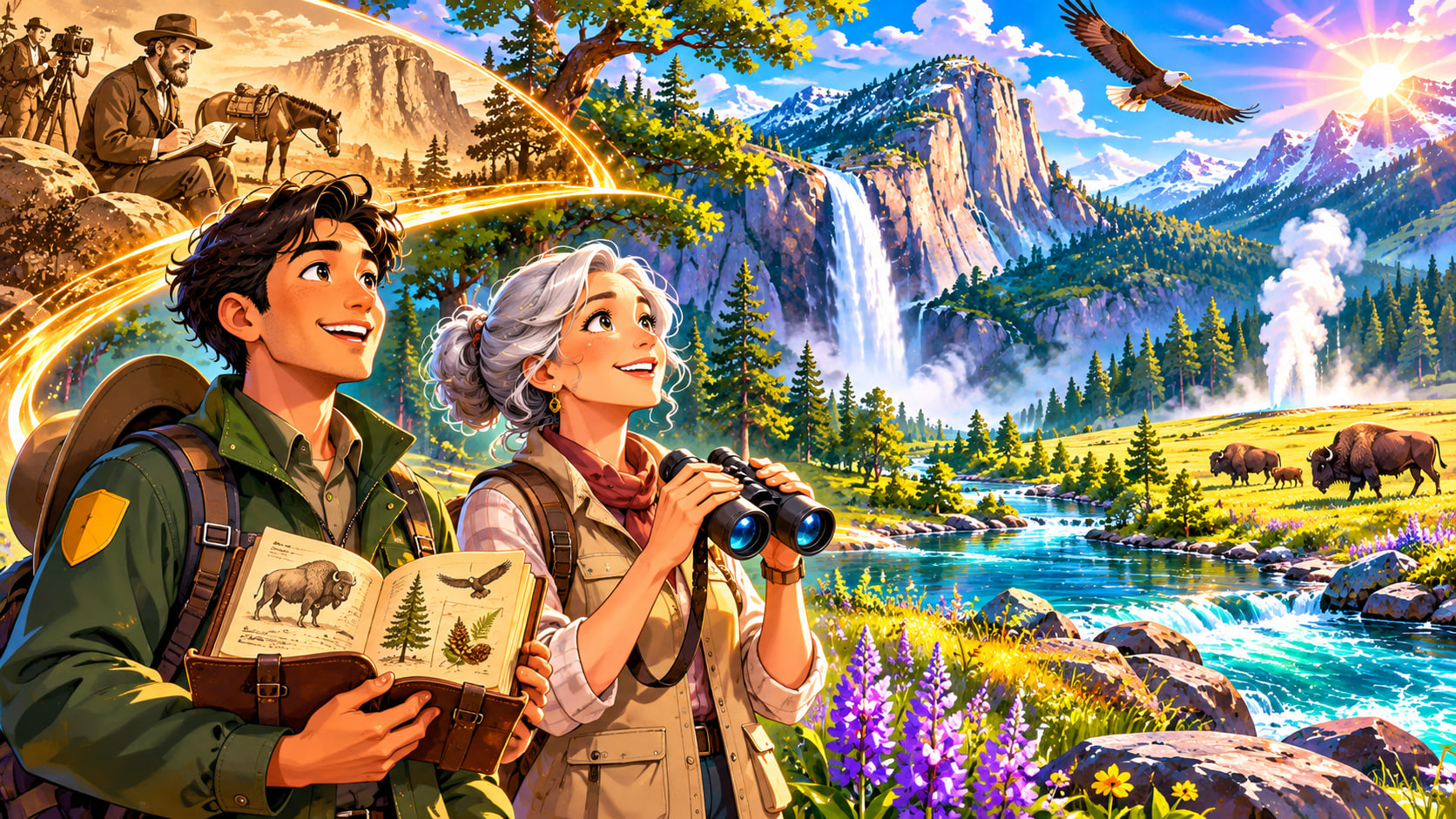
Picture a roaring waterfall surrounded by ancient forest. Wildlife crosses the valley, and rivers shape the cliffs. These places feel timeless, yet national parks result from human decisions. The choices have consequences for generations. The idea that entire landscapes should be protected for future generations transformed the relationship between people and nature.

Ice Caves Explained: How Nature Creates Frozen Worlds Beneath Mountains and Glaciers
Our Planet Nature Be smart

Ice Caves Explained: How Nature Creates Frozen Worlds Beneath Mountains and Glaciers

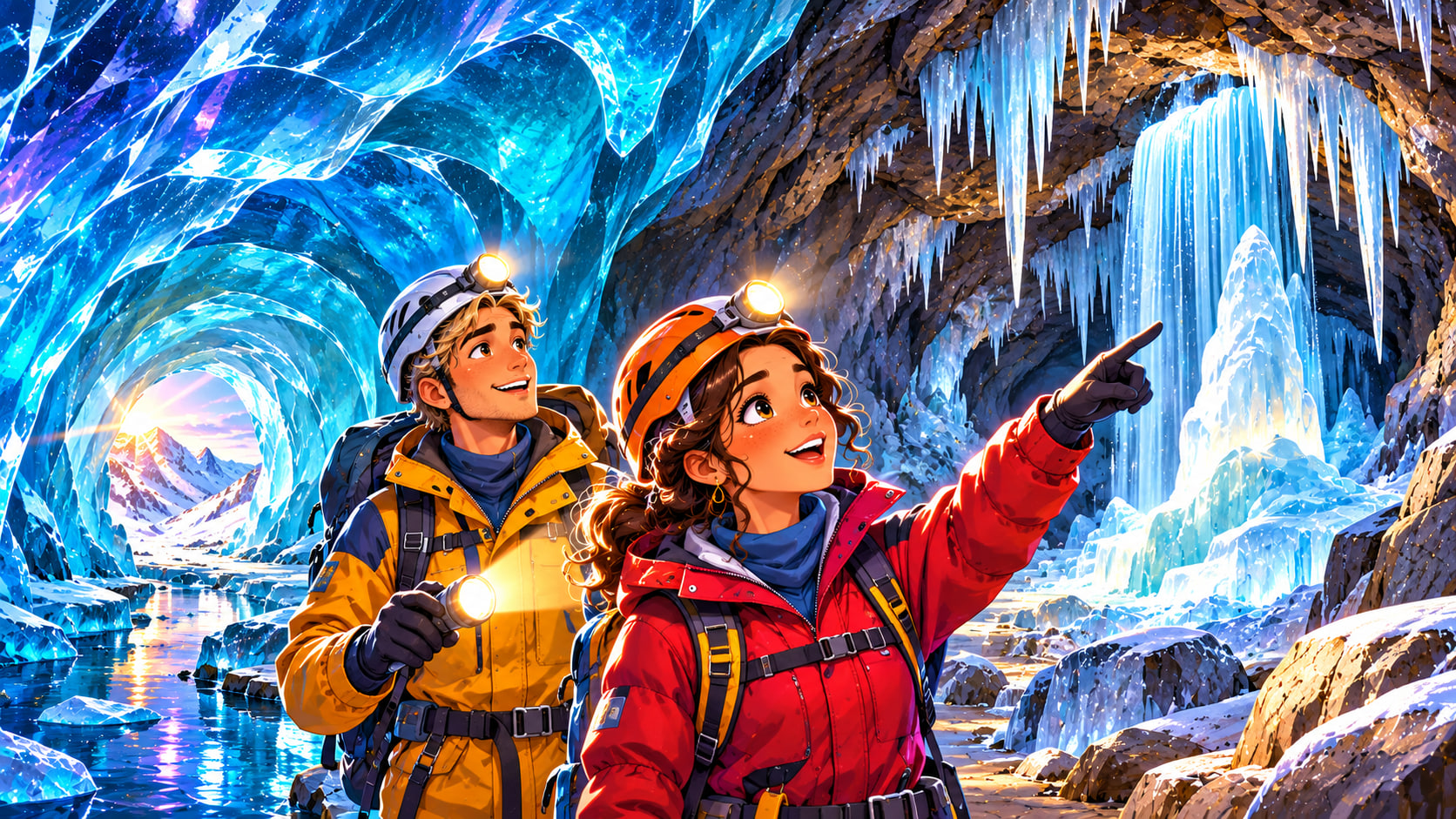
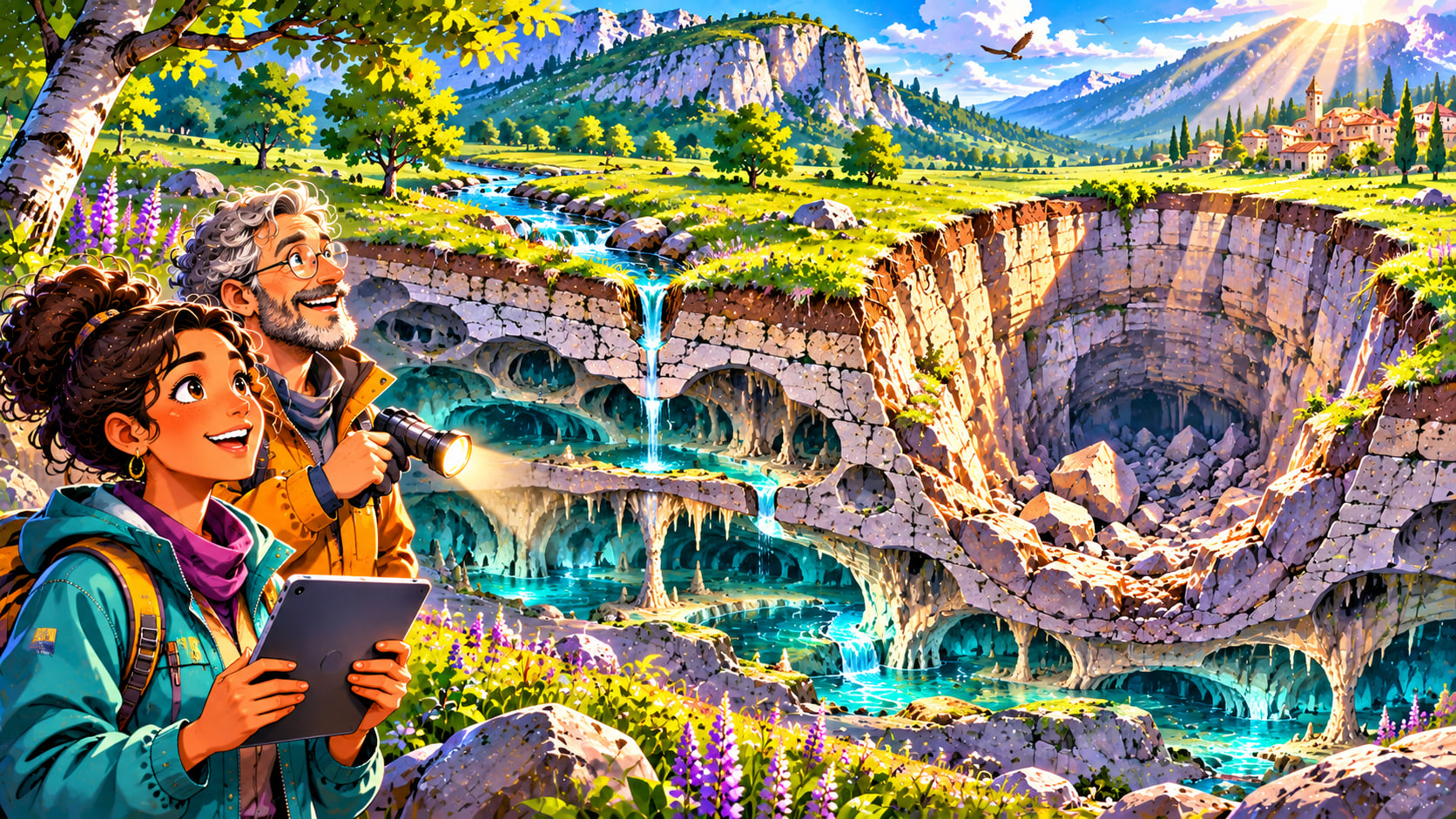
Step through an ice cave entrance, and daylight seems to turn into liquid sapphire. Walls shimmer in turquoise, frozen columns rise from the floor, and the silence is broken by dripping water. Some passages resemble tunnels carved from glass, while others look like rocky chambers filled with enormous icicles. These extraordinary places reveal a hidden world shaped by water, temperature, and time.

What Is Waste Sorting and Why Does It Matter? How Recycling Protects Our Planet
Tech & Nature Nourished Future Global Challenges

What Is Waste Sorting and Why Does It Matter? How Recycling Protects Our Planet

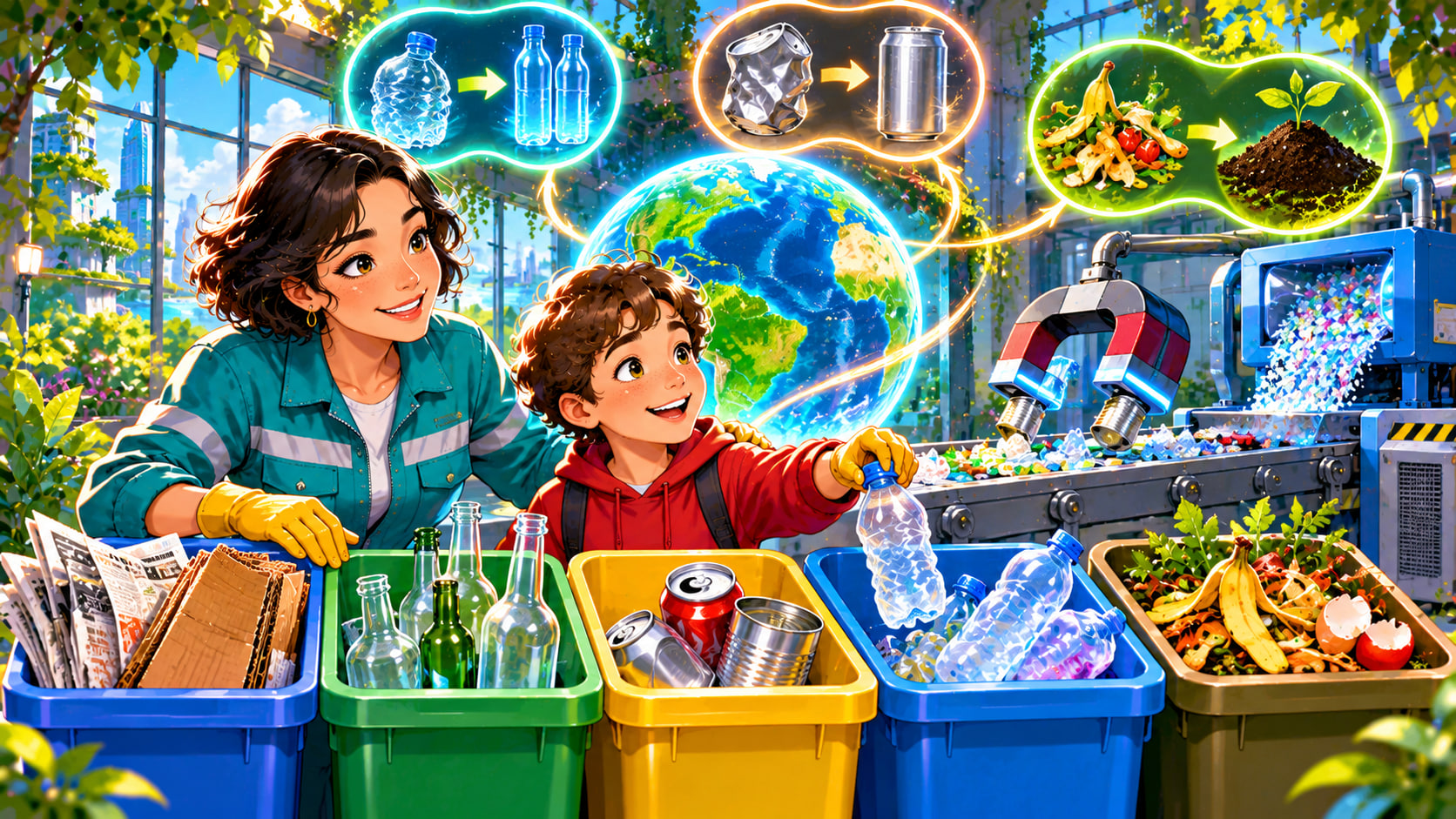
A glass jar, a cardboard box, a banana peel, and a dead battery may all end up in the same household trash bag. Yet these objects have very different futures. One could become a new bottle, another could be made into packaging, and food scraps could help enrich soil. The battery, meanwhile, needs special handling to prevent pollution or fires.