Forest fires are powerful natural disasters that spread rapidly and threaten both nature and human life. They can be triggered by lightning, extreme heat, or human negligence. Surviving a forest…
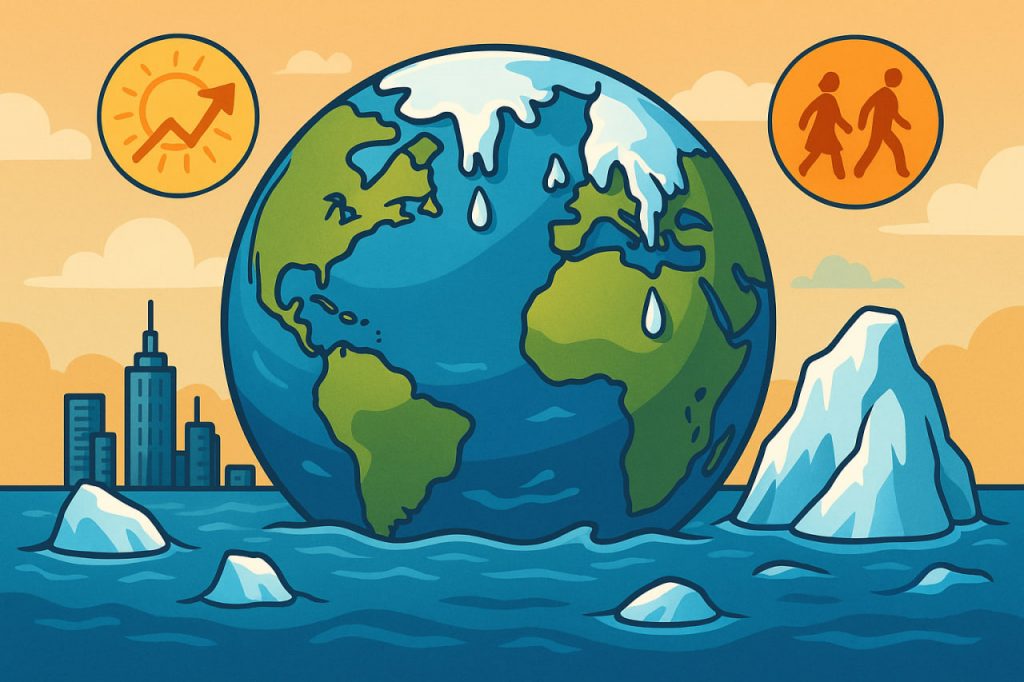
Glaciers and polar ice caps store about 70% of the world’s freshwater, covering vast areas of Greenland, Antarctica, and mountain ranges. They act not only as water reservoirs but also…
The Siberian Traps are one of the largest volcanic provinces on Earth, located in Siberia, Russia. Around 252 million years ago, their massive eruptions lasted for nearly a million years,…
Clear-air turbulence (CAT) is a type of turbulence that occurs in cloudless skies, often at high altitudes, without visible signs like storms or clouds. It is one of the most…
Turbulence is a chaotic and irregular motion of air (or any fluid), where currents move unpredictably instead of flowing smoothly. Most people encounter it on airplanes when the aircraft suddenly…
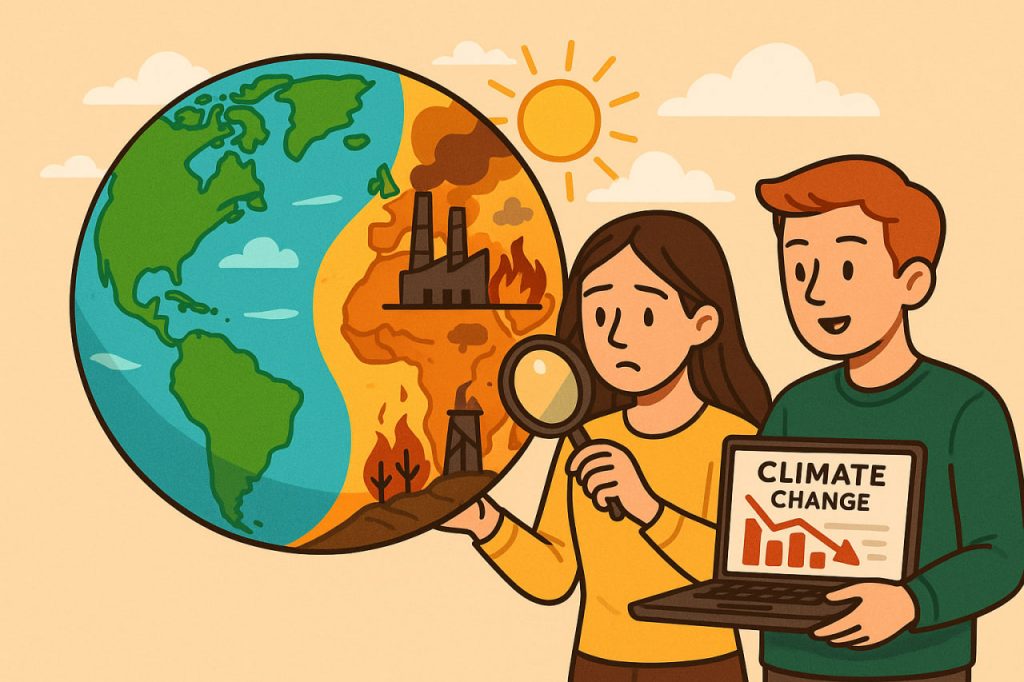
Climate change is one of the most urgent challenges humanity faces in the 21st century. Rising temperatures, extreme weather events, melting glaciers, and ocean acidification affect ecosystems, economies, and human…
Natural disasters such as earthquakes, floods, hurricanes, wildfires, and severe storms can strike suddenly and cause massive disruption to daily life. While we cannot prevent these events, preparing in advance…
An emergency bag (also known as a go-bag or 72-hour kit) is a pre-packed backpack or suitcase containing essential items you may need in case of sudden emergencies. It is…
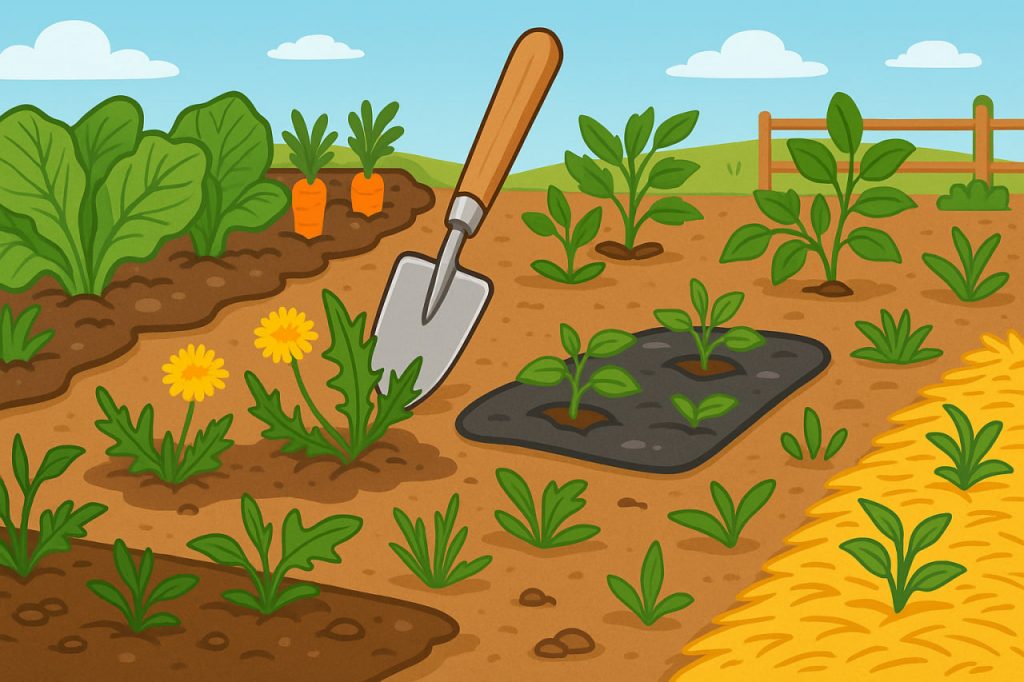
Weeds are plants that grow where they are not wanted, often competing with cultivated crops, flowers, or lawns. They spread quickly, consume soil nutrients, block sunlight, and reduce agricultural yields.…
Earth’s core is crucial for maintaining the planet’s magnetic field, geological activity, and overall stability. It is divided into a solid inner core made of iron and nickel, and a…