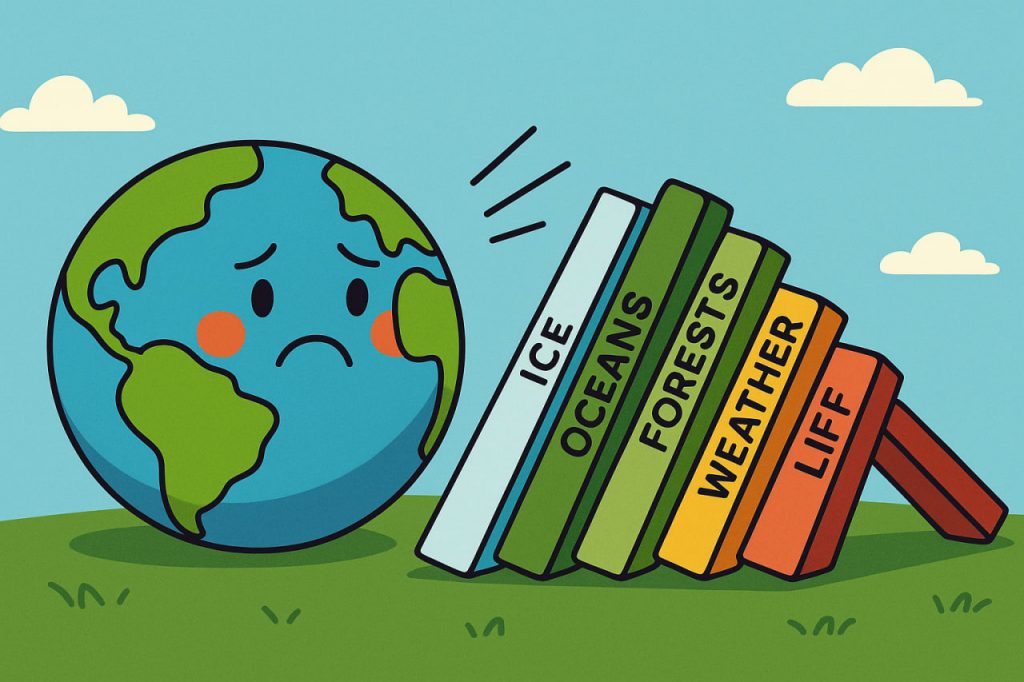
The climate system of our planet functions like a complex web — every part, from the oceans to the atmosphere, is connected. When one element begins to collapse, it can…
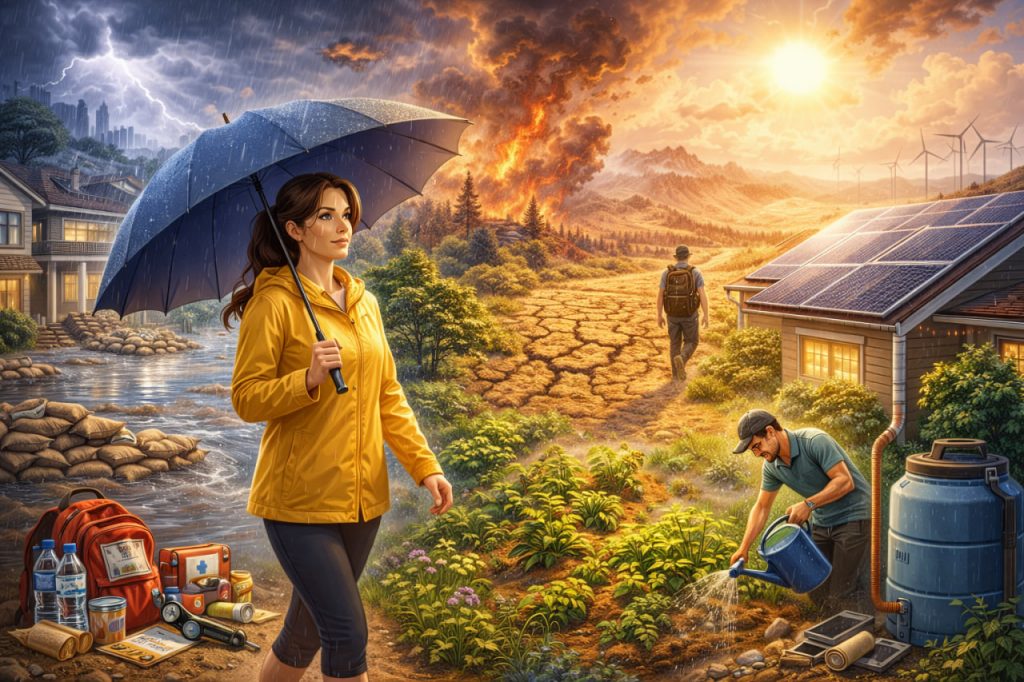
In an era defined by rising global temperatures, extreme weather events, and environmental instability, adapting to the realities of climate change is no longer a distant concern — it is…
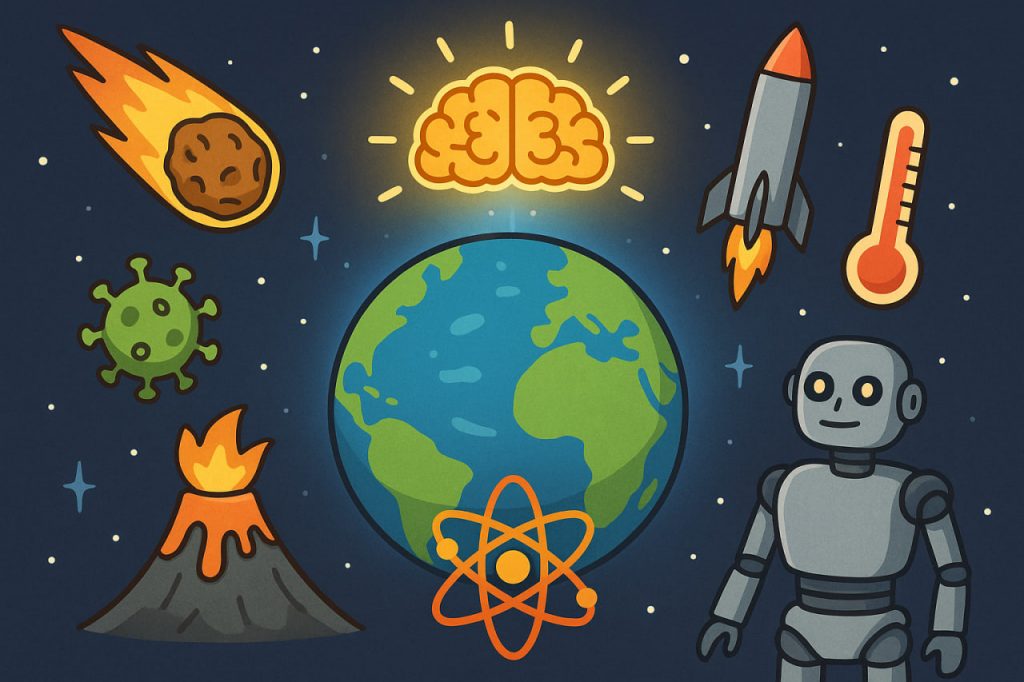
The concept of “Doomsday” — the end of the world — has existed for thousands of years in myths and religions. But modern science approaches this question differently. Instead of…
The 2022 eruption of Hunga Tonga–Hunga Haʻapai was one of the most powerful volcanic explosions ever recorded, sending shockwaves around the world and reaching the edge of space. It released…
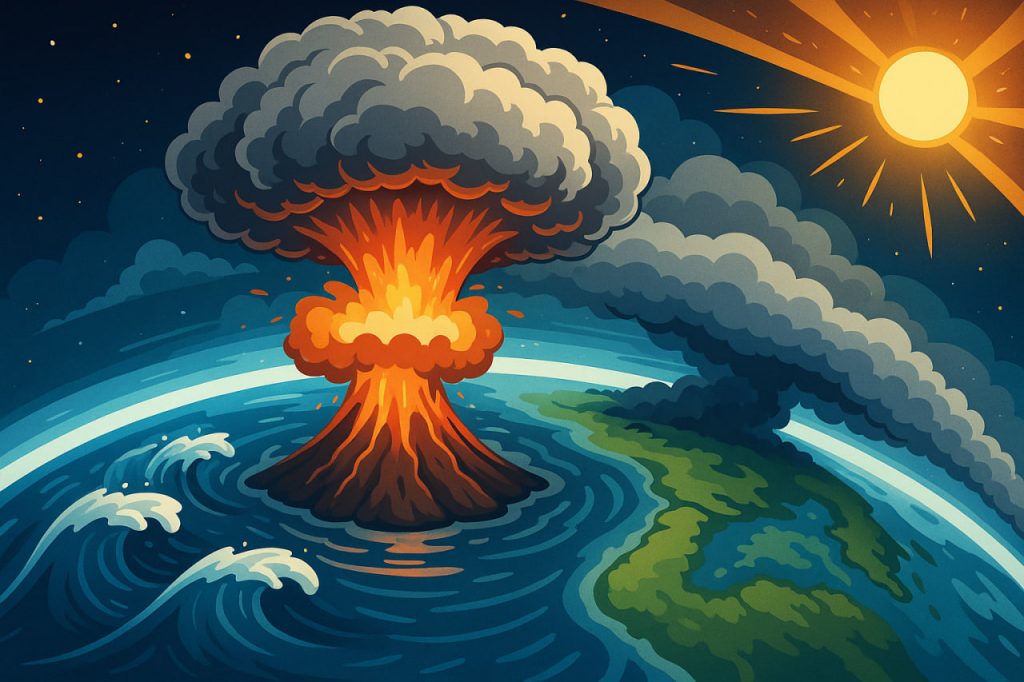
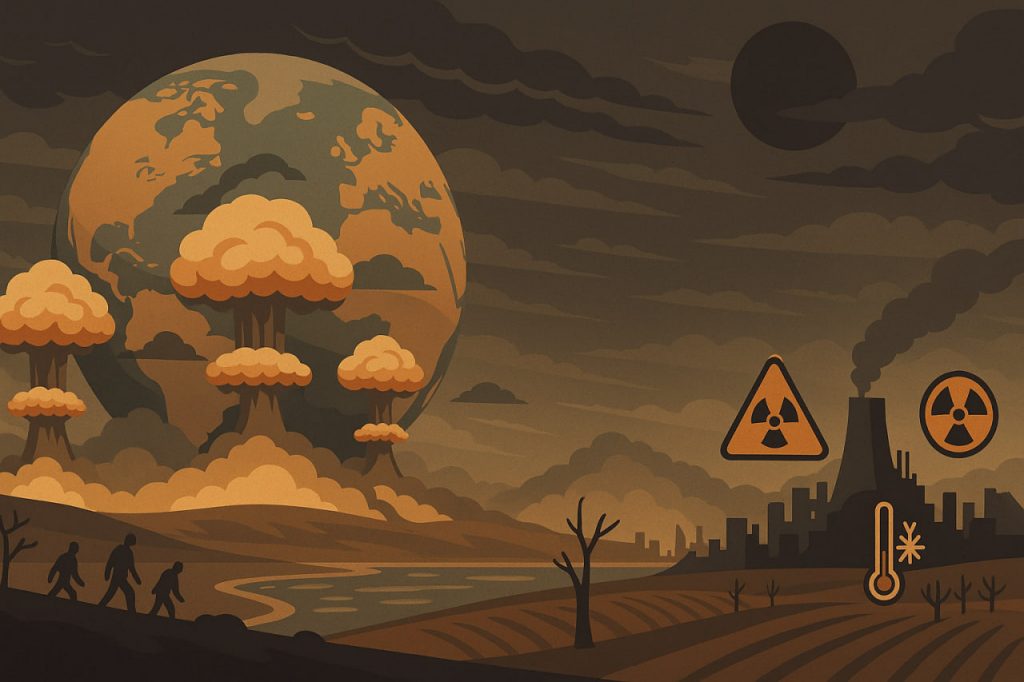
The idea of using all nuclear weapons ever created is one of the darkest scenarios imaginable for humanity. While the chances of it happening are low, understanding the consequences helps…
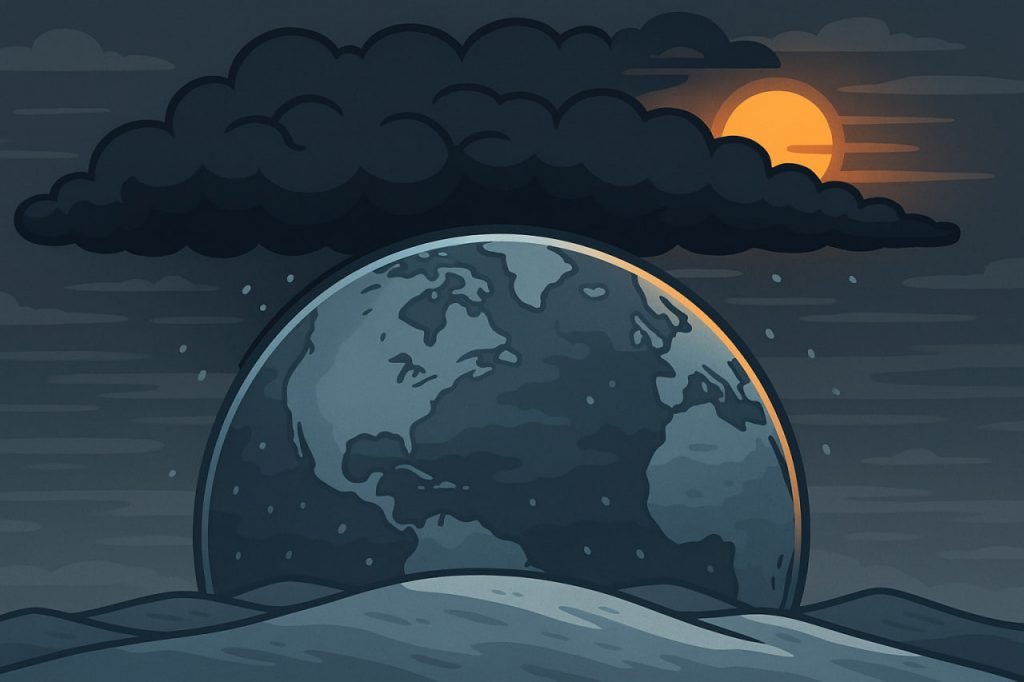
The term “nuclear winter” describes a devastating climatic consequence of large-scale nuclear war — a drastic and prolonged global cooling caused by massive fires, smoke, and soot filling the atmosphere.…
Every day, billions of people around the world throw something into the trash — a bottle, a plastic wrapper, or leftover food. But once the garbage truck takes it away,…
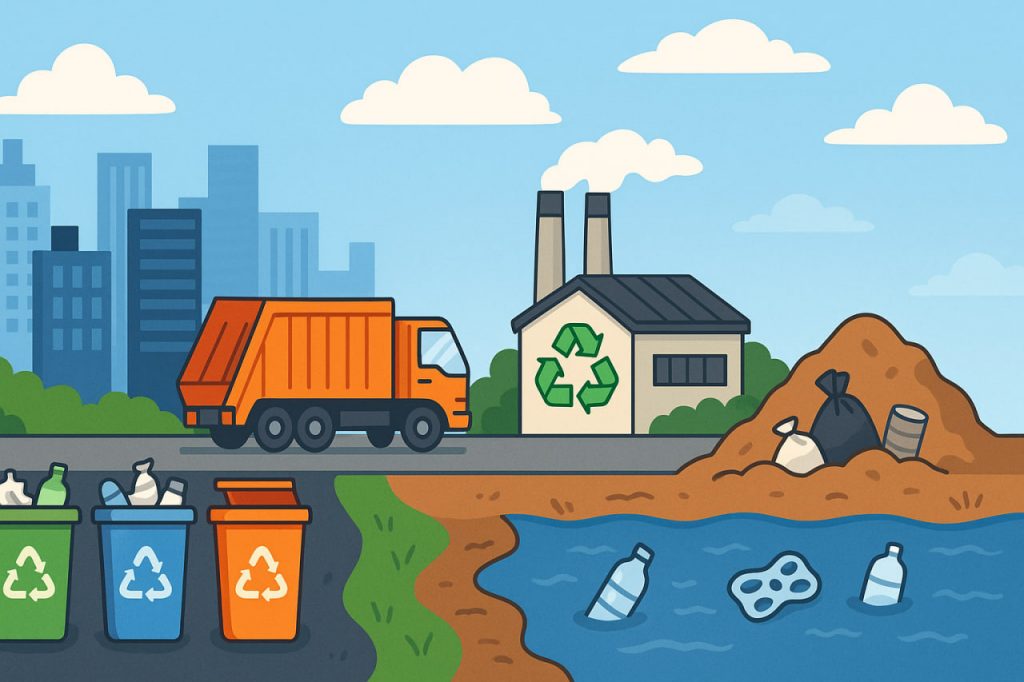
The growing amount of waste on our planet has become one of humanity’s greatest environmental challenges. Every year, more than 2 billion tons of garbage are produced worldwide, much of…
The ocean covers more than 70% of Earth’s surface and sustains all life on the planet. It provides food, regulates the climate, and produces over half of the oxygen we…
Air is the most vital resource on Earth — we can live weeks without food or days without water, but only minutes without air. Yet, despite its importance, clean air…