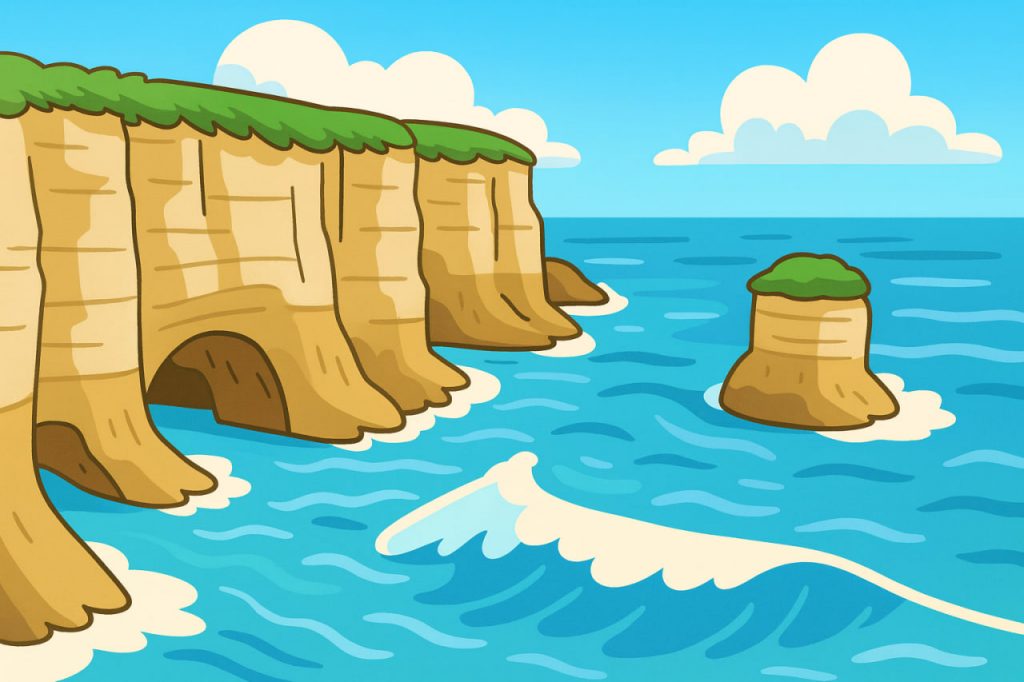
Coastal cliffs are dramatic landscapes where the land meets the sea in steep, towering formations. These natural structures are shaped over thousands or even millions of years by the forces…
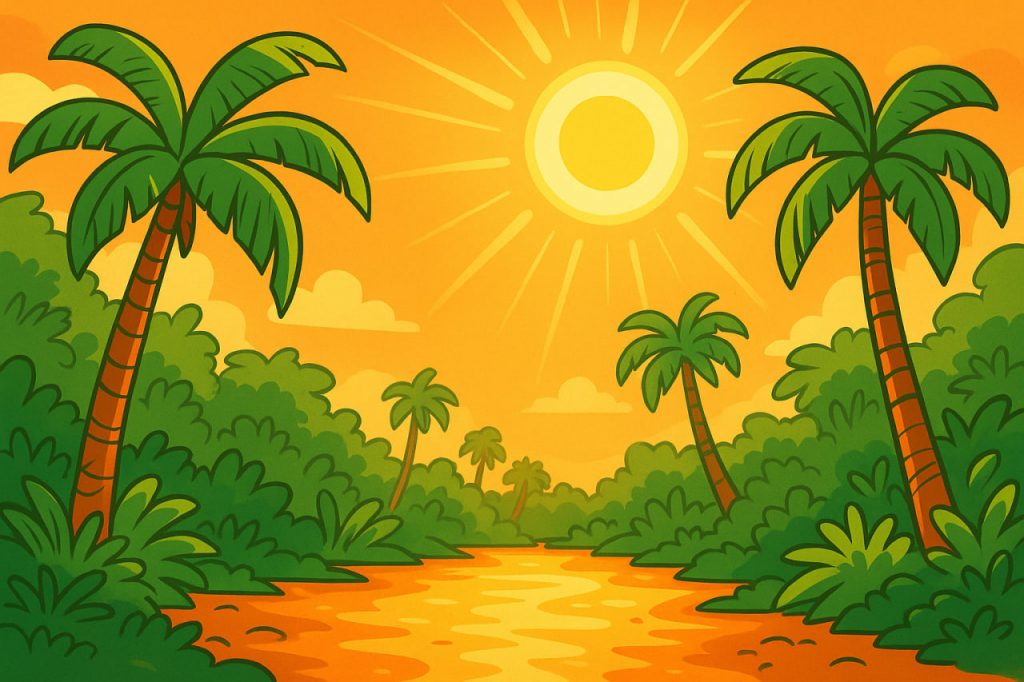
Tropical heat refers to the high temperatures and humidity levels typical of regions near the equator. Unlike temperate climates, tropical areas experience little seasonal variation in temperature, meaning it often…
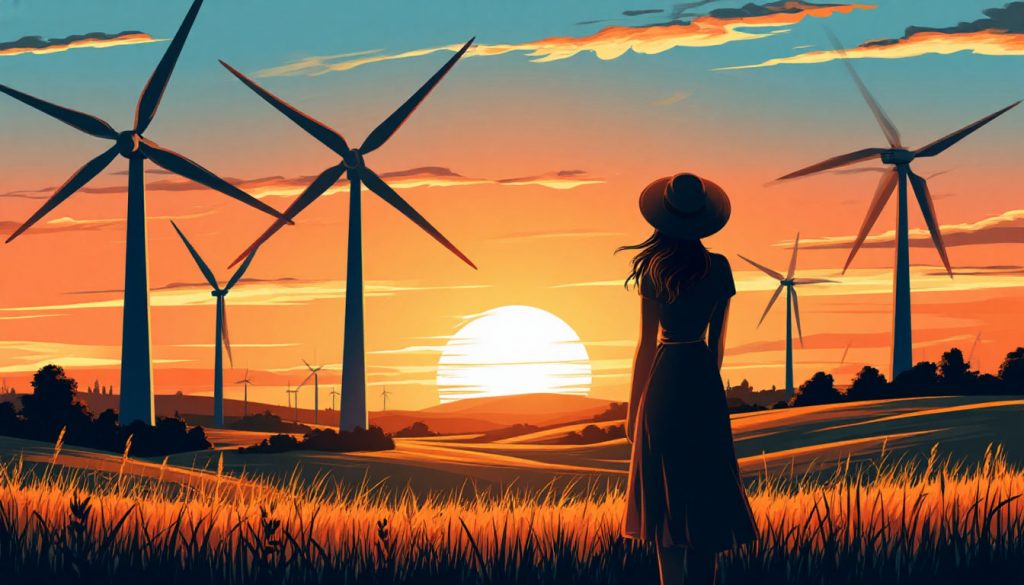
Wind is the movement of air across the Earth’s surface caused mainly by differences in temperature and air pressure. Although invisible, wind is a powerful force that shapes landscapes, drives…
Beavers are fascinating mammals known for their unique ability to reshape ecosystems. They are often called nature’s engineers because of their skill in building dams and lodges that transform rivers…
Forests are often called the lungs of the Earth because of their vital role in maintaining the balance of gases in the atmosphere. They are not only homes for countless…
Mushrooms are fascinating organisms that play an important role in ecosystems, breaking down organic matter and recycling nutrients. While many mushrooms are edible and even highly nutritious, others are dangerous…
For centuries, people have observed that animals often behave differently before changes in the weather. While animals do not predict the weather in the human sense, many species are extremely…
Bird migration is one of the most fascinating natural phenomena, and the return of birds in spring is a sign of seasonal change across much of the world. Birds migrate…
Animal migration is not limited to land and air; it is also a vital phenomenon in the ocean. Marine migration refers to the large-scale movement of animals across seas and…
Symbiosis is a close and long-term biological interaction between two different species, where at least one benefits from the relationship. This interaction can take many forms, ranging from mutually beneficial…