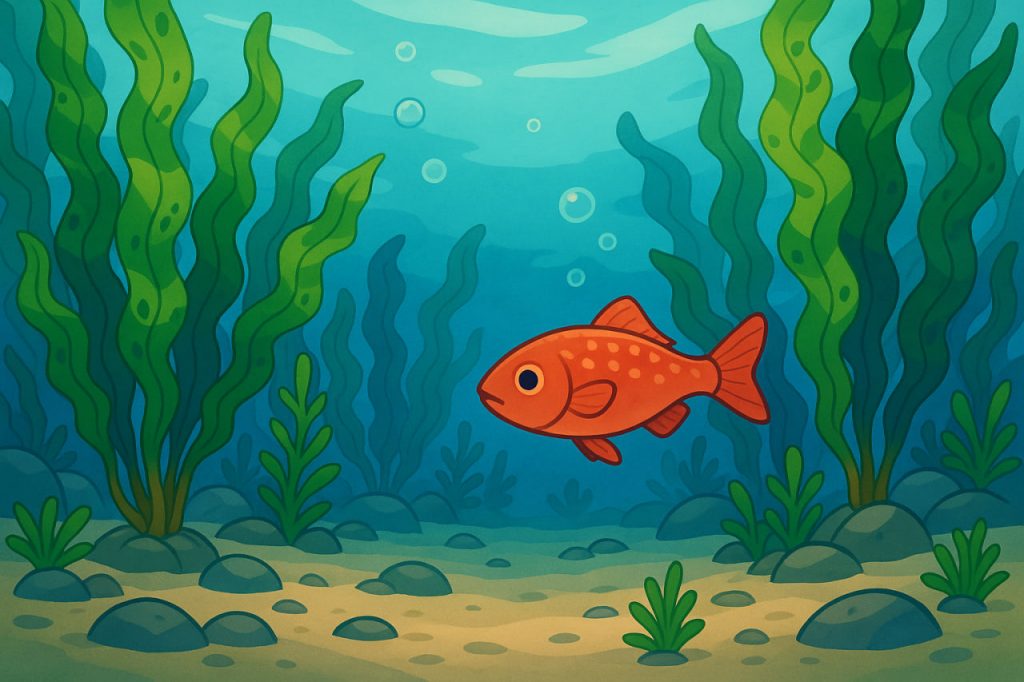
Underwater forests are extraordinary ecosystems made up of large aquatic plants, such as kelp and seagrasses, that grow in oceans, seas, and freshwater bodies. They play a role similar to…
Animal migration is not limited to land and air; it is also a vital phenomenon in the ocean. Marine migration refers to the large-scale movement of animals across seas and…
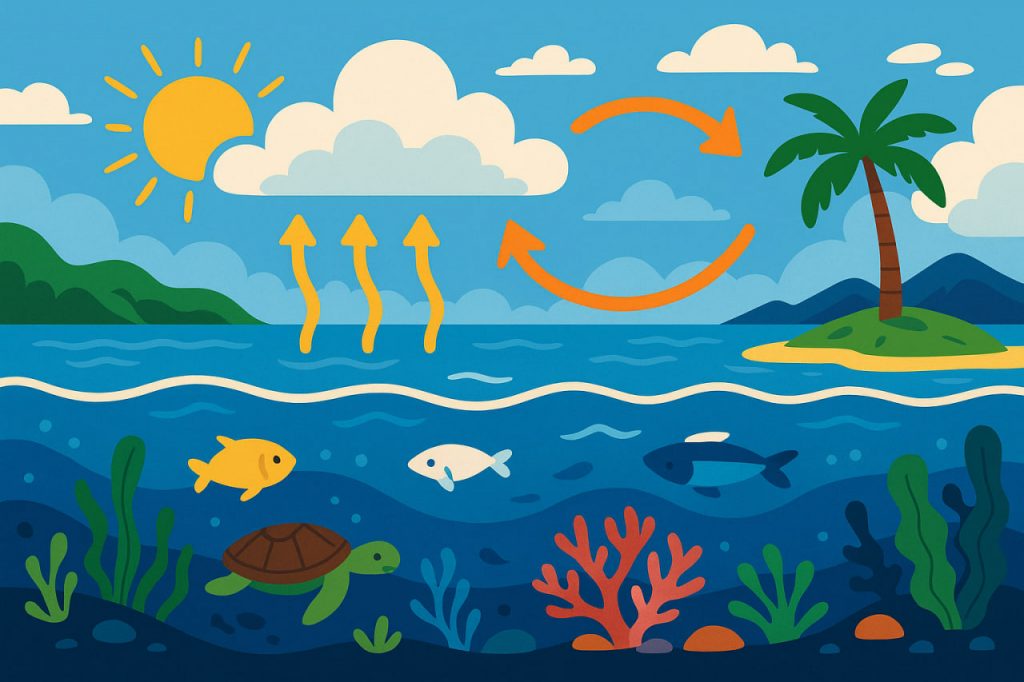
Oceans cover over 70% of Earth’s surface and act as a massive climate regulator. They absorb, store, and redistribute heat, moisture, and carbon dioxide, helping maintain the planet’s temperature balance.…
Coral reefs are among the most vibrant and diverse ecosystems on Earth, but in recent decades, they have begun to lose their color in a process known as coral bleaching.…
La Niña is a natural climate pattern that affects weather and ocean conditions around the world. It is part of the El Niño–Southern Oscillation (ENSO) cycle and represents the cool…
El Niño is a powerful and irregular climate pattern that affects weather systems across the globe. It originates in the tropical Pacific Ocean, but its effects ripple through many regions,…
Algae, though often overlooked, play a central role in producing oxygen and maintaining the health of the planet’s oceans. These aquatic organisms act much like terrestrial plants by converting sunlight…
The Mariana Trench is the deepest known part of Earth's oceans, reaching nearly 11 kilometers (7 miles) below sea level. Located in the western Pacific Ocean, this trench lies above…
The deep ocean remains one of the least explored and most mysterious parts of our planet. Covering more than 70% of Earth's surface, the ocean hides vast underwater landscapes, unknown…
The idea of the ninth wave is deeply rooted in maritime folklore, often described as the largest and most dangerous wave in a series of ocean swells. Sailors traditionally believed…