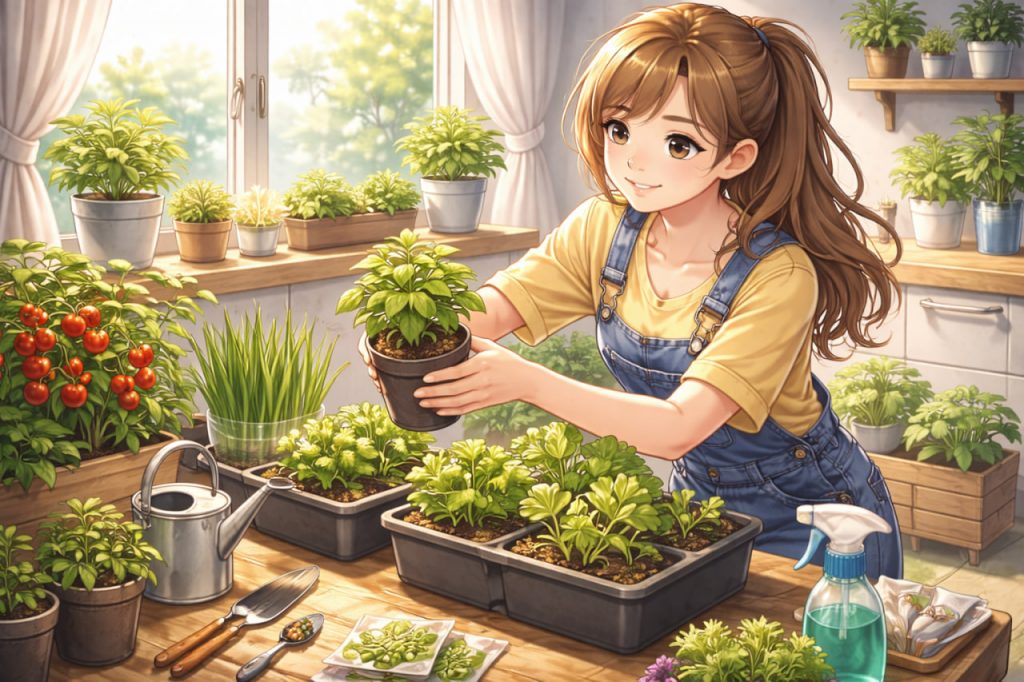
Growing food at home is one of the most practical ways to improve nutrition, reduce expenses, and reconnect with natural cycles. You don’t need a garden or farming experience to start—many edible plants thrive on windowsills, balconies, and small indoor spaces. Home growing is less about perfection and more about consistency, observation, and learning from small successes. Starting with the right plants and simple methods makes the process enjoyable rather than overwhelming. This guide explains what to grow first and how to begin with confidence.
Why Growing Food at Home Makes Sense
Home-grown food offers freshness that store-bought produce cannot match. Herbs and greens harvested minutes before eating retain more flavor and nutrients. Growing food also increases awareness of how plants develop, encouraging healthier eating habits. Beyond nutrition, the process itself reduces stress and provides a sense of control and satisfaction. Even small harvests can make a noticeable difference in daily meals.
Start Small: The Best Plants for Beginners
For beginners, the key is choosing plants that grow quickly and tolerate minor mistakes. Herbs such as basil, parsley, mint, and chives are excellent starting points. They require little space and can be harvested repeatedly. Leafy greens like lettuce, spinach, and arugula grow fast and do not need deep soil. Green onions can be regrown from kitchen scraps, making them one of the easiest edible plants to start with. These plants provide visible progress within weeks, which builds motivation.
Light: The Most Important Factor
Plants need light more than anything else. A bright windowsill with several hours of daylight is often enough for herbs and greens. South- or east-facing windows usually work best. If natural light is limited, simple grow lights can compensate and significantly improve results. Consistent light exposure helps plants grow evenly and prevents weak, stretched stems. Understanding light needs early prevents most beginner failures.
Soil and Containers
Good soil provides nutrients and proper drainage. Regular garden soil is often too dense for indoor growing, so using potting mix designed for containers is recommended. Containers should have drainage holes to prevent excess water buildup. Size matters: shallow containers work for greens, while herbs prefer slightly deeper pots. Clean, simple containers are enough—expensive equipment is not required.
Watering: Less Is More
Overwatering is one of the most common beginner mistakes. Most edible plants prefer soil that is moist but not constantly wet. A good rule is to water when the top layer of soil feels dry to the touch. Proper drainage allows excess water to escape, protecting roots from rot. Observing plants regularly helps adjust watering naturally rather than following rigid schedules.
From Seeds or From Starts
Beginners can choose between growing from seeds or young plants. Seeds are inexpensive and satisfying but require patience. Young plants provide faster results and reduce early failure risk. Both methods are valid, and combining them works well. Starting with young herbs and sowing greens from seed is a balanced approach.
Harvesting and Continuous Growth
Many edible plants grow back after harvesting. Cutting herbs correctly encourages new growth instead of stopping it. Leafy greens can be harvested gradually rather than all at once. Regular harvesting keeps plants productive and prevents overcrowding. Learning when and how to harvest is part of building long-term success.
Common Mistakes to Avoid
Trying to grow too many plants at once often leads to frustration. Ignoring light conditions or overwatering are frequent causes of failure. Another mistake is expecting perfect results immediately. Plants respond over time, and small imperfections are normal. Treat home growing as a learning process rather than a test.
Interesting Facts
- Many herbs grow better when harvested regularly.
- Green onions can regrow multiple times from kitchen scraps.
- Indoor plants often need less water than outdoor plants.
- Freshly harvested greens retain more nutrients.
- Even small spaces can produce edible food year-round.
Glossary
- Potting Mix — soil blend designed for container growing.
- Seedling — a young plant grown from seed.
- Drainage — the ability of soil and containers to remove excess water.
- Grow Light — artificial light used to support plant growth.
- Harvesting — collecting edible parts of a plant.