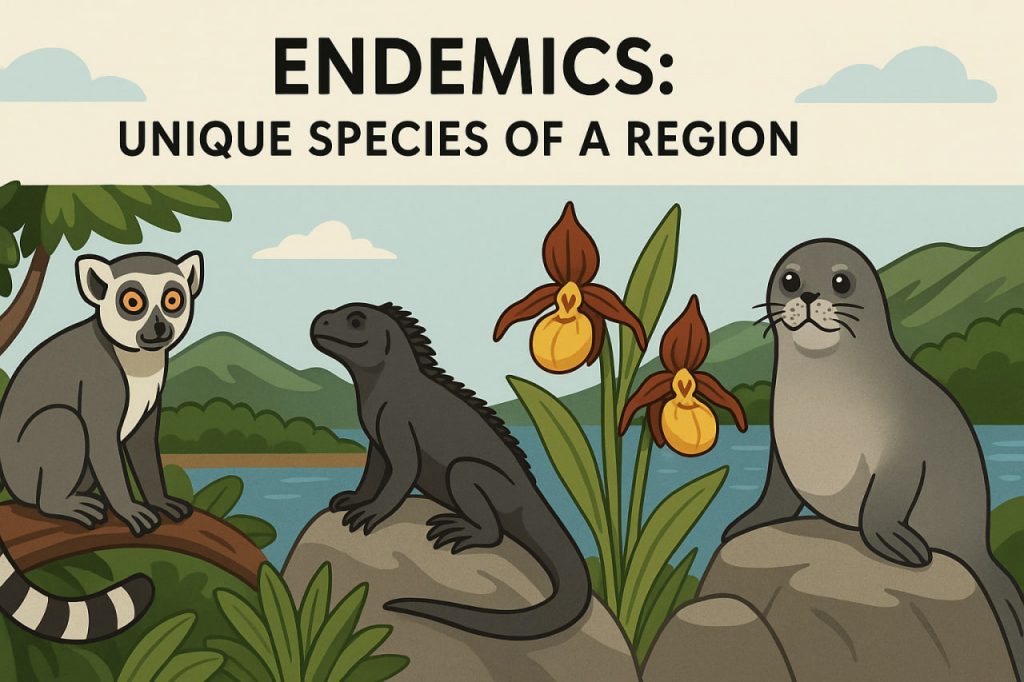
The natural world is filled with an incredible variety of plants and animals. Some of them are found all over the world, while others exist in only one specific place.…
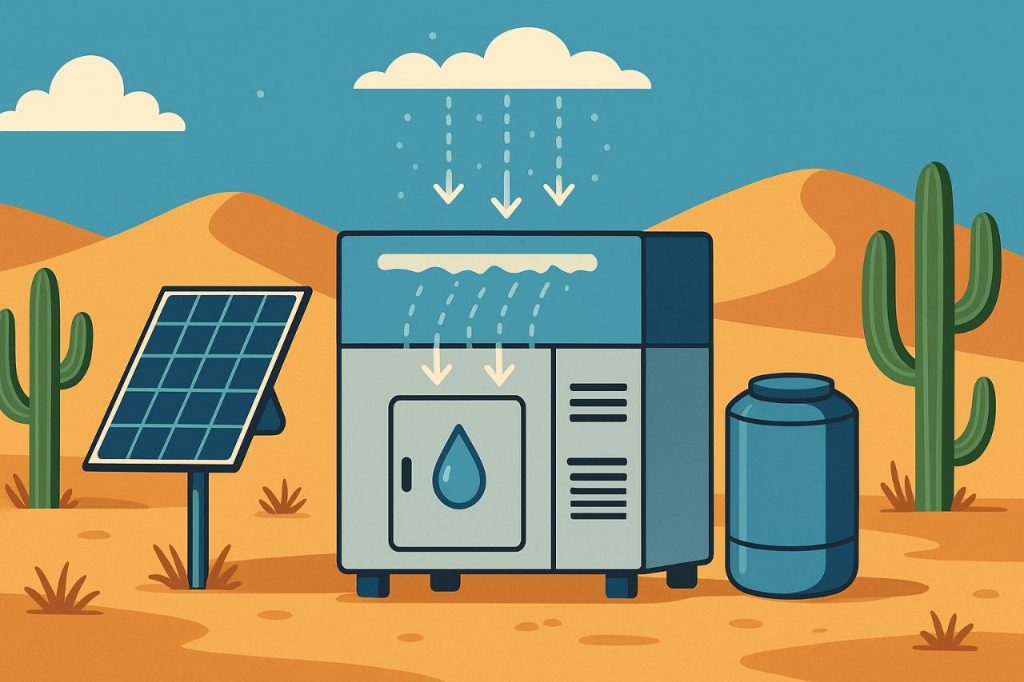
In arid regions where freshwater is scarce, such as deserts, atmospheric water generators (AWGs) offer an innovative way to extract drinking water from the air. These systems collect humidity and…
As the world searches for clean, renewable alternatives to fossil fuels, wind and solar energy have emerged as two of the most promising and widely used sources of sustainable power.…
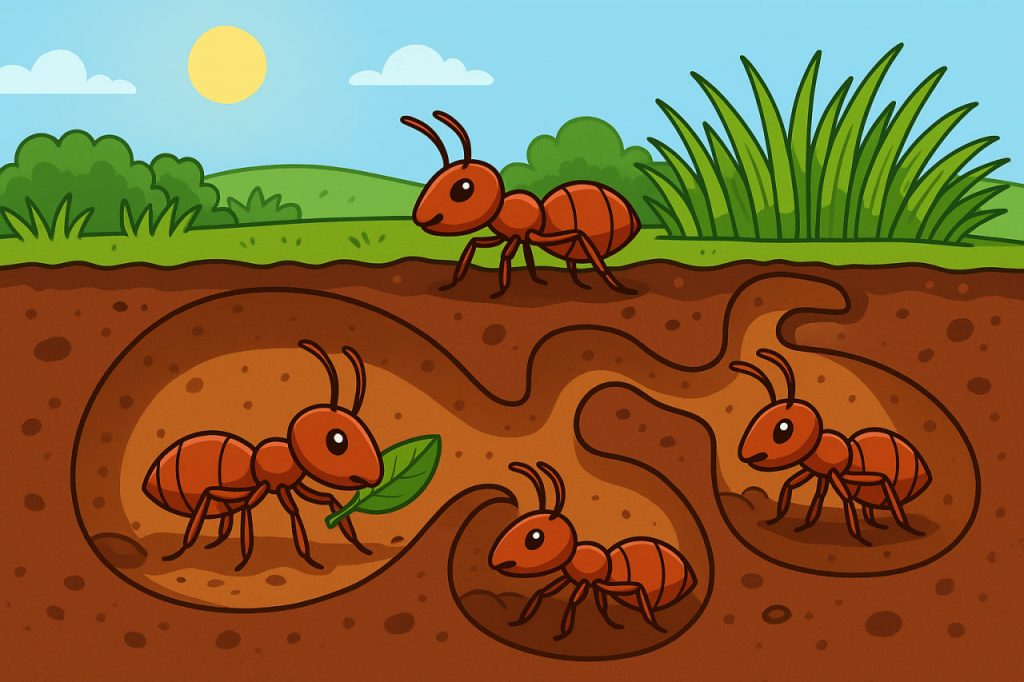
Ants are among the most organized and industrious creatures on Earth. Despite their size, they create complex colonies that can house millions of individuals. Each ant plays a specific role…
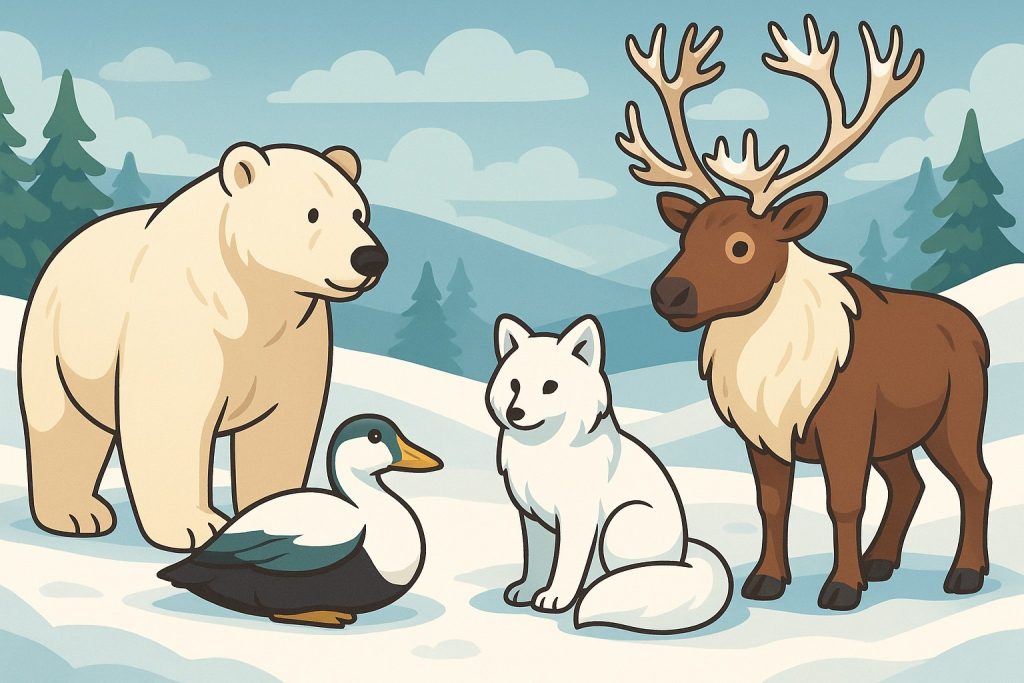
Surviving in cold environments like the Arctic, Alpine mountains, or taiga forests requires remarkable biological and behavioral adaptations. From thick fur to seasonal migrations, animals have developed diverse strategies to…
Deserts are often imagined as lifeless places of endless sand, but in reality, they are dynamic ecosystems filled with adaptable life. Despite harsh conditions—scorching temperatures, low rainfall, and extreme dryness—deserts…
Dust is all around us—on furniture, in sunlight beams, and even floating through the air we breathe. Although it seems like a minor annoyance, dust plays a major role in…
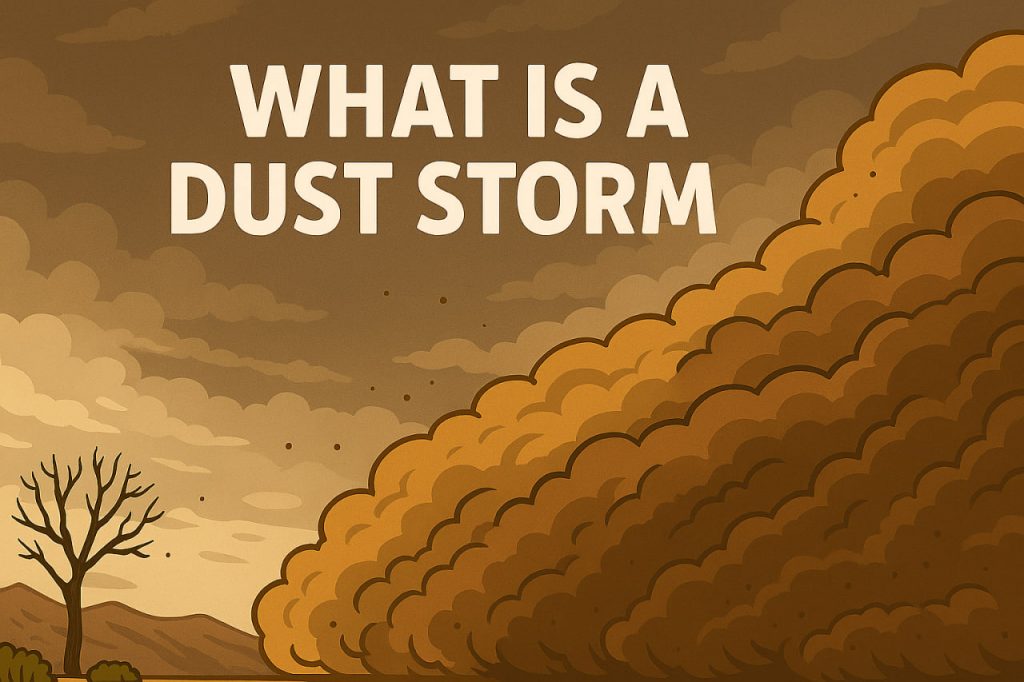
A dust storm is a strong wind event that lifts large amounts of dust, sand, and dirt into the air, creating thick clouds that can reduce visibility and cause environmental…
Cities are often seen as concrete jungles, but even the busiest urban environments can support rich biodiversity. By making small, thoughtful changes to our surroundings, we can help create safe…
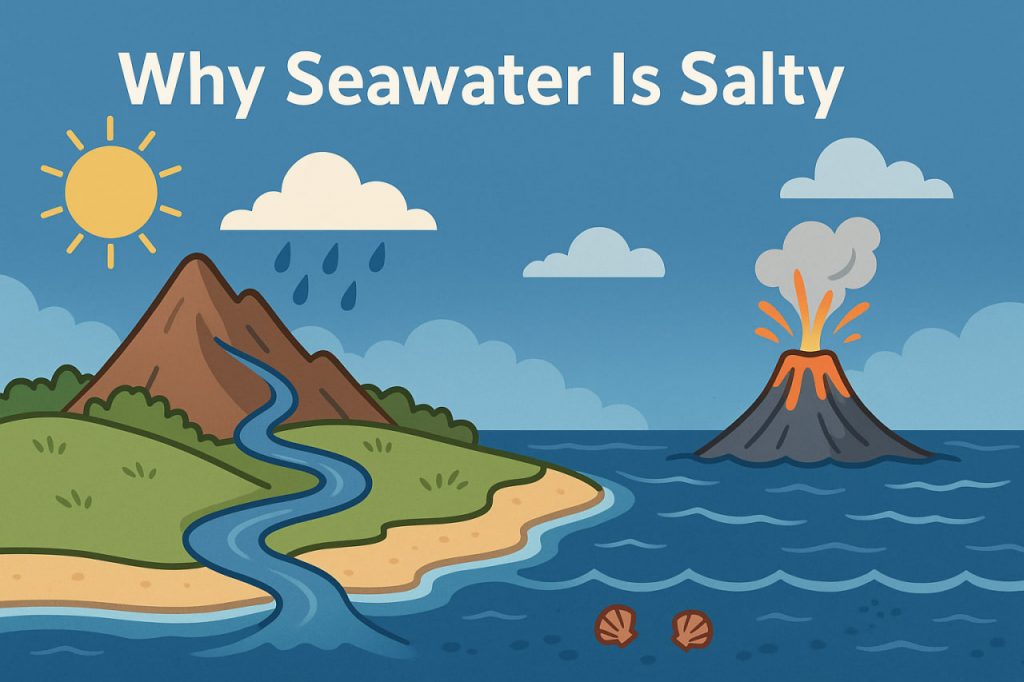
When we taste seawater, its saltiness is unmistakable. But have you ever wondered why the ocean is salty while rivers and lakes usually are not? The salt in the sea…