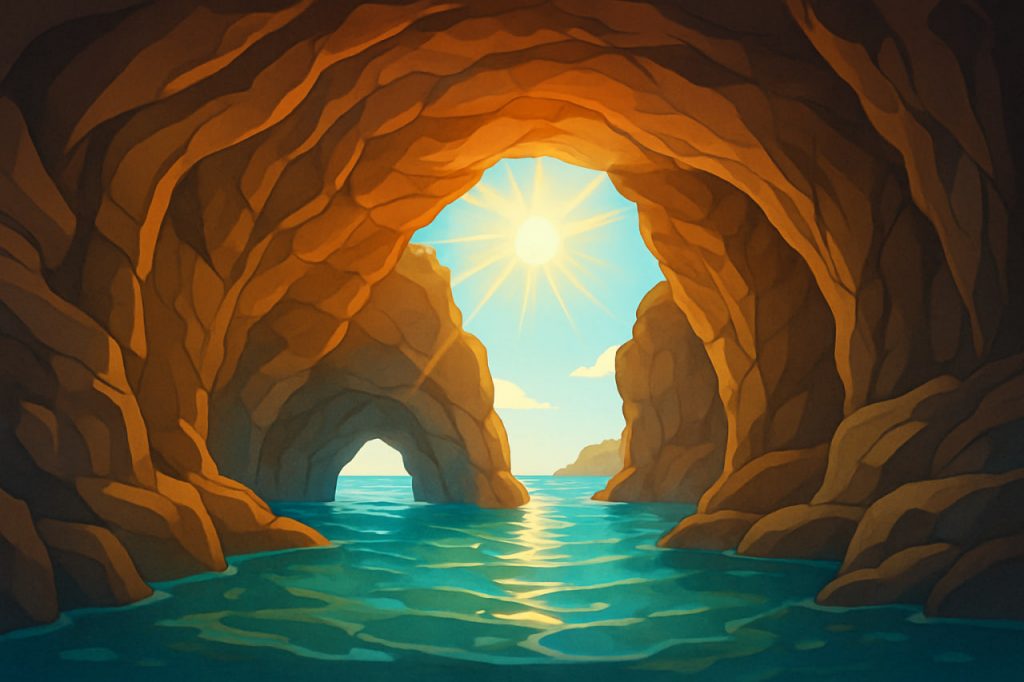
A grotto is a small cave or cavern, often with a picturesque or decorative appearance. Unlike large cave systems that may extend deep underground, grottos are usually shallow and closer…
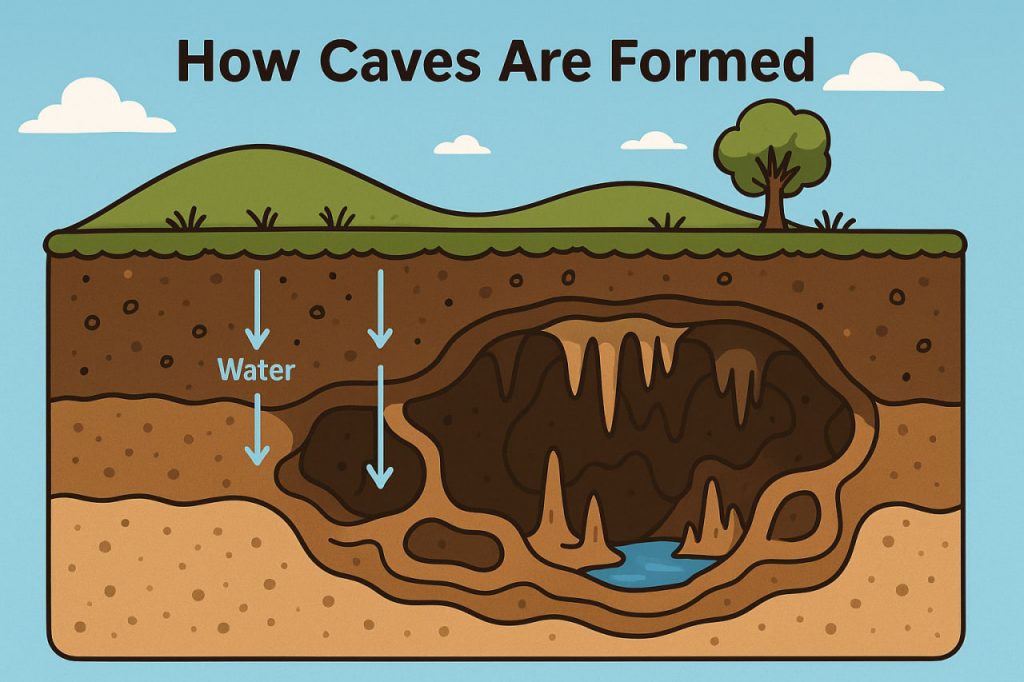
Caves are natural underground spaces that have fascinated humans for thousands of years. They can be small cavities or enormous labyrinths stretching for hundreds of kilometers. The formation of caves…
Invasive species are plants, animals, or microorganisms introduced—often by humans—into environments where they are not naturally found. Unlike native species, they spread aggressively and disrupt the balance of ecosystems. Invasive…
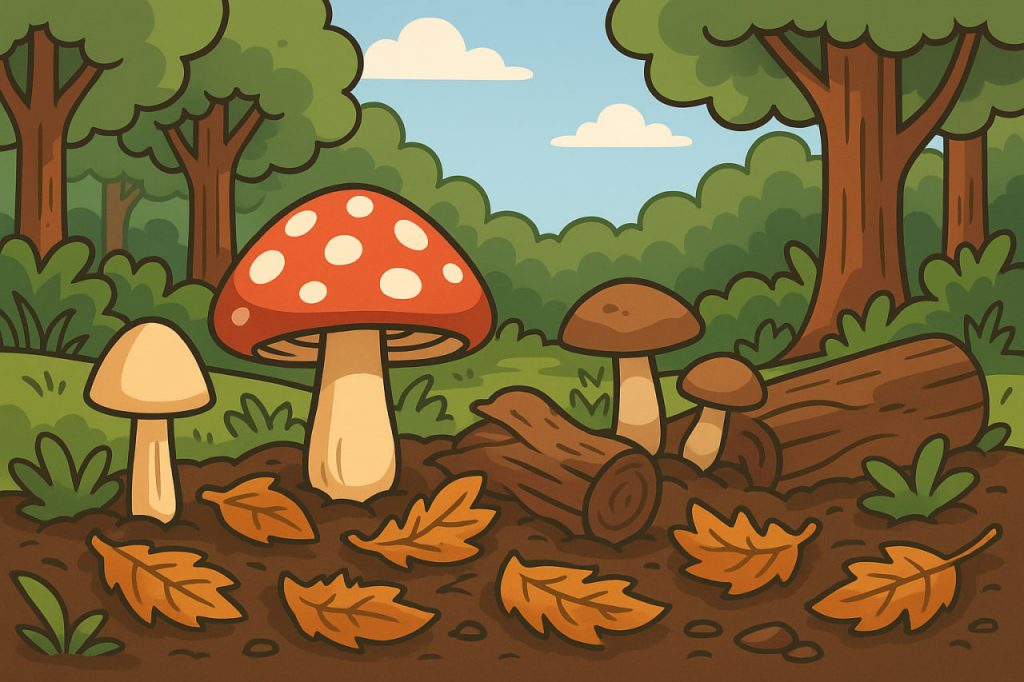
Fungi are essential players in the natural recycling system of ecosystems. Unlike plants, fungi do not produce their own food through photosynthesis. Instead, they act as decomposers, breaking down dead…
Plants may seem defenseless compared to animals, but they have developed remarkable strategies to survive in environments full of herbivores, insects, and pathogens. These defenses can be physical, such as…
Soil is one of the most important natural resources on Earth. It forms the thin layer of material covering the land surface and serves as the foundation for plant growth,…
A tree may look like a simple organism, but in reality, it is one of the most complex life forms on land. Trees are living systems that have evolved over…
Birdsong is one of the most recognizable sounds of nature, filling forests, fields, and cities with melody. However, not all birds sing at the same time of day. Some begin…
Plants play a crucial role in maintaining the balance of our atmosphere by naturally cleaning the air. Through various biological processes, they absorb pollutants, filter harmful substances, and release oxygen,…
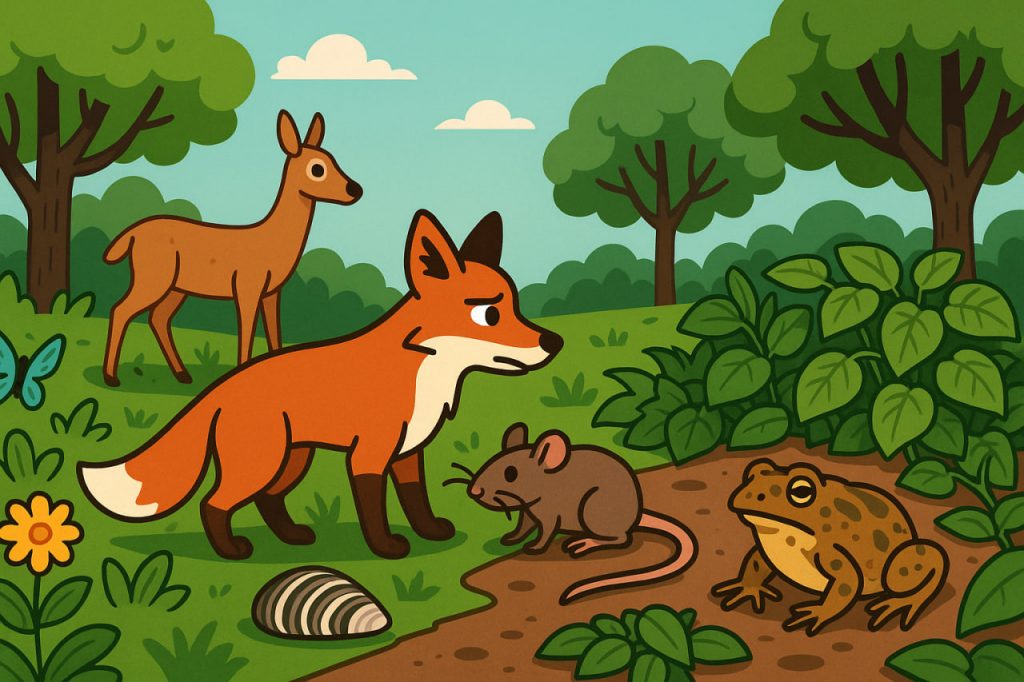
An ecological niche is a fundamental concept in ecology that describes the role and position of a species within an ecosystem. It defines how a species interacts with its environment,…