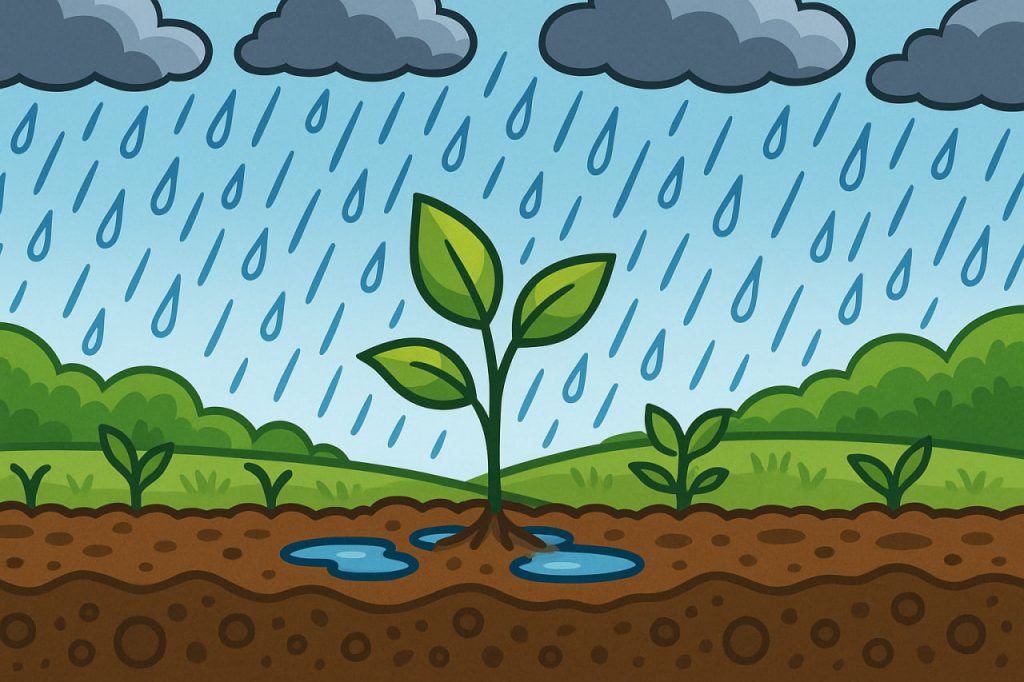
Rain plays a central role in shaping the health, structure, and fertility of soil. As part of the water cycle, rainfall supplies moisture that plants and microorganisms need to thrive.…
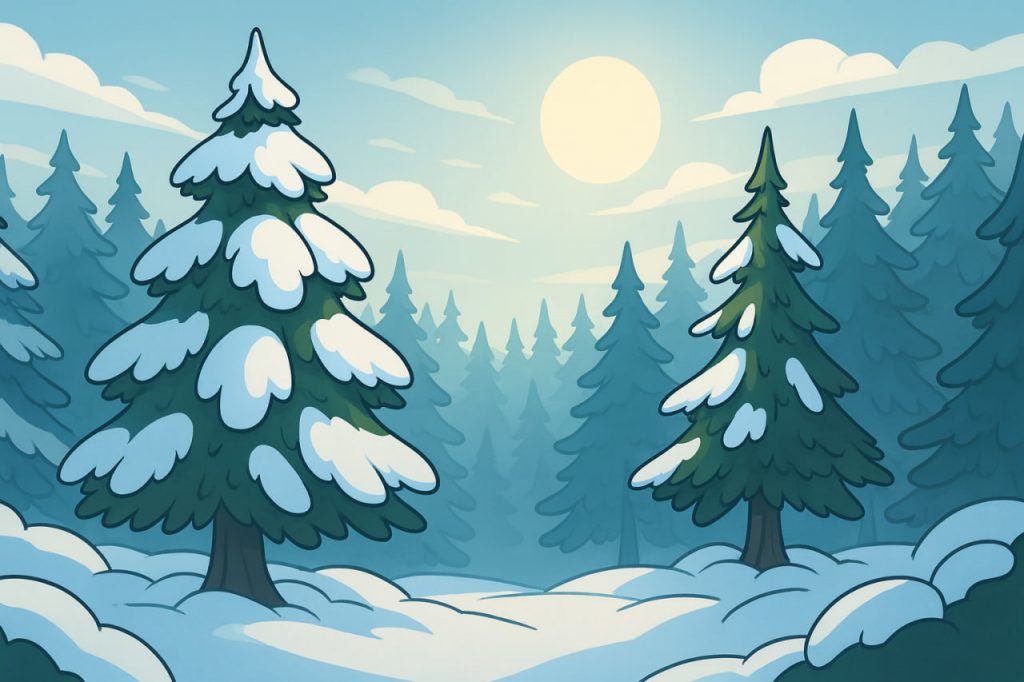
Coniferous forests, often called taiga or boreal forests, dominate northern regions of the world where winters are long and extremely cold. These forests, made up mostly of pine, spruce, and…
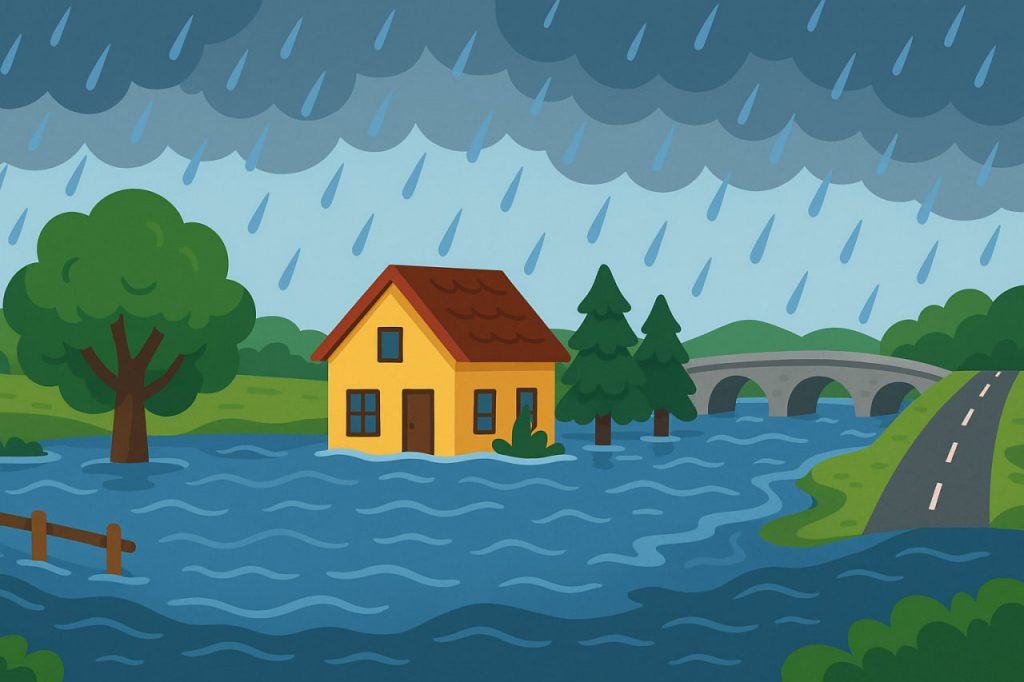
Floods are among the most impactful natural events, shaping landscapes, affecting ecosystems, and often disrupting human activities. A flood occurs when water levels in rivers, lakes, or reservoirs rise above…
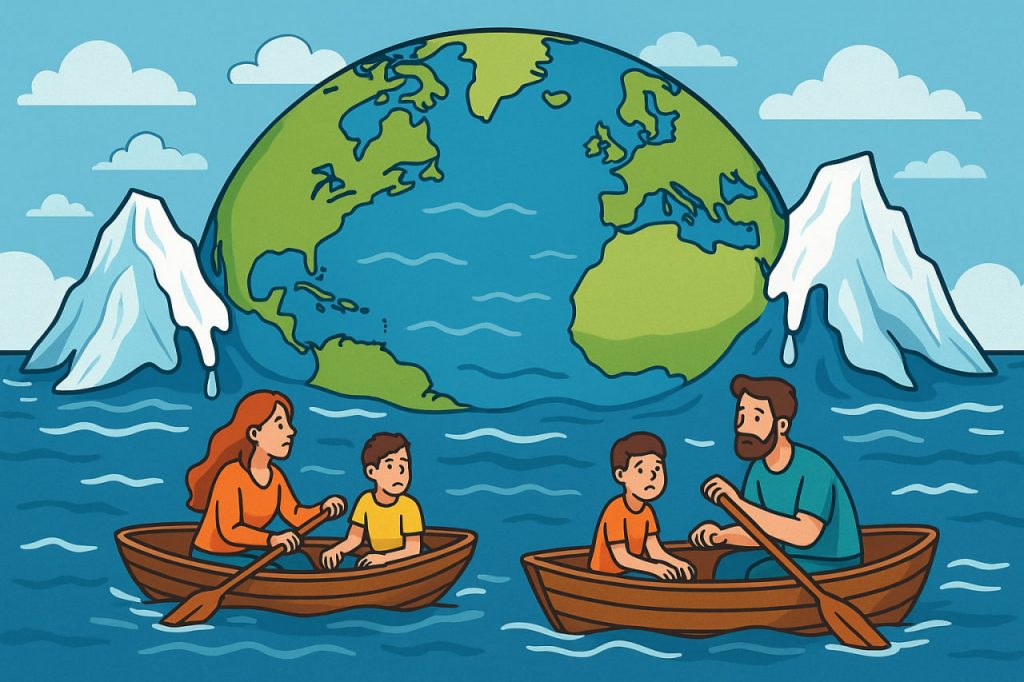
The story of the Biblical Flood describes a catastrophic event where the entire Earth was submerged under water. While such a scenario is not supported by modern science, new geological…
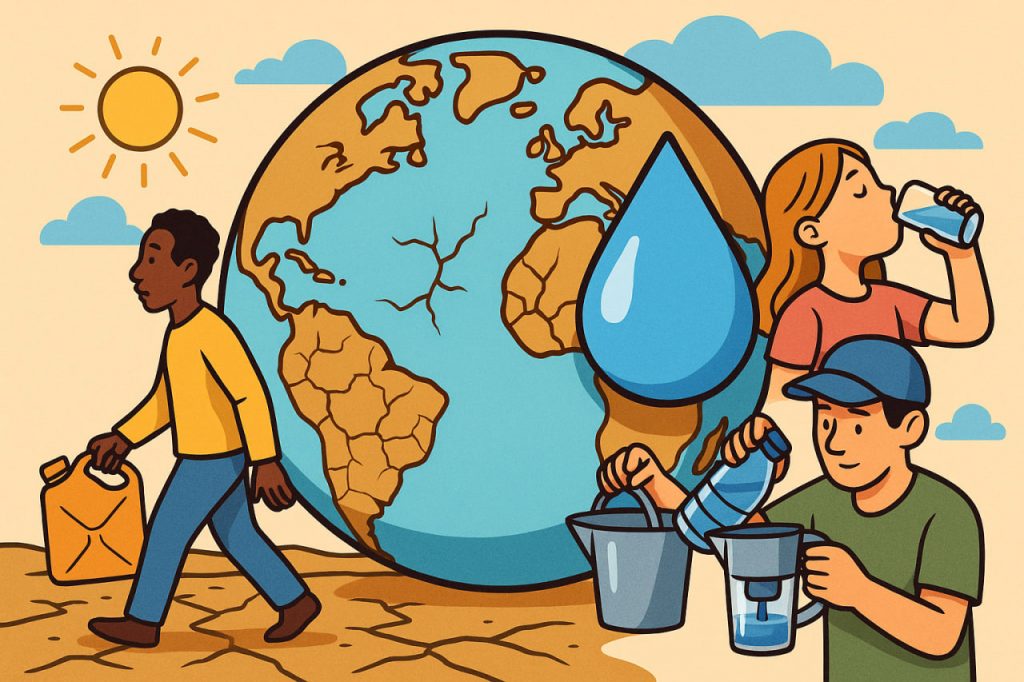
Water is the foundation of life, yet today the world faces a growing crisis of drinking water scarcity. Despite covering 70% of Earth’s surface, only about 2.5% of water is…
The concept of the Earth’s “breathing” refers to natural cycles of compression and expansion within the planet caused by internal and external forces. While Earth is not literally inhaling or…
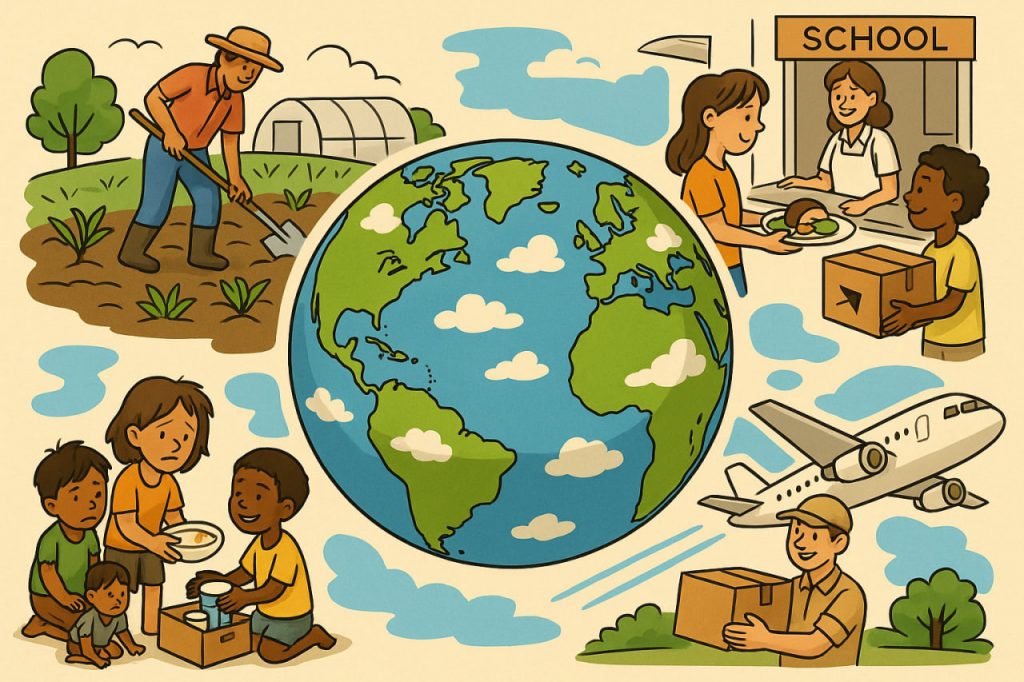
Hunger remains one of the greatest humanitarian challenges of our time. According to the United Nations, millions of children die every year from causes related to malnutrition. While food production…
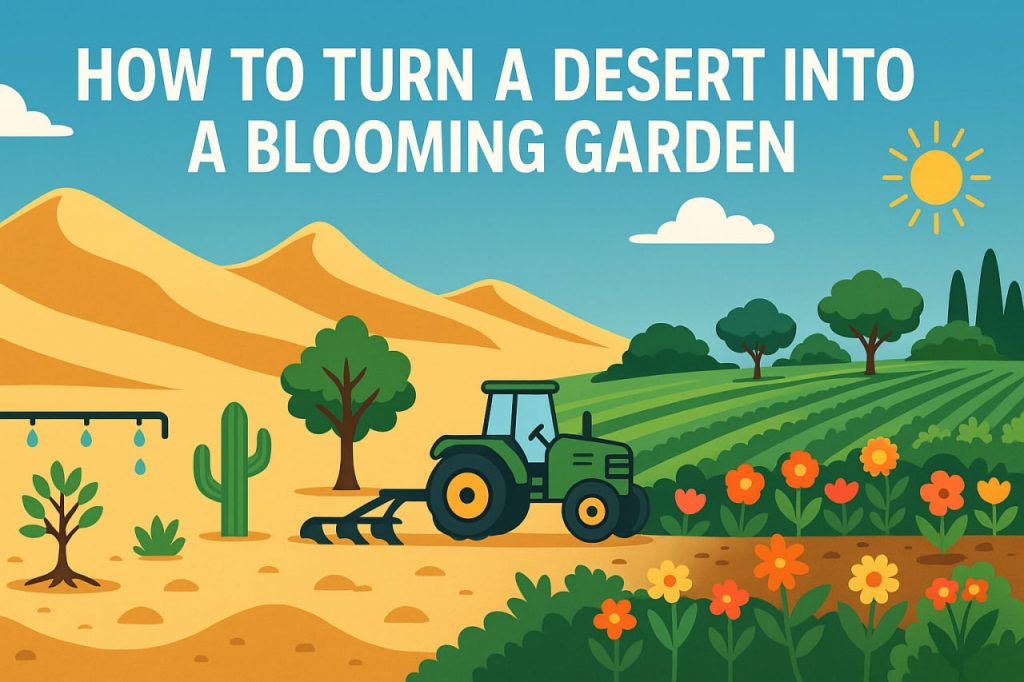
Deserts are known for their harsh climates, scarce rainfall, and extreme temperatures, but modern science and innovative approaches show that it is possible to transform barren land into productive, green…
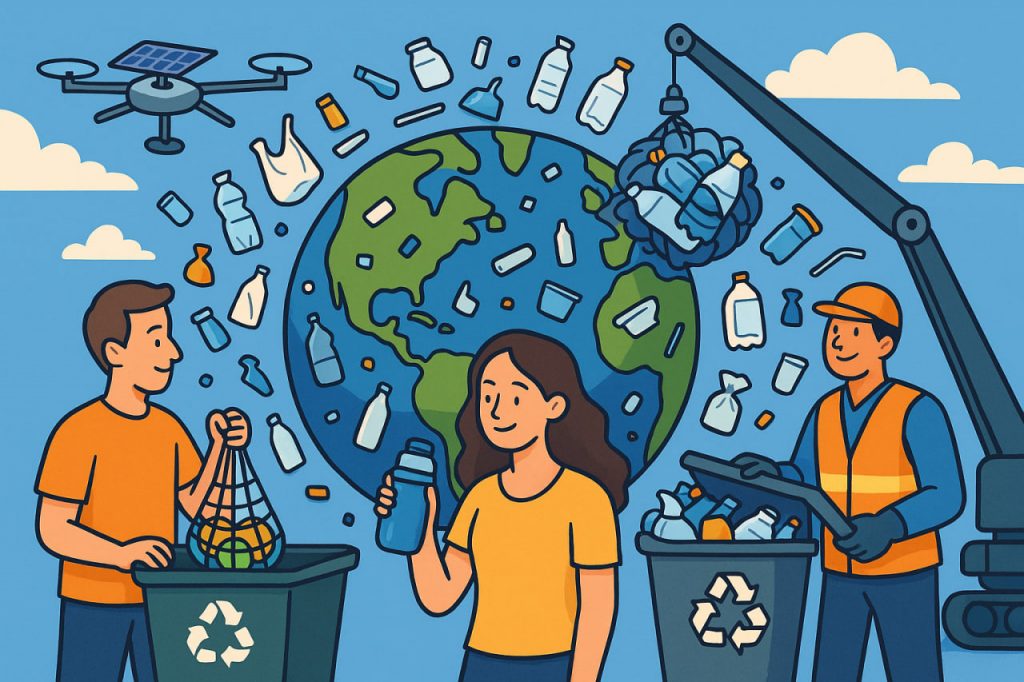
Plastic pollution is one of the most pressing environmental challenges of the 21st century. With millions of tons of plastic entering oceans, landfills, and ecosystems every year, urgent global action…
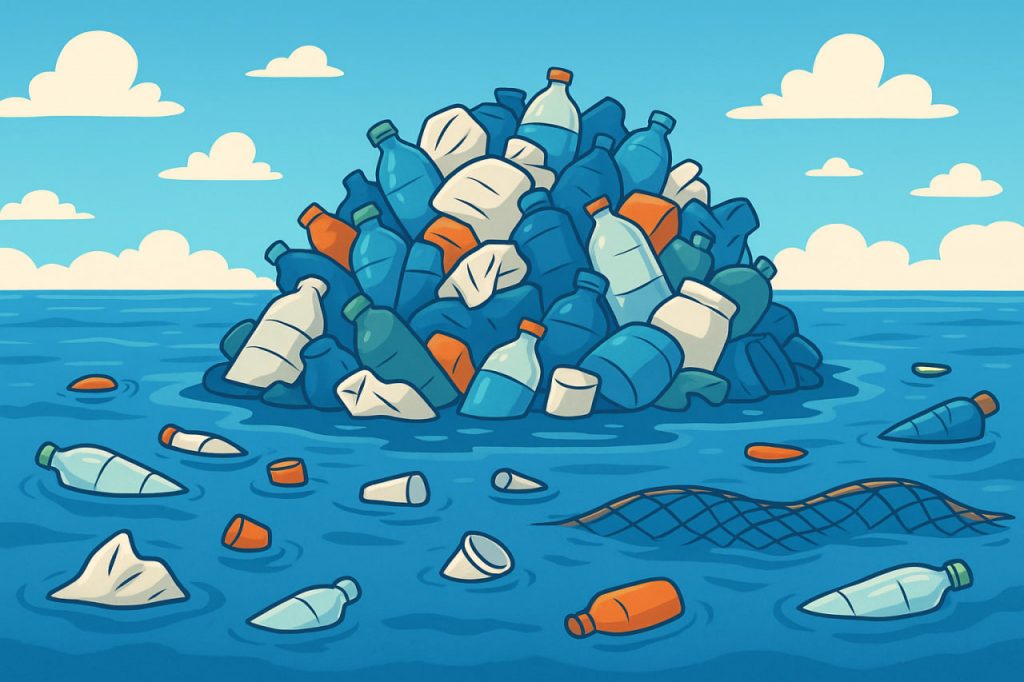
The “continent of trash” in the ocean is a common name for the Great Pacific Garbage Patch, the largest accumulation of marine plastic waste in the world. It highlights one…