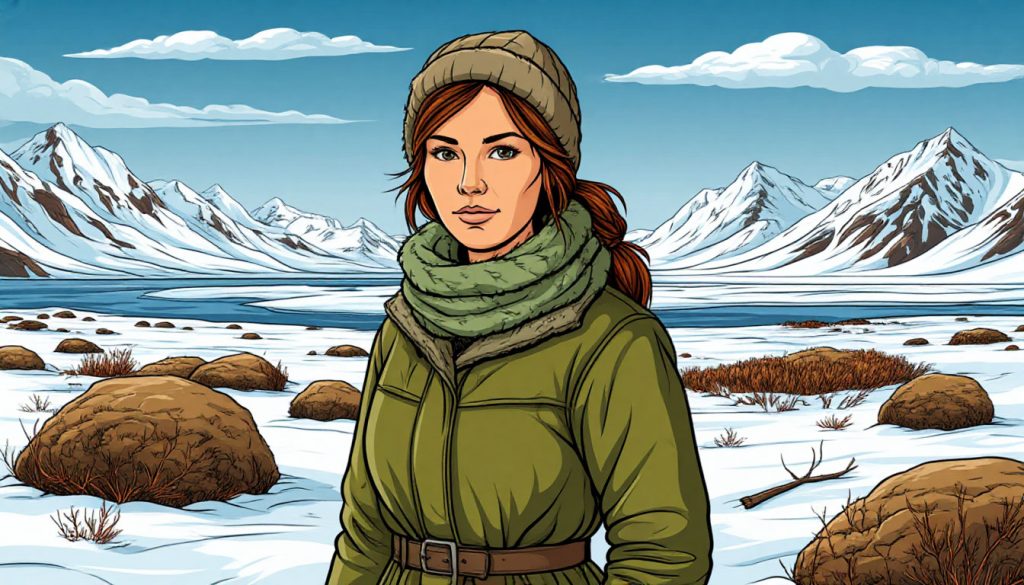
Tundra is a unique biome characterized by extreme cold, short growing seasons, and limited biodiversity. It is found mainly in the Arctic regions and at high altitudes, where temperatures remain…
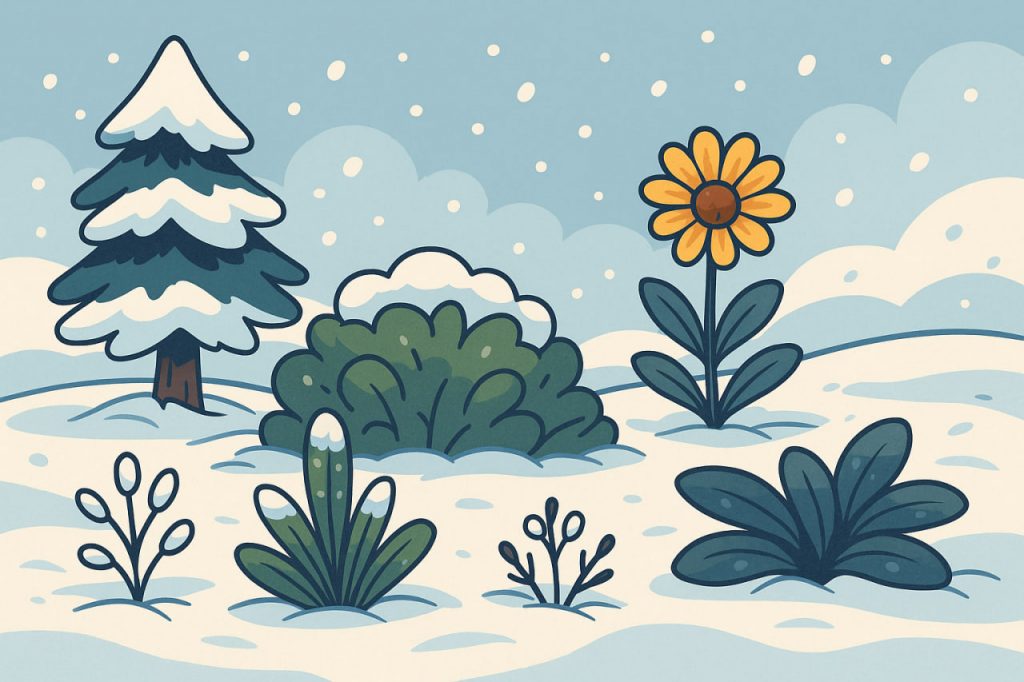
Plants grow in some of the harshest, coldest environments on Earth — from Arctic tundra to high mountain peaks. To survive, they have evolved specialized adaptations that help them withstand…
Primary forests, also known as old-growth forests, are woodlands that have developed naturally over long periods without significant human disturbance. They contain a rich diversity of species, complex ecological structures,…
Pollination is the process of transferring pollen from the male part of a flower (anther) to the female part (stigma), enabling fertilization and seed production. While wind and water can…
Bird feathers come in an astonishing variety of colors, patterns, and textures. While these features make birds beautiful to observe, they are not just for decoration — the colors serve…
The Earth’s magnetic field is an invisible force that surrounds our planet, created by the movement of molten iron in its core. While humans cannot naturally sense it, many animals…
A biosphere is the global sum of all ecosystems — the regions of Earth (or a closed artificial system) where life exists and interacts with the atmosphere, hydrosphere, and lithosphere.…
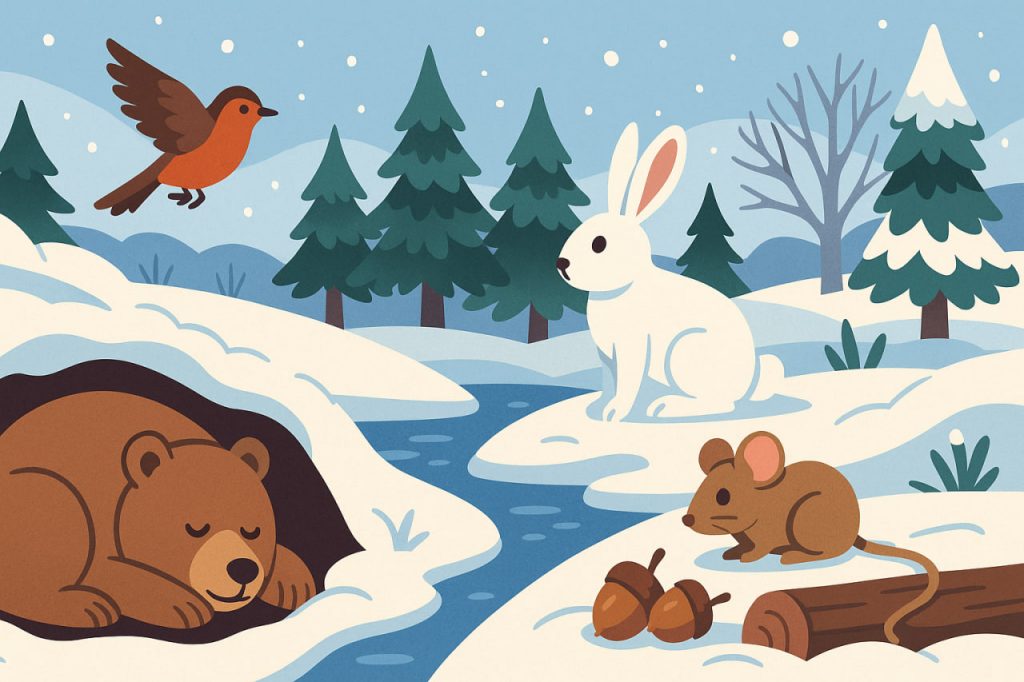
Winter presents harsh conditions for animals: freezing temperatures, snow-covered landscapes, and limited access to food. Yet, countless species have evolved remarkable strategies to endure the cold. From hibernation to migration,…
Ecology is the scientific study of the relationships between living organisms and their environment. It explores how animals, plants, fungi, and microbes interact with each other and with non-living elements…
Desertification is the process by which fertile land gradually turns into arid desert, making it unsuitable for agriculture, forests, or other natural ecosystems. This global phenomenon affects over 100 countries…