The water cycle, also known as the hydrologic cycle, is the continuous movement of water on, above, and below the surface of the Earth. It plays a vital role in…
Between 1994 and 1996, a subtle but intriguing event occurred deep inside our planet — a possible change in the rotation rate of Earth’s inner core. This phenomenon, observed through…
Most people associate earthquakes with shaking ground and damaged buildings near the surface. But not all earthquakes happen close to the Earth's crust. Some occur deep within the planet —…
The Mariana Trench is the deepest known part of Earth's oceans, reaching nearly 11 kilometers (7 miles) below sea level. Located in the western Pacific Ocean, this trench lies above…
Trees are among the oldest and most important life forms on Earth. They have shaped the environment, stabilized ecosystems, and supported countless species — including humans. But trees haven’t always…
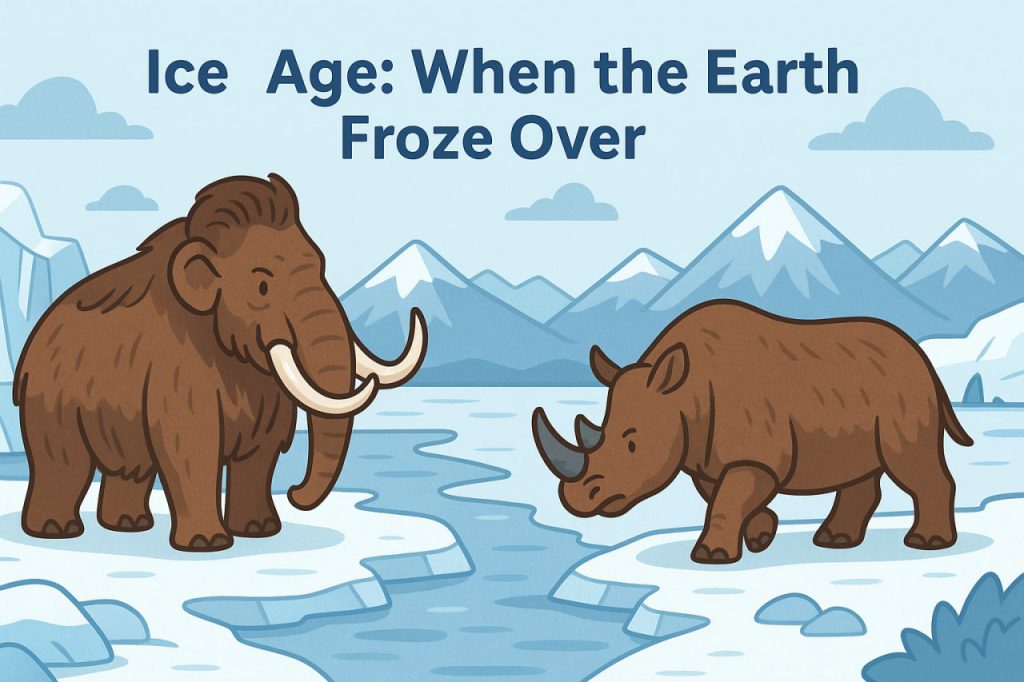
An Ice Age is a long period in Earth’s history when global temperatures drop significantly, causing large parts of the planet to be covered in glaciers. These cold eras reshape…
The natural world is filled with an incredible variety of plants and animals. Some of them are found all over the world, while others exist in only one specific place.…
Ants are among the most organized and industrious creatures on Earth. Despite their size, they create complex colonies that can house millions of individuals. Each ant plays a specific role…
Surviving in cold environments like the Arctic, Alpine mountains, or taiga forests requires remarkable biological and behavioral adaptations. From thick fur to seasonal migrations, animals have developed diverse strategies to…
Deserts are often imagined as lifeless places of endless sand, but in reality, they are dynamic ecosystems filled with adaptable life. Despite harsh conditions—scorching temperatures, low rainfall, and extreme dryness—deserts…