The problem of stray animals — especially dogs and cats — is one of the most visible humanitarian and ecological issues in modern cities. Behind every animal wandering the streets…
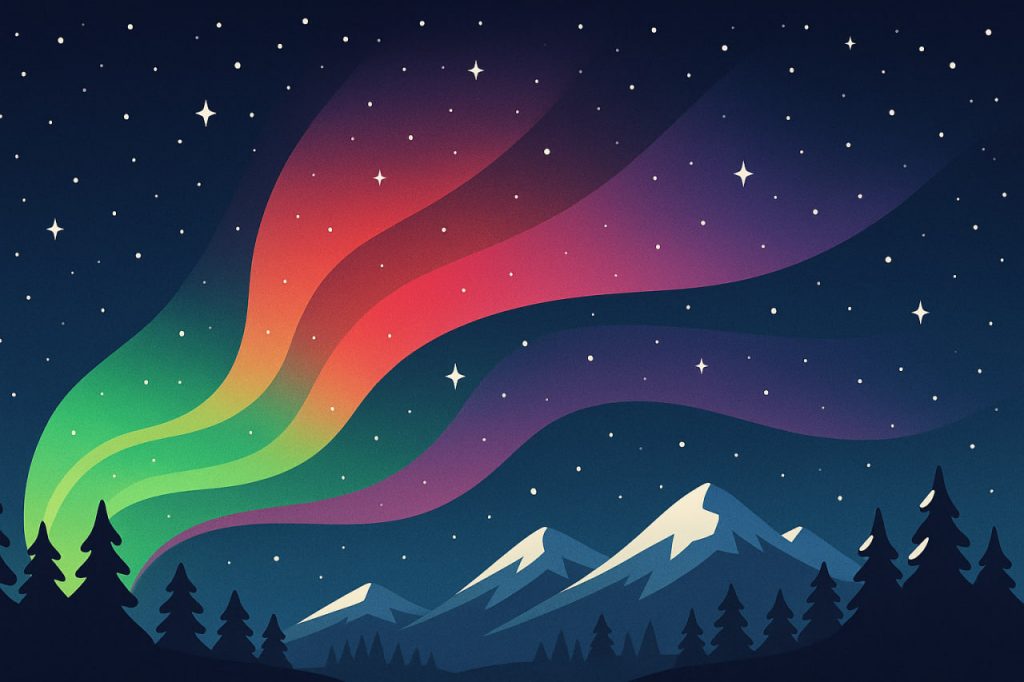
The aurora, also known as the northern or southern lights, is one of the most spectacular natural phenomena on Earth. It occurs when charged particles from the Sun interact with…
Planets, including Earth, are not static objects. Over geological timescales, they undergo cycles of compression and expansion caused by internal and external processes. These cycles affect planetary structure, surface relief,…
Sharks are among the most fascinating and misunderstood creatures in the ocean. While they have existed for more than 400 million years, myths and fear often overshadow the reality of…
The Arctic has fascinated explorers for centuries due to its harsh climate and strategic location. As early as the Viking Age, Norse sailors reached Greenland and parts of North America.…
During spring and summer, leaves are green because of chlorophyll, the pigment that absorbs sunlight and helps plants make food through photosynthesis. Chlorophyll is continuously produced in warm, sunny seasons,…
Relief refers to the variations in height and shape of the planet’s surface, including mountains, valleys, plains, and plateaus. On Earth, the relief is the result of a complex interaction…
Seismic waves are vibrations that travel through Earth, usually generated by earthquakes, volcanic eruptions, explosions, or other strong disturbances. They carry energy away from the source of the event and…
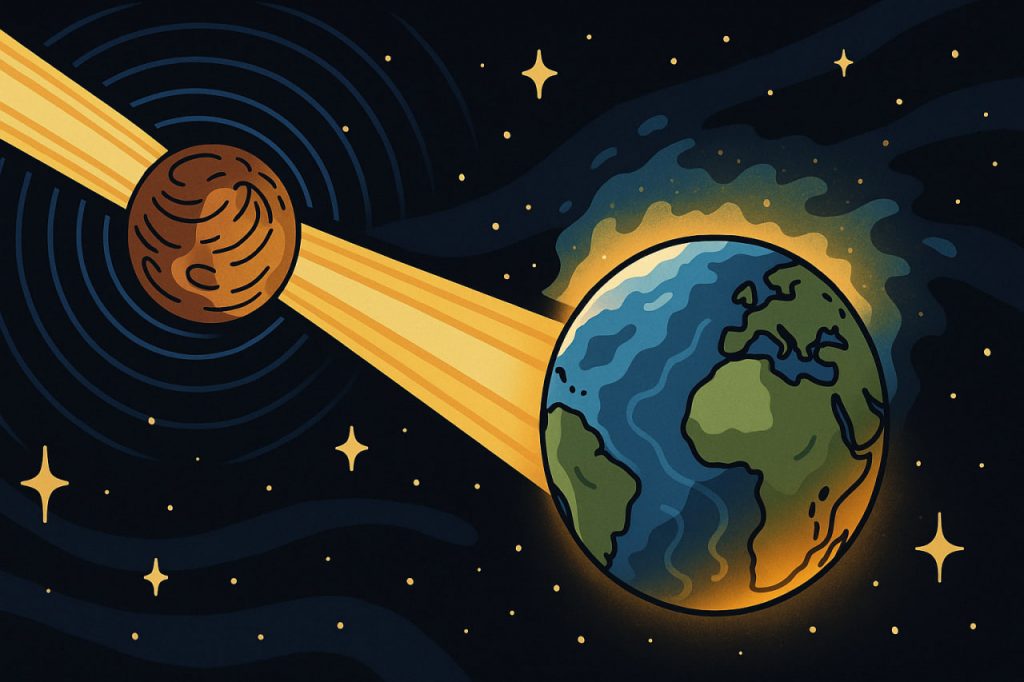
A pulsar is a rapidly rotating neutron star, the dense remnant of a massive star after a supernova. Pulsars emit powerful beams of electromagnetic radiation, including radio waves, X-rays, and…
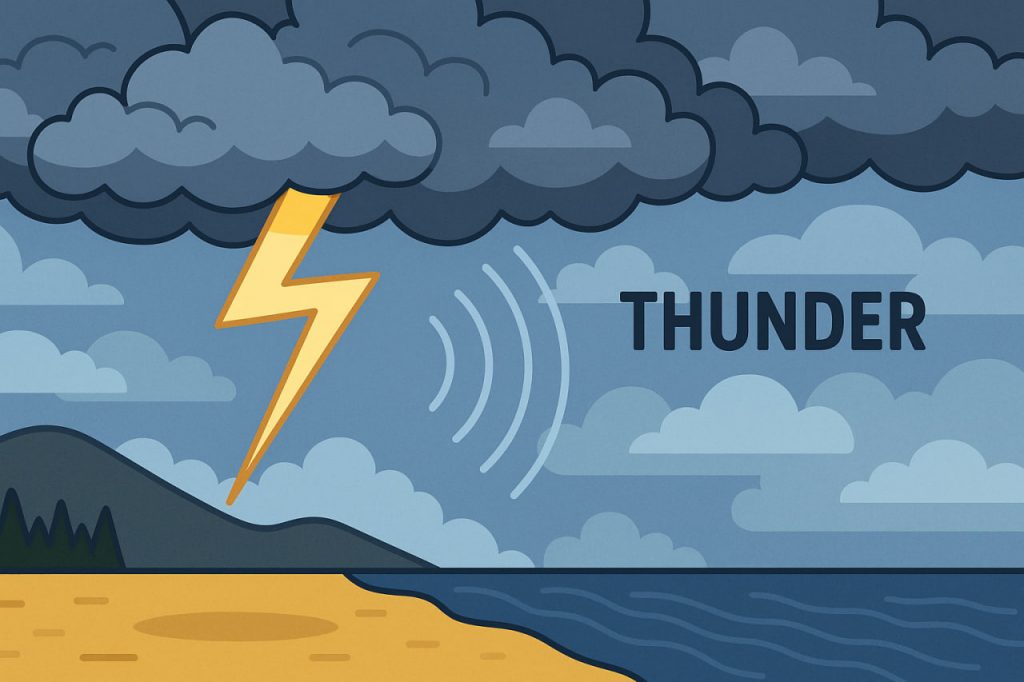
Thunder and lightning are atmospheric phenomena that develop inside large storm clouds, known as cumulonimbus clouds. These clouds form when warm, moist air rises rapidly and cools, creating towering cloud…