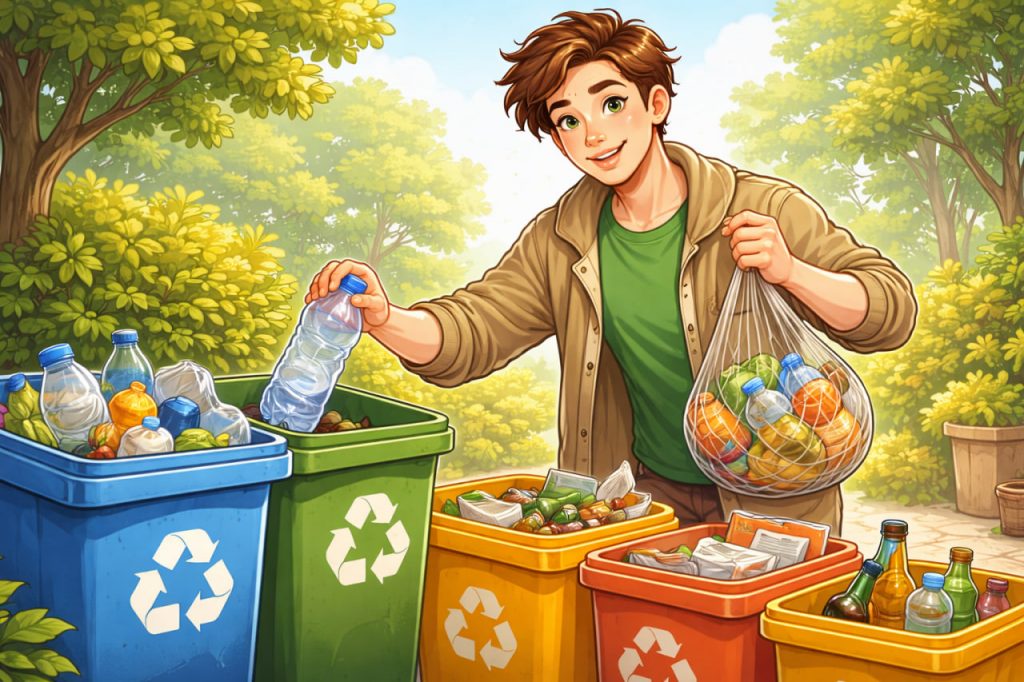
Waste separation is a system of sorting household and commercial waste into different categories so materials can be recycled, composted, or processed safely. As global consumption increases, mixed waste streams overwhelm landfills and pollute ecosystems. Separating waste at the source makes recycling more efficient, reduces environmental damage, and conserves natural resources. This practice turns trash into valuable materials rather than permanent pollution. When done consistently, waste separation supports a circular economy where materials stay in use longer. Understanding how and why to separate waste is a key step toward sustainable living.
How Waste Separation Works
Waste separation begins at the point of disposal, typically in homes, offices, and public spaces. Common categories include paper and cardboard, plastics, glass, metals, organic waste, and non-recyclable residuals. Each category requires different processing methods, which is why mixing materials reduces recycling efficiency. Clean, properly sorted materials are easier to recycle and have higher value. Municipal systems vary by region, but the core principle remains the same: sorting at the source saves energy and resources later. Clear labeling and consistent rules help people separate waste correctly.
Environmental Benefits of Sorting Waste
Separating waste significantly reduces pressure on landfills and incinerators. Recycling materials such as paper, glass, and metals requires less energy than producing them from raw resources. Organic waste separation allows composting, which returns nutrients to the soil and reduces methane emissions from landfills. Proper waste sorting also prevents hazardous substances from contaminating soil and water. Environmental scientists emphasize that waste separation is one of the most accessible actions individuals can take to lower their ecological footprint. Its cumulative impact becomes substantial when practiced at scale.
Waste Separation and the Circular Economy
Waste separation is a foundation of the circular economy, a system designed to minimize waste and maximize resource reuse. When materials are sorted correctly, they can be reintroduced into production cycles instead of being discarded. This reduces dependence on virgin resources and lowers carbon emissions associated with extraction and manufacturing. Businesses and cities that invest in waste separation infrastructure often see long-term economic benefits. Circular systems depend on cooperation between consumers, waste managers, and manufacturers, making separation a shared responsibility.
Common Challenges and Misconceptions
Despite its benefits, waste separation faces practical challenges. Confusing rules, lack of infrastructure, and contamination of recycling bins reduce effectiveness. Some people believe individual actions do not matter, but studies show that household sorting greatly improves recycling outcomes. Another misconception is that all separated waste ends up mixed again, which is not true in properly managed systems. Education, clear communication, and accessible facilities are essential for overcoming these barriers. Improving waste separation requires both system-level support and everyday participation.
How Individuals Can Improve Waste Sorting
Effective waste separation starts with small, consistent habits. Rinsing containers, flattening cardboard, and keeping organic waste separate improve processing efficiency. Learning local guidelines prevents contamination and reduces sorting errors. Reducing waste generation through reuse and mindful purchasing complements sorting efforts. When individuals understand the impact of their actions, waste separation becomes a meaningful part of sustainable daily life rather than a burden.
Interesting Facts
- Recycling aluminum saves up to 95% of the energy needed to produce new aluminum.
- Organic waste in landfills produces methane, a potent greenhouse gas.
- Clean, sorted materials are more valuable for recycling industries.
- Waste separation can significantly extend landfill lifespan.
- Cities with strong sorting systems achieve higher recycling rates.
Glossary
- Waste Separation — sorting waste into categories for proper processing and recycling.
- Recyclables — materials that can be processed and reused, such as paper, glass, and metals.
- Organic Waste — biodegradable waste like food scraps and plant material.
- Circular Economy — a system focused on reusing resources and minimizing waste.
- Landfill — a site where waste is disposed of and stored long-term.