Air travel today is considered one of the safest forms of transportation. Statistically, flying is far safer than driving a car. Modern commercial aircraft are designed with multiple backup systems,…
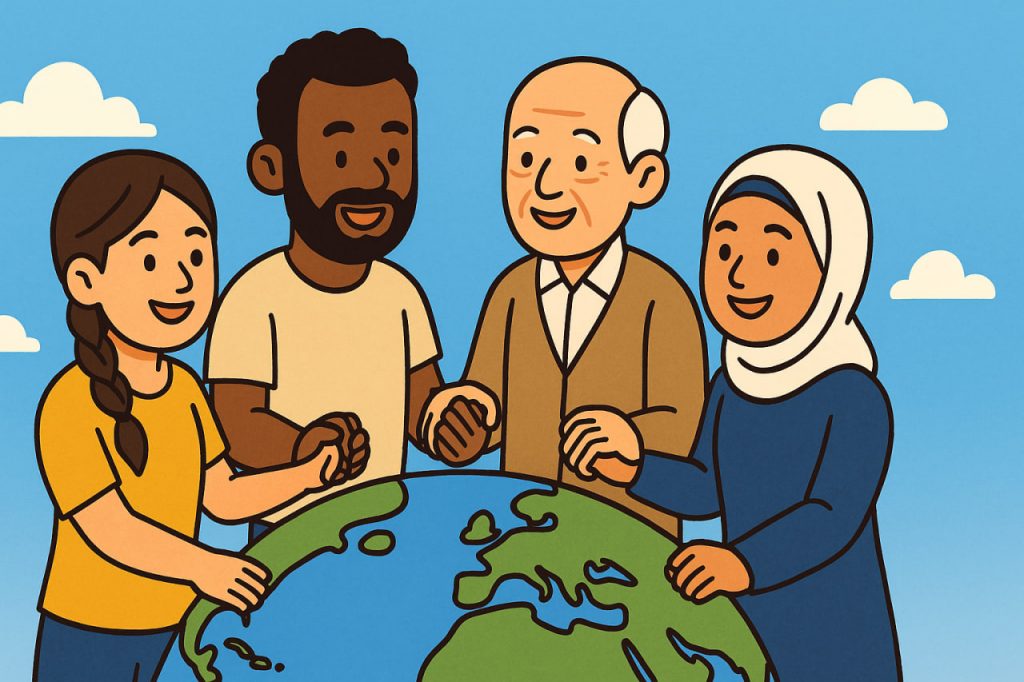
World peace may seem like a distant and global goal, but every action by individuals contributes to building a more peaceful society. Even small steps, such as choosing kindness and…
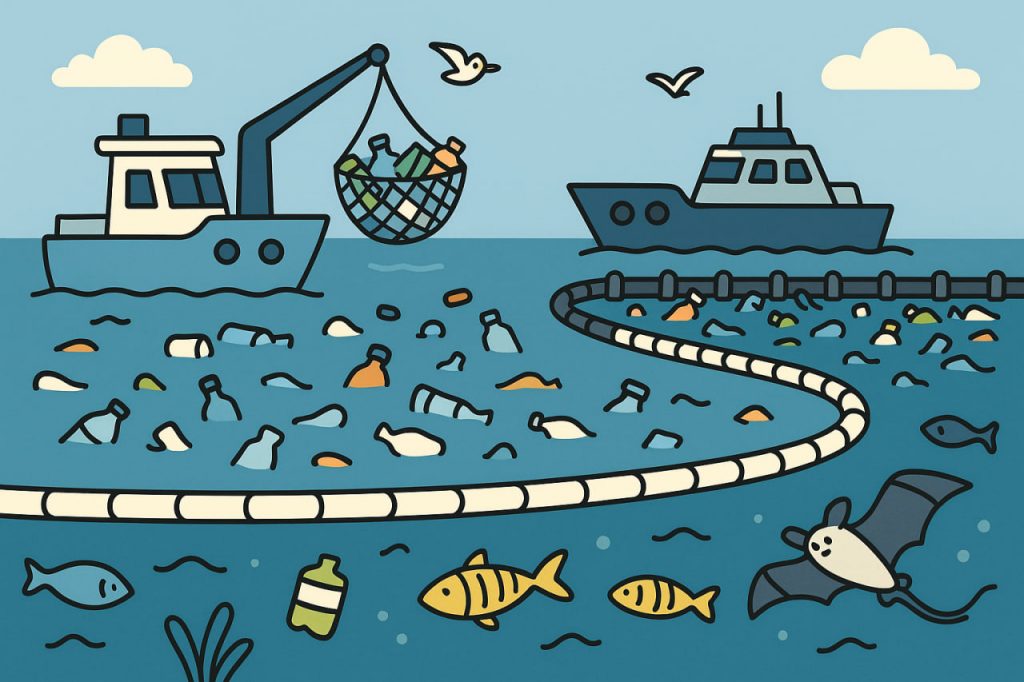
The ocean is Earth’s largest ecosystem, covering over 70% of the planet’s surface. It regulates the climate, produces oxygen, and supports countless forms of life. However, human activity has led…
The idea of recycling waste down to its atoms sounds like science fiction, but it is rooted in real principles of physics and chemistry. Atoms are the basic building blocks…
A green city is an urban area designed with sustainability, ecology, and human well-being in mind. Such cities integrate renewable energy, green spaces, eco-friendly buildings, and efficient public transport systems…
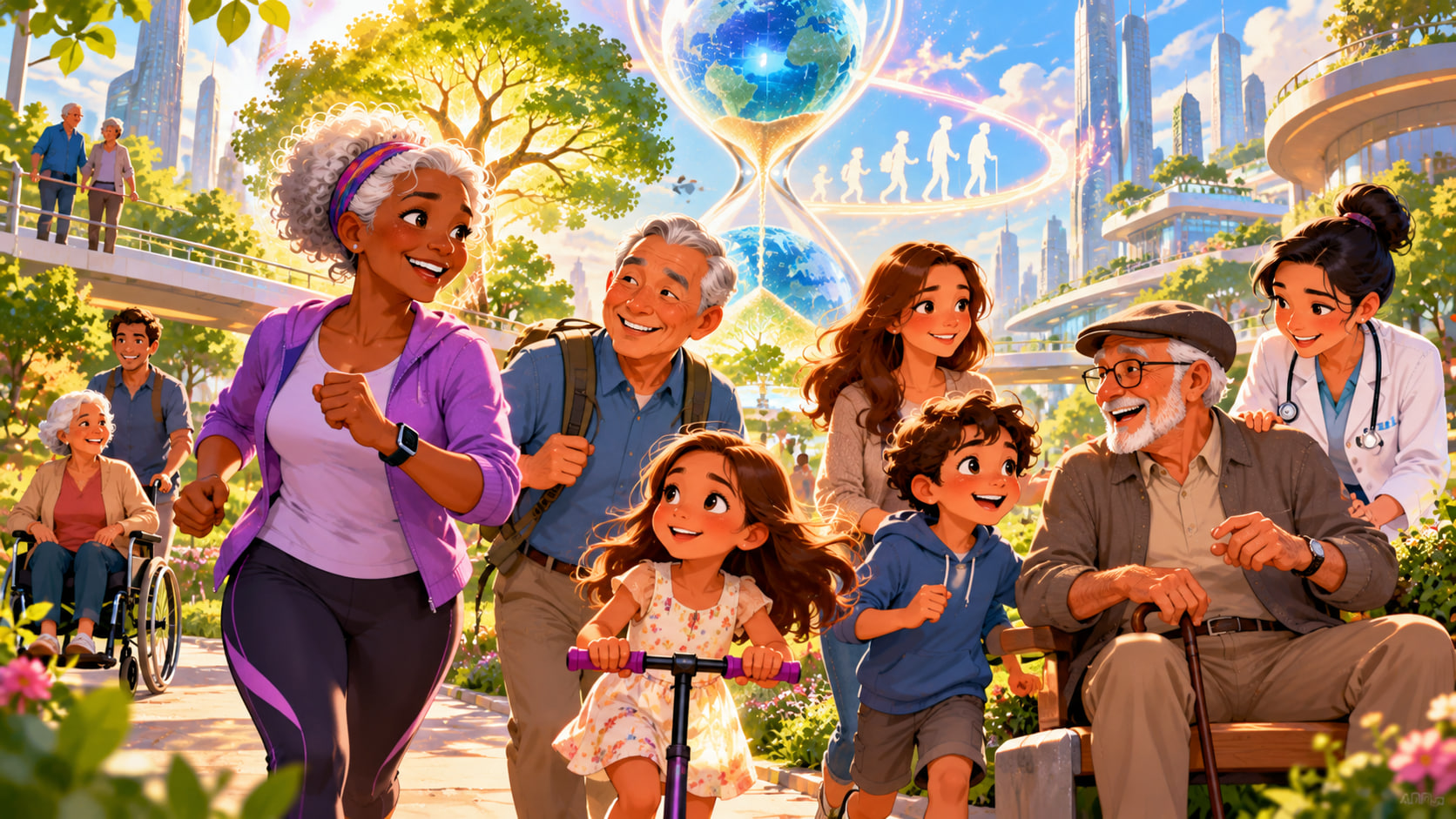
Modern parks are public spaces designed not only for recreation but also for ecological balance, health, and social interaction. Unlike traditional parks, they combine nature, architecture, and technology to meet…
Urbanization is the process by which populations move from rural areas to cities, leading to the growth of urban settlements. Over the past century, it has become one of the…
During spring and summer, leaves are green because of chlorophyll, the pigment that absorbs sunlight and helps plants make food through photosynthesis. Chlorophyll is continuously produced in warm, sunny seasons,…
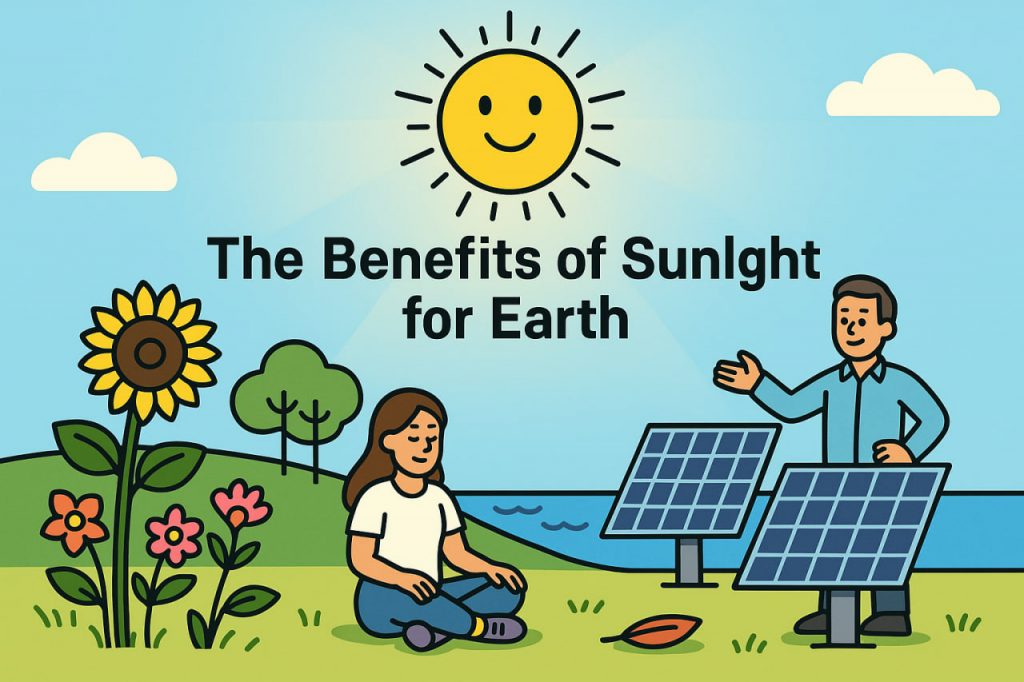
Sunlight is the primary source of energy for almost all life on Earth. Through photosynthesis, plants convert sunlight into chemical energy, forming the base of the food chain. Without solar…
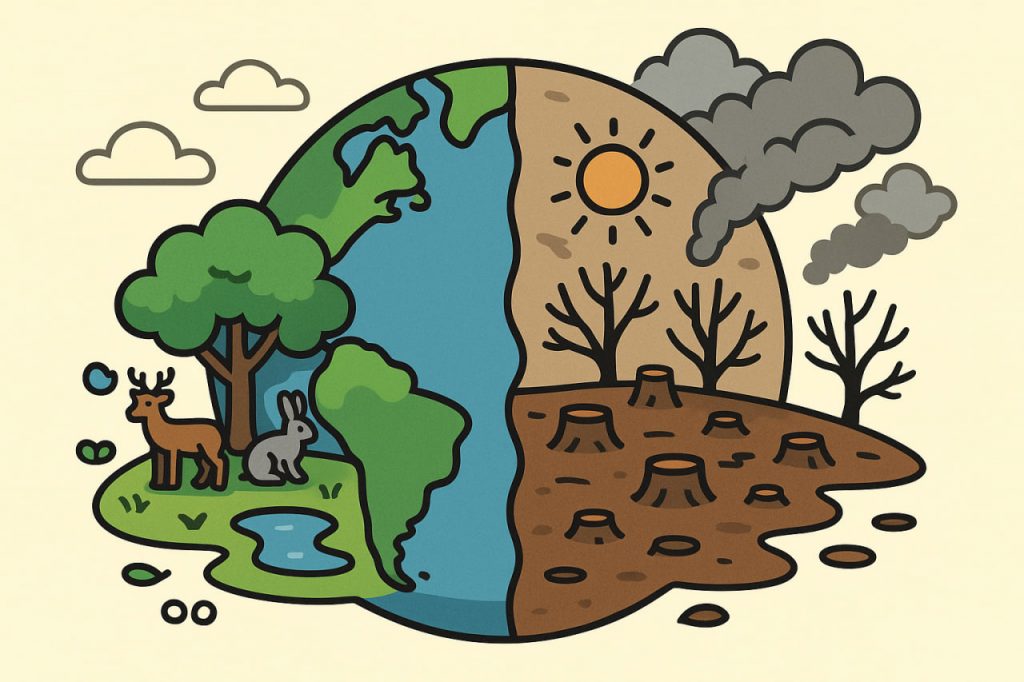
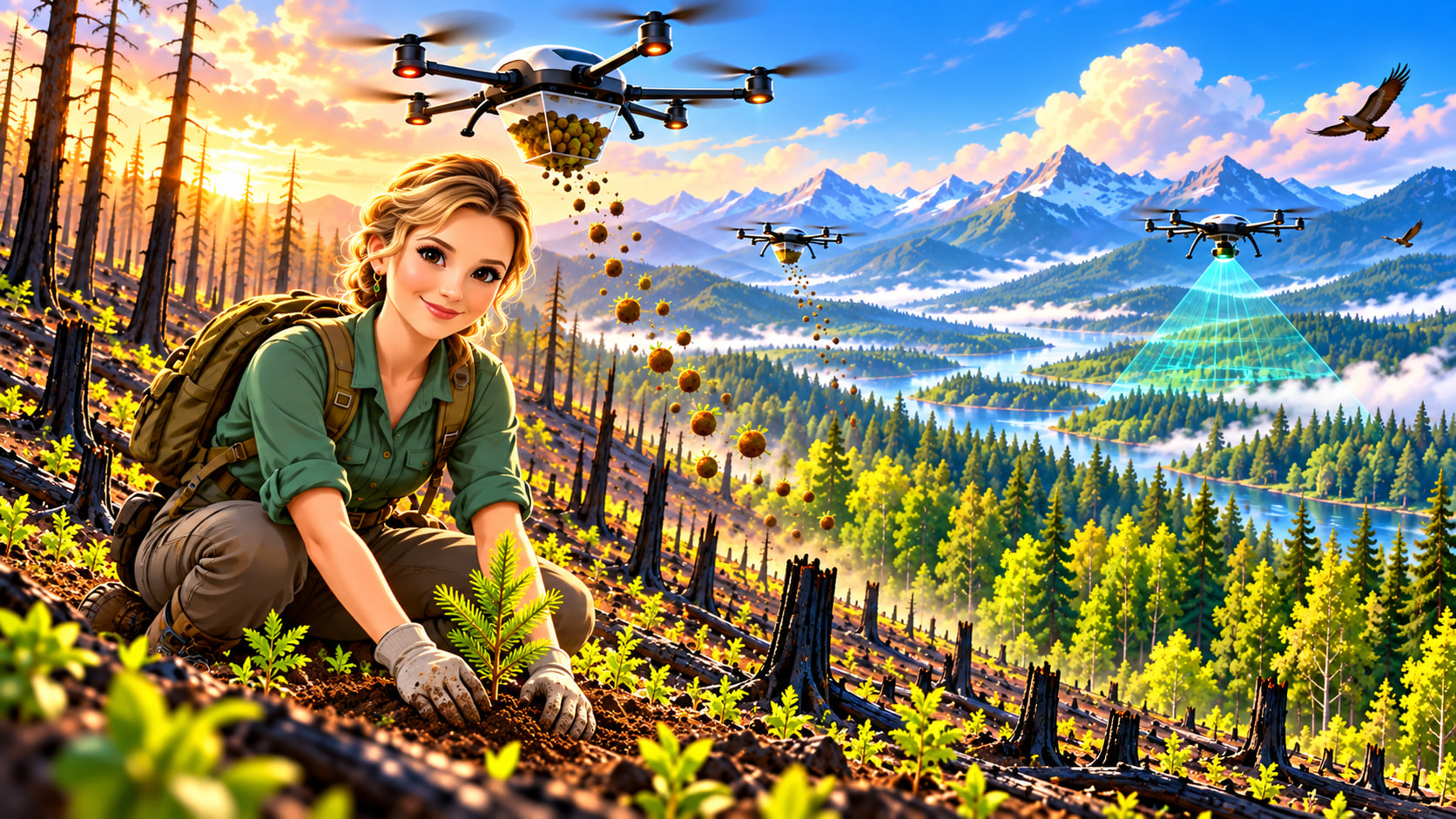
Forests play a critical role in maintaining Earth’s ecosystems. They absorb carbon dioxide and release oxygen, making them the "lungs of the planet." Without forests, the balance of gases in…