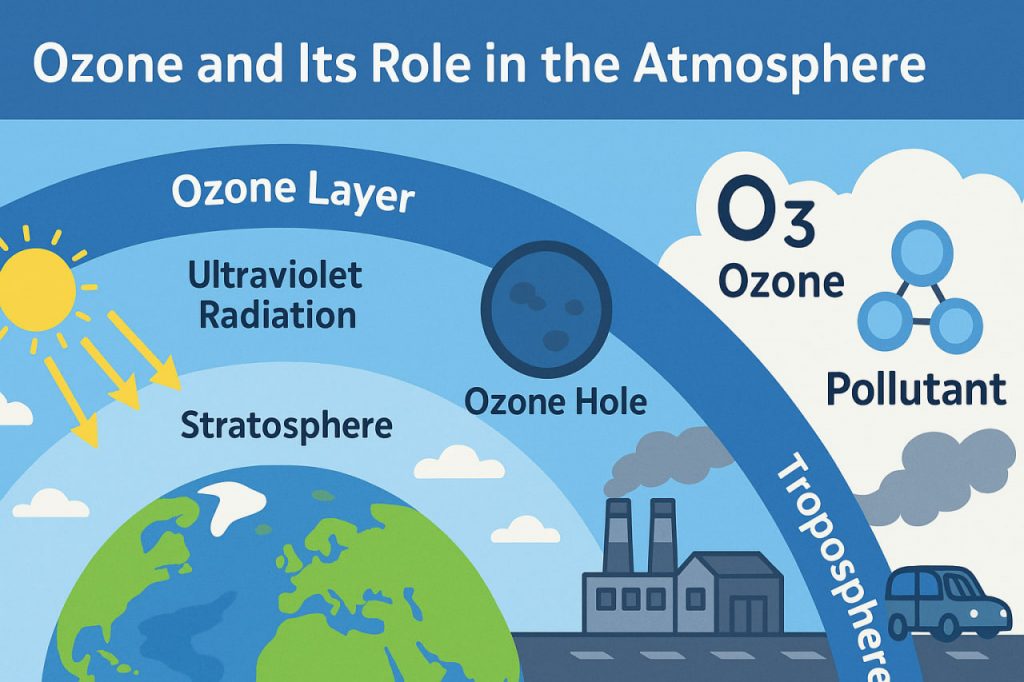
Ozone is a simple molecule made up of three oxygen atoms (O₃), yet it plays a complex and vital role in protecting life on Earth. Depending on where it is…
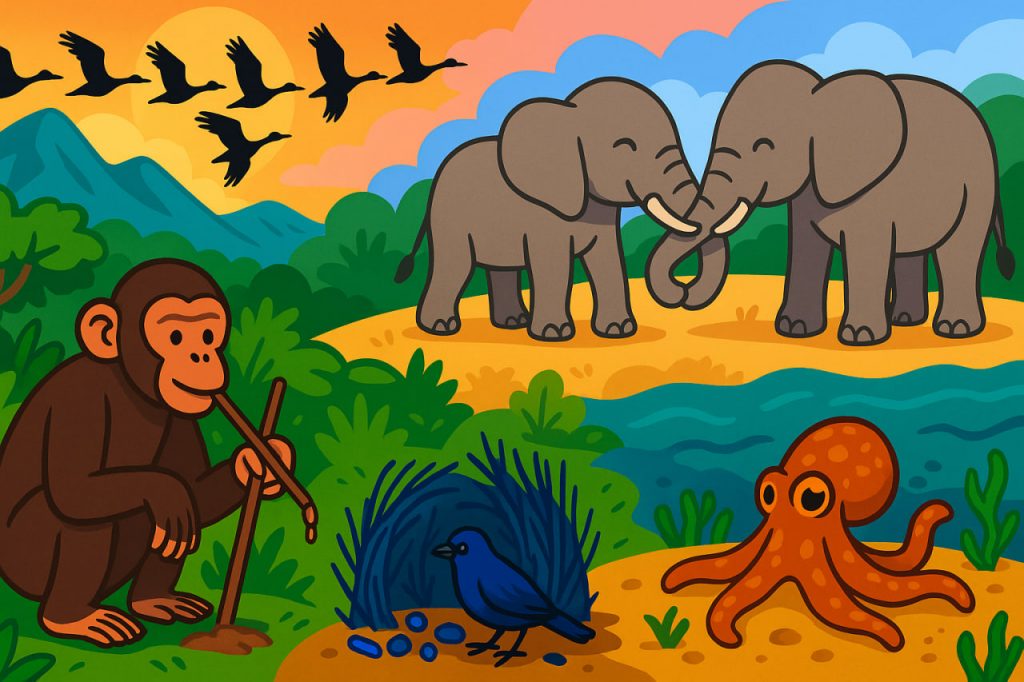
The natural world is full of mysteries, and some of the most astonishing are found in the way animals behave. Across every continent and in every ecosystem, creatures of all…
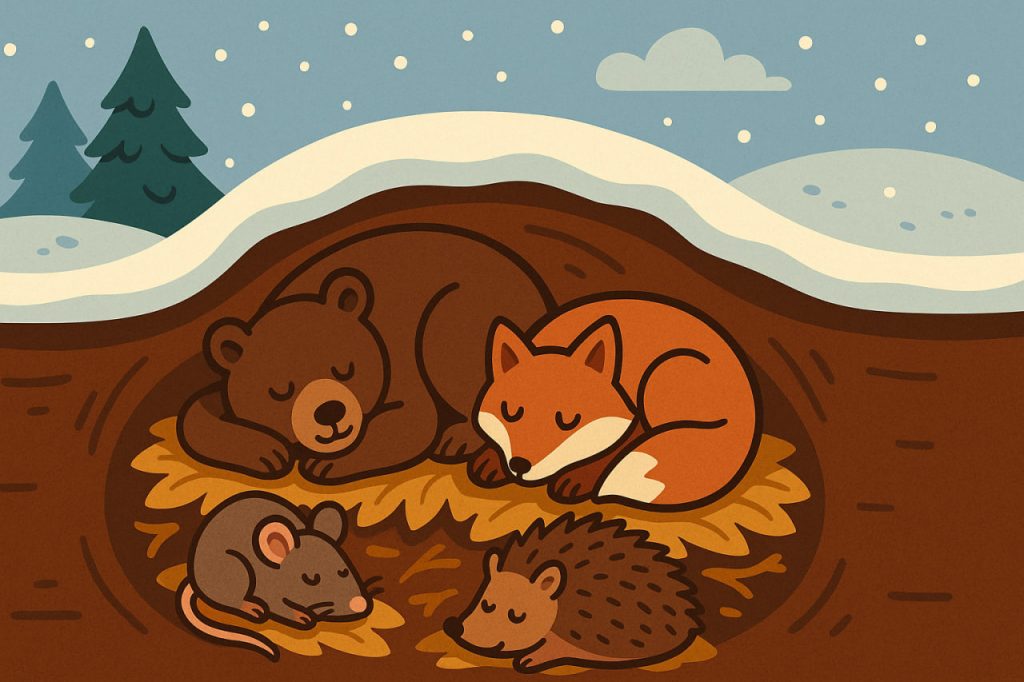
Hibernation is a fascinating survival strategy used by many animals to cope with harsh environmental conditions, particularly cold winters and food scarcity. During hibernation, animals enter a state of deep…
Thunderstorms are dramatic weather events that bring rain, wind, thunder, and lightning. They occur when warm, moist air rises quickly into cooler air in the atmosphere, creating towering cumulonimbus clouds.…
Avalanches are rapid flows of snow down a mountainside, often triggered by natural forces or human activity. While they can appear sudden and unpredictable, avalanches usually result from a combination…
Oceans cover more than 70% of the Earth’s surface and are home to the largest and most diverse ecosystems on the planet. These vast bodies of saltwater not only regulate…
Freshwater is essential for all known forms of life. It makes up only about 2.5% of all water on Earth, and just a fraction of that is accessible for human…
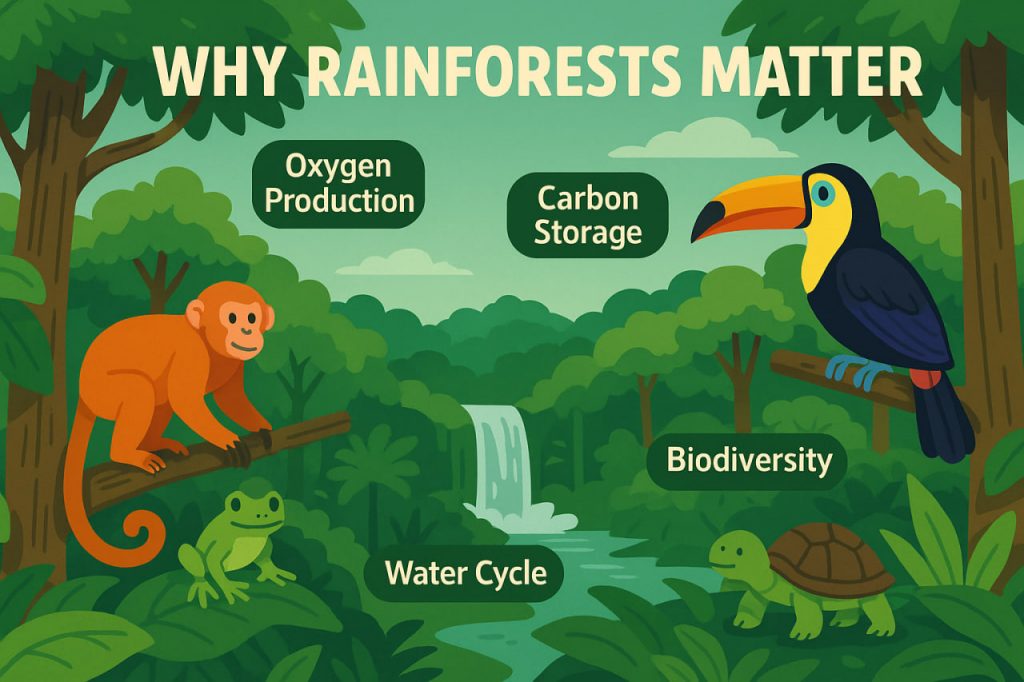
Rainforests are among the most vibrant and essential ecosystems on our planet. Although they cover only about 6% of Earth's surface, they support over half of all known species of…
Earth is home to an incredible variety of landscapes, climates, and life forms. These differences are organized into natural zones—large geographic areas with distinct climates, soil types, vegetation, and animal…
Climate is the long-term pattern of temperature, humidity, wind, and precipitation in a given region. Unlike weather, which changes daily, climate shifts slowly over decades, centuries, or even millions of…