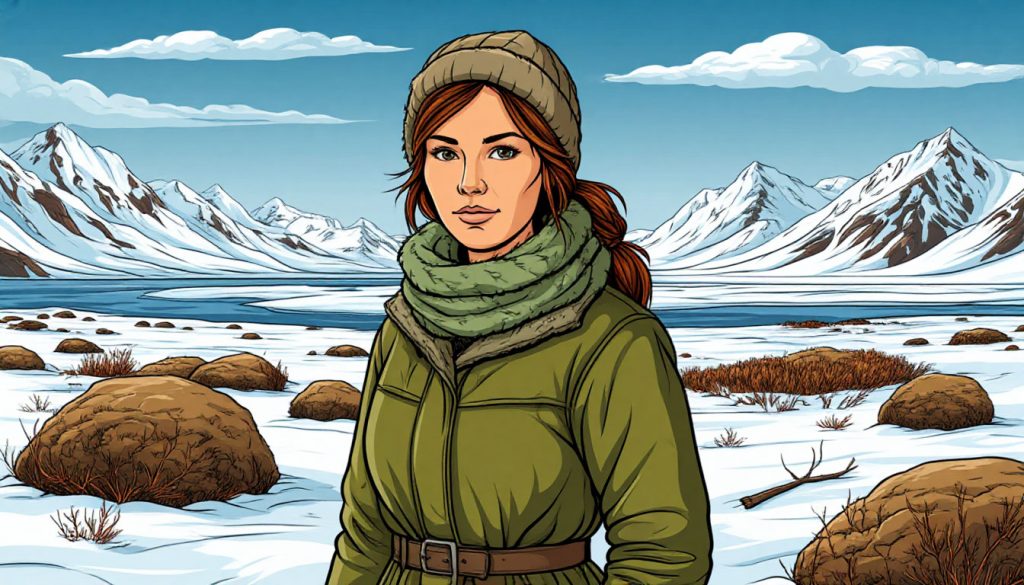
What is Tundra?

What is Tundra?

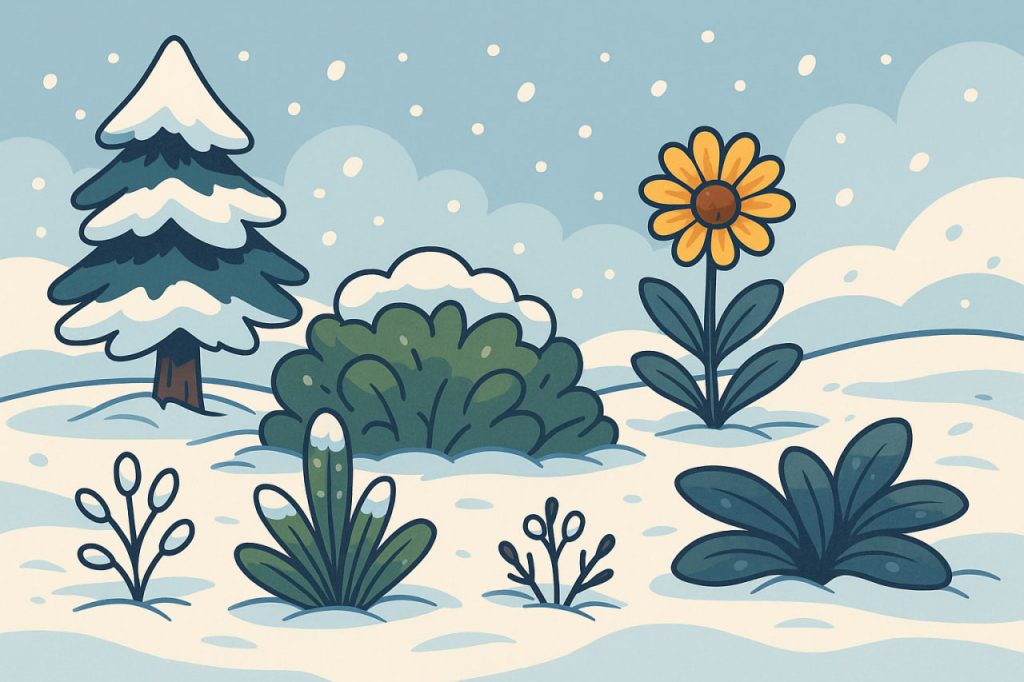
Tundra is a unique biome characterized by extreme cold, short growing seasons, and limited biodiversity. It is found mainly in the Arctic regions and at high altitudes, where temperatures remain…
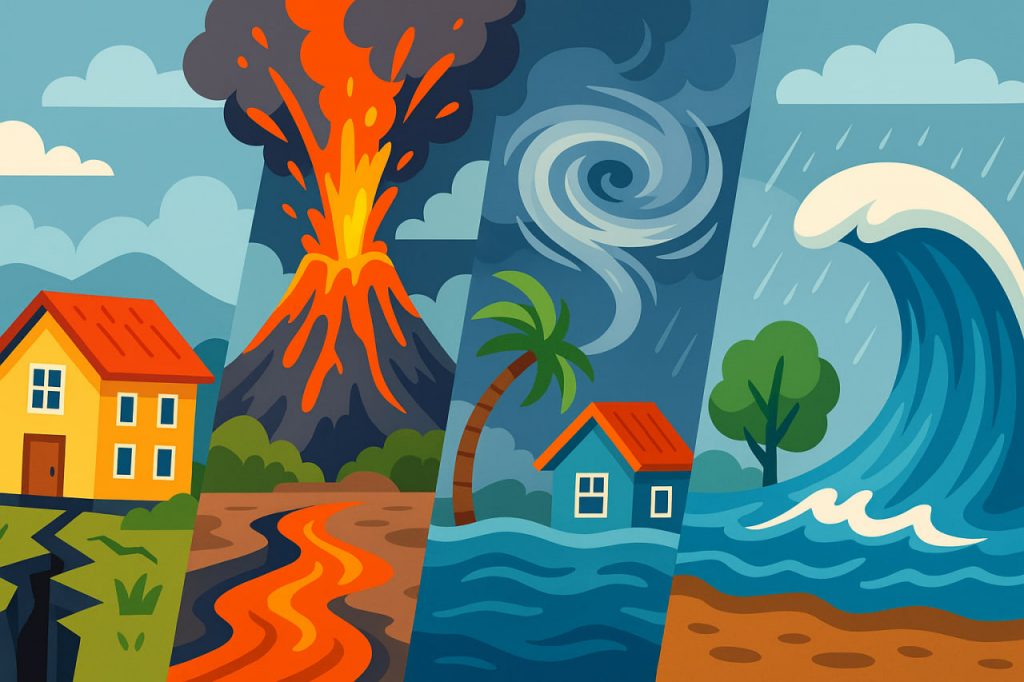
How Natural Disasters Work

How Natural Disasters Work

Natural disasters are extreme events caused by natural processes of the Earth that can result in significant damage to life, property, and the environment. They are driven by geological, meteorological,…
How Plants Adapt to Cold

How Plants Adapt to Cold

Plants grow in some of the harshest, coldest environments on Earth — from Arctic tundra to high mountain peaks. To survive, they have evolved specialized adaptations that help them withstand…
What Are Climate Refugees?

What Are Climate Refugees?

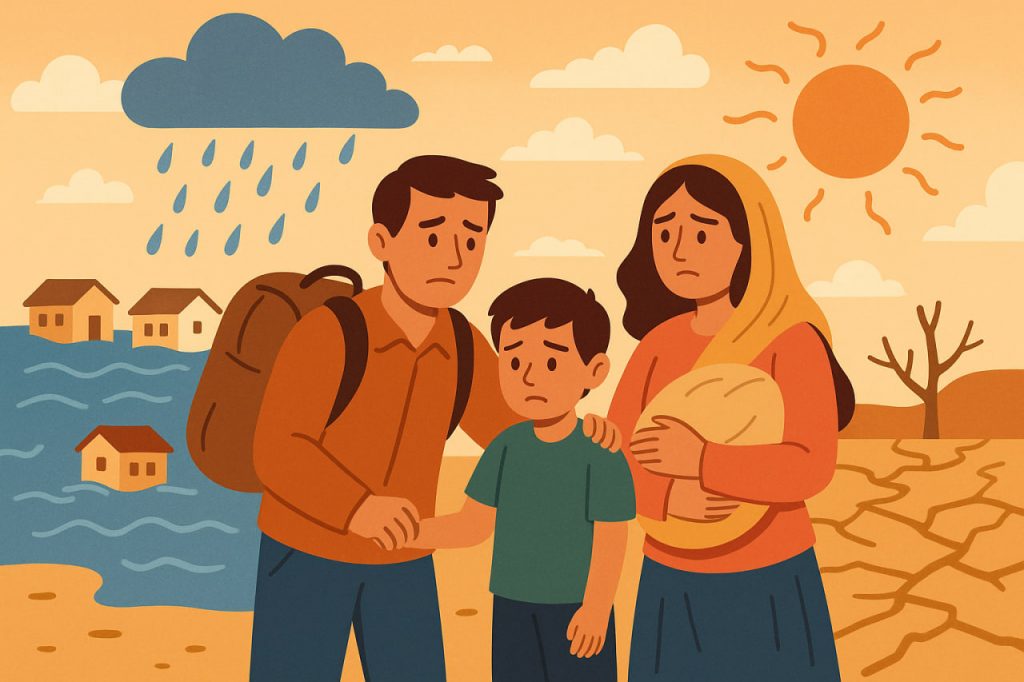
Climate refugees are people forced to leave their homes due to the effects of climate change and environmental disasters. These can include rising sea levels, extreme weather events, prolonged droughts,…
Why Amphibians Are Disappearing

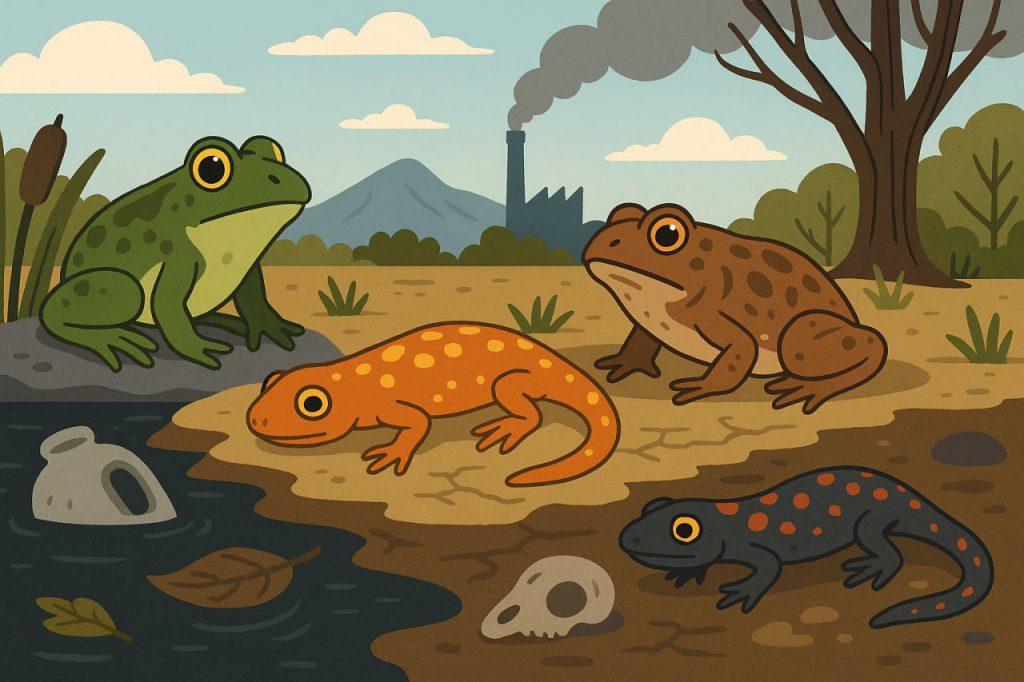
Why Amphibians Are Disappearing

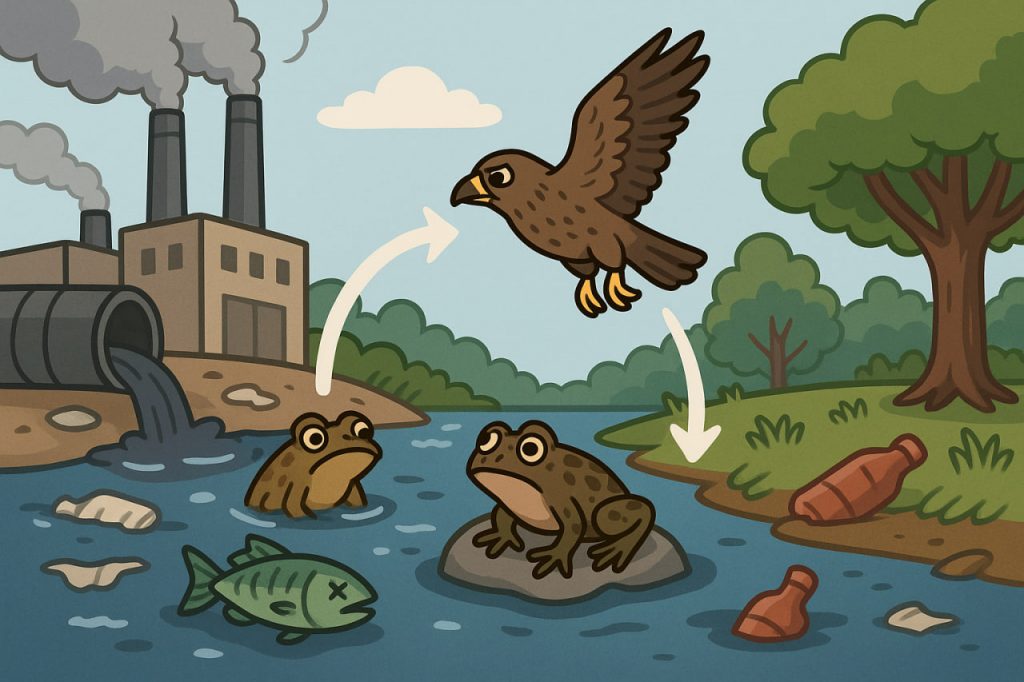
Amphibians — frogs, toads, salamanders, and caecilians — are among the most threatened groups of animals on Earth. Scientists estimate that nearly one-third of all amphibian species are at risk…
How Insects Pollinate Plants

How Insects Pollinate Plants

Pollination is the process of transferring pollen from the male part of a flower (anther) to the female part (stigma), enabling fertilization and seed production. While wind and water can…