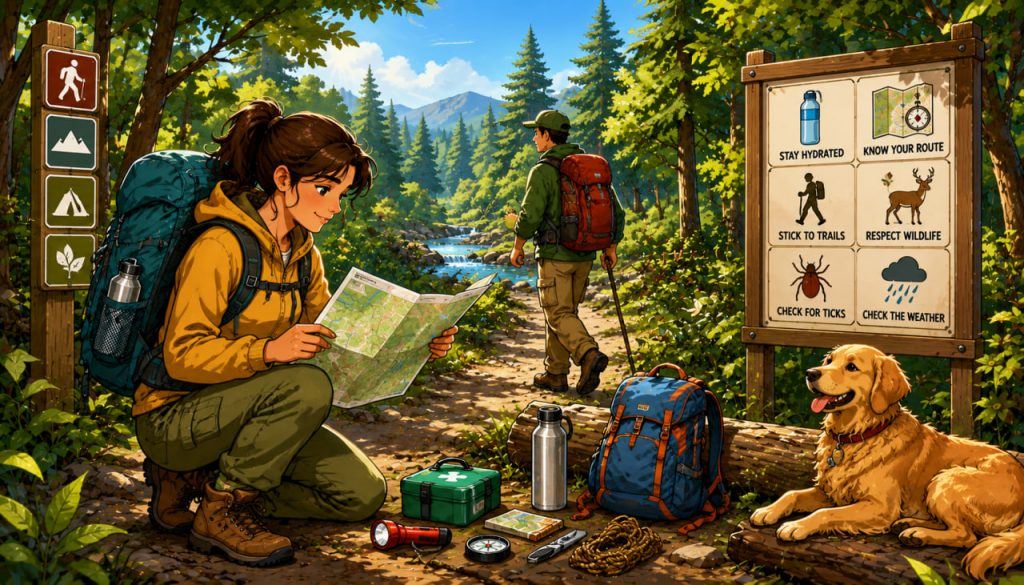
A walk through the forest can be one of the most rewarding outdoor experiences. Forests offer fresh air, beautiful scenery, opportunities to observe wildlife, and a chance to disconnect from the stress of daily life. Research has shown that spending time in natural environments can improve mood, reduce stress, and even support physical health.
However, forests are also dynamic environments with potential hazards. Getting lost, encountering wildlife, suffering from dehydration, or dealing with sudden weather changes are risks that every traveler should understand before heading into the woods.
Proper preparation can transform a simple forest walk into a safe and enjoyable adventure.
Why Forest Walks Are Good for Your Health
Spending time in forests provides benefits that go beyond simple exercise.
Walking among trees combines physical activity with exposure to natural environments. Studies have found that time spent in forests may help lower stress hormones, reduce blood pressure, and improve overall well-being.
In Japan, the practice of “forest bathing,” known as shinrin-yoku, encourages people to immerse themselves in nature through mindful observation rather than intense physical activity.
The combination of movement, fresh air, and natural surroundings makes forest walks one of the easiest ways to support both physical and mental health.
Plan Your Route Before You Leave
One of the most common mistakes inexperienced hikers make is entering a forest without proper planning.
Before leaving, it is important to:
- Study the route
- Check trail maps
- Review weather forecasts
- Estimate travel time
- Inform someone about your plans
Even familiar forests can become confusing when multiple trails intersect or visibility decreases.
Preparation is one of the most effective safety tools a traveler can have.
Wear the Right Clothing
Clothing plays a major role in outdoor safety.
Forest environments often contain uneven terrain, insects, thorny vegetation, and rapidly changing weather conditions.
Good choices include:
- Long pants
- Long-sleeved shirts
- Comfortable hiking shoes
- A hat for sun protection
- A waterproof layer if rain is possible
Light-colored clothing can also make it easier to spot ticks before they attach to the skin.
Bring Enough Water
Many people underestimate how much water they need, especially during warm weather.
Even moderate dehydration can cause:
- Fatigue
- Headaches
- Dizziness
- Reduced concentration
A short walk may require only a small water bottle, while longer hikes often demand significantly more.
Water should always be considered essential equipment rather than an optional item.
Learn Basic Navigation Skills
Modern smartphones are useful, but batteries can fail, and cellular coverage is often unreliable in remote areas.
Every traveler should understand basic navigation principles.
Helpful tools include:
- Paper maps
- Compasses
- Offline GPS applications
Knowing how to identify landmarks and follow trail markers can prevent many situations in which people become lost.
Understand Wildlife Safety
Most wild animals prefer to avoid humans. Nevertheless, travelers should know how to behave around wildlife.
General recommendations include:
- Observe animals from a distance
- Never feed wildlife
- Store food securely
- Avoid approaching young animals
Many injuries occur when people attempt to interact with wildlife rather than simply observing it.
If you encounter a large animal, remaining calm is usually safer than running.
Protect Yourself From Ticks and Insects
Ticks are among the most common health concerns in forests throughout many regions of the world.
These small arachnids can carry diseases such as Lyme disease and tick-borne encephalitis.
To reduce risk:
- Stay on established trails
- Avoid walking through tall grass
- Use insect repellent
- Check clothing regularly
- Perform a full body inspection after returning home
Prompt tick removal significantly reduces the likelihood of disease transmission.
Be Prepared for Weather Changes
Forest weather can change surprisingly quickly.
A sunny morning may turn into heavy rain, strong winds, or rapidly falling temperatures within a few hours.
Before entering the forest:
- Check forecasts
- Carry a waterproof jacket
- Pack an extra layer if temperatures may drop
Unexpected weather is one of the most common causes of outdoor discomfort and emergency situations.
Carry Essential Safety Equipment
Even for short walks, a few basic items can greatly improve safety.
Recommended equipment includes:
- Water
- Snacks
- A flashlight
- A fully charged phone
- A small first-aid kit
- A map or GPS device
For longer trips, an emergency blanket and whistle may also be valuable additions.
Many outdoor experts recommend carrying more supplies than you think you will need.
Know What to Do If You Get Lost
Getting lost is one of the most common forest emergencies.
If it happens:
- Stop moving immediately.
- Stay calm.
- Try to determine your location using maps or landmarks.
- Avoid wandering randomly.
- Use a phone or emergency signaling device if available.
Search and rescue specialists often emphasize that people who remain calm and stay in one location are usually found more quickly than those who continue moving without a plan.
Respect the Forest Environment
Responsible travelers help preserve forests for future visitors.
Simple principles include:
- Stay on marked trails
- Take all trash home
- Avoid damaging plants
- Respect wildlife habitats
- Follow local regulations
Protecting natural environments ensures that future generations can enjoy the same experiences.
Conclusion
Forest walks offer an excellent opportunity to improve health, enjoy nature, and escape everyday stress. However, successful outdoor adventures depend on preparation and awareness. Proper clothing, adequate water, navigation skills, wildlife knowledge, and respect for changing weather conditions can significantly improve safety.
By approaching the forest with preparation and respect, travelers can enjoy one of the most enriching experiences nature has to offer.
Interesting Facts
- Trees release compounds called phytoncides that may help reduce stress and support immune function.
- Forests cover approximately one-third of Earth’s land surface.
- Spending time in nature has been linked to lower levels of the stress hormone cortisol.
- Many search-and-rescue operations begin because hikers underestimate travel time.
- Tick populations are expanding in some regions as climates become warmer.
- Some forest ecosystems can be hundreds or even thousands of years old.
Glossary
- Forest Bathing (Shinrin-yoku) — A practice of immersing oneself in a forest environment to promote relaxation and well-being.
- Tick-Borne Encephalitis — A viral disease transmitted through tick bites that can affect the nervous system.
- Lyme Disease — A bacterial infection spread by certain tick species.
- Phytoncides — Natural compounds released by trees and plants that help protect them from insects and disease.
- Navigation — The process of determining and maintaining direction while traveling.