Few cosmic events capture the imagination like the idea of a tiny object traveling at a velocity close to the speed of light and colliding with our planet. At first…
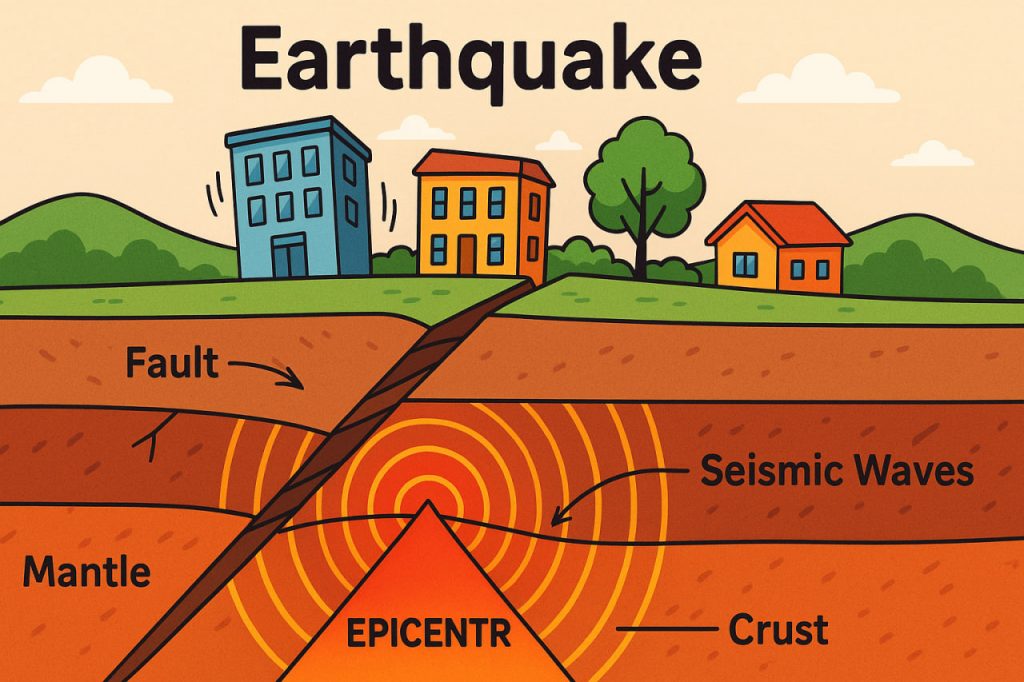
Earthquakes are among the most powerful and unpredictable natural phenomena on our planet. They are caused by the sudden release of energy accumulated in Earth’s crust, resulting in seismic waves…
Throughout Earth’s history, our planet has endured countless natural disasters — some predictable, others striking with terrifying suddenness. Modern climate change has made these events more frequent and intense, yet…
Imagine waking up one morning to find that every electronic device — your phone, computer, car, and even the power grid — has suddenly stopped working. Planes can’t fly, satellites…
Around 12,900 years ago, the Earth suddenly plunged back into near-glacial conditions after a long period of warming — an event known as the Younger Dryas. Lasting for over a…
A volcanic winter is one of the most dramatic natural disasters that could affect life on Earth. Unlike a nuclear winter caused by war, a volcanic winter occurs when an…
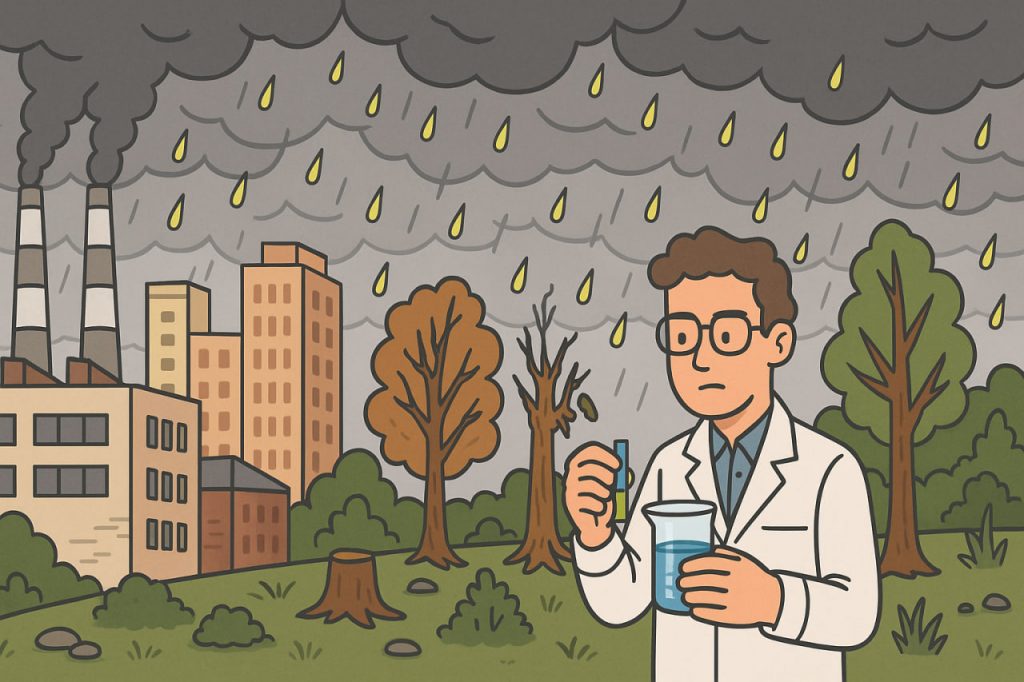
Acid rain is one of the most harmful forms of atmospheric pollution. It occurs when sulfur dioxide (SO₂) and nitrogen oxides (NOₓ) emitted into the air react with water vapor,…
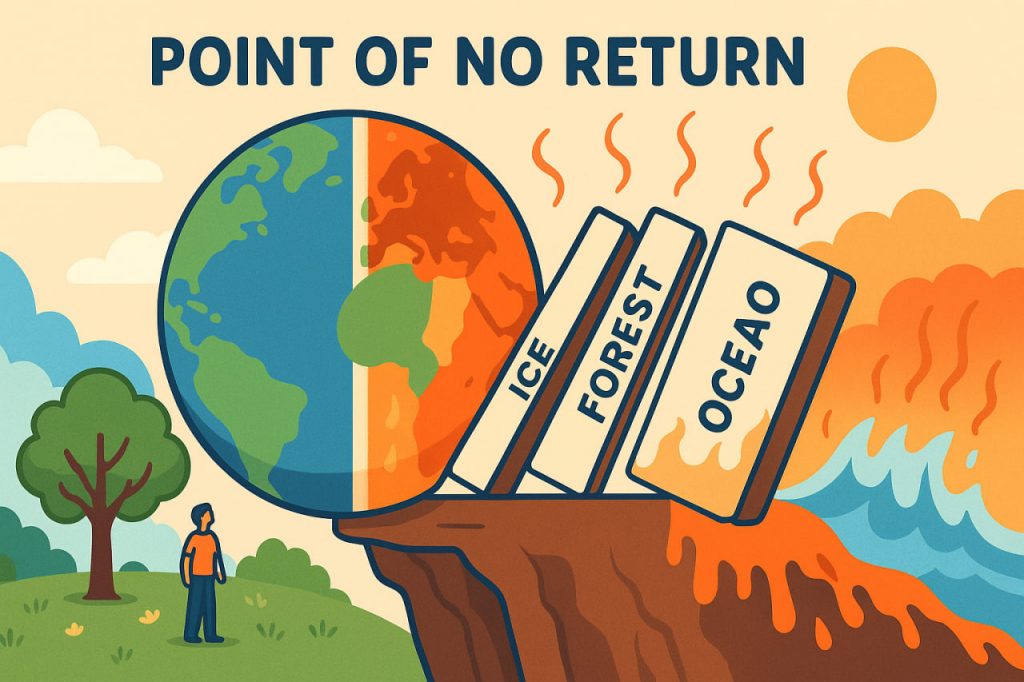
The term “point of no return” in climate science refers to a critical threshold beyond which environmental changes become self-sustaining and irreversible. Once crossed, these processes continue to accelerate, even…
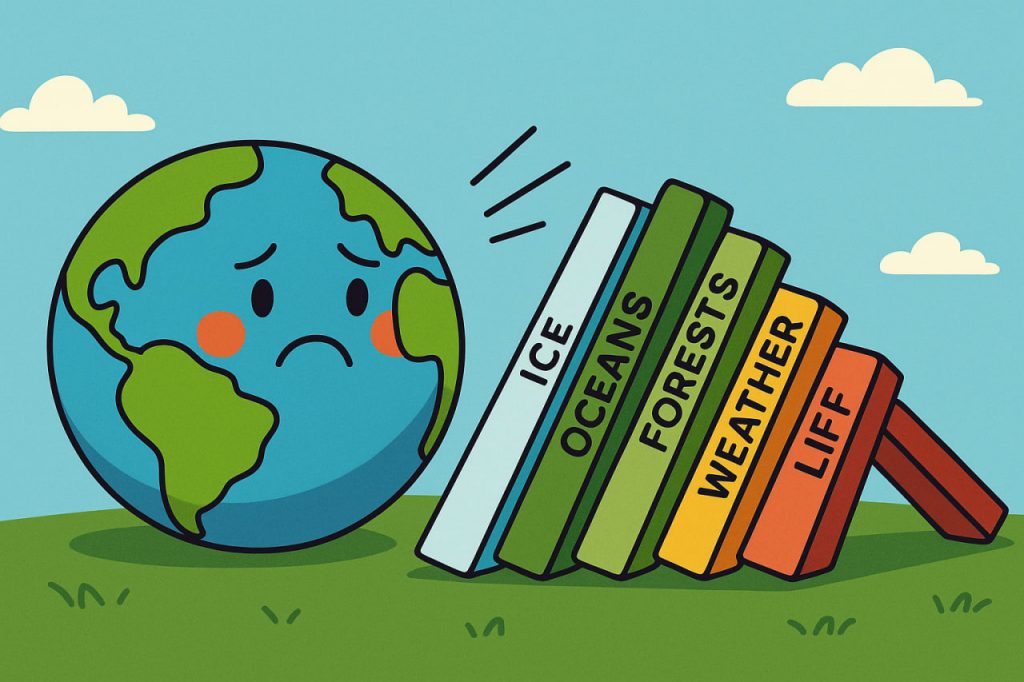
The climate system of our planet functions like a complex web — every part, from the oceans to the atmosphere, is connected. When one element begins to collapse, it can…
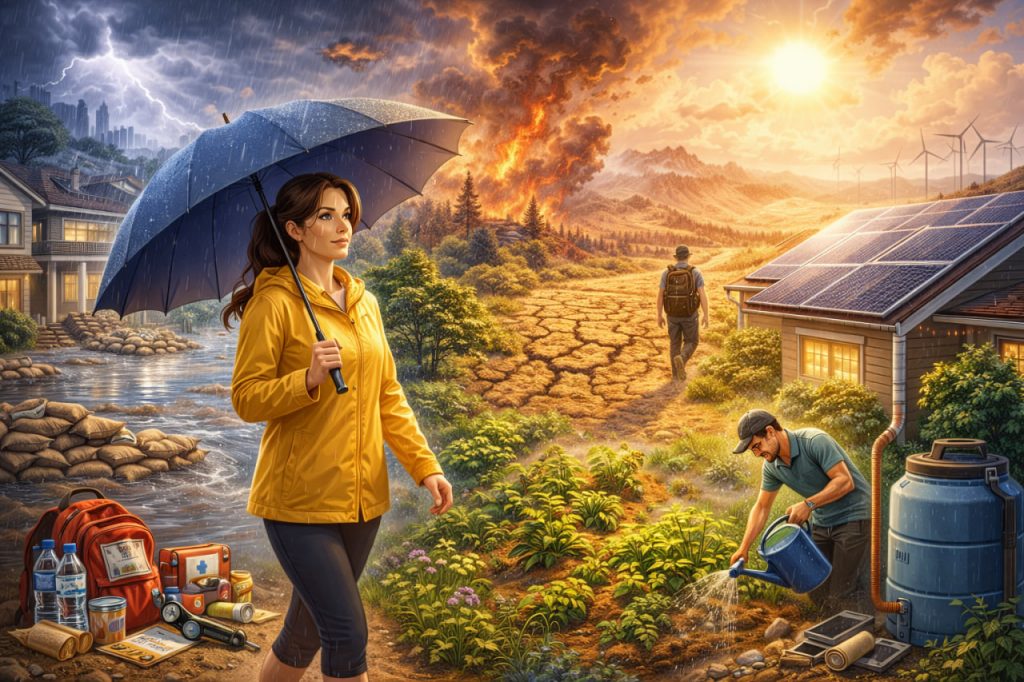
In an era defined by rising global temperatures, extreme weather events, and environmental instability, adapting to the realities of climate change is no longer a distant concern — it is…