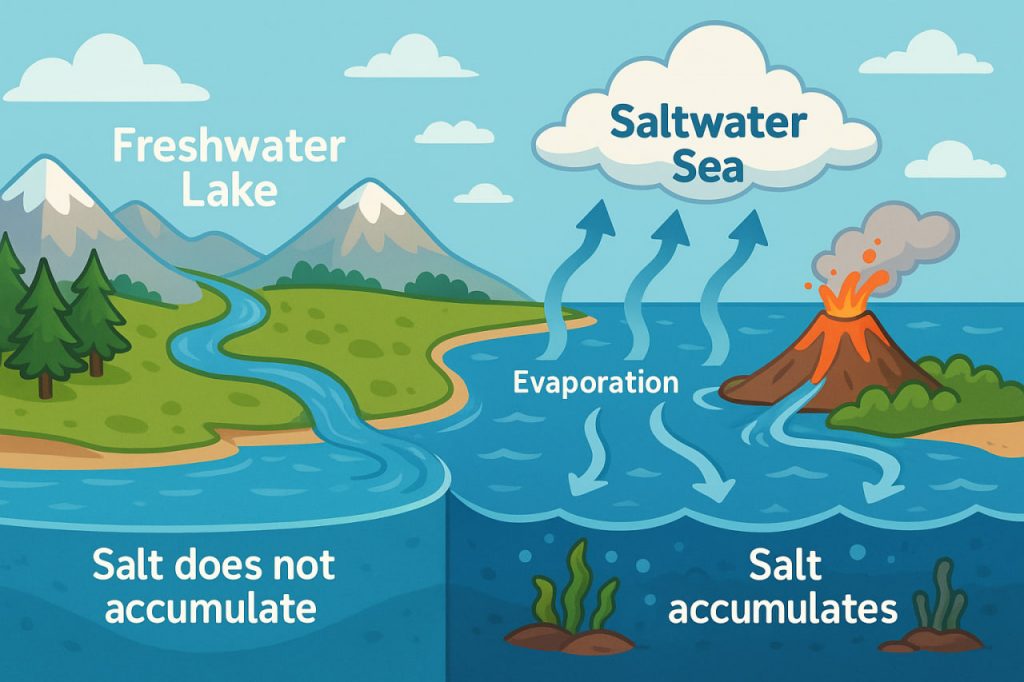
The salty taste of seawater is one of the most recognizable features of our oceans. While freshwater rivers flow constantly into the sea, carrying dissolved minerals, the oceans remain salty…
Extremophiles are organisms that thrive in environments once thought too harsh to support life. The name comes from Latin: extremus (extreme) and Greek philos (lover), meaning “lovers of extremes.” These…
Indian summer is a short period of warm, sunny weather that occurs in early autumn, usually after the first noticeable cooling. It is a transitional time between summer and fall,…
Trees are some of the most enduring organisms on Earth, capable of living for thousands of years. They survive extreme climates, natural disasters, and human history, becoming living witnesses of…
Nature is full of extraordinary plants that defy common expectations with their appearance, survival strategies, or behavior. Some of these species look like they came from another planet, while others…
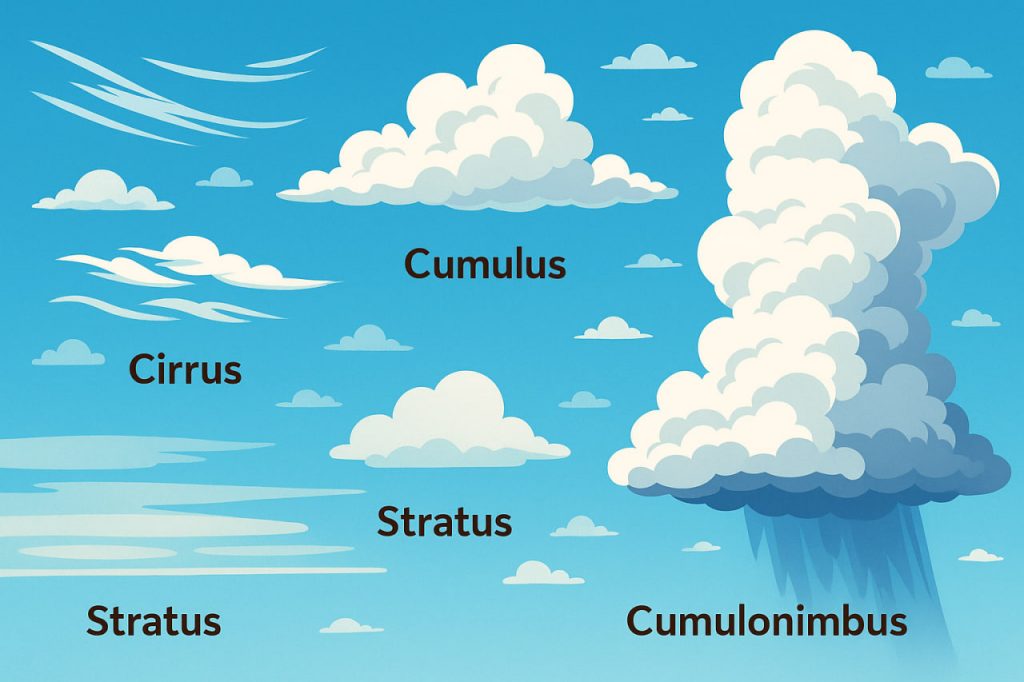
Clouds are among the most fascinating features of the sky, forming endless shapes, colors, and patterns. Their diversity comes from differences in altitude, temperature, humidity, and air movement. By studying…
The Dead Sea, located between Israel, Jordan, and Palestine, holds the title of the saltiest large sea on Earth. Its salinity is around 30–35%, which is nearly 10 times saltier…
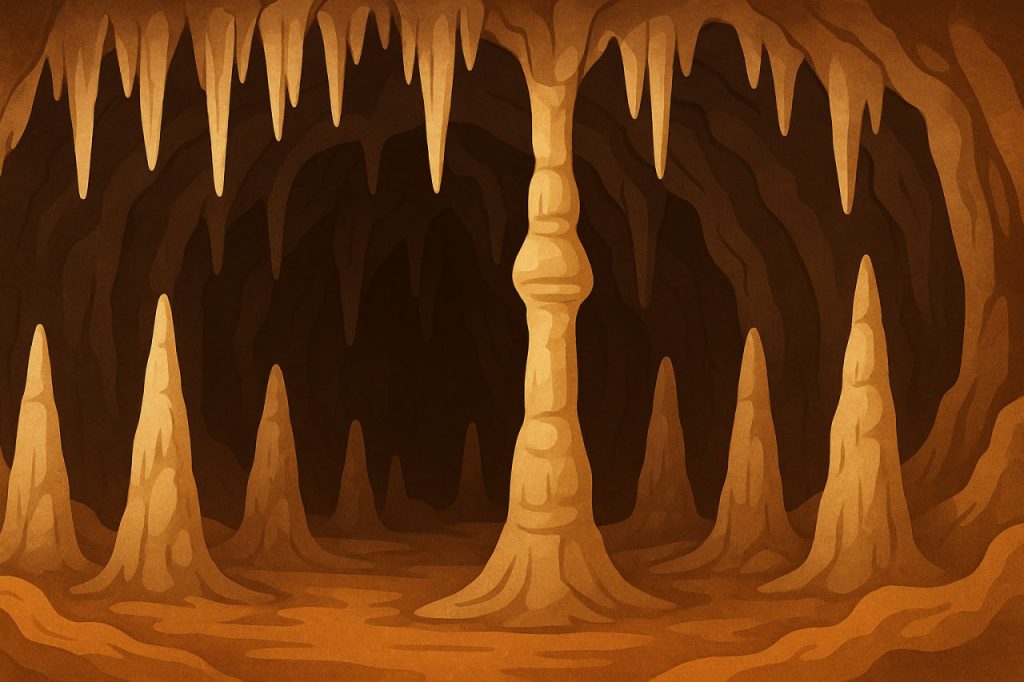
Inside caves, nature slowly creates stunning formations called stalactites and stalagmites. These mineral structures grow over thousands of years through the steady dripping of mineral-rich water. Their beauty makes caves…
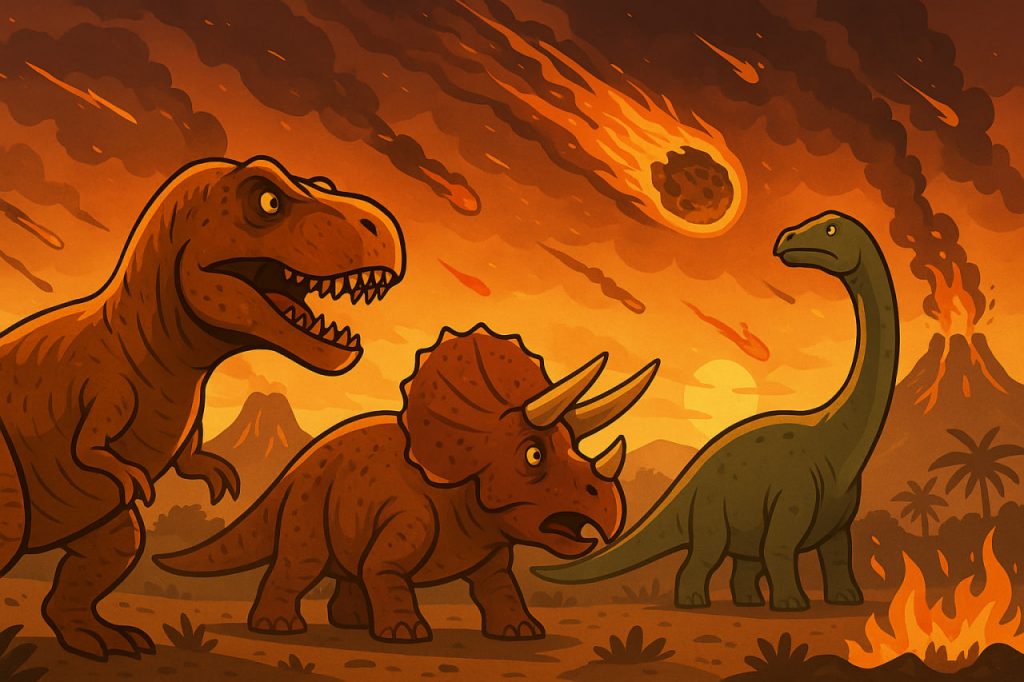
Dinosaurs dominated Earth for more than 160 million years, but around 66 million years ago, they suddenly disappeared in one of the most dramatic mass extinctions in history. Scientists believe…
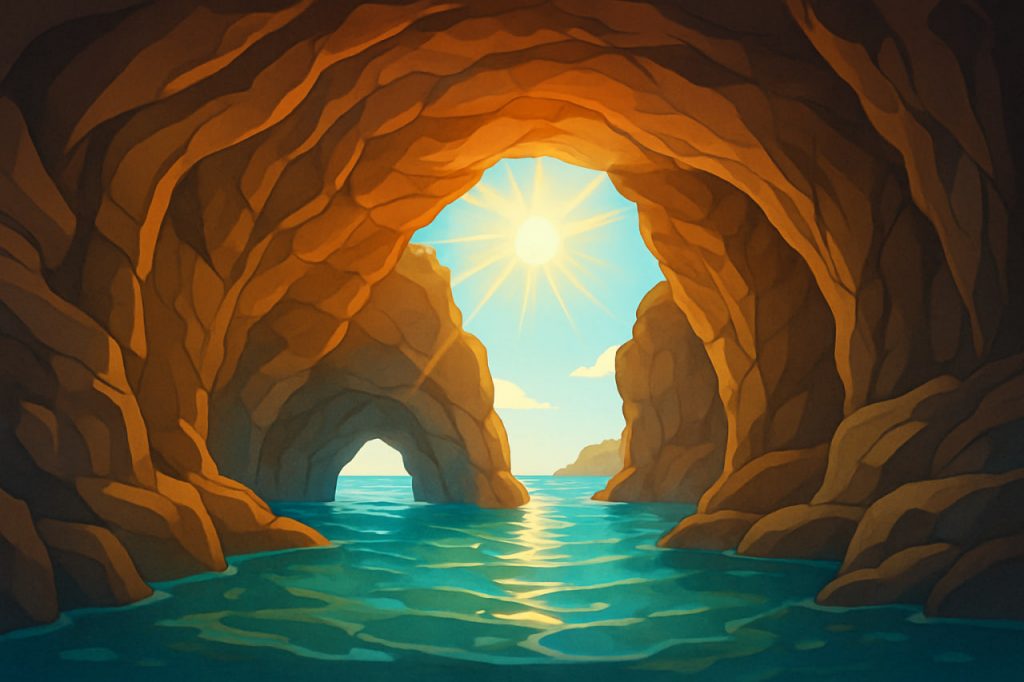
A grotto is a small cave or cavern, often with a picturesque or decorative appearance. Unlike large cave systems that may extend deep underground, grottos are usually shallow and closer…