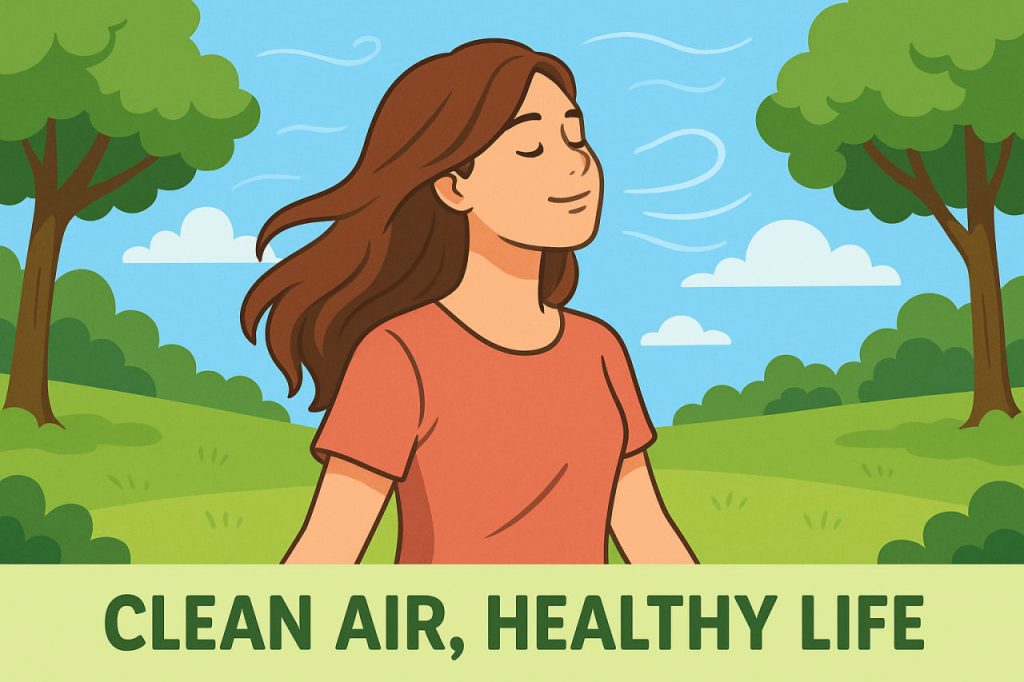
Clean air is one of the most fundamental requirements for human life, yet many people overlook how deeply it influences health and longevity. We breathe over 20,000 times a day, and with every breath, our lungs absorb oxygen along with any particles present in the air. When the air is clean, it energizes our body, supports organ function, and strengthens immunity. When polluted, it exposes us to harmful chemicals and particles that can silently damage cells, accelerate aging, and weaken the respiratory and cardiovascular systems. Understanding the importance of clean air is not only a matter of environmental awareness but also one of personal well-being and public health.
The Health Benefits of Clean Air
Clean air plays a critical role in supporting the body’s overall health. It promotes efficient lung function, allowing oxygen to enter the bloodstream and fuel vital processes throughout the body. This natural oxygen supply helps keep the heart strong, improves cognitive function, and enhances the body’s ability to repair cells. In fresh air environments, people often experience better sleep quality, improved mood, and heightened immune response. According to environmental health expert Dr. Anna Wilcox, “Clean air is the foundation of long-term wellness. Even small improvements in air quality can lead to noticeable increases in energy, focus, and respiratory comfort.” Consistent access to clean air is therefore essential for maintaining physical and mental vitality across a lifetime.
How Air Pollution Affects the Body
Air pollution consists of harmful particles and gases that enter the respiratory system and travel deep into the lungs. Over time, these pollutants can cause inflammation, oxidative stress, and cellular damage. Long-term exposure is associated with increased risks of respiratory illnesses, heart disease, cognitive decline, and weakened immunity. Pollutants such as fine particulate matter (PM2.5), ozone, and nitrogen dioxide can even enter the bloodstream, affecting organs beyond the lungs. Pulmonologist Dr. Michael Grant notes, “Even if you don’t feel symptoms right away, polluted air can shorten lifespan and contribute to chronic diseases by silently damaging tissues.” Protecting yourself from pollution is not only preventive—it is essential for long-term health.
Sources of Indoor and Outdoor Pollution
Polluted air doesn’t only come from factories and vehicles—indoor air can also contain harmful contaminants. Outdoor pollution sources include car exhaust, industrial emissions, construction dust, and wildfire smoke. Indoors, pollutants may arise from cooking smoke, cleaning chemicals, mold, household dust, and synthetic materials. Poor ventilation increases the concentration of airborne irritants in enclosed spaces. Even urban homes and offices may host invisible contaminants. These combined threats highlight the importance of clean air both inside and outside living environments. Regular ventilation, eco-friendly cleaning solutions, and indoor plants can help improve air quality at home and work.
Why Clean Air Matters for Future Generations
Children, older adults, and individuals with respiratory conditions are particularly vulnerable to polluted air. Developing lungs are more sensitive to toxins, and early exposure can lead to lifelong respiratory challenges. Clean air ensures healthy childhood development, reduces healthcare burdens, and improves quality of life across populations. Communities with access to clean air experience fewer cases of respiratory and heart diseases, better academic performance in children, and higher life expectancy. By advocating for clean air policies and practicing habits that minimize pollution, society invests in a stronger, healthier future.
Personal Steps Toward Cleaner Air
While large-scale air quality improvements depend on environmental policy and technological innovation, individuals can take meaningful steps to protect themselves. Walking or cycling instead of driving, maintaining clean indoor environments, improving ventilation, and reducing chemical use at home all contribute to better air quality. Using air purifiers, avoiding smoking, and spending time in natural environments also support respiratory health. Though individuals cannot control all pollution sources, every effort—small or large—helps protect both personal and community well-being.
Interesting Facts
- The average person breathes around 11,000 liters of air per day.
- Indoor air can be 2 to 5 times more polluted than outdoor air in some homes.
- Trees and plants naturally filter air by absorbing pollutants and releasing oxygen.
- Short-term exposure to polluted air can impair focus and increase headaches.
- Clean air is linked to longer life expectancy and lower rates of chronic disease.
Glossary
- Particulate matter (PM2.5) — Tiny air particles that can enter the lungs and bloodstream.
- Oxidative stress — Cell damage caused by an imbalance between free radicals and antioxidants.
- Ventilation — The process of circulating fresh air to reduce pollutants indoors.
- Pulmonologist — A doctor specializing in lung and respiratory system health.
- Inflammation — The body’s response to harmful stimuli, which can damage tissues over time.