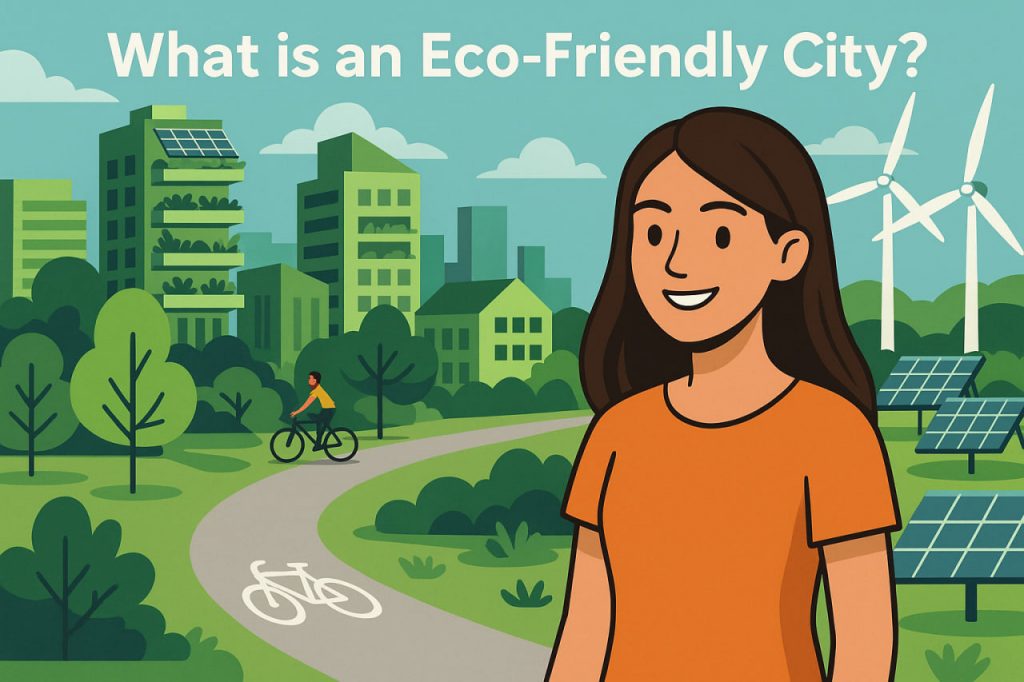
As global urban populations continue to grow, the concept of the eco-friendly city has become one of the most important directions in modern urban planning. Eco-friendly cities aim to reduce environmental impact while improving the quality of life for residents by combining sustainable architecture, efficient transportation, clean energy, and smart waste management. These cities prioritize the balance between human activity and the natural world, integrating green spaces, renewable technologies, and forward-thinking policies. An eco-friendly city is not just visually appealing — it is designed to function efficiently, protect natural resources, support public health, and adapt to climate challenges. Understanding what makes a city environmentally responsible helps communities and governments make better choices for a sustainable future.
Core Principles of Eco-Friendly Urban Design
Eco-friendly cities rely on several key principles that define their structure and functioning. The first is energy efficiency, where buildings are constructed or renovated to reduce heat loss, use natural lighting, and incorporate advanced insulation. The second is renewable energy, including solar panels, wind turbines, geothermal heating, and district-level clean power systems. Sustainable cities also encourage efficient transportation, offering public transit, bike lanes, pedestrian-friendly streets, and reduced dependence on personal cars. Urban ecologist Dr. Marina Feldman emphasizes:
“A truly eco-friendly city is not built around cars —
it is built around people, green systems, and long-term resilience.”
These principles work together to reduce emissions and create healthier living environments.
Green Infrastructure and Nature Within Cities
Green infrastructure is one of the defining features of sustainable cities. This includes parks, green roofs, tree-lined streets, vertical gardens, and restored riverbanks that support biodiversity and improve residents’ well-being. These natural systems help regulate urban temperatures, absorb stormwater, filter pollutants, and provide habitats for birds and insects. Cities that embrace green infrastructure often experience cooler summers, reduced flooding, and increased recreational opportunities. Vegetation also improves mental health by offering peaceful spaces amidst dense urban life. Integrating nature into the city is not decoration — it is a functional part of the ecosystem.
Sustainable Transportation and Mobility Solutions
Transportation is a major source of urban pollution, and eco-friendly cities focus on reducing emissions by rethinking mobility. They invest heavily in public transportation, electric buses, metro systems, and trams to provide fast and affordable alternatives to cars. Many cities build extensive networks of cycling paths and pedestrian-only zones to encourage walking and biking. Car-sharing programs, electric charging stations, and low-emission zones help shift mobility toward cleaner options. These innovations reduce congestion, improve air quality, and create quieter, more livable neighborhoods. Sustainable mobility is essential to reducing a city’s overall carbon footprint and shaping modern urban culture.
Resource Management and Circular Economy Practices
Eco-friendly cities treat waste, water, and materials as valuable resources rather than disposable items. They implement robust recycling programs, composting systems, and waste-to-energy facilities that reduce landfill use. Some cities use smart water-management technologies such as rainwater harvesting, greywater recycling, and advanced filtration systems. The concept of the circular economy, where materials are reused and repurposed instead of discarded, plays a critical role in reducing environmental pressure. These systems not only lower pollution but also create new economic opportunities in green industries.
Climate Resilience and Urban Adaptation
Modern sustainable cities must also prepare for climate-related challenges such as heatwaves, flooding, storms, and rising sea levels. Eco-friendly cities integrate climate-resilient design, including permeable pavements, elevated infrastructure, coastal barriers, and emergency-response planning. They use data-driven monitoring systems to track air quality, energy use, and environmental risks. Urban resilience specialist Dr. Oliver Grant notes:
“The eco-city of the future is not only green —
it is ready for uncertainty, adaptable to change, and built to protect its citizens.”
By planning ahead, cities ensure long-term stability and safety for growing populations.
Interesting Facts
- Some eco-friendly cities generate over 70% of their electricity from renewable sources.
- Green roofs can reduce indoor temperatures by up to 10°C in summer.
- Urban trees can absorb tens of thousands of tons of CO₂ annually in large metropolitan areas.
- Copenhagen aims to become the first carbon-neutral capital by 2030.
- Cities with strong cycling infrastructure report significantly lower rates of pollution-related illnesses.
Glossary
- Green Infrastructure — natural or semi-natural systems that support ecological health within cities.
- Renewable Energy — energy generated from sources such as the sun, wind, and geothermal heat.
- Circular Economy — an economic model focused on reuse, recycling, and minimizing waste.
- Climate Resilience — the ability of a city to adapt to and withstand environmental changes.
- Low-Emission Zone — an area where only vehicles meeting strict pollution standards are allowed.