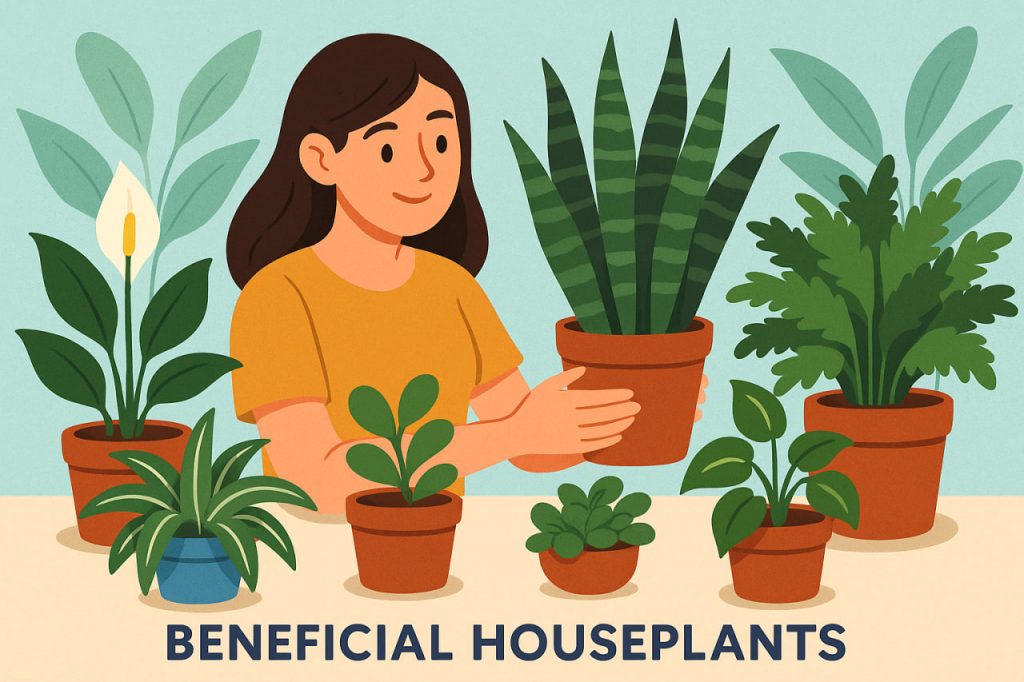
Houseplants do far more than decorate a room — they actively support human well-being by cleaning the air, regulating humidity, and creating a calming environment. In recent years, scientific studies have confirmed that certain indoor plants are exceptionally effective at improving indoor air quality, reducing stress, and even enhancing productivity. These “beneficial plants” excel at absorbing toxins, releasing oxygen, and creating a balanced microclimate inside homes, offices, and classrooms. Choosing the right species helps individuals create a healthier, more comfortable living space while also enjoying the beauty and tranquility that greenery brings. Whether someone seeks easy-care plants or powerful air purifiers, understanding which species are the most beneficial is the first step toward a healthier indoor environment.
Air-Purifying Champions
Some plants are especially effective at filtering harmful airborne chemicals found in everyday household products, furniture, and cleaning agents. NASA research has identified species such as snake plant, peace lily, spider plant, and Boston fern as top air purifiers. These plants absorb toxins like formaldehyde, benzene, and xylene, transforming them into harmless by-products during photosynthesis. Their ability to increase oxygen levels also makes indoor air feel fresher and cleaner. According to environmental scientist Dr. Helen Marshall:
“Air-purifying plants create gentle but meaningful improvements in indoor environments —
they’re nature’s quiet helpers working around the clock.”
These species are ideal for bedrooms, offices, and areas with limited ventilation.
Low-Maintenance Superstars
For people with busy lifestyles or limited plant experience, low-maintenance houseplants offer the greatest everyday benefits. ZZ plants, pothos, rubber plants, and succulents require minimal watering and adapt easily to a variety of lighting conditions. Their resilience makes them reliable options for beginners. These plants provide the same psychological and aesthetic benefits as more delicate species without requiring constant attention. Their durability also makes them suitable for office spaces, dorm rooms, or homes with inconsistent lighting.
Humidity-Boosting Plants
Indoor humidity plays a major role in respiratory comfort and skin health. Plants like areca palm, peace lily, and parlor palm release moisture through transpiration, increasing indoor humidity and reducing dryness caused by heating systems or air conditioning. This natural humidifying effect may help ease breathing discomfort, reduce allergy symptoms, and improve sleep quality. These plants work especially well in bedrooms or living rooms where people spend long periods of time.
Plants With Emotional and Psychological Benefits
Greenery has a strong impact on mental well-being. Houseplants such as lavender, aloe vera, jade plant, and monstera are known for their ability to reduce stress and create a calming atmosphere. Caring for plants introduces mindful routines into daily life, helping reduce anxiety and improve mood. Even a single healthy plant on a desk or windowsill can enhance concentration and provide visual relief during long hours of work or study. Houseplants help transform indoor spaces into more peaceful, inviting environments.
Plants With Functional Uses
Some houseplants offer both aesthetic and practical benefits. Aloe vera provides soothing gel for minor skin irritation when harvested safely. Herbs like mint, basil, and rosemary can grow indoors and enhance cooking with fresh flavors while also releasing pleasant scents. Spider plants and pothos are known to help trap dust and airborne particles, subtly cleaning the environment. These functional houseplants turn indoor areas into living, helpful ecosystems that support everyday activities.
Creating a Healthy Environment With Houseplants
Incorporating beneficial plants into interior spaces helps create a more natural and comfortable living environment. Combining multiple species enhances their air-purifying and humidity-regulating effects while also adding visual depth to the room. Proper placement near windows, regular watering, and occasional pruning ensure that plants remain healthy and effective. Houseplants bring life, color, and vitality to indoor spaces while simultaneously supporting physical and emotional health.
Interesting Facts
- Snake plants release oxygen even at night, making them ideal for bedrooms.
- Some houseplants can remove up to 87% of air toxins within 24 hours in controlled conditions.
- Humidity-boosting plants can increase indoor moisture by up to 10%.
- Touching or caring for plants can reduce stress hormone levels by up to 20%.
- Spider plants are so hardy they can thrive in environments with poor air quality.
Glossary
- Transpiration — the process by which plants release water vapor into the air.
- Volatile Organic Compounds (VOCs) — common indoor air pollutants found in paint, furniture, and cleaning supplies.
- Humidifying Plant — a plant species that increases air moisture through natural processes.
- Resilient Species — plants that tolerate low light, irregular watering, or poor care.
- Air-Purifying Plants — species that absorb toxins and improve air quality.