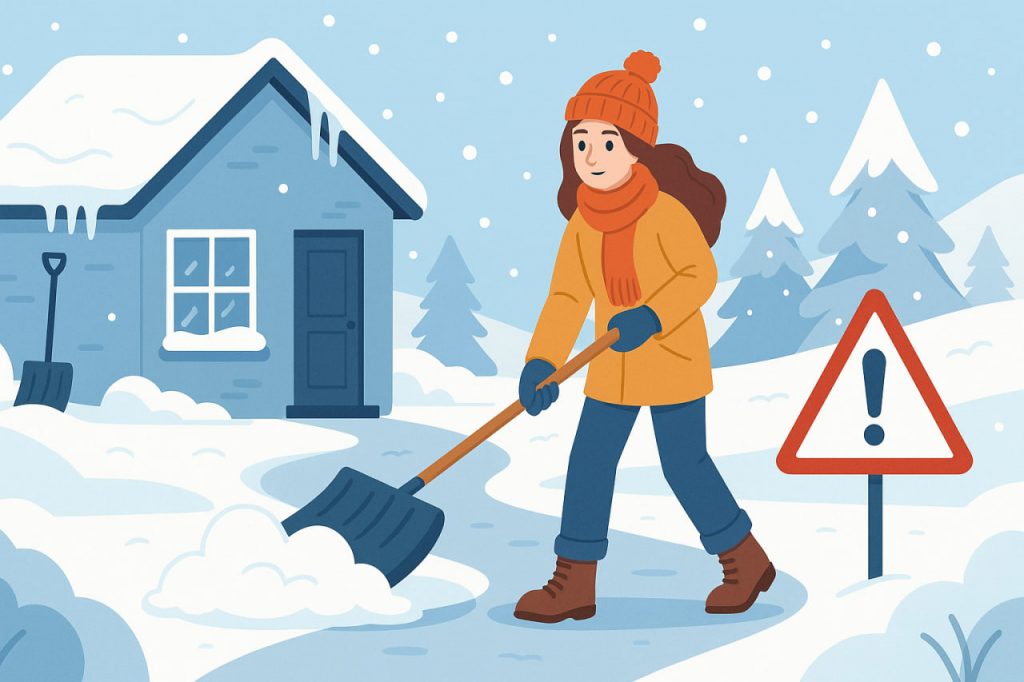
Winter is a season that brings beauty, celebration, and calm, but it also introduces specific hazards that require attention and preparation. Low temperatures, icy surfaces, storms, and limited daylight can increase the risk of injuries, fatigue, and environmental stress. Understanding how to recognize winter dangers and adopt safe habits helps individuals and families navigate the season confidently. With mindful planning, appropriate clothing, and awareness of weather conditions, winter becomes not only safer but also more enjoyable. Learning how to prepare for emergencies, protect health, and move safely outdoors forms the foundation of smart seasonal behavior. Winter safety is not about avoiding challenges — it is about meeting them with readiness and resilience.
Understanding the Main Risks of Winter
Winter conditions can create dangerous situations both indoors and outdoors. Ice increases the risk of slips and falls, freezing temperatures may lead to frostbite or hypothermia, and heavy snowfall can disrupt transportation and daily routines. Vehicles require more braking distance on icy roads, and visibility may be reduced during storms. Indoors, dry heating systems can cause dehydration and discomfort. Public safety specialist Dr. Robert Harris explains:
“Winter safety hinges on awareness —
knowing the risks helps prevent critical errors before they happen.”
By understanding these common hazards, individuals can take proactive steps to minimize danger.
Preventing Injuries in Cold and Icy Conditions
Wearing layered, insulating clothing helps maintain body temperature and prevents hypothermia. Proper footwear with non-slip soles significantly reduces fall risk when walking on icy surfaces. Moving slowly, taking shorter steps, and avoiding sudden changes in direction help maintain balance. When driving, reducing speed, increasing distance between vehicles, and avoiding harsh braking improves safety. Keeping sidewalks and home entrances clear of snow and ice further protects against accidents.
Staying Healthy and Comfortable in Winter
Cold weather affects overall health by placing extra stress on the body. Maintaining hydration, using humidifiers to balance indoor air, and taking breaks during physically demanding activities support well-being. Nutrition plays a vital role in maintaining energy levels, while adequate sleep strengthens immune defense. People should dress appropriately when spending time outdoors, covering exposed skin to prevent frostbite. As health advisor Dr. Emily Waters emphasizes:
“The body works harder in winter —
small self-care habits can make the season safer and more comfortable.”
These practices keep the body resilient throughout the cold months.
Emergency Preparedness During Winter
Winter storms can disrupt electricity, transportation, and communication. Preparing an emergency kit with water, blankets, flashlights, batteries, and non-perishable food ensures readiness for unexpected events. Mobile phones should remain charged, and households should have backup heating solutions if power fails. Staying informed through weather forecasts and community alerts helps individuals anticipate hazardous conditions and respond appropriately.
Creating a Safe Environment for Family and Community
Winter safety extends beyond personal habits — it includes supporting others. Checking on elderly neighbors, assisting with snow removal, and sharing safety tips can reduce community-wide risks. Ensuring pets are sheltered and protected from cold temperatures is equally important. Clear communication and collective awareness make neighborhoods safer and more resilient during winter challenges.
Interesting Facts
- Frostbite can occur in under 15 minutes during extreme cold.
- Walking on ice is safest when taking short, flat-footed steps.
- Window frost forms when indoor humidity meets cold glass surfaces.
- Most winter car accidents happen at speeds below 50 km/h due to hidden ice.
- Pets can develop frostbite and hypothermia just like humans.
Glossary
- Hypothermia — a dangerous drop in body temperature caused by long exposure to cold.
- Frostbite — tissue damage resulting from freezing of the skin.
- Wind Chill — the perceived temperature when wind makes the air feel colder.
- Black Ice — a thin, nearly invisible layer of ice on roads or sidewalks.
- Insulation — materials or clothing that help retain body heat.