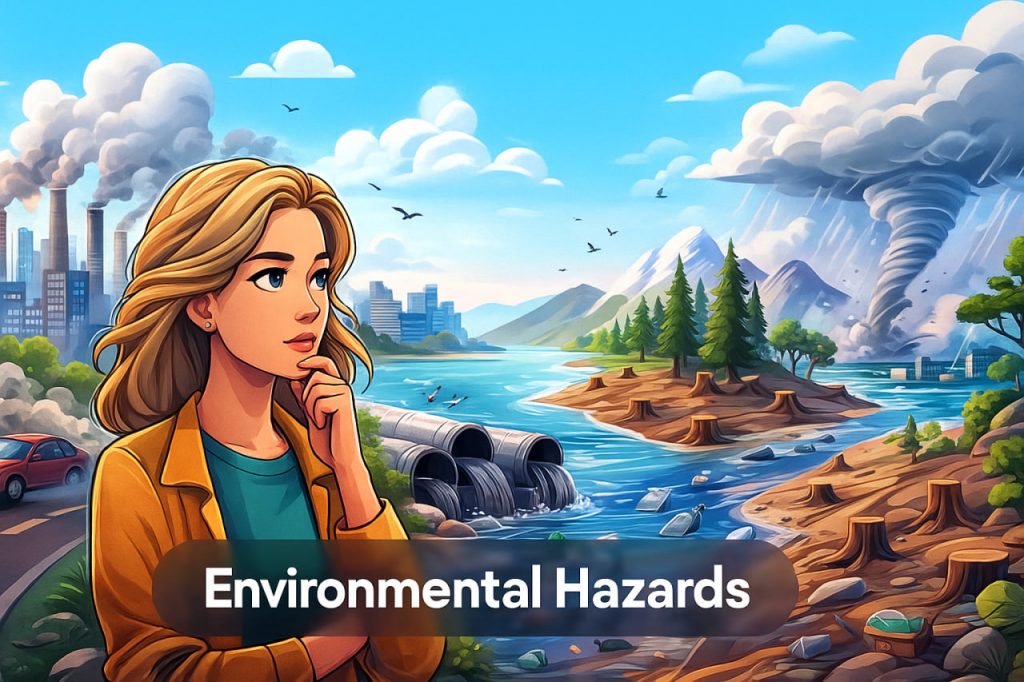
Environmental hazards include a wide range of natural and human-made factors that threaten ecosystems, public health, and global stability. These hazards affect air, water, soil, climate, and living organisms, often acting silently until damage becomes difficult to reverse. As modern societies expand and industrialize, environmental risks grow more complex, requiring stronger awareness and sustainable decision-making. Understanding how these hazards arise and how they impact daily life allows individuals, communities, and governments to reduce harm and protect both the planet and future generations. While some environmental dangers stem from natural processes, most are intensified by human activities such as pollution, resource extraction, and unsustainable consumption. Recognizing these risks is the first step toward creating cleaner, safer, and more resilient environments.
Air Pollution and the Hidden Threat to Health
Air pollution remains one of the most widespread environmental hazards, affecting urban and rural areas across the globe. It is caused by vehicle emissions, industrial smoke, burning fossil fuels, and even natural events such as wildfires. Polluted air contains fine particles and chemicals that can enter the lungs and bloodstream, increasing the risk of respiratory and cardiovascular issues. Children, the elderly, and people with chronic illnesses are particularly vulnerable. According to environmental health researcher Dr. Anna Rodriguez:
“Air pollution is an invisible hazard —
people forget it’s there until it affects their breathing, sleep, or overall wellbeing.”
Reducing air pollution requires cleaner technologies, better regulations, and individual changes such as using public transportation and reducing energy waste.
Water Contamination and Ecosystem Stress
Clean water is essential for life, yet many rivers, lakes, and oceans are threatened by contamination. Industrial chemicals, agricultural runoff, heavy metals, and plastic waste are major contributors to water pollution. These contaminants harm aquatic life, disrupt food chains, and eventually affect human health through drinking water and seafood. Microplastics, in particular, have become a global environmental concern due to their persistence and ability to accumulate in organisms. Ensuring safe water requires effective waste management, sustainable farming practices, and advanced filtration technologies to prevent pollution before it spreads.
Climate Change as a Global Hazard
Climate change represents one of the most complex environmental hazards of our time. Rising temperatures, melting ice sheets, extreme weather, and ocean acidification all stem from increasing greenhouse gas emissions. These changes affect agriculture, infrastructure, biodiversity, and human safety. Heatwaves, floods, and storms are becoming more frequent and intense, placing additional pressure on communities worldwide. Scientists emphasize that reducing emissions and protecting natural carbon sinks such as forests and wetlands is essential to slowing long-term climate impacts. Climate specialist Dr. Liam Foster highlights:
“Climate hazards are interconnected —
solving one issue often means addressing several others at the same time.”
This interconnectedness is why global cooperation and sustainable policies remain crucial.
Soil Degradation and Land Pollution
Soil pollution is often overlooked but plays a significant role in environmental health. Contaminated soil can result from pesticides, industrial waste, mining activities, and improper disposal of chemicals. These pollutants decrease soil fertility, harm plant life, and eventually affect food quality and safety. Land degradation also contributes to desertification, reducing the ability of ecosystems to support wildlife and agriculture. Restoring soil health involves responsible waste management, crop rotation, reforestation, and reducing reliance on harmful chemicals.
Biodiversity Loss and Ecosystem Imbalance
Environmental hazards also threaten biodiversity — the variety of life on Earth. Habitat destruction, deforestation, overfishing, and pollution contribute to species decline and disrupt natural balance. Healthy ecosystems provide essential services such as pollination, climate regulation, and nutrient cycling. Losing these systems increases vulnerability to natural disasters and reduces the planet’s resilience. Protecting biodiversity means conserving habitats, supporting sustainable resource use, and implementing strong environmental policies.
Interesting Facts
- Over 90% of the world’s population breathes air that exceeds recommended pollution levels.
- Microplastics have been found in remote polar regions, showing how far environmental pollution spreads.
- Soil degradation affects nearly one-third of global farmland, reducing food production.
- Climate change increases the frequency of extreme weather events by amplifying natural atmospheric processes.
- Coral reefs support 25% of marine species, yet many are endangered due to warming oceans and pollution.
Glossary
- Air Pollution — harmful substances in the atmosphere that affect health and the environment.
- Microplastics — tiny plastic particles that persist in water, soil, and living organisms.
- Soil Degradation — deterioration of soil quality due to pollution, erosion, or overuse.
- Biodiversity — the variety of living species in an ecosystem.
- Greenhouse Gases — gases that trap heat in the atmosphere and contribute to climate change.