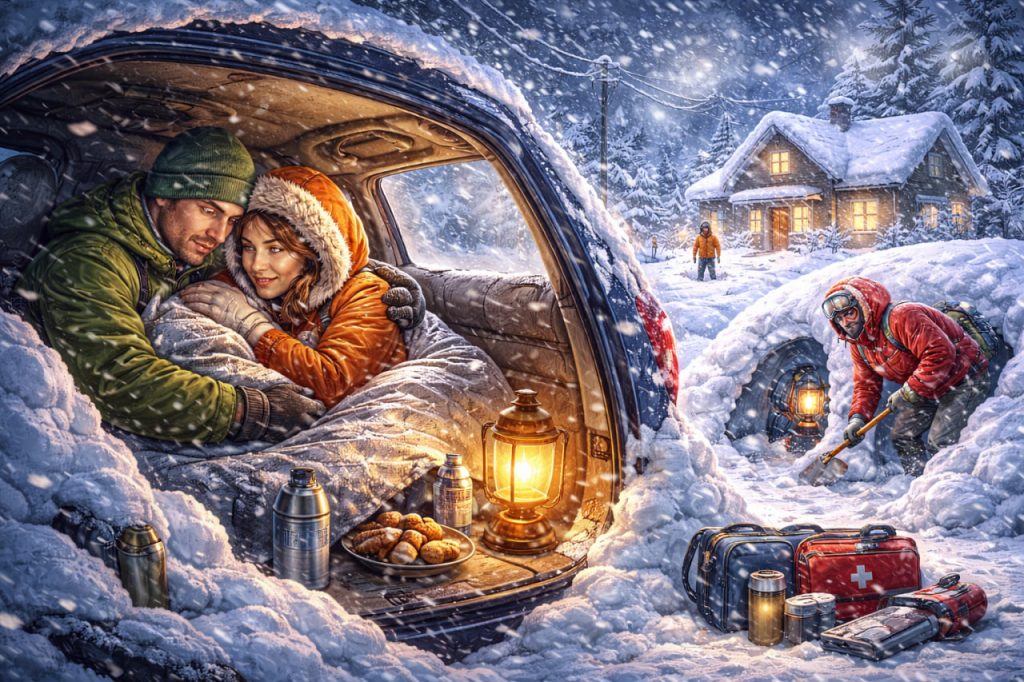
Severe snowstorms are among the most dangerous natural events in cold climates, capable of isolating communities, disabling infrastructure, and turning ordinary situations into life-threatening emergencies. Heavy snowfall, strong winds, and extreme cold can reduce visibility to near zero and make even short journeys hazardous. Survival during a snowstorm depends not on heroics, but on preparation, situational awareness, and calm decision-making. Understanding how snowstorms affect the human body, transportation, and shelter can dramatically increase the chances of staying safe. Whether caught at home, in a vehicle, or outdoors, knowing the right actions to take can mean the difference between safety and serious risk.
Understanding the Main Dangers
A severe snowstorm combines multiple hazards at once, making it more dangerous than snowfall alone. Hypothermia can occur even at temperatures just below freezing when wind and moisture strip heat from the body. Frostbite threatens exposed skin, especially fingers, toes, ears, and the face. Strong winds can create whiteout conditions, disorienting people within seconds. Power outages may disable heating systems, while blocked roads prevent emergency services from reaching those in need. According to disaster preparedness specialist Dr. Laura Mitchell:
“In snowstorms, the environment turns hostile quietly.
The greatest risk often comes from underestimating how fast conditions can worsen.”
Recognizing these risks early helps guide safer choices.
Staying Safe Indoors
If a snowstorm strikes while you are indoors, remaining there is usually the safest option. Keep doors and windows sealed to retain heat, and dress in layers, even inside, to reduce heat loss. If power is lost, gather everyone into a single room to conserve warmth and block off unused spaces. Use flashlights instead of candles to reduce fire risk, and conserve phone battery for emergencies. It is also important to monitor official weather updates if possible, as conditions may change rapidly. Staying indoors reduces exposure and prevents unnecessary risk during peak storm intensity.
Surviving a Snowstorm in a Vehicle
Being trapped in a car during a snowstorm is extremely dangerous but survivable with the right actions. Stay inside the vehicle, as it provides shelter and visibility for rescuers. Run the engine intermittently to produce heat, ensuring the exhaust pipe remains clear of snow to prevent carbon monoxide buildup. Use blankets, spare clothing, or seat covers for insulation, and ration fuel carefully. Turn on hazard lights when possible, and avoid leaving the vehicle unless you are certain help is very close. Vehicles are often found faster than individuals on foot in low visibility conditions.
If You Are Caught Outdoors
If you are outdoors with no immediate shelter, your priority is wind protection and insulation. Move away from open areas and seek natural barriers such as trees, rocks, or terrain depressions. Create a temporary shelter using snow if necessary, as packed snow can provide surprising insulation. Keep moving gently to maintain circulation, but avoid sweating, which accelerates heat loss. Cover exposed skin and protect your face from wind. Remaining calm and conserving energy are critical, as panic increases fatigue and risk.
Preparation Before a Snowstorm
The most effective survival strategy is preparation before a storm arrives. Keep emergency supplies such as warm clothing, water, non-perishable food, flashlights, and portable power sources readily available. Vehicles should carry blankets, a shovel, reflective materials, and basic tools during winter months. At home, having backup heating options and knowledge of safe usage is essential. Preparation reduces the need for risky decisions once conditions deteriorate and allows you to focus on staying warm and safe.
Interesting Facts
- Wind can make temperatures feel 20–30°C colder than the actual air temperature.
- Snow can absorb sound, making storms feel unnaturally quiet and disorienting.
- A properly built snow shelter can maintain temperatures well above freezing inside.
- Most snowstorm fatalities occur due to exposure and exhaustion, not snowfall itself.
- Visibility in blizzard conditions can drop to less than one meter within seconds.
Glossary
- Hypothermia — a dangerous drop in body temperature caused by prolonged cold exposure.
- Frostbite — freezing injury to skin and underlying tissues.
- Whiteout — weather conditions where visibility is nearly zero due to blowing snow.
- Wind Chill — the perceived decrease in temperature caused by wind accelerating heat loss.
- Exposure — harm caused by prolonged contact with harsh environmental conditions.