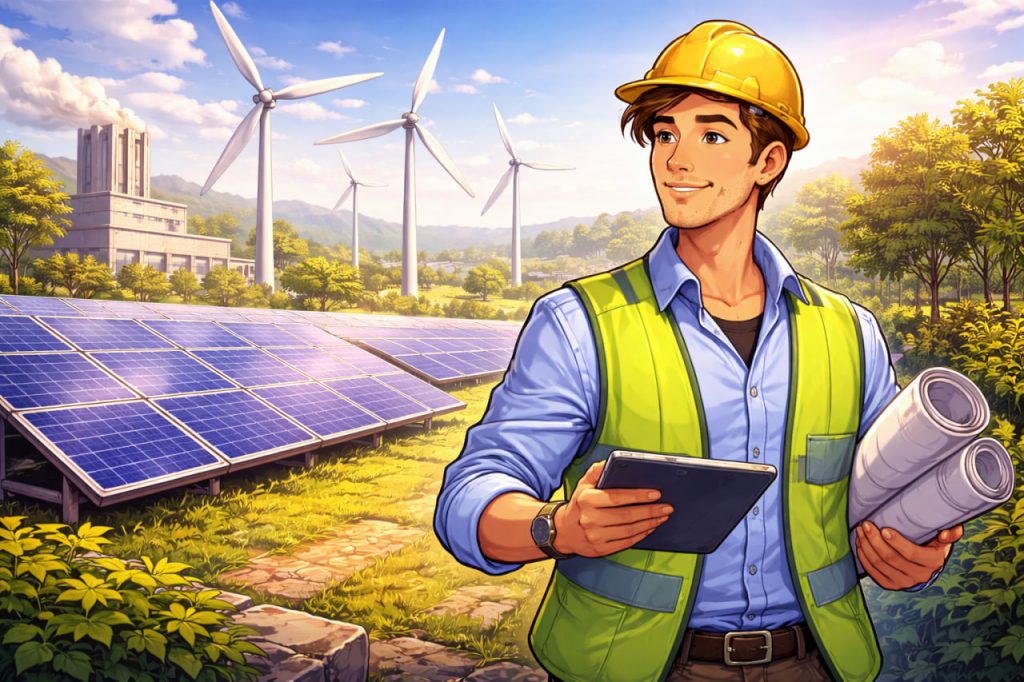
The global energy system is undergoing one of the most significant transformations in modern history. For more than a century, coal, oil, and natural gas have been the primary sources of energy powering industry, transportation, and electricity generation. Today, however, governments, scientists, and businesses around the world are increasingly focused on reducing dependence on fossil fuels and expanding the use of cleaner energy sources. This process, known as the energy transition, involves shifting toward renewable energy technologies, improving energy efficiency, and developing new systems for storing and distributing electricity. While the direction of this transition is widely discussed, the speed and pathways of change remain complex and vary across different regions and economic sectors.
Why the Energy Transition Is Happening
Several factors are driving the global shift away from fossil fuels. One of the most important is the need to reduce greenhouse gas emissions, which are associated with climate change. Fossil fuel combustion releases carbon dioxide and other gases that contribute to warming of the Earth’s atmosphere. At the same time, advances in renewable energy technologies—such as solar panels, wind turbines, and energy storage systems—have made clean energy increasingly competitive. According to energy systems analyst Dr. Laura Mitchell:
“Technological progress and policy changes are accelerating the shift toward more sustainable energy systems.”
These developments have encouraged governments and industries to explore alternative energy pathways.
Different Scenarios for the Transition
Energy researchers often use different scenarios to explore how the global energy transition might unfold. Some models assume gradual change, where fossil fuels continue to play a significant role for decades while renewable energy slowly expands. Other scenarios envision rapid transformation, with large-scale investment in renewable power, electrification of transportation, and widespread adoption of energy storage technologies. These scenarios help policymakers and researchers understand the potential economic and environmental consequences of different strategies.
The Role of Renewable Energy
Renewable energy technologies are central to many energy transition strategies. Solar and wind power have experienced significant growth in recent years due to falling technology costs and improved efficiency. Large renewable installations now supply electricity to millions of homes and businesses worldwide. Hydropower, geothermal energy, and other renewable resources also contribute to the global energy mix. As renewable generation increases, energy systems must adapt to manage fluctuations in supply caused by changing weather conditions.
Energy Storage and Grid Modernization
One of the key challenges of integrating renewable energy into power systems is balancing supply and demand. Because solar and wind energy depend on natural conditions, electricity production can vary throughout the day. Energy storage technologies, such as advanced batteries, allow excess electricity to be stored for later use. At the same time, modern smart grid systems help manage electricity flows more efficiently by adjusting supply and demand across entire energy networks.
The Importance of Electrification
Another major aspect of the energy transition is the electrification of sectors that traditionally rely on fossil fuels. Transportation, heating, and certain industrial processes are increasingly shifting toward electricity-powered technologies. Electric vehicles, heat pumps, and electric industrial equipment can reduce fossil fuel use when the electricity they consume is generated from renewable sources. This shift toward electrification plays an important role in reducing overall emissions from energy systems.
Economic and Social Considerations
The transition away from fossil fuels also involves economic and social challenges. Industries and communities that depend on fossil fuel production may need support as energy systems change. At the same time, new industries related to renewable energy, battery manufacturing, and energy infrastructure are creating employment opportunities. Managing this transition in a balanced and equitable way is an important topic in global energy policy discussions.
How Fast the Transition May Occur
The pace of the energy transition depends on many factors, including technological innovation, government policies, economic investment, and public support. Some regions are rapidly expanding renewable energy infrastructure, while others continue to rely heavily on fossil fuels due to existing economic structures. Most experts agree that the transition will not occur overnight but will involve decades of gradual transformation as energy systems evolve.
Interesting Facts
- Renewable energy technologies have become significantly more affordable in recent years.
- Solar and wind power are among the fastest-growing energy sources globally.
- Energy storage systems help manage fluctuations in renewable electricity generation.
- Electrification of transportation is accelerating with the growth of electric vehicles.
- The global energy transition involves both technological and economic changes.
Glossary
- Energy Transition — the shift from fossil fuel–based energy systems to renewable and sustainable energy sources.
- Renewable Energy — energy derived from natural resources such as sunlight, wind, or water that are continually replenished.
- Electrification — replacing technologies that use fossil fuels with systems powered by electricity.
- Energy Storage — technologies that store electricity for use when demand exceeds supply.
- Smart Grid — an electricity network that uses digital technology to manage energy production and distribution efficiently.

