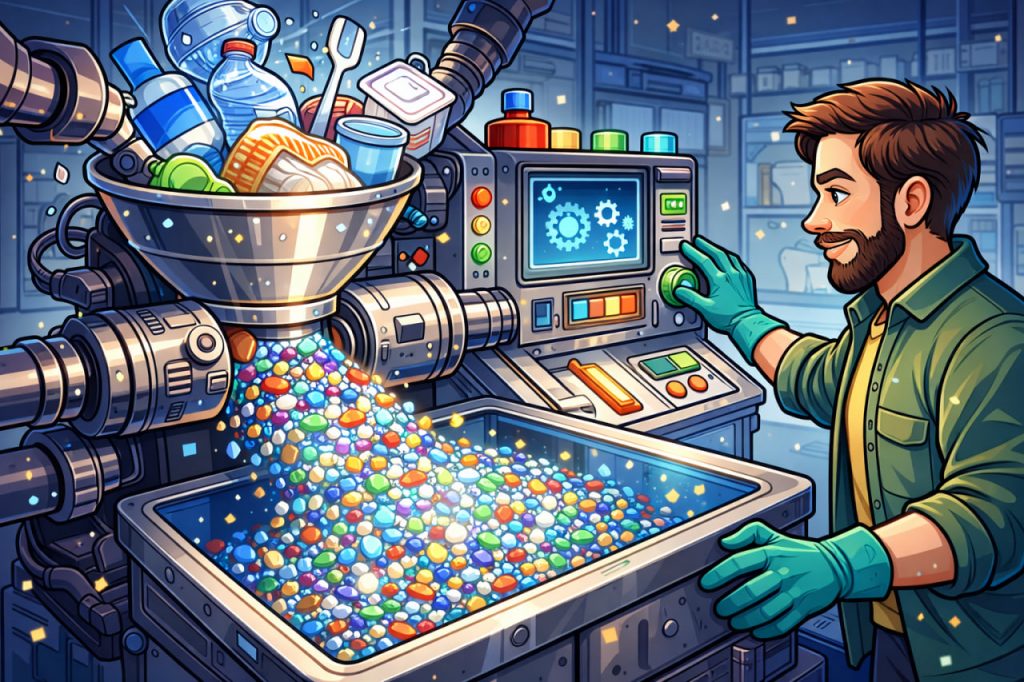
Plastic pollution has become one of the most pressing environmental problems of our time. As plastic waste accumulates in oceans, soil, and ecosystems, scientists are exploring new ways to manage and reduce its impact. One controversial idea is breaking plastic down into micro-particles—tiny fragments that are much smaller than visible debris. While this process does occur naturally, the question is whether intentionally converting plastic into micro-particles is a useful solution or a dangerous mistake. The answer is complex: although plastics can be broken down into smaller pieces, doing so does not eliminate the problem and may even make it worse. Understanding this process is essential for developing effective strategies to deal with plastic waste.
What Are Microplastics
Microplastics are tiny plastic particles typically smaller than 5 millimeters. They can form when larger plastic items break down due to sunlight, heat, and mechanical forces such as waves or friction. These particles are already widespread in the environment and have been found in oceans, rivers, air, and even inside living organisms. Because of their small size, microplastics are difficult to detect and remove, making them a significant environmental concern.
Can Plastic Be Intentionally Broken Down
Technically, plastic waste can be processed into smaller particles through mechanical grinding or chemical methods. Some industrial processes already reduce plastic into fine fragments for recycling or reuse. However, turning plastic into micro-particles is generally not considered a safe or effective solution, because it does not remove the material—it only changes its form. Once plastic becomes microscopic, it spreads more easily and becomes harder to control.
Why Microplastics Are a Problem
Microplastics pose serious risks to both the environment and human health. They can be ingested by marine animals, entering the food chain and potentially affecting entire ecosystems. In addition, microplastics can absorb toxic chemicals, acting as carriers of pollution. Because they are so small, they can travel long distances through water and air, making them nearly impossible to fully remove. This means that intentionally creating more microplastics could increase pollution rather than reduce it.
Better Alternatives to Micro-Fragmentation
Instead of breaking plastic into smaller pieces, scientists focus on more sustainable solutions. These include recycling, biodegradable materials, and chemical processes that convert plastic into useful substances such as fuel or raw materials. Some emerging technologies aim to break plastic down into its original molecular components, allowing it to be reused without creating harmful micro-particles. Reducing plastic production and improving waste management systems are also key strategies.
The Future of Plastic Waste Management
The goal of modern environmental science is not to make plastic smaller, but to eliminate or safely reuse it. Innovations in materials science and recycling technologies offer hope for reducing plastic pollution. Governments, industries, and individuals all play a role in addressing this issue. By focusing on sustainable solutions, it is possible to reduce the impact of plastic waste without creating new environmental risks.
Interesting Facts
- Microplastics have been found in oceans, air, and even drinking water.
- Plastic can take hundreds of years to fully degrade.
- Tiny plastic particles can be carried by wind across entire continents.
- Some marine organisms mistake microplastics for food.
- Scientists are developing methods to break plastic into reusable chemicals.
Glossary
- Microplastics — tiny plastic particles smaller than 5 mm.
- Degradation — the breakdown of materials over time.
- Recycling — the process of converting waste into reusable material.
- Biodegradable — capable of being broken down by natural organisms.
- Pollution — harmful substances introduced into the environment.