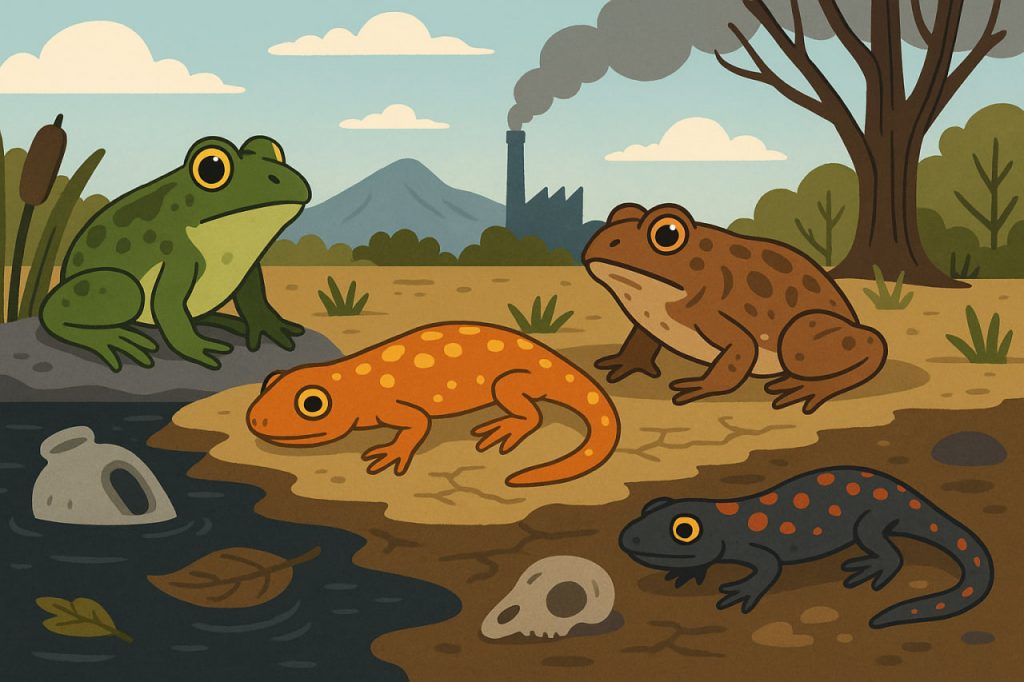
Amphibians — frogs, toads, salamanders, and caecilians — are among the most threatened groups of animals on Earth. Scientists estimate that nearly one-third of all amphibian species are at risk…
Pollination is the process of transferring pollen from the male part of a flower (anther) to the female part (stigma), enabling fertilization and seed production. While wind and water can…
Bird feathers come in an astonishing variety of colors, patterns, and textures. While these features make birds beautiful to observe, they are not just for decoration — the colors serve…
The Earth’s magnetic field is an invisible force that surrounds our planet, created by the movement of molten iron in its core. While humans cannot naturally sense it, many animals…
Recycling is often seen as an environmental responsibility that reduces landfill waste, conserves resources, and saves energy. But its role in protecting animals is equally important. By minimizing pollution and…
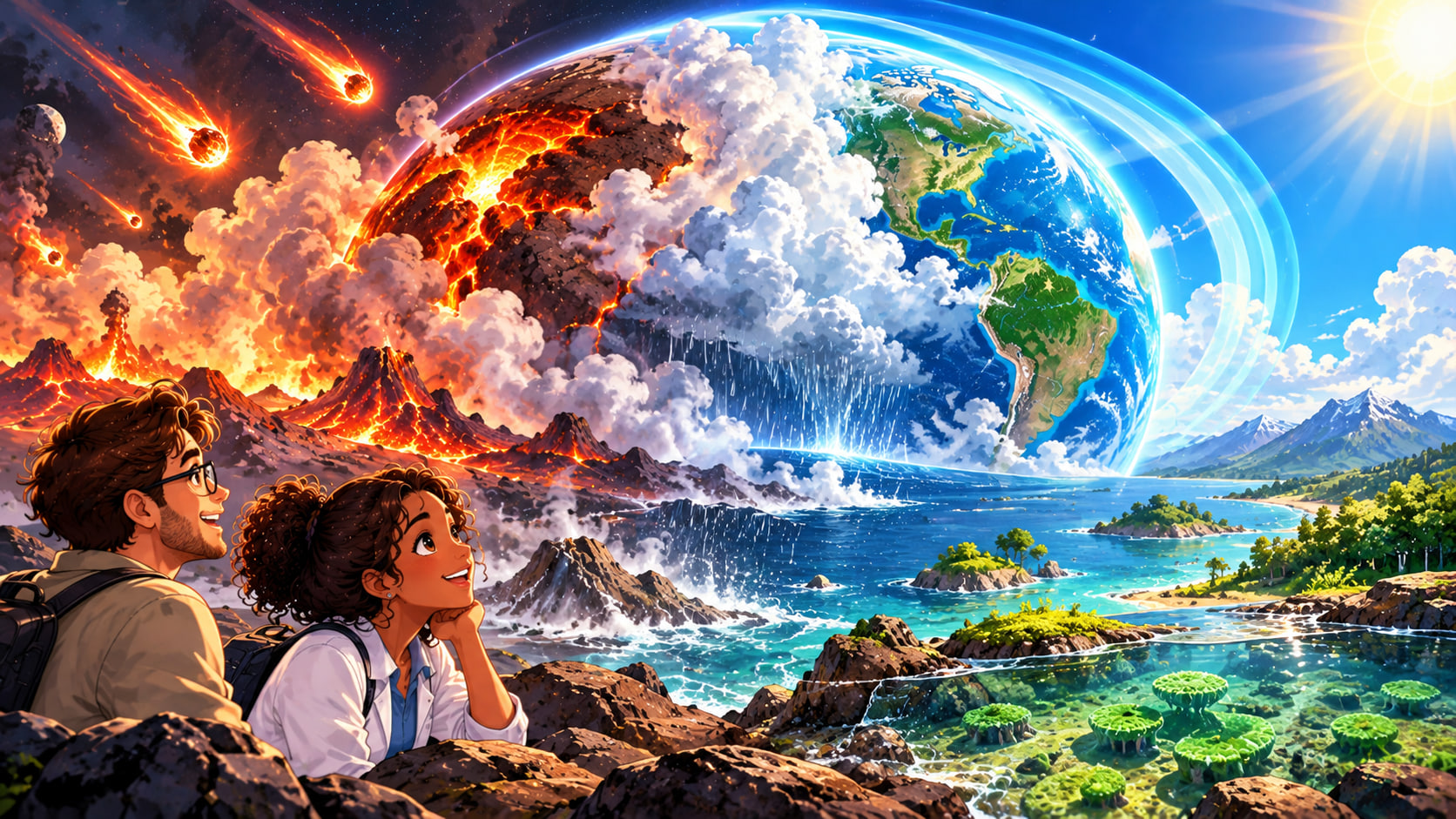
A biosphere is the global sum of all ecosystems — the regions of Earth (or a closed artificial system) where life exists and interacts with the atmosphere, hydrosphere, and lithosphere.…
Rivers are vital lifelines for ecosystems, agriculture, and human communities. Yet, across the world, many rivers are experiencing seasonal or permanent drying. This phenomenon can be caused by natural climate…
Exotic insects such as stick insects, praying mantises, beetles, tarantulas, and giant cockroaches are becoming increasingly popular as pets. They are quiet, require relatively little space, and offer a unique…
For many people, pets are a source of joy and companionship — but for those with allergies, the decision to adopt an animal can be more complicated. Pet allergies are…
A well-maintained aquarium is not just a decorative piece — it’s a living ecosystem. Whether you’re housing freshwater or saltwater species, your aquarium mimics natural habitats that rely on balance…