Nanoplastics, particles smaller than 1 micrometer, are increasingly recognized not only as a threat to human health and ecosystems but also as a potential influence on the climate system. While…
Nanoplastics are tiny plastic particles smaller than 1 micrometer (µm). They form from the breakdown of larger plastics and are now found everywhere—from oceans and soil to the air we…
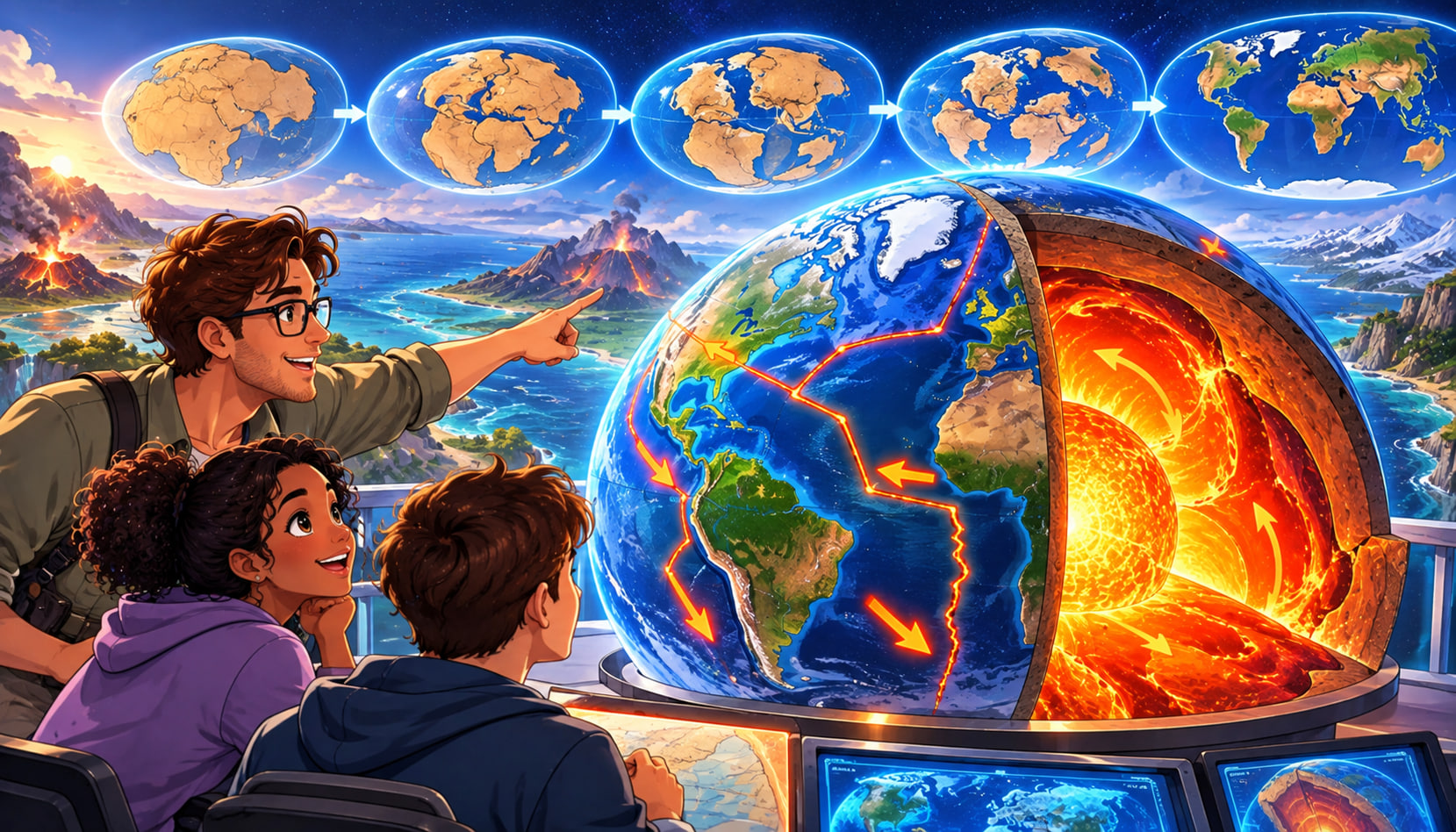
Natural degassing processes occur when gases from the Earth’s interior escape to the surface, often through faults or fractures in the crust. These gases can include methane, carbon dioxide, hydrogen…
Honey is one of nature’s most fascinating creations, made entirely by bees. This golden substance is not just food for humans but also a vital source of energy for bees…
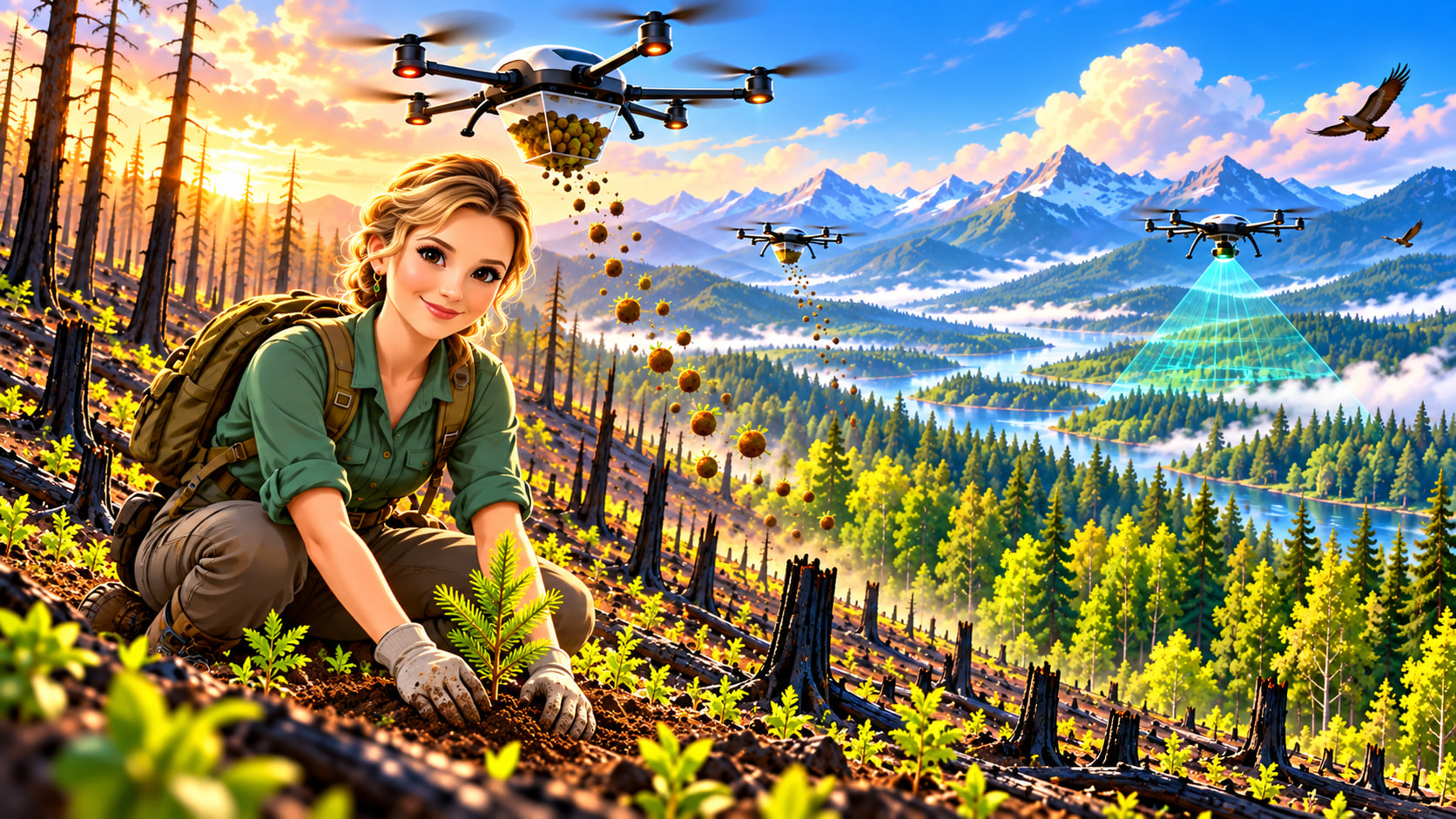
Climate change has become one of the strongest driving forces behind human migration in recent decades. Extreme weather events such as floods, droughts, hurricanes, and wildfires displace millions of people…
Light pollution is the excessive or misdirected use of artificial light that brightens the night sky and disrupts natural cycles. While artificial lighting is essential for modern society, uncontrolled illumination…
Relict zones are unique natural areas that have preserved ecosystems, species, or landscapes from earlier geological or climatic periods. These places serve as "living museums" of Earth’s history, showing how…
Savannas are vast ecosystems characterized by a mix of grasslands and scattered trees. They cover large regions of Africa, South America, Australia, and parts of Asia. Unlike dense forests, savannas…
The relationship between predators and prey is one of the most fundamental interactions in nature. It shapes ecosystems, controls populations, and drives evolution. This dynamic balance ensures that no single…
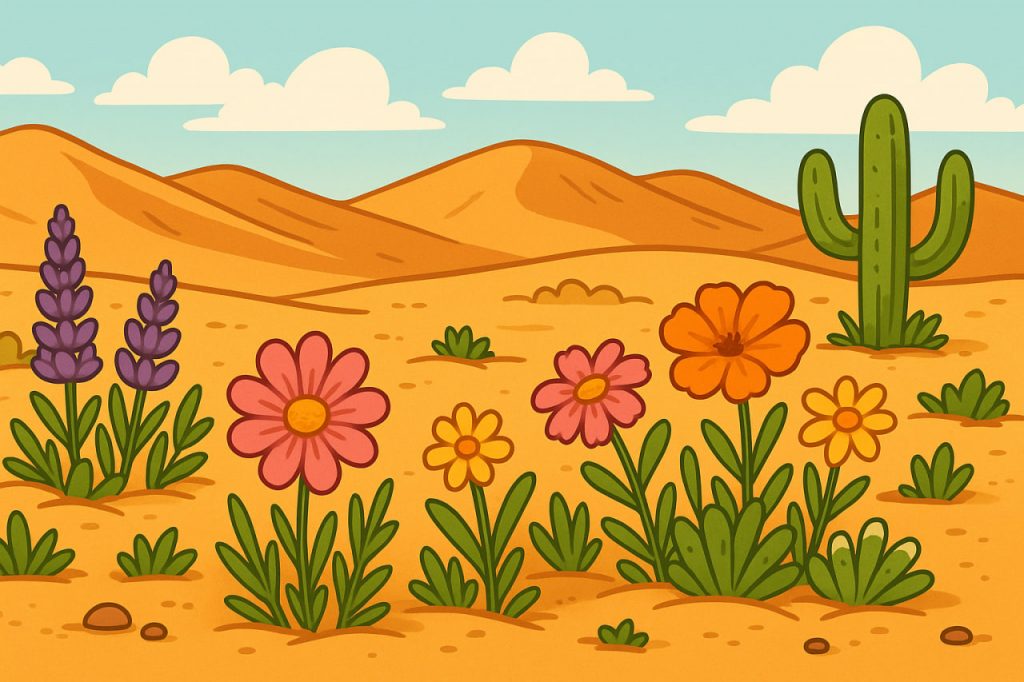
Deserts, often seen as barren and lifeless landscapes, can sometimes transform into fields of vibrant flowers. This phenomenon, known as a desert bloom, occurs when specific environmental conditions align, allowing…