Lakes are essential parts of Earth’s ecosystems, providing water, habitats, and climate regulation. However, many lakes around the world are shrinking or vanishing entirely. This alarming phenomenon is influenced by…
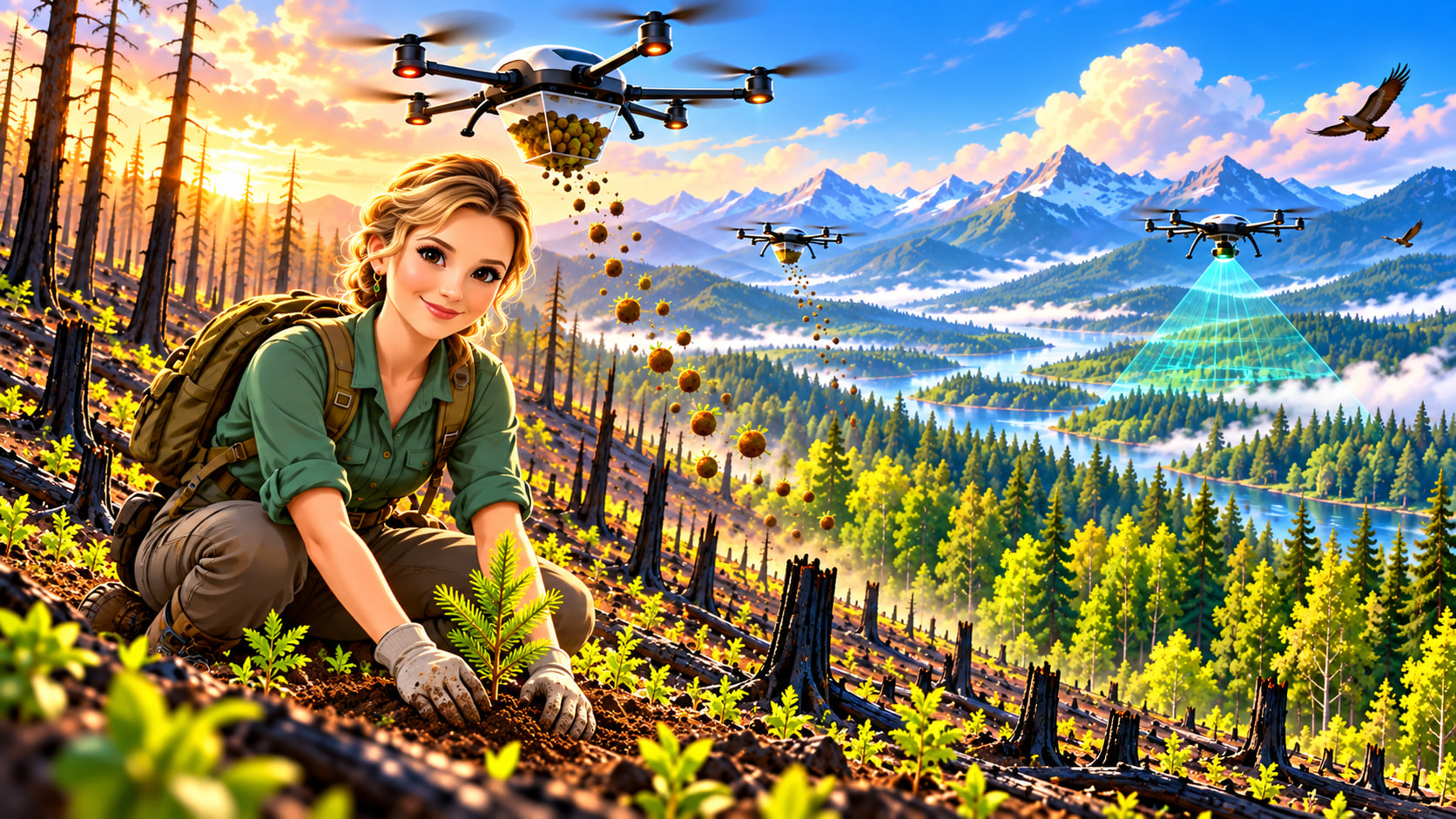
Forests are often called the lungs of the Earth because of their vital role in maintaining the balance of gases in the atmosphere. They are not only homes for countless…
Mushrooms are fascinating organisms that play an important role in ecosystems, breaking down organic matter and recycling nutrients. While many mushrooms are edible and even highly nutritious, others are dangerous…
For centuries, people have observed that animals often behave differently before changes in the weather. While animals do not predict the weather in the human sense, many species are extremely…
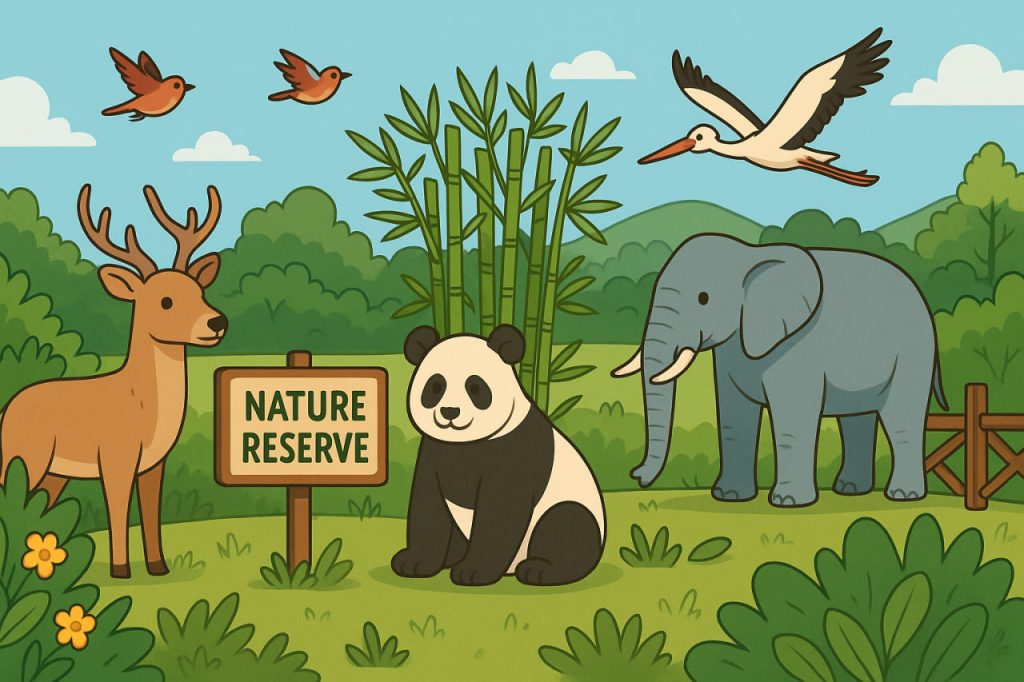
A nature reserve (or wildlife sanctuary) is a protected area of land or water where ecosystems, species, and natural resources are preserved for scientific, educational, and conservation purposes. Unlike ordinary…
Bird migration is one of the most fascinating natural phenomena, and the return of birds in spring is a sign of seasonal change across much of the world. Birds migrate…
Animal migration is not limited to land and air; it is also a vital phenomenon in the ocean. Marine migration refers to the large-scale movement of animals across seas and…
Symbiosis is a close and long-term biological interaction between two different species, where at least one benefits from the relationship. This interaction can take many forms, ranging from mutually beneficial…
Frogs are more than just amphibians that leap and croak — they play a significant role in maintaining the health of freshwater ecosystems. By influencing insect populations, interacting with aquatic…
Coastal zones are dynamic areas where land meets the ocean, creating rich and diverse ecosystems. These regions are home to millions of people and countless species of plants and animals.…