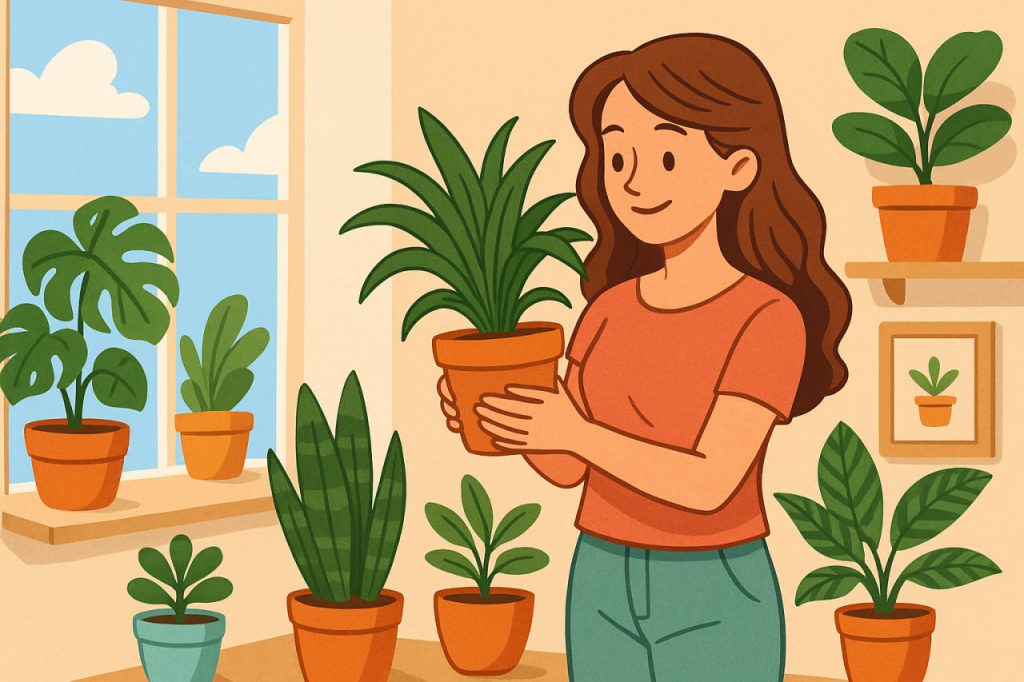
Choosing the right indoor plants can enhance air quality, improve mood, and bring natural beauty into your living space. Indoor plants vary widely in their care needs, appearance, and effects on the environment inside the home. Some plants thrive in sunny locations, while others prefer low-light corners. Understanding how light, temperature, and watering needs differ across plant species helps ensure healthy and long-lasting growth. Many indoor plants are also known to help filter airborne particles and increase humidity, making the indoor environment more comfortable. Growing plants at home can be both aesthetically pleasing and emotionally calming, especially when choosing species suited to your lifestyle and level of gardening experience.
Low-Maintenance Plants for Beginners
For individuals new to indoor gardening, selecting plants that require minimal care is a strong starting point. Popular beginner-friendly options include snake plant, pothos, and spider plant, which are known for their tolerance of different light levels and irregular watering schedules. These plants can survive in low-light environments and still maintain attractive foliage. They also tend to grow steadily without requiring frequent pruning or repotting. Additionally, they are widely available in garden centers and come in many varieties, making it easy to find a style that suits your interior design. According to home horticulture expert Sarah Collins, beginning with resilient plants helps build confidence and encourages long-term engagement with indoor gardening.
Aesthetic and Decorative Options
Some plants are chosen primarily for their striking visual appeal. Monstera deliciosa, known for its iconic split leaves, is popular in modern interior décor. Fiddle-leaf fig provides strong vertical presence and can help fill large empty spaces in living areas. Smaller decorative plants, such as succulents and calatheas, offer unique patterns and shapes that draw attention in smaller rooms or on desktops. These plants may require more consistent care or specific humidity conditions, but they reward attention with dramatic growth patterns and vibrant colors. Interior designers often use indoor plants as focal points in living spaces to create a natural, inviting atmosphere.
Expert Opinions on Indoor Plant Benefits
Botanical researcher Dr. Amelia Hart notes that indoor plants help support mental well-being by encouraging mindfulness and relaxation. Engaging in plant care, such as routine watering and observing growth, can reduce stress and provide a sense of accomplishment. Meanwhile, environmental scientist Dr. Daniel Rhodes emphasizes that plants contribute subtle improvements in indoor air quality by supporting humidity balance and capturing small airborne particles. While indoor plants are not replacements for ventilation systems, they play a complementary role in maintaining a pleasant living environment. Both experts encourage selecting plants based on local climate, personal schedule, and home layout for the best results.
Interesting Facts
Indoor plants can continue releasing oxygen at night if they use a type of photosynthesis called CAM, found in plants like succulents.
Some indoor plants can live for decades when properly cared for, becoming long-term companions in the home.
Studies show that simply seeing greenery during the day can improve focus and creativity.
Glossary
- Humidity — The amount of moisture present in the air.
- Photosynthesis — The process by which plants convert sunlight into energy.
- Foliage — The leaves of a plant, often noted for appearance and texture.
- CAM (Crassulacean Acid Metabolism) — A photosynthesis process used by some plants that allows them to store carbon dioxide at night.