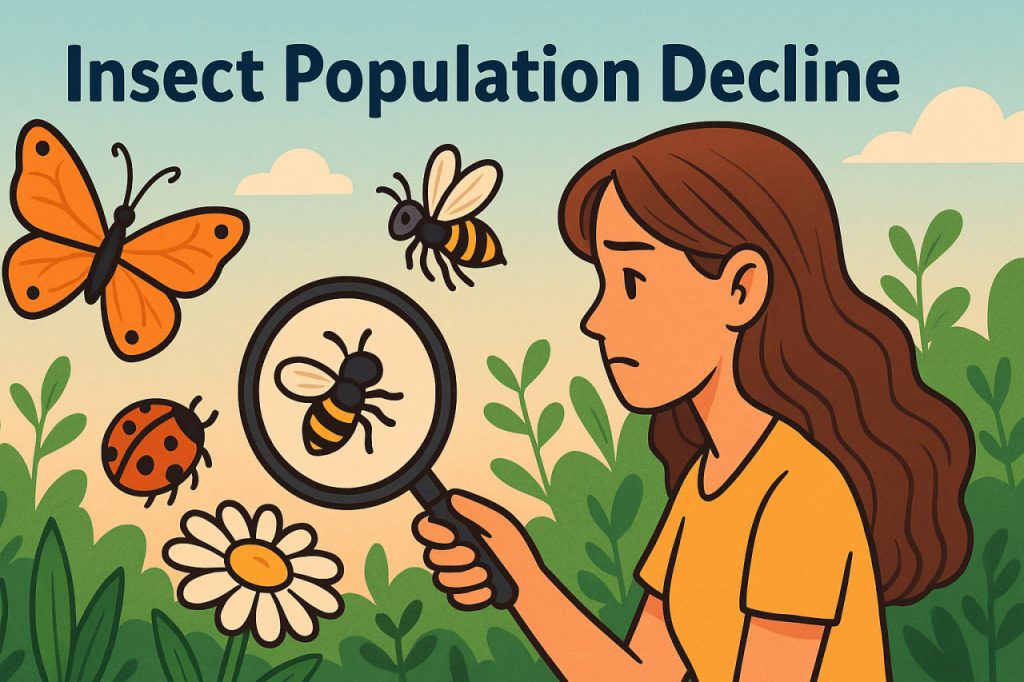
Insect populations around the world have experienced a dramatic decline over the past century, raising concerns among scientists, ecologists, and policymakers. Insects play essential roles in ecosystems, including pollination, decomposition, soil formation, and serving as a food source for countless species. Their reduction can disrupt entire ecological networks and threaten global biodiversity. Research indicates that a combination of factors such as habitat loss, pesticide use, pollution, climate change, and the spread of invasive species has contributed to this decline. Many insect species have disappeared from regions where they were once abundant, while others show sharply reduced numbers in scientific surveys. Understanding the causes and long-term consequences of this decline is crucial for developing effective conservation strategies.
Historical Trends and Scientific Evidence
Studies of insect populations over the last 100 years reveal consistent downward trends across multiple continents. Early naturalists noted the abundance of insects in agricultural and forested landscapes, but modern surveys show substantial declines in both species diversity and overall biomass. Long-term monitoring projects, particularly in Europe and North America, have documented reductions of 40–75 percent in some regions. Entomologist Dr. Laura Bennett notes that flying insect biomass in several German nature reserves dropped by more than 75 percent between the 1980s and 2010s. She emphasizes that these declines are alarming because they occur even in protected areas with minimal human disturbance. Historical comparisons using museum specimens, field records, and modern sampling techniques reinforce the evidence of widespread losses.
Major Causes Behind the Decline
Multiple interrelated factors contribute to the decline of insect populations across ecosystems. Habitat loss from urbanization, intensive agriculture, and deforestation is considered one of the most significant drivers. Pesticides, particularly neonicotinoids, have been linked to mortality and behavioral disruption in pollinators such as bees and butterflies. Pollution from industrial activities, fertilizers, and light sources further stresses insect populations. Climate change introduces additional pressures by altering temperature patterns, disrupting seasonal cycles, and shifting plant and insect distributions. Ecologist Dr. Samuel Ortiz explains that these combined stressors create a cumulative impact that many insect species cannot withstand. He adds that the rapid pace of environmental change makes it difficult for insects to adapt quickly enough to survive.
Consequences for Ecosystems and Human Life
The decline of insect populations has far-reaching effects on ecosystems and human well-being. Pollinators such as bees, moths, and beetles are essential for the reproduction of many plants, including crops that support global food security. Decomposers like flies, ants, and termites play critical roles in nutrient cycling by breaking down organic matter. Predatory insects help control pest populations, limiting the spread of disease and protecting agricultural systems. As insects decline, these ecosystem services weaken, potentially causing crop failures, soil degradation, and imbalances in food webs. Scientists warn that continued losses may trigger ecological tipping points that are difficult or impossible to reverse.
Conservation Efforts and Future Outlook
Efforts to protect insect populations include preserving natural habitats, reducing pesticide use, and restoring native plant communities. Some countries have implemented policies to ban harmful chemicals and create pollinator-friendly landscapes. Researchers encourage increased monitoring programs to track population changes and identify species at the highest risk of extinction. Citizen science initiatives have become valuable tools for collecting large-scale data on insect abundance. While conservation strategies show promise, experts caution that reversing a century of decline will require coordinated global action and long-term commitment. Public awareness also plays a key role in promoting sustainable practices that support insect biodiversity.
Interesting Facts
Some scientists estimate that Earth may lose up to 40 percent of insect species over the next few decades if current trends continue.
Fireflies rely on specific habitat conditions, and their populations have declined significantly in many parts of the world due to light pollution.
Butterfly migration routes are shrinking as climate change alters seasonal patterns.
Insects represent more than half of all known species on Earth, making their decline especially significant for global biodiversity.
Glossary
- Biomass — the total mass of living organisms within a given area.
- Pollinator — an organism that helps plants reproduce by transferring pollen.
- Neonicotinoids — a class of pesticides known for their harmful effects on insects.
- Citizen Science — scientific research conducted with public participation in data collection.