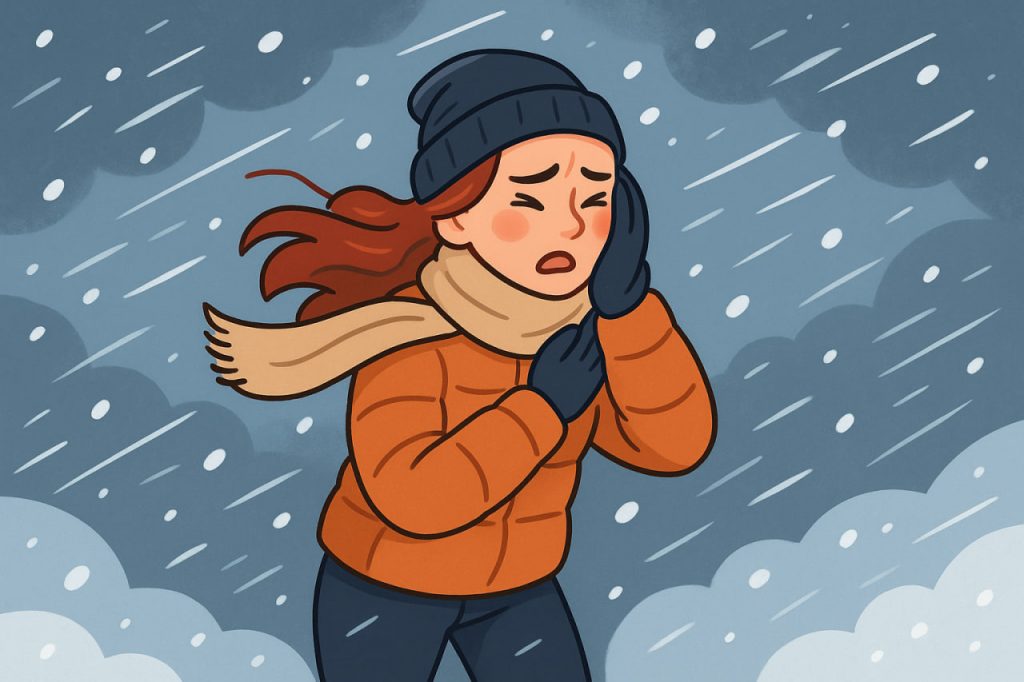
A snowstorm, or blizzard, can develop suddenly and create dangerous conditions that threaten visibility, mobility, and personal safety. Strong winds, heavy snowfall, and rapidly dropping temperatures can disorient even experienced travelers, making it difficult to find shelter or continue moving safely. Understanding how to respond during a snowstorm is essential for preventing accidents, frostbite, hypothermia, and panic. Whether you are on foot, driving, or at home, the key is to stay calm, act strategically, and prioritize warmth and protection. Recognizing risks early and knowing safe actions increases your chances of staying secure until the storm passes or help arrives.
Recognizing Snowstorm Risks and Staying Calm
Snowstorms can impair vision and sound, making familiar places seem unfamiliar and reducing your awareness of surroundings. Fatigue and cold may set in quickly, especially if winds are strong. The most important first step is to avoid panic, because clear thinking ensures better decision-making. Find shelter as soon as possible — a building, vehicle, or windbreak that protects you from direct exposure. As emergency response specialist Dr. Olivia Grant explains:
“Calm decisions save lives in extreme weather —
preparation and clear thinking matter more than speed.”
Understanding that storms often pass within hours helps maintain composure until conditions improve.
If You Are Caught on Foot
If you are walking when the storm hits, stop moving aimlessly. Walking against strong wind drains energy and increases exposure to cold. Instead, look for a nearby building, covered structure, or natural barrier such as a line of trees or large rocks. Cover your mouth and nose with a scarf or sleeve to warm the air you breathe. Protect exposed skin to prevent frostbite by tightening clothing around wrists, neck, and ankles. If possible, send your location to someone before your phone battery drops due to the cold. Staying in one sheltered spot is safer than wandering in low visibility.
If You Are Inside a Car During a Blizzard
When traveling by car, getting stuck in a snowstorm is common. If visibility drops or roads become icy, pull over safely and remain inside the vehicle. Leaving the car can be extremely dangerous because snow can bury footprints and disorient you within minutes. Keep the engine running intermittently to preserve fuel while preventing carbon monoxide buildup by ensuring the exhaust pipe is clear of snow. Turn on hazard lights, conserve phone battery, and wrap yourself in extra clothing or blankets. According to cold-weather safety expert Dr. Samuel Hayes:
“A car becomes your temporary shelter —
staying inside greatly increases your chances of survival.”
Staying warm while conserving resources is key until help arrives.
If You Are at Home During a Snowstorm
When indoors, snowstorms mainly affect heating, electricity, and communications. Stay away from windows to avoid drafts and possible breakage from windborne debris. Dress warmly in layers and use blankets to trap heat. If electricity fails, rely on battery-powered lights and avoid open-flame heating sources, which can be hazardous. Keep water, non-perishable foods, and emergency supplies ready. Staying updated through radio or mobile alerts helps you know when the storm is ending or if evacuation might be needed.
After the Snowstorm Passes
Once the storm calms, hazards may still remain. Snowdrifts, icy surfaces, fallen branches, and hidden obstacles can cause injury. Move carefully, check vehicles for damage, and avoid unnecessary travel until roads are cleared. Inform friends or family that you are safe. Rest and rehydrate, since cold stress affects the body even after the danger has passed.
Interesting Facts
- Wind can reduce the perceived temperature by 20°C or more, increasing frostbite risk dramatically.
- In heavy snow, visibility can drop to less than 1 meter, even in daylight.
- A snowdrift can bury a car in under an hour during strong winds.
- Phones lose battery up to 4× faster in cold temperatures.
- Walking in deep snow burns twice as much energy as walking normally.
Glossary
- Blizzard — a severe snowstorm with strong winds and low visibility.
- Frostbite — injury caused by freezing of the skin and underlying tissues.
- Hypothermia — a dangerous drop in body temperature due to prolonged cold exposure.
- Wind Chill — the perceived temperature when wind increases heat loss from the skin.
- Visibility — the distance you can clearly see ahead, which decreases in snowstorms.