Symbiosis in the wild is one of the most fascinating demonstrations of how life on Earth is interconnected. Rather than existing in isolation, many organisms survive and thrive through close relationships with other species. These interactions range from mutually beneficial partnerships to more complex and unequal associations. Symbiosis shapes ecosystems, drives evolution, and influences how species adapt to changing environments. By studying symbiotic relationships, scientists gain insight into cooperation, dependency, and balance in nature. Understanding symbiosis reveals that survival in the wild is often a shared effort rather than a solitary struggle.
What Is Symbiosis
Symbiosis refers to a long-term biological interaction between two different species living in close association. These relationships are classified based on how each organism is affected. In mutualism, both species benefit; in commensalism, one benefits while the other is unaffected; and in parasitism, one benefits at the expense of the other. According to evolutionary biologist Dr. Caroline Hughes:
“Symbiosis is not a rare exception in nature.
It is a fundamental rule that governs how ecosystems function.”
This concept highlights that interaction, not isolation, is central to life.
Mutualism: When Both Sides Benefit
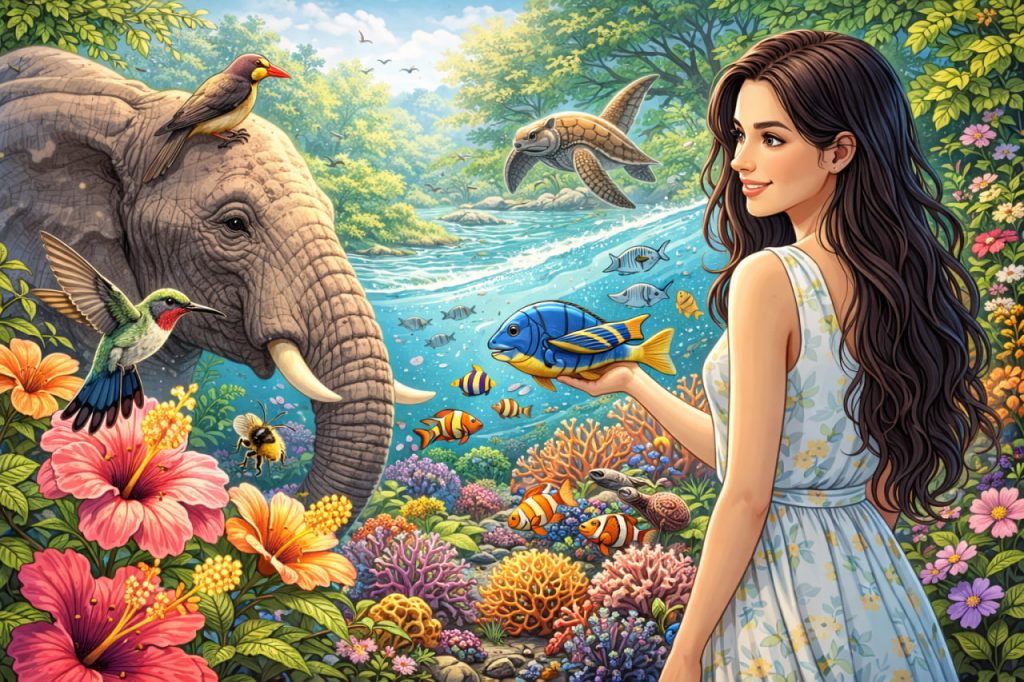
Mutualistic relationships are often the most visible and celebrated forms of symbiosis. A classic example is the partnership between pollinators and flowering plants, where animals receive food while plants achieve reproduction. Another well-known case involves cleaner fish that remove parasites from larger marine animals, benefiting both participants. In terrestrial ecosystems, fungi form symbiotic relationships with plant roots, enhancing nutrient absorption. These partnerships increase survival rates and often allow species to inhabit environments they could not manage alone.
Commensalism and Subtle Partnerships
In commensal relationships, one organism gains an advantage without significantly affecting the other. Birds nesting in trees benefit from shelter, while the tree experiences little to no impact. Similarly, certain marine organisms attach themselves to larger animals for transportation. These interactions are often subtle and easily overlooked, yet they demonstrate how organisms exploit available opportunities without causing harm. Commensalism highlights the efficiency of nature, where resources and structures are reused rather than wasted.
Parasitism and Evolutionary Pressure
Parasitism represents a more challenging form of symbiosis, where one organism benefits while the host is harmed. Parasites range from microscopic organisms to larger animals and often have complex life cycles. While parasitism may seem purely destructive, it plays an important role in regulating populations and driving evolutionary adaptation. Hosts evolve defenses, while parasites evolve strategies to overcome them, creating a dynamic balance. This constant pressure contributes to biodiversity and resilience within ecosystems.
Why Symbiosis Is Essential for Ecosystems
Symbiotic relationships increase ecosystem stability and efficiency. They enable nutrient cycling, energy transfer, and specialization among species. Coral reefs, for example, depend on symbiosis between corals and microscopic algae, forming one of the most productive ecosystems on Earth. Disrupting these relationships can lead to ecosystem collapse, demonstrating their importance. Symbiosis shows that cooperation and interaction are as powerful in evolution as competition.
Interesting Facts
- Coral reefs exist because of symbiosis between corals and algae.
- The human body relies on symbiotic microorganisms for digestion and immunity.
- Some ants farm aphids, protecting them in exchange for nutrient-rich secretions.
- Lichens are a symbiosis between fungi and algae or bacteria.
- Many ecosystems would fail without hidden symbiotic relationships.
Glossary
- Symbiosis — a long-term interaction between different species living together.
- Mutualism — a symbiotic relationship where both species benefit.
- Commensalism — a relationship where one species benefits and the other is unaffected.
- Parasitism — a relationship where one organism benefits at the expense of another.
- Ecosystem Stability — the ability of an ecosystem to maintain balance over time.