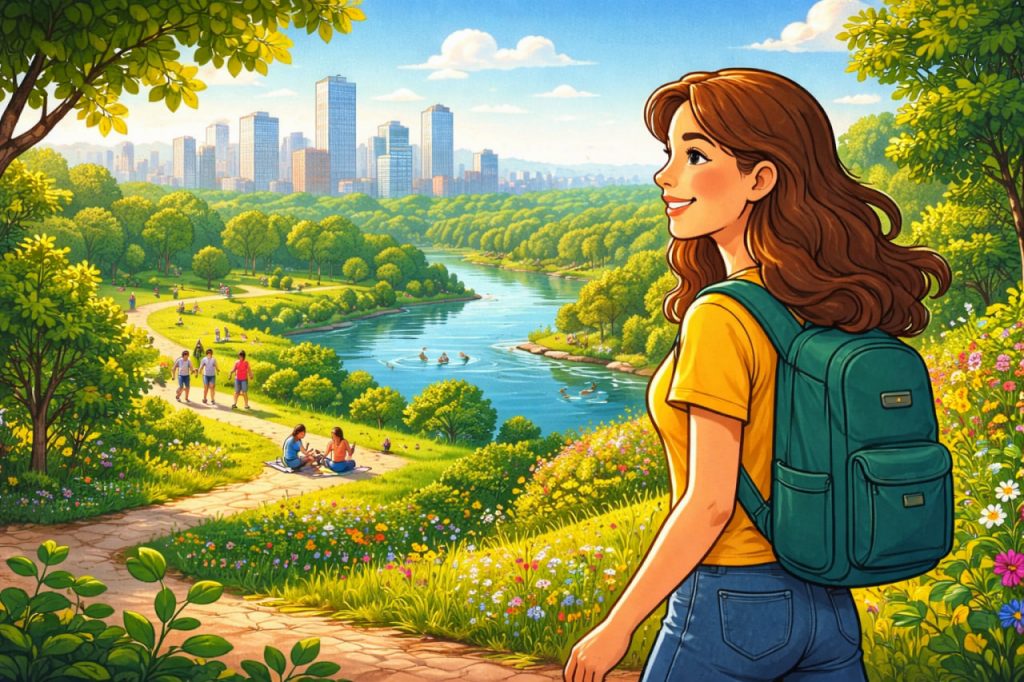
A green belt is a strategically protected area of natural or semi-natural land that surrounds or weaves through an urban environment. It typically includes forests, parks, meadows, wetlands, and agricultural land that are preserved from intensive development. The concept of a green belt was introduced as cities began to expand rapidly, raising concerns about pollution, overcrowding, and the loss of natural landscapes. Today, green belts are considered essential tools for sustainable urban planning, helping cities grow in a healthier and more balanced way. They serve not only as ecological buffers but also as social and economic assets for urban populations. Understanding the role of green belts is crucial as cities face increasing pressure from population growth and climate change.
Environmental Functions of a Green Belt
One of the primary purposes of a green belt is to protect and enhance the urban environment. Vegetation within green belts absorbs carbon dioxide, filters air pollutants, and reduces noise from traffic and industry. Trees and soil also help regulate temperature by mitigating the urban heat island effect, making cities cooler during hot seasons. Green belts play a key role in water management by absorbing rainfall, reducing flood risk, and improving groundwater recharge. Ecologists emphasize that these areas often become biodiversity hotspots, providing habitats and migration corridors for birds, insects, and small mammals. According to urban ecologist Dr. Hannah Lewis:
“Green belts act as the lungs of a city,
continuously cleaning the air and stabilizing local ecosystems.”
Without such zones, cities become more vulnerable to environmental stress and climate extremes.
Health and Well-Being Benefits for Residents
Green belts significantly contribute to physical and mental health. Access to natural spaces encourages walking, cycling, and outdoor recreation, which supports cardiovascular health and mobility. Numerous studies show that exposure to green environments reduces stress, anxiety, and symptoms of depression. Natural landscapes also improve concentration and cognitive recovery, particularly for children and people working in high-pressure environments. Beyond individual benefits, green belts promote social interaction by offering shared spaces for leisure and community activities. These health advantages make green belts an invisible but powerful component of public health infrastructure.
Urban Planning and Controlled City Growth
From a planning perspective, green belts help control urban sprawl by clearly defining where development should stop. By limiting unchecked expansion, cities can focus on efficient land use, improved infrastructure, and higher-quality housing within existing urban areas. Green belts also protect surrounding agricultural land and prevent neighboring towns from merging into continuous urban zones. While some critics argue that green belts can increase housing prices, planners counter that smart zoning and mixed-use development can address these challenges. When managed properly, green belts guide cities toward long-term sustainability rather than short-term growth.
Climate Adaptation and Resilience
As climate risks intensify, green belts play an increasingly important role in urban resilience. Vegetated areas buffer cities against heatwaves, absorb excess rainfall during extreme storms, and reduce the impact of droughts by maintaining soil moisture. In coastal or river-adjacent cities, green belts can act as natural flood defenses. They also provide flexible space for climate adaptation measures, such as restoring wetlands or planting climate-resilient vegetation. Scientists view green belts as cost-effective, nature-based solutions that complement engineered infrastructure.
Cultural, Educational, and Economic Value
Green belts offer more than environmental protection; they enrich urban life culturally and economically. Many include historical landscapes, traditional farmland, or protected natural landmarks that strengthen local identity. Educational programs often use green belts as outdoor classrooms, helping people understand ecology and sustainability firsthand. Economically, proximity to green spaces increases property value and attracts tourism and investment. Cities that invest in green belts often experience long-term economic benefits alongside environmental gains.
Interesting Facts
- The first modern green belts were established in the early 20th century to combat industrial pollution.
- Urban trees can reduce surrounding air temperatures by up to 5°C during heatwaves.
- Green belts help cities store and absorb millions of liters of rainwater annually.
- People living near green spaces report lower stress levels and better overall health.
- Many global cities are now expanding green belts as part of climate adaptation strategies.
Glossary
- Green Belt — a protected zone of natural or semi-natural land around or within a city, limiting development.
- Urban Sprawl — uncontrolled expansion of urban areas into surrounding landscapes.
- Urban Heat Island — a phenomenon where cities are warmer than nearby rural areas due to human activity.
- Biodiversity — the variety of living organisms within a specific area or ecosystem.
- Climate Resilience — the ability of a city to adapt to and recover from climate-related stresses.