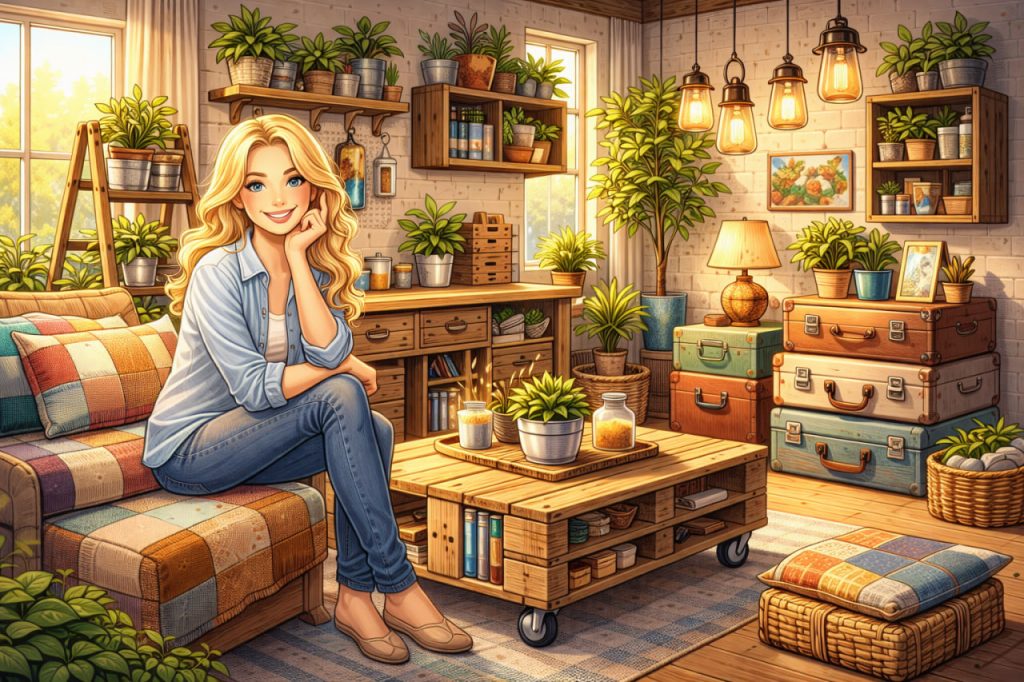
Upcycling is a creative and practical approach to sustainability that gives everyday objects a second life instead of sending them to waste. Unlike recycling, which breaks materials down, upcycling transforms items into something new while preserving their original structure. This approach reduces resource consumption, limits waste, and adds unique character to living spaces. In a world of mass production, upcycled items stand out through individuality and purpose. Beyond environmental benefits, upcycling encourages creativity and mindful consumption. Turning old things into functional home elements shows how sustainability and design can work together.
What Makes Upcycling Different
Upcycling focuses on reimagining function, not just reprocessing materials. An object keeps much of its original form, but gains a new role through design and creativity. This approach saves energy compared to industrial recycling and avoids additional manufacturing steps. It also reduces the demand for new raw materials. Upcycling turns perceived “waste” into resources, shifting how people value everyday objects. This mindset change is as important as the physical transformation itself.
Furniture from Unexpected Materials
Old furniture pieces are among the most popular candidates for upcycling. Wooden pallets can become coffee tables, shelves, or bed frames with minimal modification. Old ladders can be transformed into bookcases or towel racks. Chairs with broken seats may be repurposed into plant stands or wall-mounted storage. These projects extend the life of materials while creating unique interior elements. Upcycled furniture often carries visible traces of its past, adding character and story to the home.
Glass, Metal, and Containers
Glass jars, bottles, and metal containers offer endless possibilities. Jars can become storage containers, candle holders, or lighting elements. Bottles may be turned into vases or decorative accents. Metal cans can serve as organizers, planters, or lampshades with simple modifications. These materials are durable and easy to adapt, making them ideal for beginner projects. Reusing containers also reduces single-use waste in everyday life.
Textiles and Soft Materials
Old textiles are especially versatile in upcycling projects. Worn clothes, curtains, or bed linens can be transformed into pillow covers, quilts, rugs, or reusable bags. Even small fabric scraps can be used for patchwork or decorative details. Upcycling textiles reduces the environmental impact of fast fashion and extends the lifespan of fabrics. These projects often combine practicality with emotional value, preserving memories while creating something useful.
Decorative and Functional Storage
Many upcycling ideas focus on improving storage while enhancing aesthetics. Wooden crates can become modular shelving systems. Suitcases can be converted into storage benches or wall cabinets. Drawers removed from old furniture may serve as open shelves or organizers. These solutions combine functionality with creativity, adapting storage to individual needs rather than standardized products. Upcycled storage often fits spaces more flexibly than store-bought alternatives.
Why Upcycling Supports Sustainable Living
Upcycling supports sustainability by reducing waste, lowering demand for new products, and encouraging thoughtful consumption. Each reused item represents resources saved—from raw materials to energy and transportation. Beyond environmental impact, upcycling promotes a slower, more intentional approach to home design. It encourages people to repair, adapt, and appreciate what they already own. This shift aligns everyday living with long-term environmental responsibility.
Making Upcycling Part of Everyday Life
Incorporating upcycling into daily life does not require advanced skills. Starting with small projects builds confidence and creativity. Observing objects not for what they are, but for what they could become, changes how people interact with material goods. Over time, upcycling becomes not just a hobby, but a sustainable habit. Homes shaped by upcycled elements reflect values as much as personal style.
Interesting Facts
- Upcycling saves more energy than traditional recycling.
- Many upcycled items outlast mass-produced alternatives.
- Furniture upcycling reduces demand for new timber.
- Textile upcycling helps reduce fashion waste.
- Each upcycled object carries a unique design history.
Glossary
- Upcycling — transforming old items into new, higher-value products.
- Sustainable Living — lifestyle choices that reduce environmental impact.
- Reuse — extending the life of products without major processing.
- Material Footprint — total resources used to produce an item.
- Mindful Consumption — thoughtful use of resources and products.