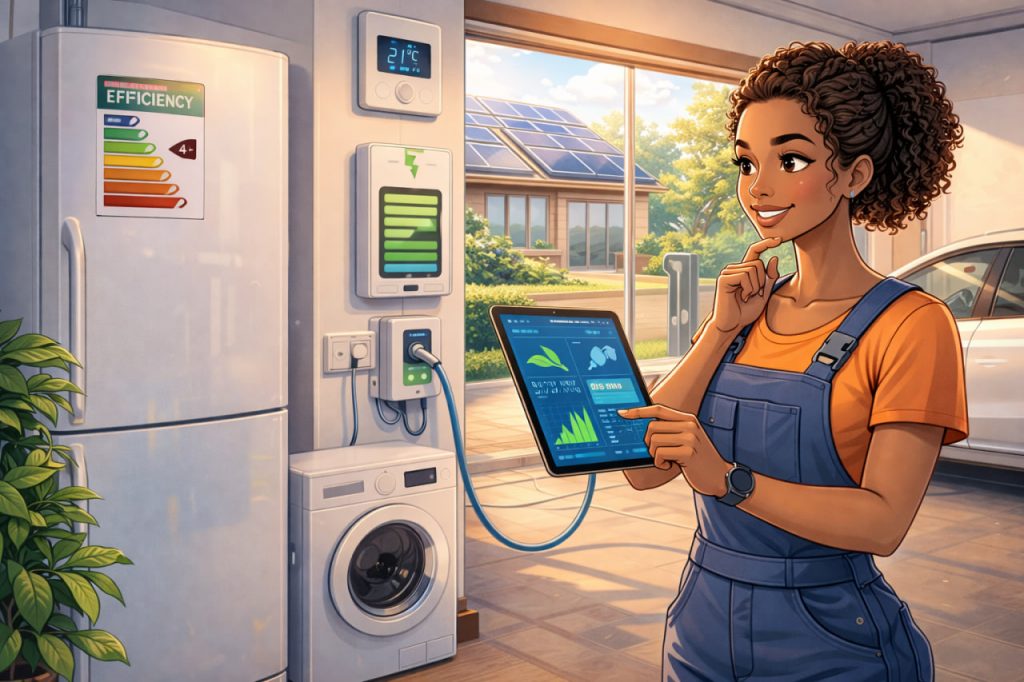
When people think about solving global energy challenges, they often focus on building new power plants, developing renewable technologies, or discovering new energy resources. However, one of the most powerful and often overlooked solutions is energy efficiency—the ability to use less energy while maintaining the same level of comfort, productivity, or performance. Improving efficiency reduces the need for additional energy production and lowers environmental impact at the same time. By optimizing how energy is used in buildings, transportation, and industry, societies can significantly decrease overall energy demand. Many experts consider energy efficiency to be the “first fuel”, meaning that the cleanest and cheapest energy is the energy that never needs to be produced in the first place.
What Energy Efficiency Means
Energy efficiency refers to using technology and design solutions that require less energy to perform the same task. For example, an energy-efficient light bulb produces the same brightness as a traditional bulb but consumes much less electricity. Similarly, well-insulated buildings require less heating in winter and less cooling in summer. According to energy systems specialist Dr. Michael Anders:
“Energy efficiency is often the fastest and most cost-effective way to reduce energy consumption and emissions.”
Instead of focusing only on producing more energy, efficiency focuses on using energy more intelligently.
Energy Efficiency in Buildings
Buildings are responsible for a significant portion of global energy consumption. Heating, cooling, lighting, and electrical appliances all require energy to operate. By improving building insulation, installing energy-efficient windows, and using modern heating systems, energy consumption can be reduced dramatically. Smart thermostats and automated building management systems can also optimize energy use by adjusting temperature and lighting according to occupancy and time of day. These improvements help reduce energy costs while maintaining comfort for occupants.
Efficient Technologies and Appliances
Modern technologies have made significant progress in reducing energy consumption. High-efficiency appliances such as refrigerators, washing machines, and air conditioning systems use advanced designs to perform their tasks with less electricity. LED lighting, for example, uses far less energy than traditional incandescent bulbs and lasts much longer. Industrial equipment is also becoming more efficient through improved motors, sensors, and automated systems that monitor energy use in real time.
Transportation and Energy Efficiency
Energy efficiency also plays an important role in transportation. Modern vehicles are designed with improved aerodynamics, lighter materials, and more efficient engines that reduce fuel consumption. Electric vehicles represent another step toward efficient transportation because electric motors convert a much larger portion of energy into motion compared with internal combustion engines. Public transportation systems and urban planning can also reduce overall energy use by decreasing reliance on individual vehicles.
Why Efficiency Matters for the Future
As global populations grow and energy demand increases, improving energy efficiency becomes increasingly important. Efficiency measures help reduce greenhouse gas emissions, lower energy costs, and decrease pressure on natural resources. Because efficiency improvements can often be implemented quickly and economically, they are considered one of the most practical strategies for achieving sustainable energy systems. By focusing on smarter energy use rather than simply increasing energy production, societies can move toward a more balanced and sustainable energy future.
Interesting Facts
- Energy efficiency improvements can significantly reduce global energy demand without reducing comfort.
- LED lighting uses far less electricity than traditional incandescent bulbs.
- Well-insulated buildings can reduce heating and cooling energy consumption dramatically.
- Electric motors can convert most of their energy into motion, making them highly efficient.
- Many countries promote energy-efficient technologies through standards and efficiency programs.
Glossary
- Energy Efficiency — using less energy to perform the same task or provide the same service.
- LED Lighting — energy-efficient light technology that uses light-emitting diodes.
- Insulation — materials used to reduce heat transfer in buildings.
- Smart Thermostat — a device that automatically regulates indoor temperature to optimize energy use.
- Energy Demand — the total amount of energy required by consumers and industries.