
How Light Pollution Affects the Environment and Humans
Light pollution is the excessive or misdirected use of artificial light that brightens the night sky and disrupts natural cycles.
Useful articles about nature and the world around us
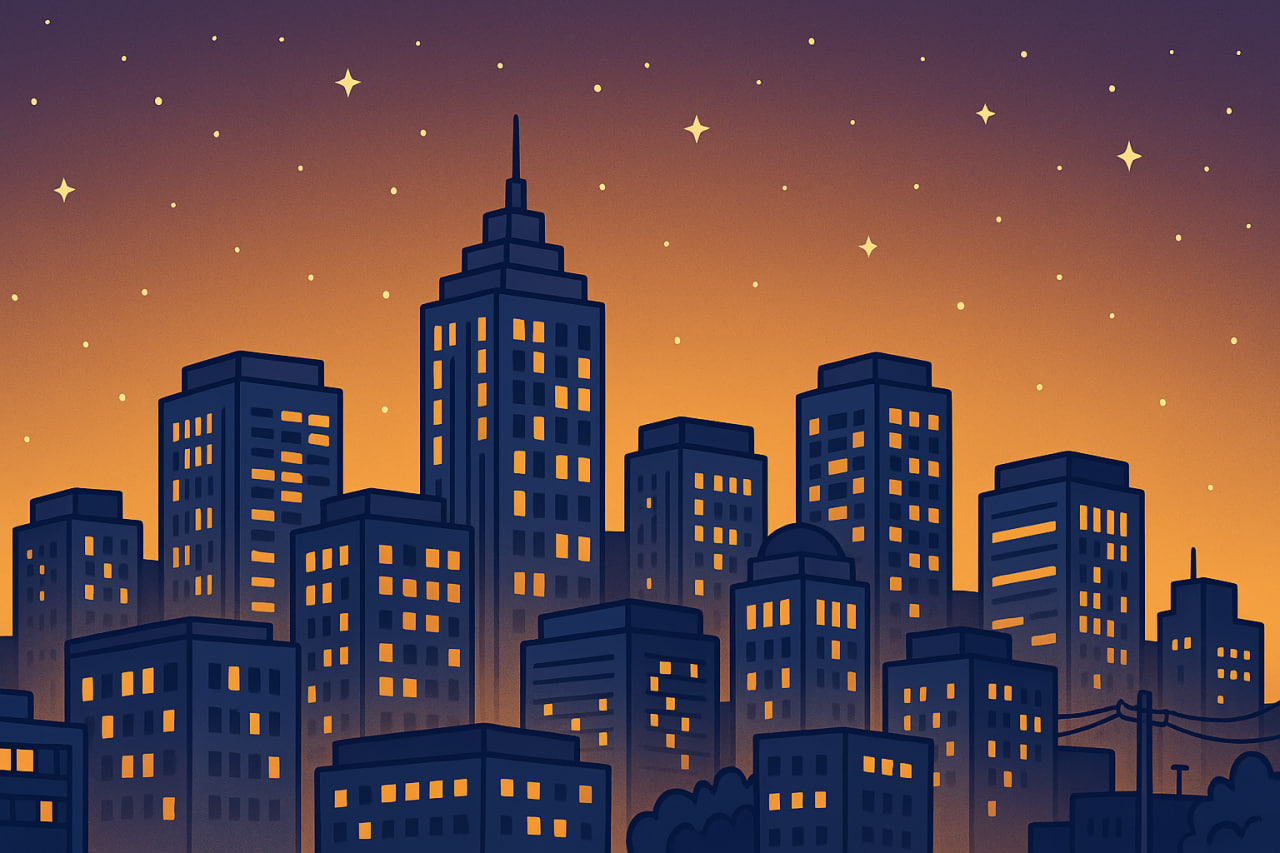
Light pollution is the excessive or misdirected use of artificial light that brightens the night sky and disrupts natural cycles.
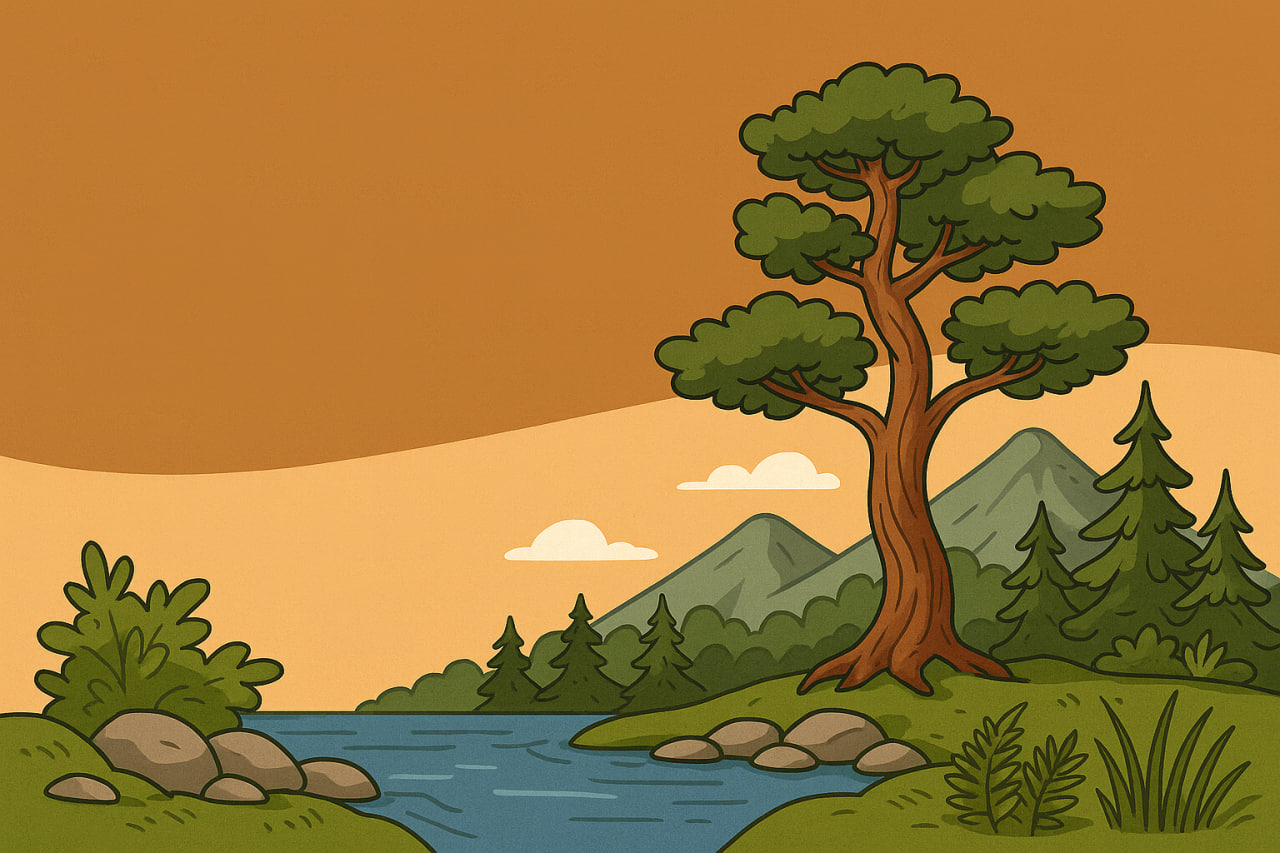
Relict zones are unique natural areas that have preserved ecosystems, species, or landscapes from earlier geological or climatic periods.
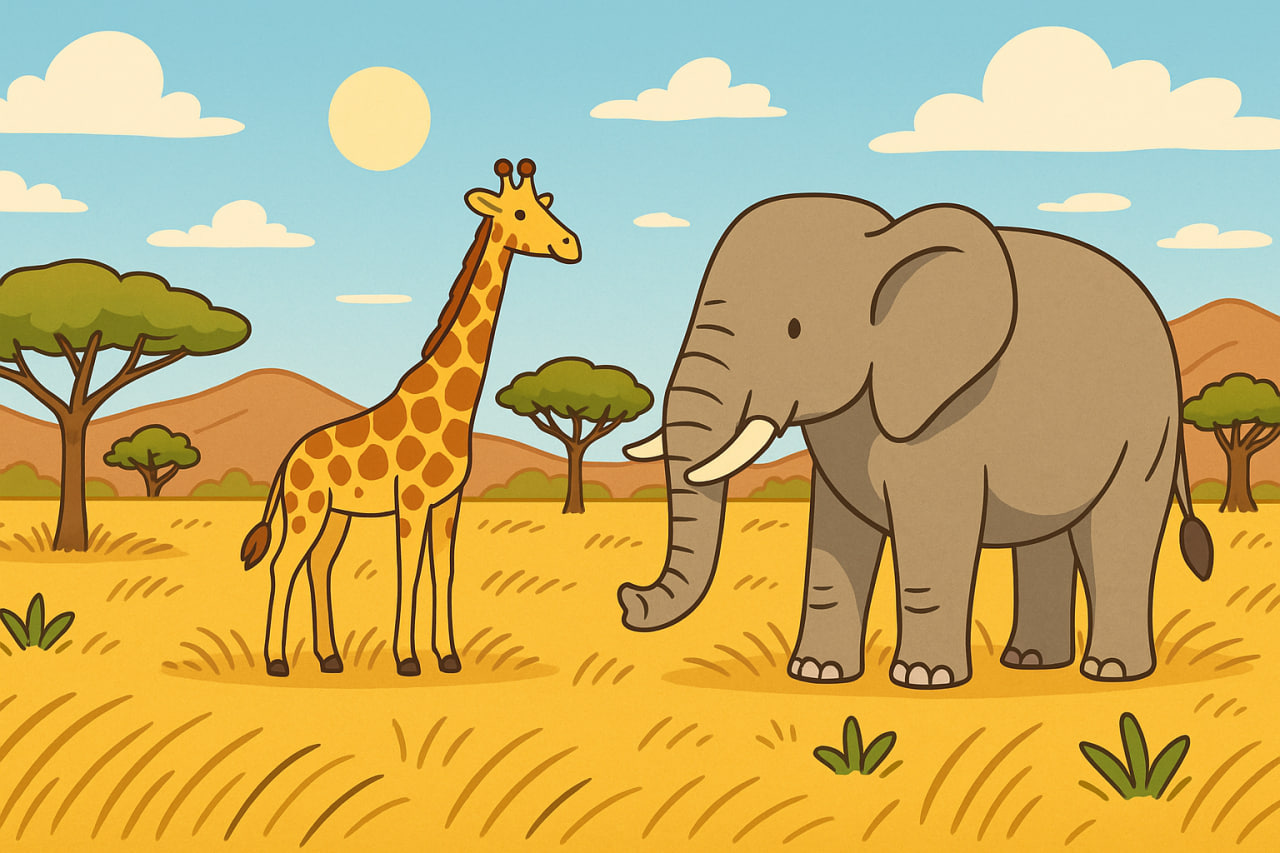
Savannas are vast ecosystems characterized by a mix of grasslands and scattered trees. They cover large regions of Africa, South America, Australia, and parts of Asia.
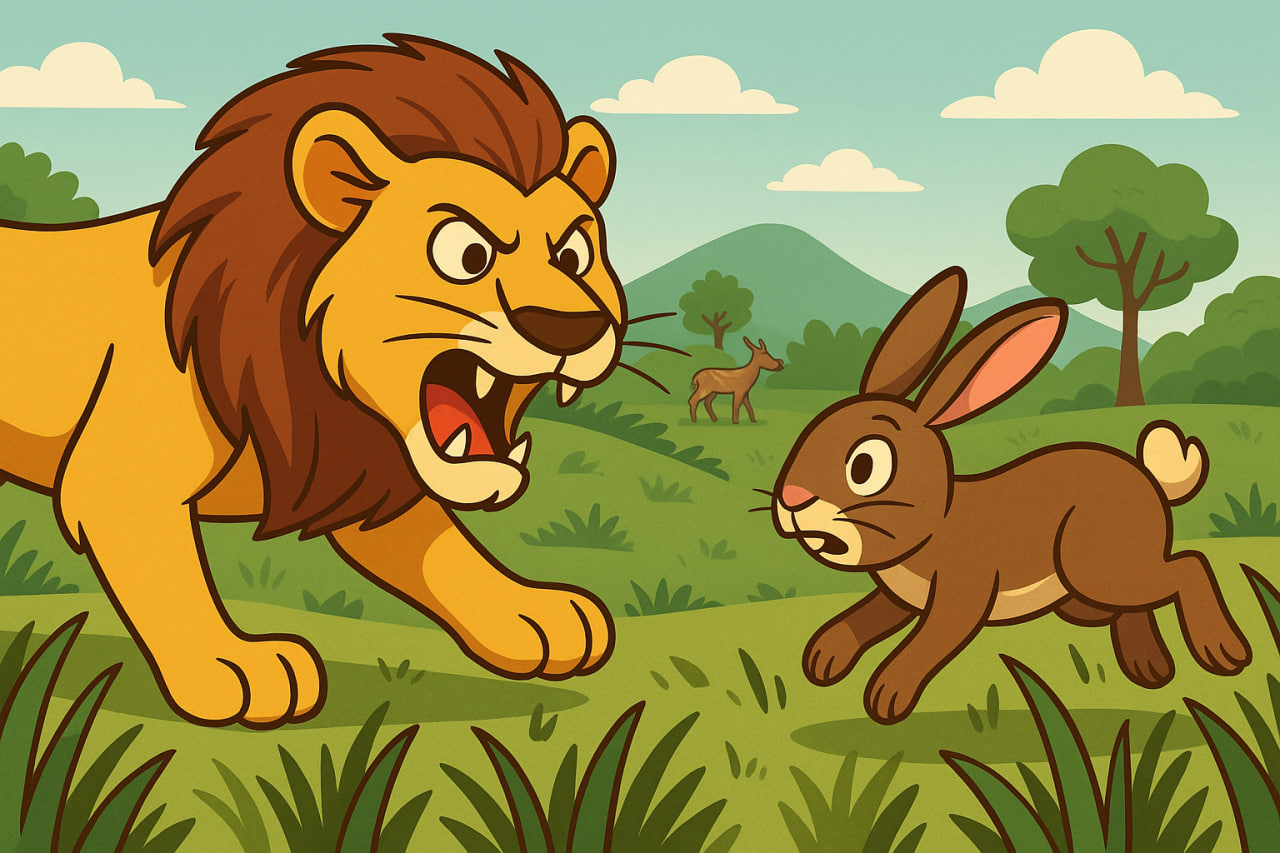
The relationship between predators and prey is one of the most fundamental interactions in nature. It shapes ecosystems, controls populations, and drives evolution.
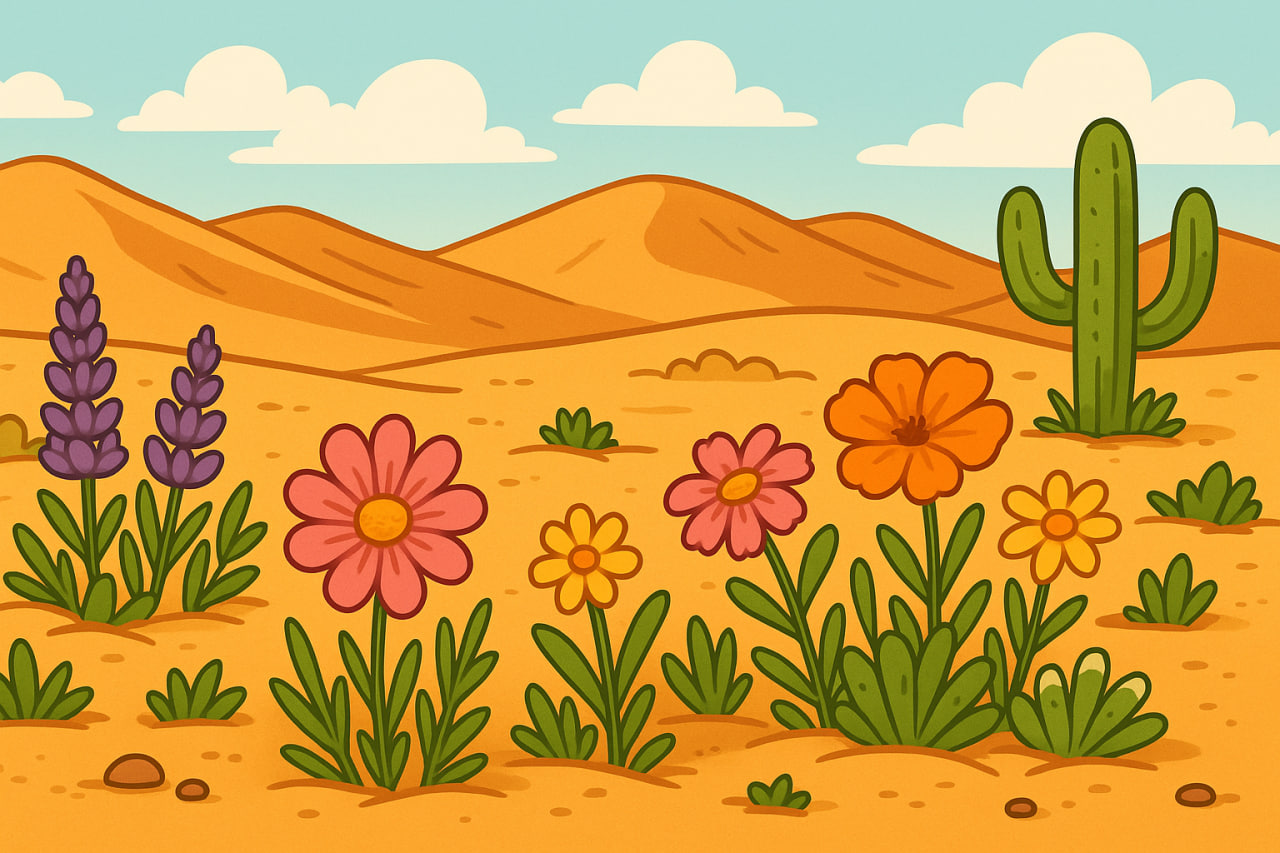
Deserts, often seen as barren and lifeless landscapes, can sometimes transform into fields of vibrant flowers.
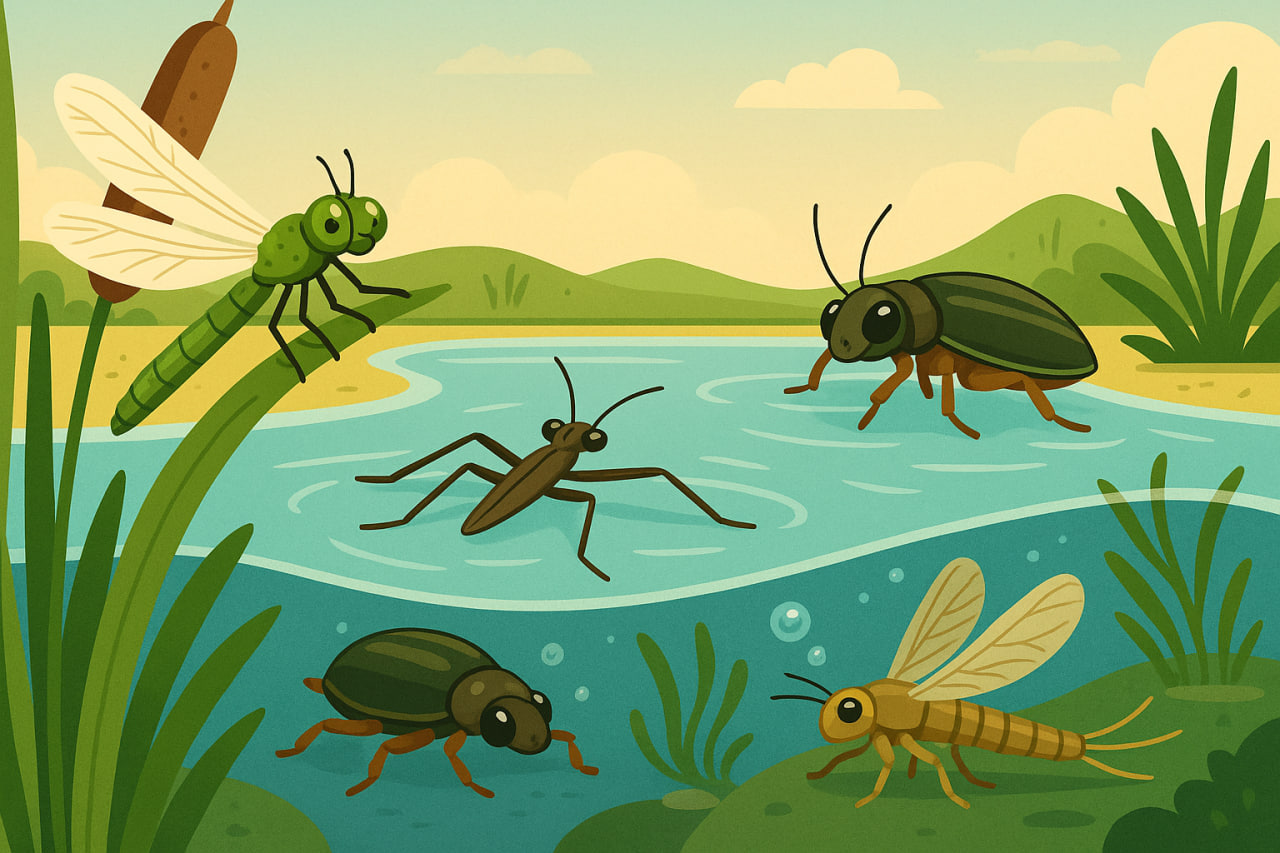
Aquatic insects are a diverse group of insects that spend part or all of their life cycles in water.
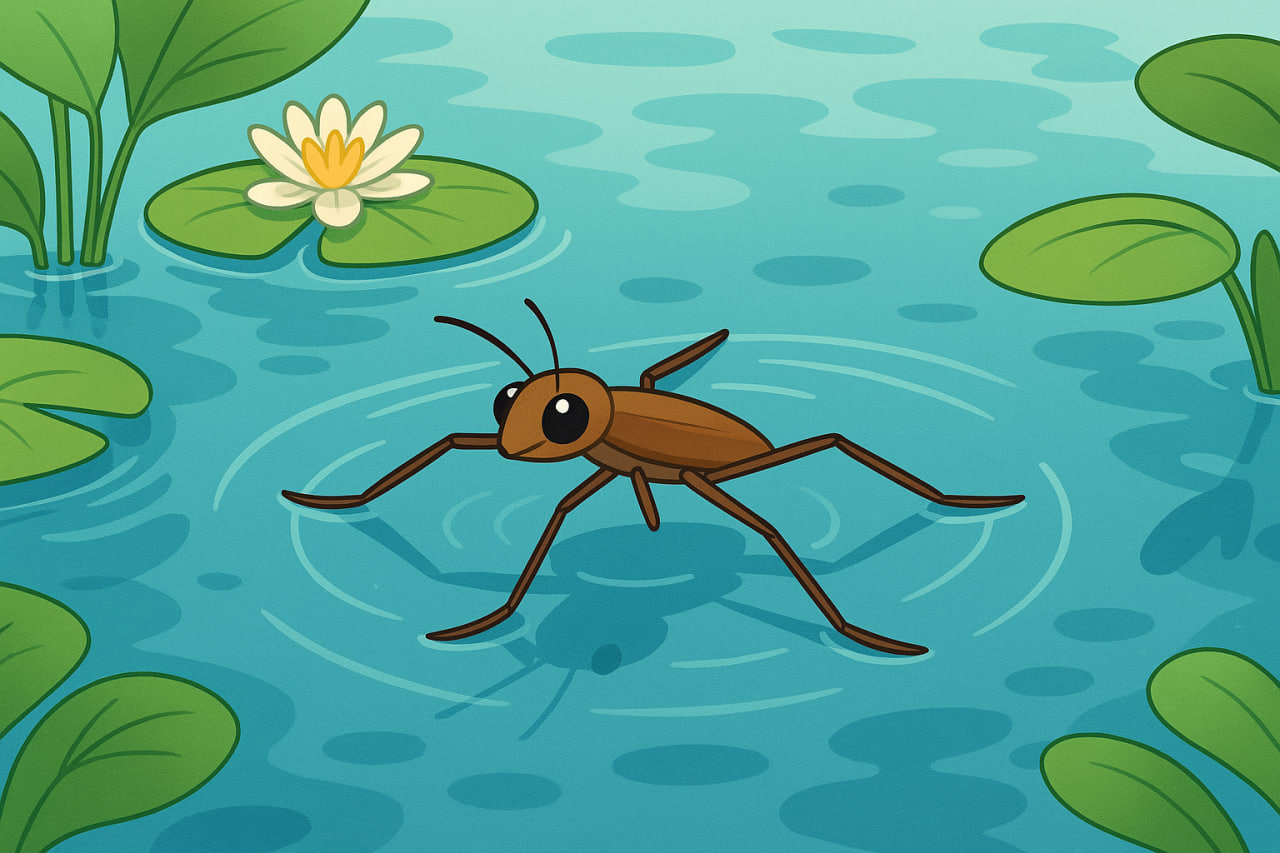
Water striders are fascinating insects known for their ability to walk effortlessly across the surface of ponds, lakes, and slow-moving streams.
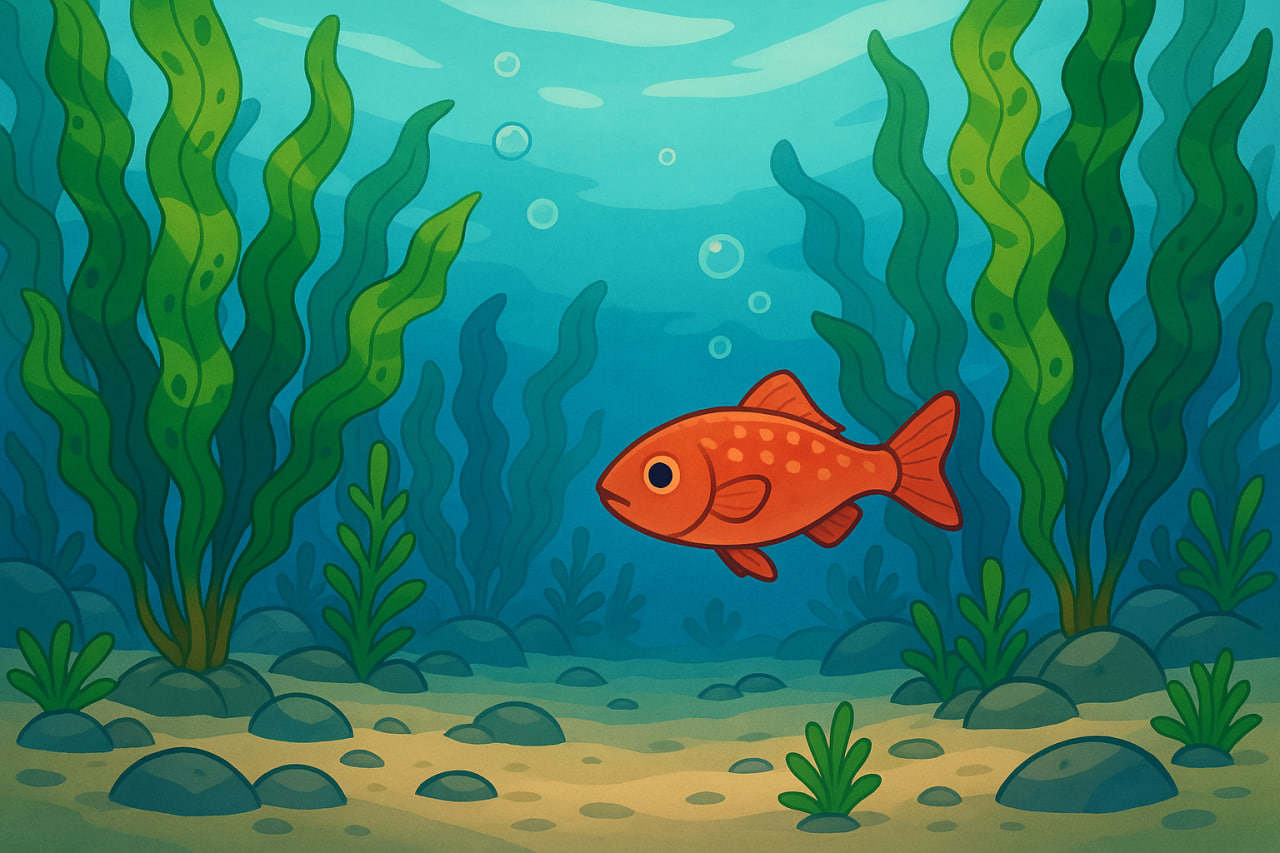
Underwater forests are extraordinary ecosystems made up of large aquatic plants, such as kelp and seagrasses, that grow in oceans, seas, and freshwater bodies.
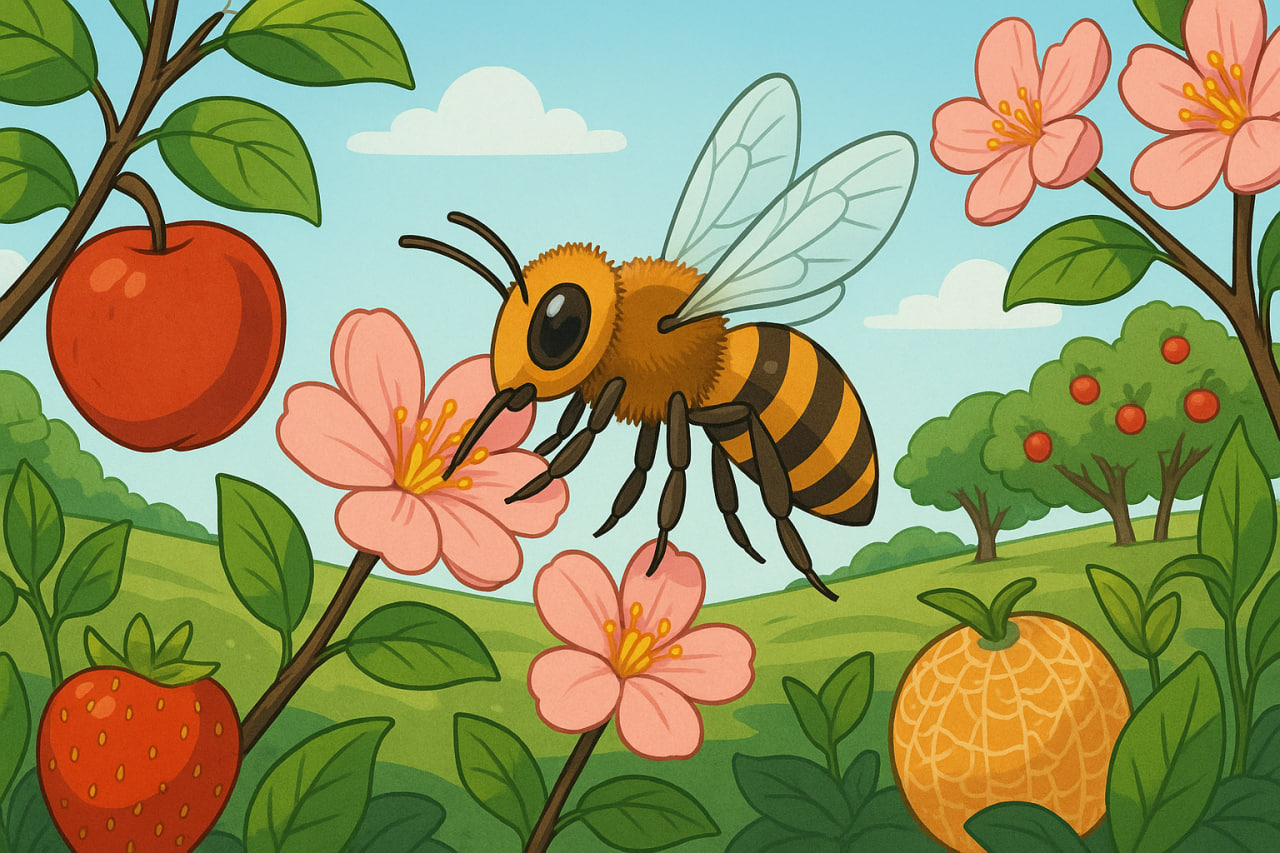
Insects play one of the most important roles in nature by helping plants reproduce. Many of the fruits we eat—such as apples, cherries, strawberries, and melons—exist thanks to insect...
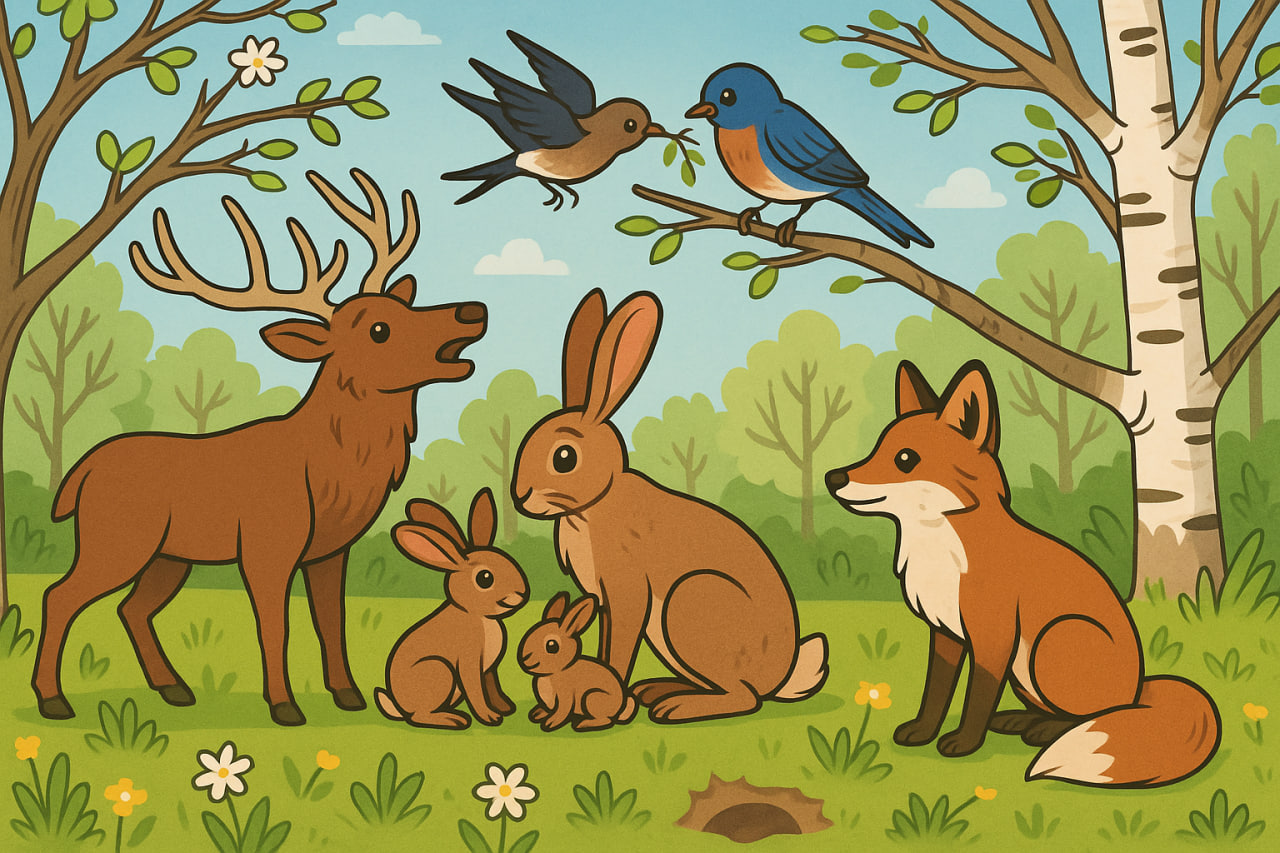
Spring is a season of renewal, and with it comes remarkable changes in the behavior of animals.