
What to Do After a Natural Disaster: Essential Safety Steps and Recovery Tips
The earthquake has stopped, the storm has passed, or the floodwater is finally receding. Outside are blocked roads, dark houses, and distant sirens.
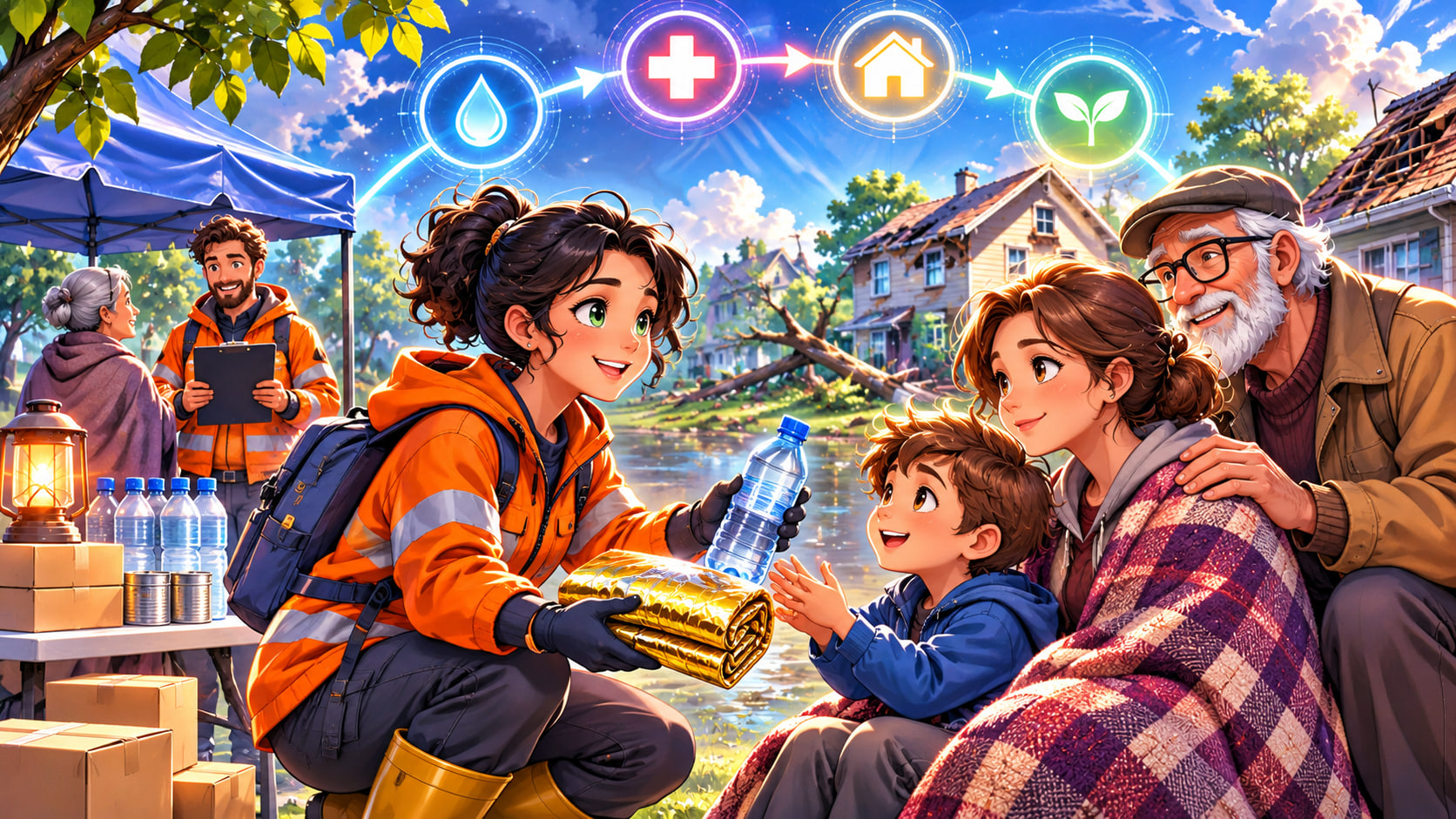
The earthquake has stopped, the storm has passed, or the floodwater is finally receding. Outside are blocked roads, dark houses, and distant sirens.
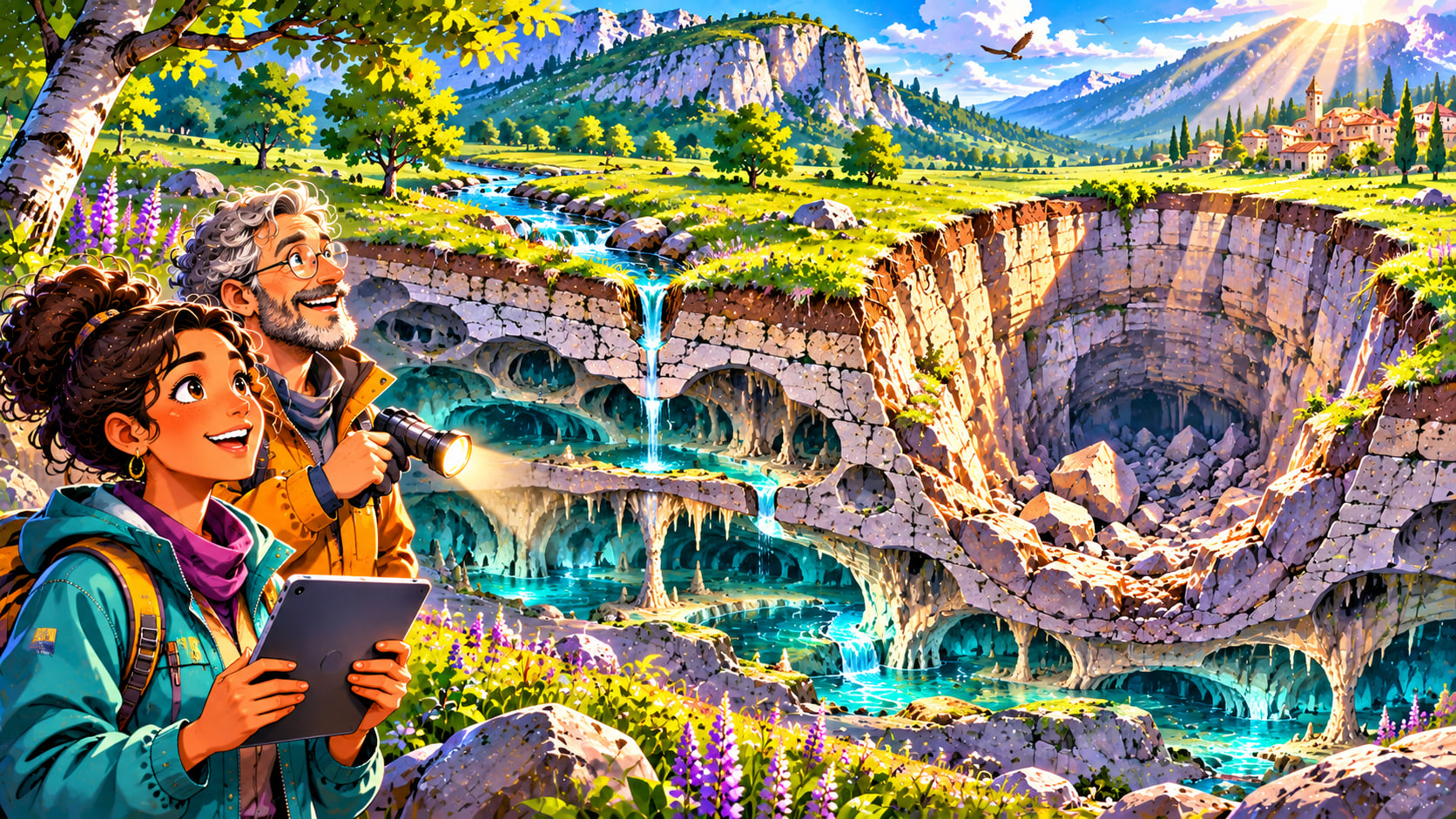
A field develops a shallow dent; elsewhere, a road gives way and exposes a dark hole. To onlookers, the ground seems to swallow the landscape without warning.
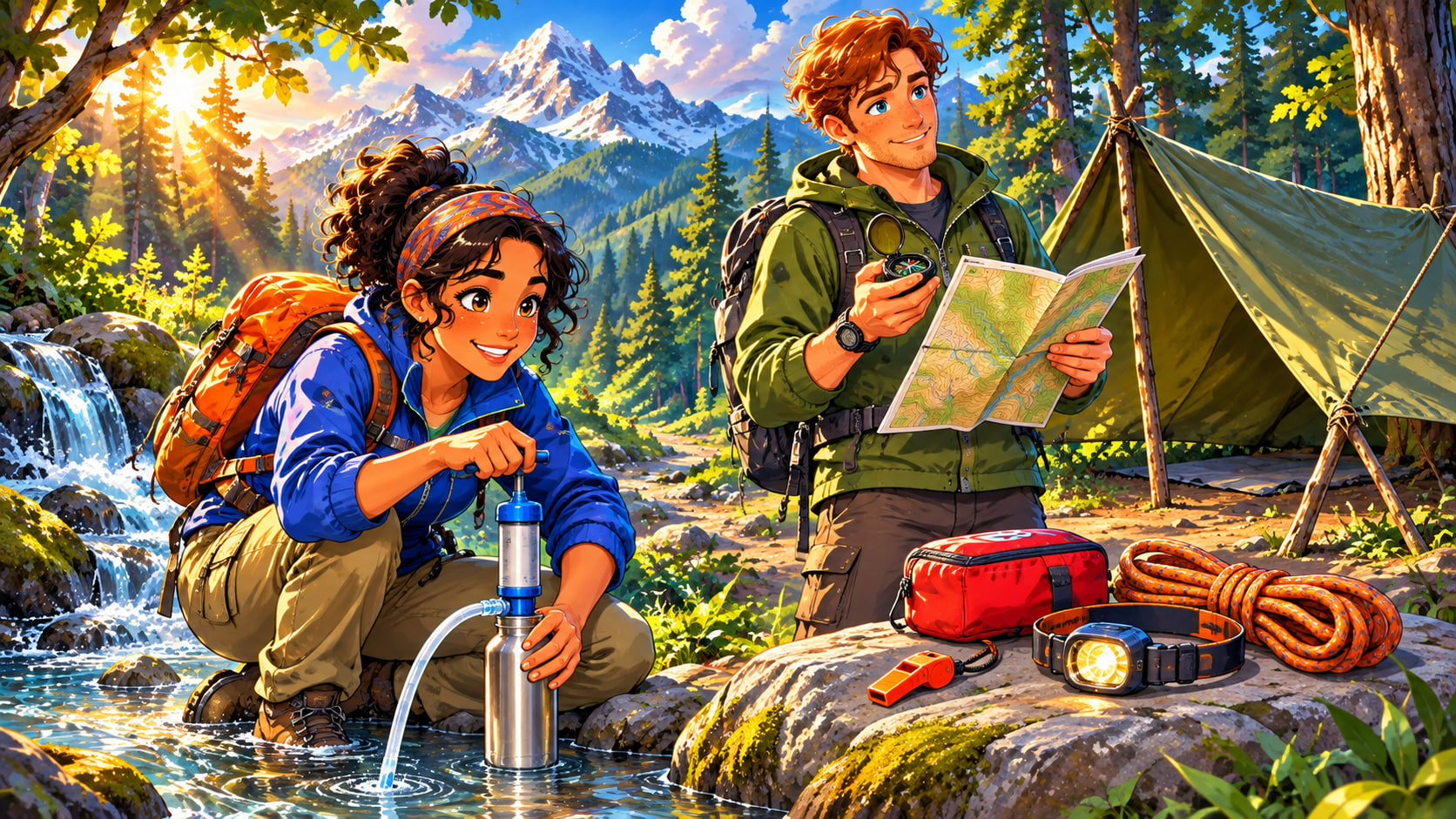
Imagine walking through a beautiful forest when the trail suddenly disappears. Your phone has no signal, the temperature is dropping, and the sun is approaching the horizon.

Imagine lowering a camera into the ocean until the last trace of daylight disappears. Below lies a landscape of mountains, volcanic vents, and animals that have never seen sunlight.

Imagine standing on a hill overlooking what should be a modern city. Instead of skyscrapers, highways, and crowded streets, an enormous wilderness stretches toward the horizon.

A new phone arrives, the packaging comes off, and for a moment everything feels exciting.
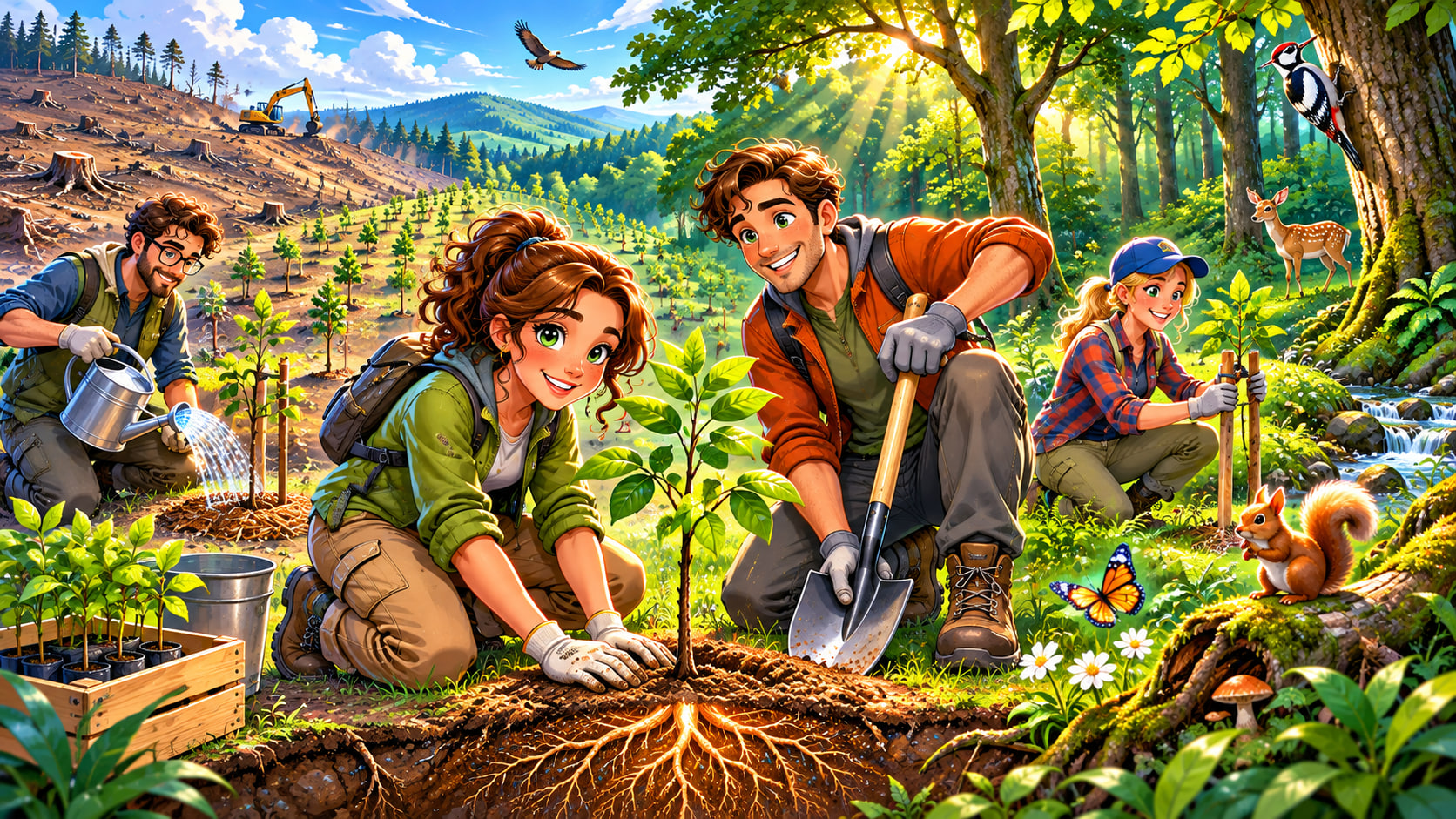
Every year, thousands of volunteers gather with shovels, gloves, and young trees, hoping to restore damaged landscapes.
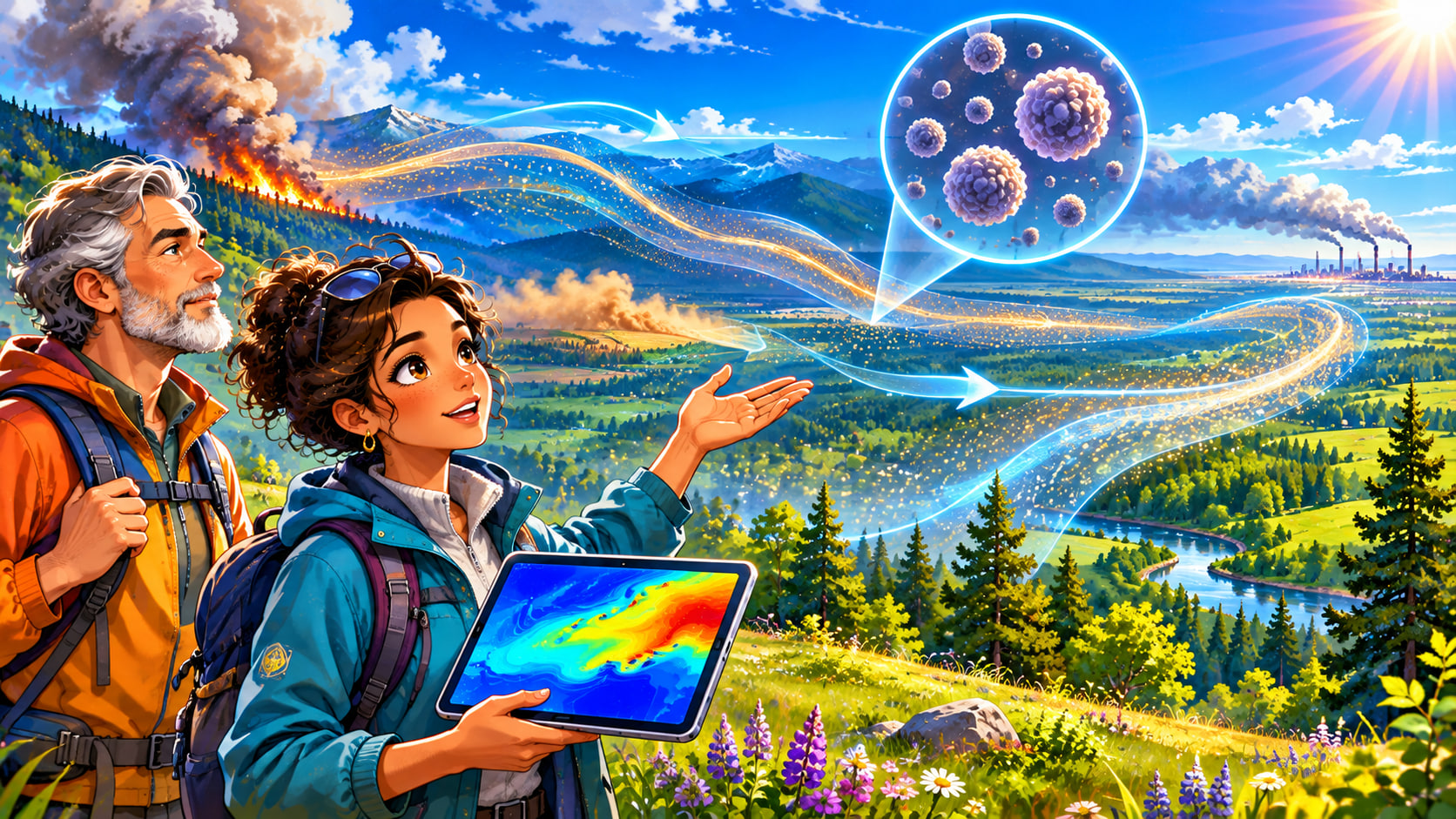
Imagine standing in a peaceful countryside meadow, surrounded by green forests, distant mountains, and a brilliant blue sky.

A pan smokes while you answer a message. A heater stands beside a curtain. A charger disappears beneath a pillow. Each seems harmless until heat and fuel combine.

Imagine walking past a complete stranger on the other side of the world and discovering that you share an ancestor.