
Global Crisis on Our Planet: Understanding the Biggest Environmental Challenges Facing Earth
The Earth is experiencing one of the most significant periods of environmental change in human history.
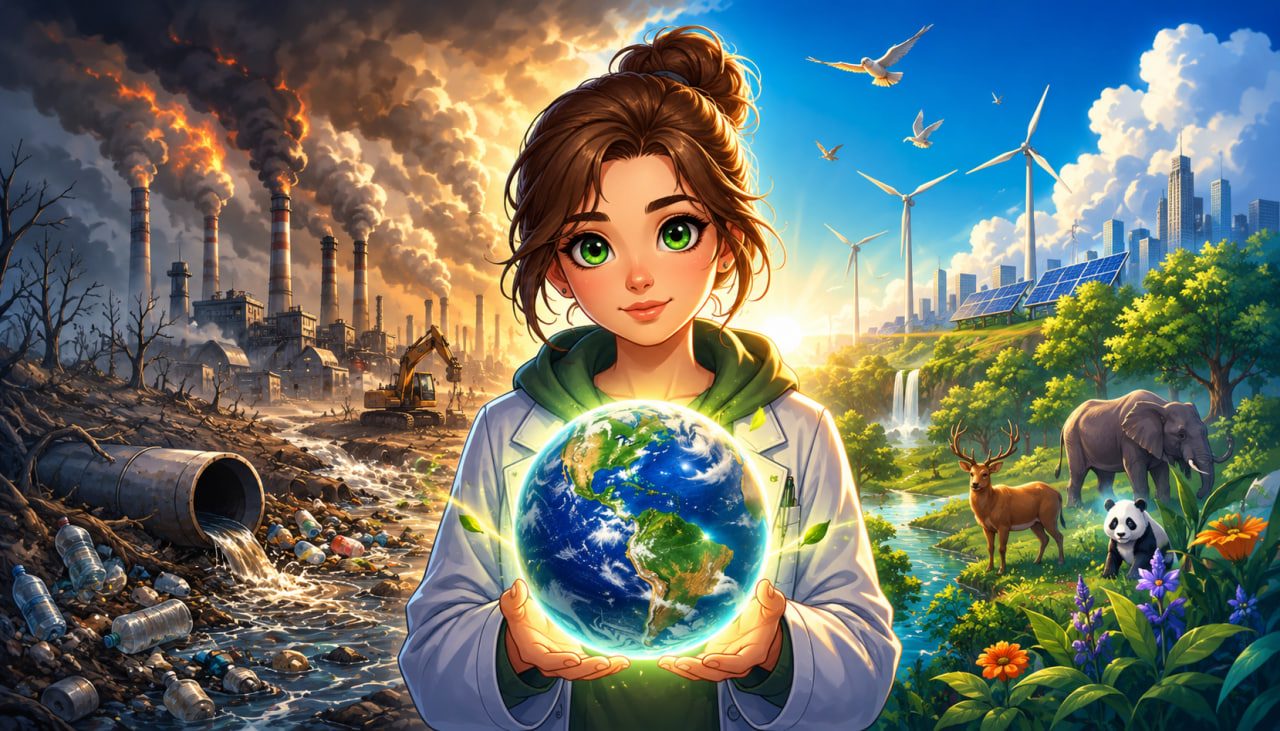
The Earth is experiencing one of the most significant periods of environmental change in human history.
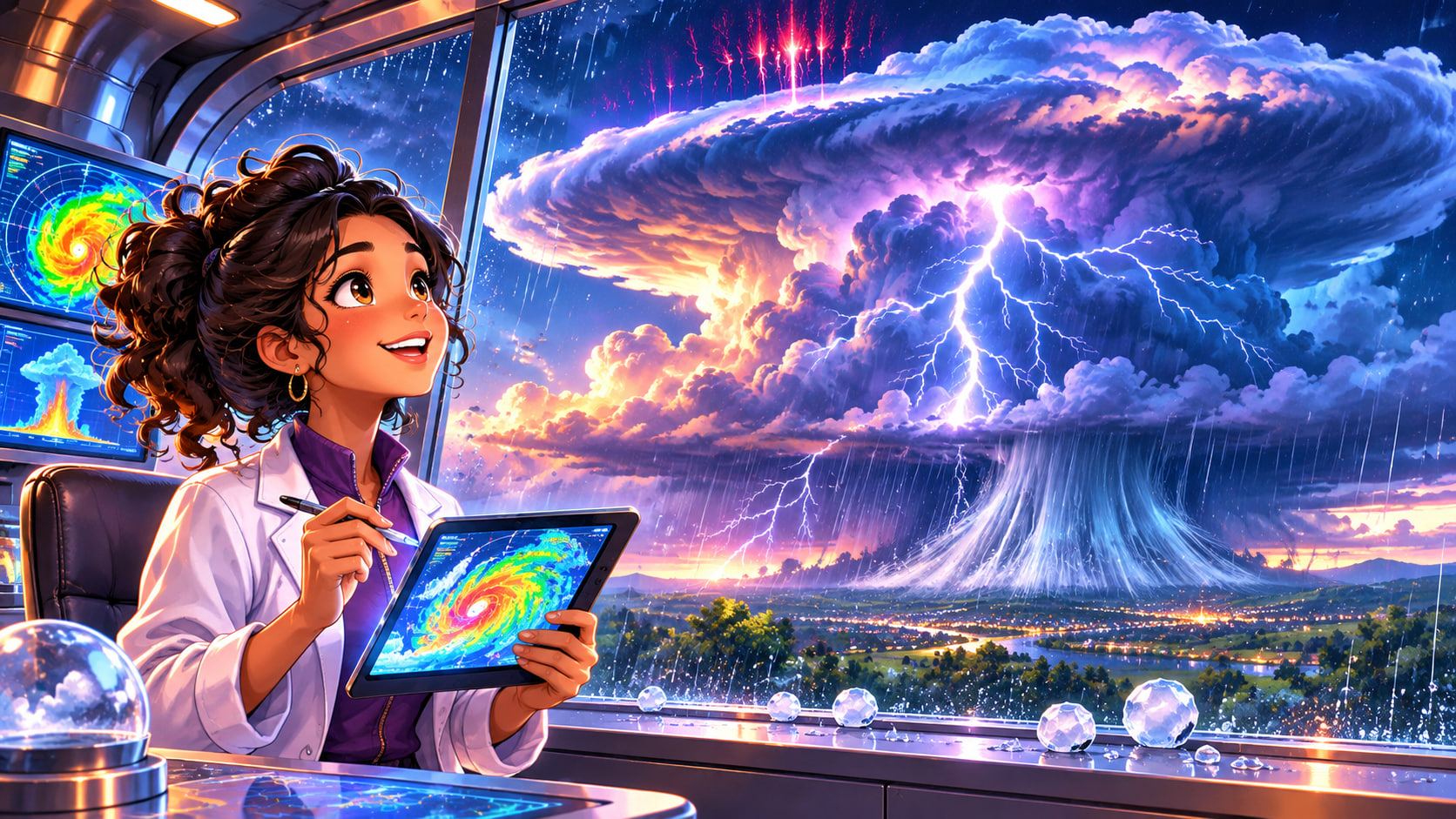
A warm afternoon turns strangely dark. Leaves begin to twist in a rising wind, distant clouds pile up like mountains, and suddenly a brilliant flash divides the horizon.
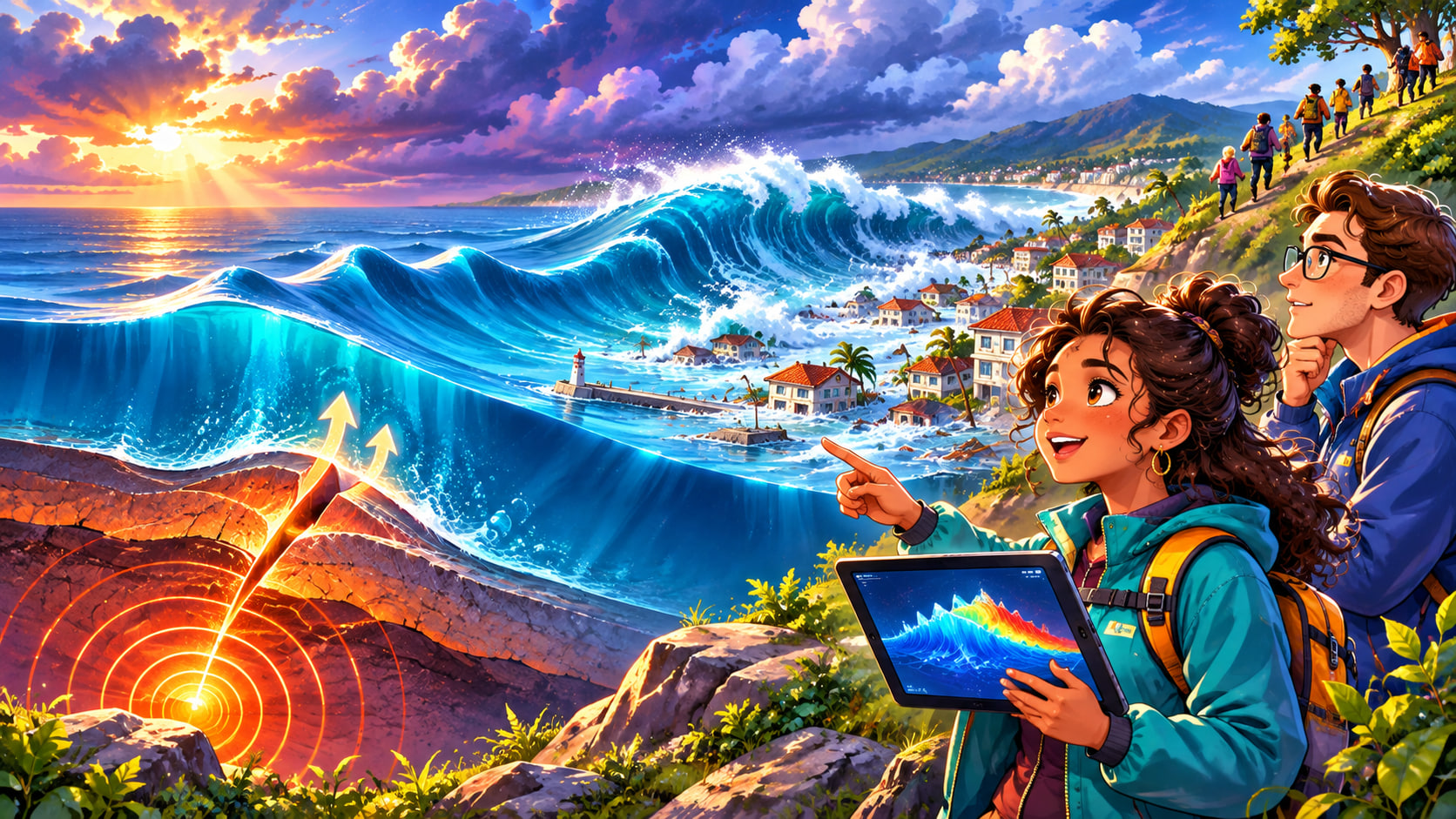
A beach can seem calm even as an underwater earthquake sends energy toward it from thousands of kilometers away.

The storm arrives after midnight. Rain rattles the windows, and electricity flickers. By morning, neighboring houses may show very different damage.

One September morning, a maple is still green. A few weeks later, its branches glow orange and red, and the sidewalk beneath it disappears under fallen leaves.

A snowy forest appears silent until you notice the tiny clues: a bird among the branches, fresh animal tracks, and ice crystals sparkling in the weak sunlight.

The sky darkens, the wind grows louder, and weather alerts begin appearing on your phone.
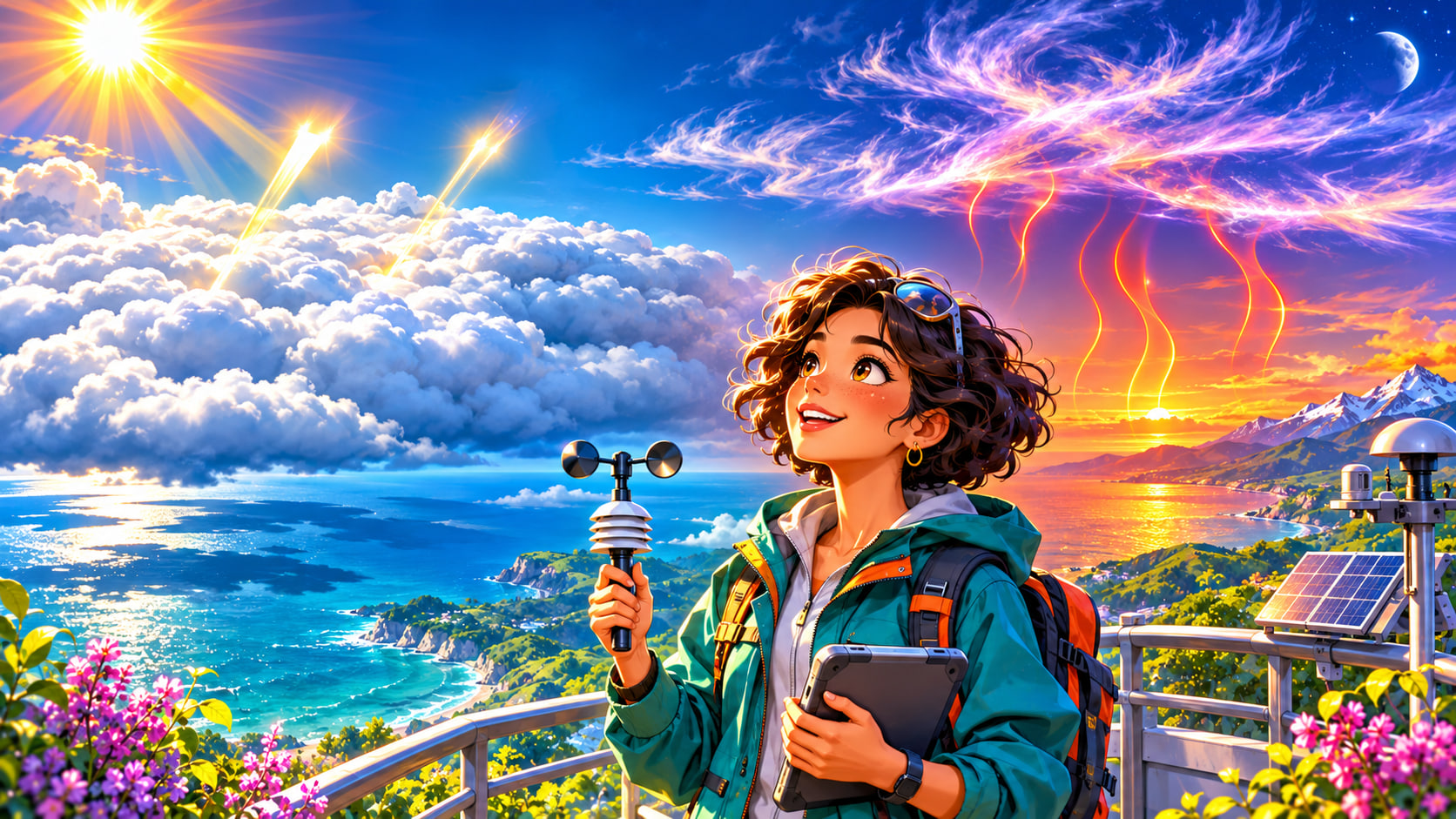
A cloud drifts across the sun, and the afternoon suddenly feels cooler. Hours later, an overcast sky can keep the night surprisingly mild. The same clouds can also slow heat's escape into space.
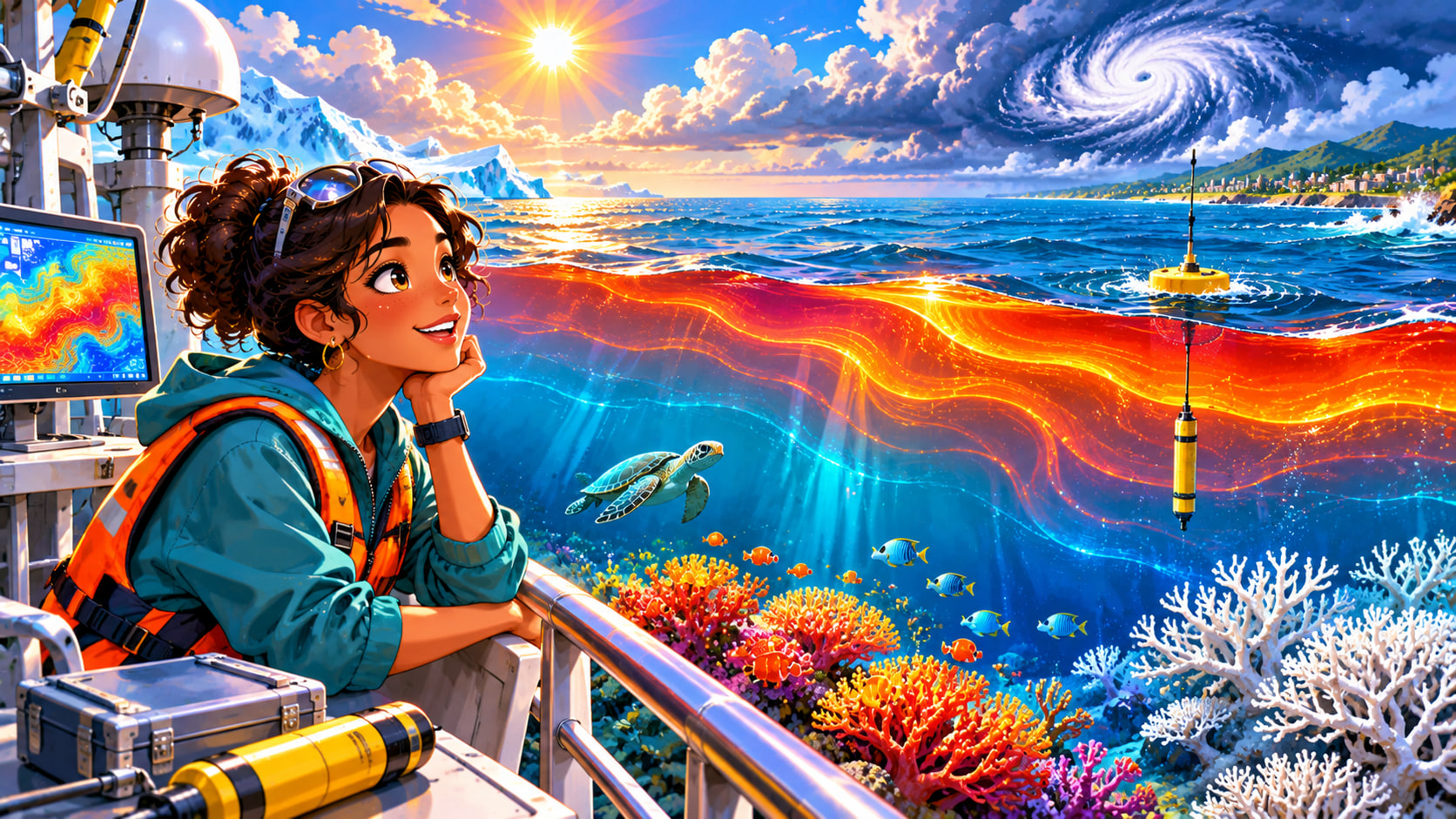
A swimmer may notice unusually warm coastal waters. Offshore, the larger change is invisible: the ocean is storing vast amounts of heat thousands of meters below the surface.
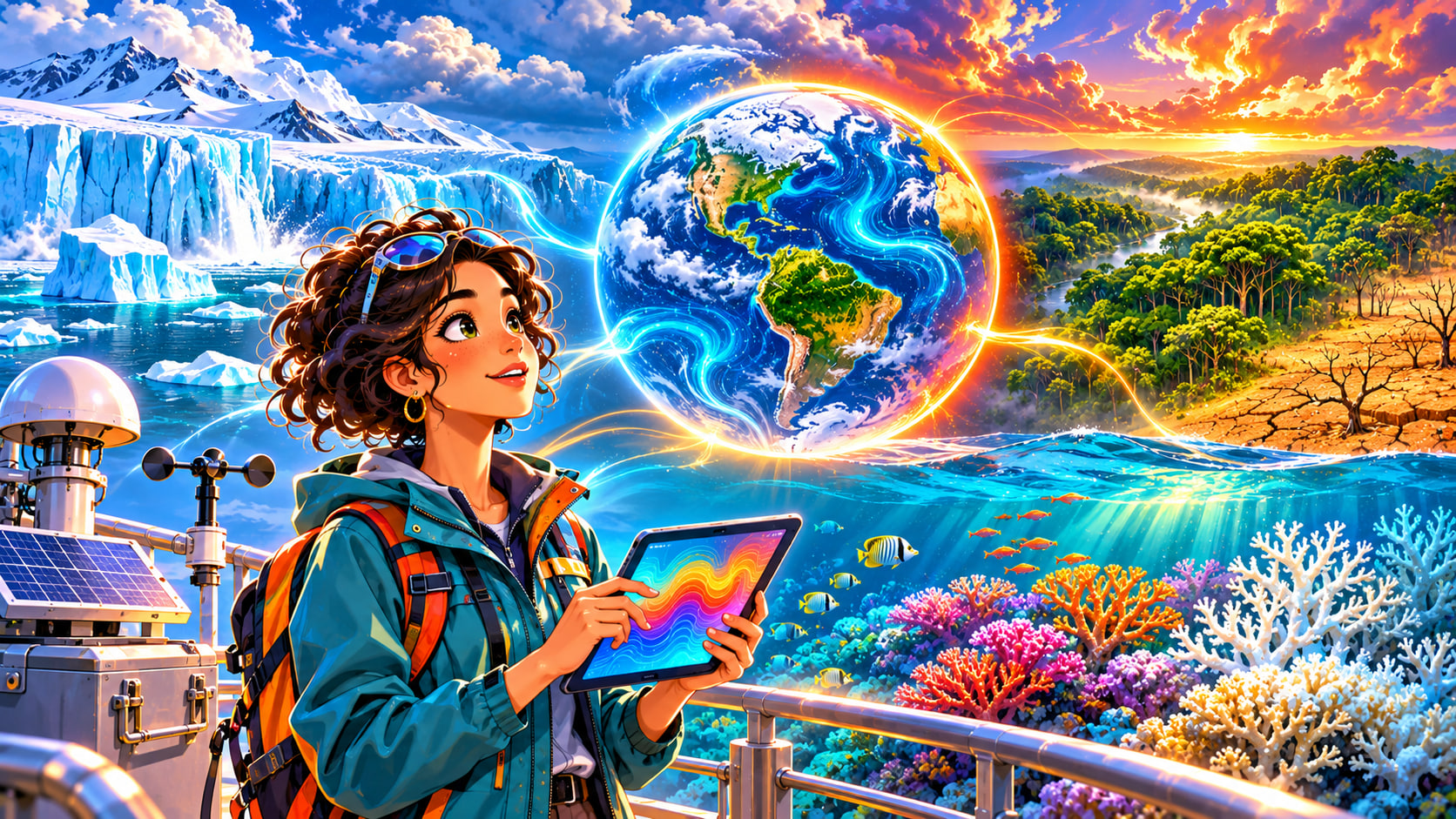
Imagine slowly pushing a heavy boulder toward the edge of a hill. For a while, almost nothing happens.