
Can Animals Predict Natural Disasters? How Wildlife Senses Earthquakes, Tsunamis, and Storms
Hours before a powerful storm arrives, birds may suddenly abandon their nesting grounds.
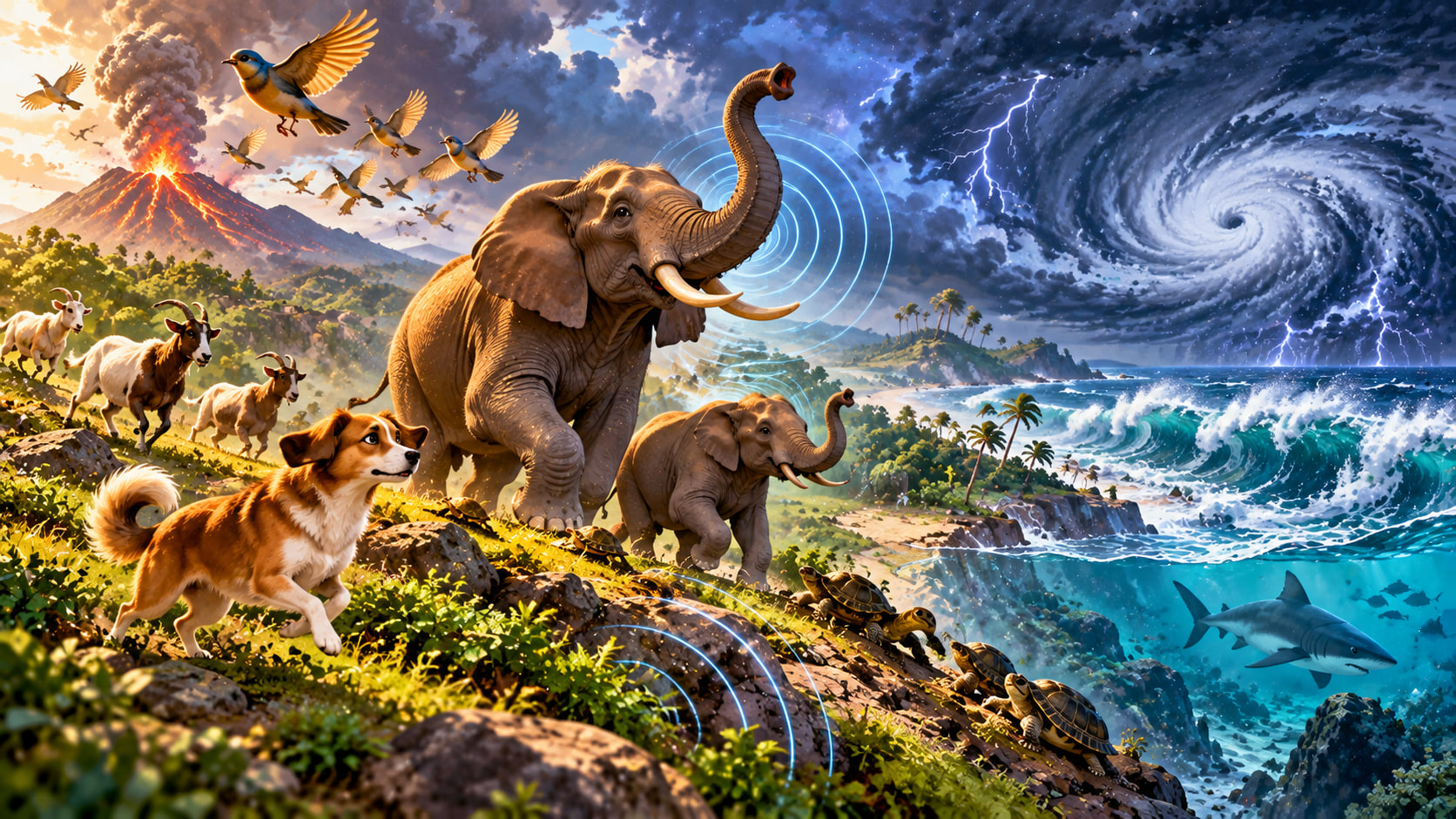
Hours before a powerful storm arrives, birds may suddenly abandon their nesting grounds.
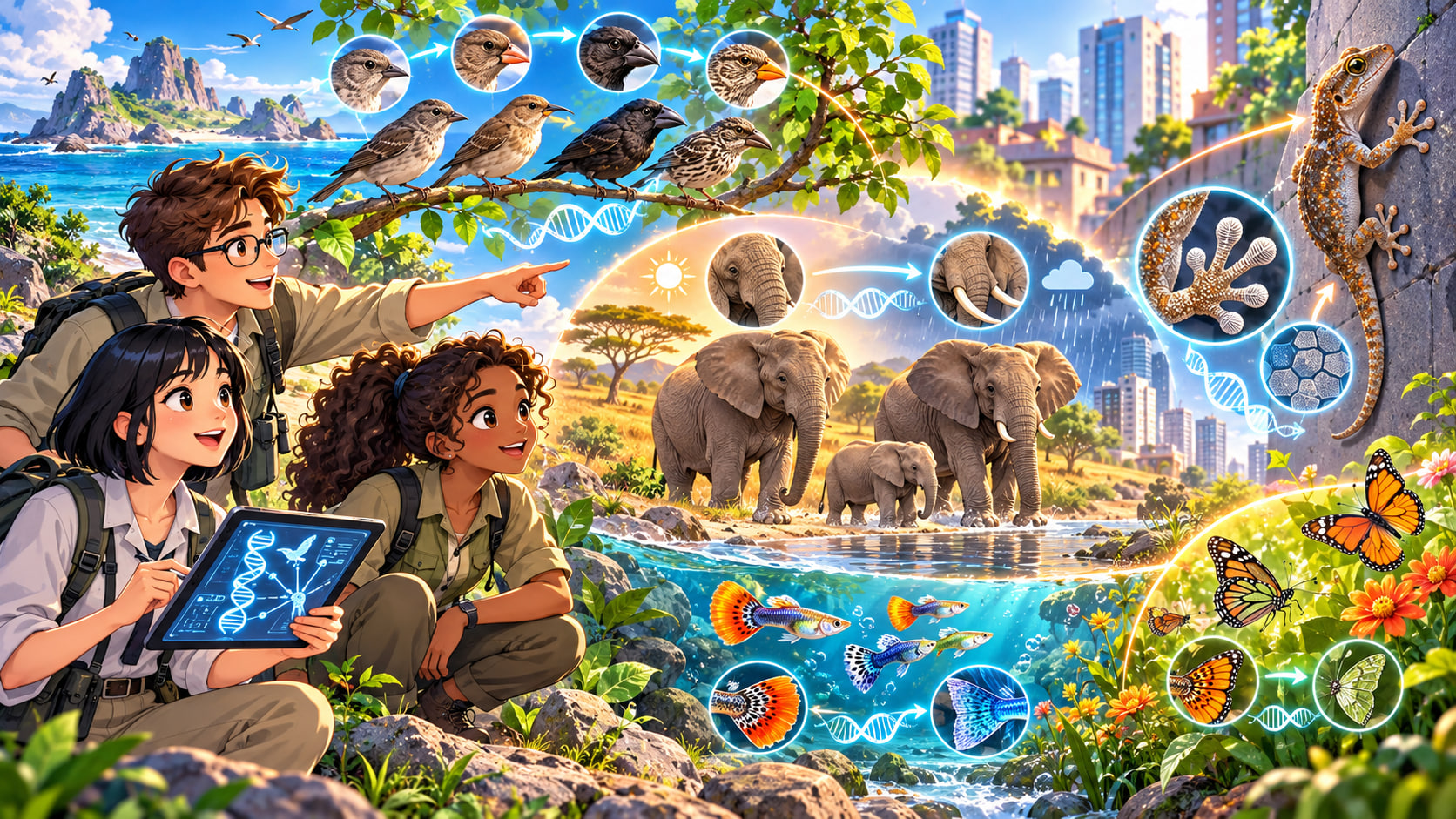
Animal populations are changing genetically today as they respond to predators, climate, disease, cities, pollution, hunting, and competition.
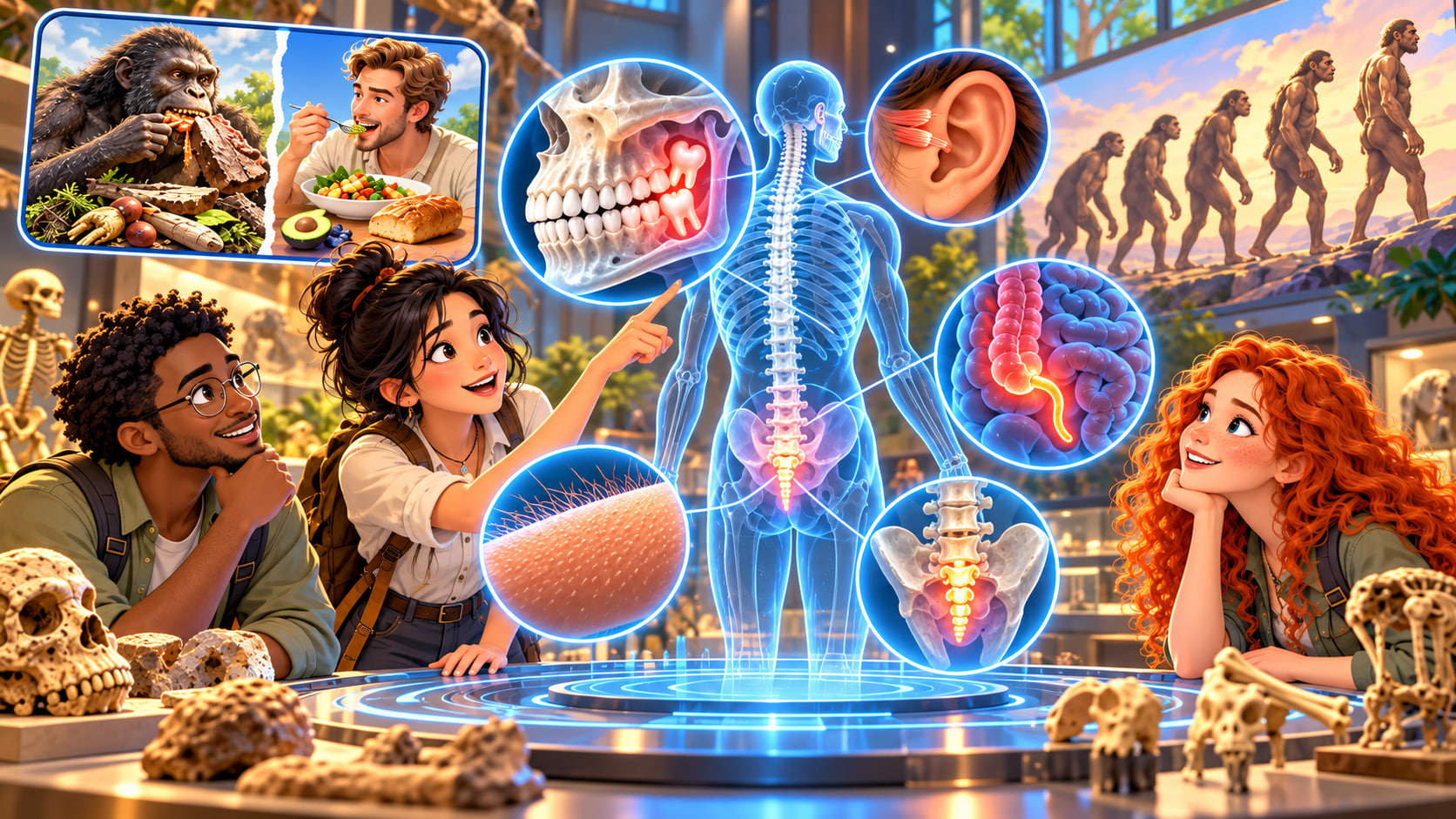
Wisdom teeth can become painfully impacted. Goosebumps appear even though humans no longer have thick fur.
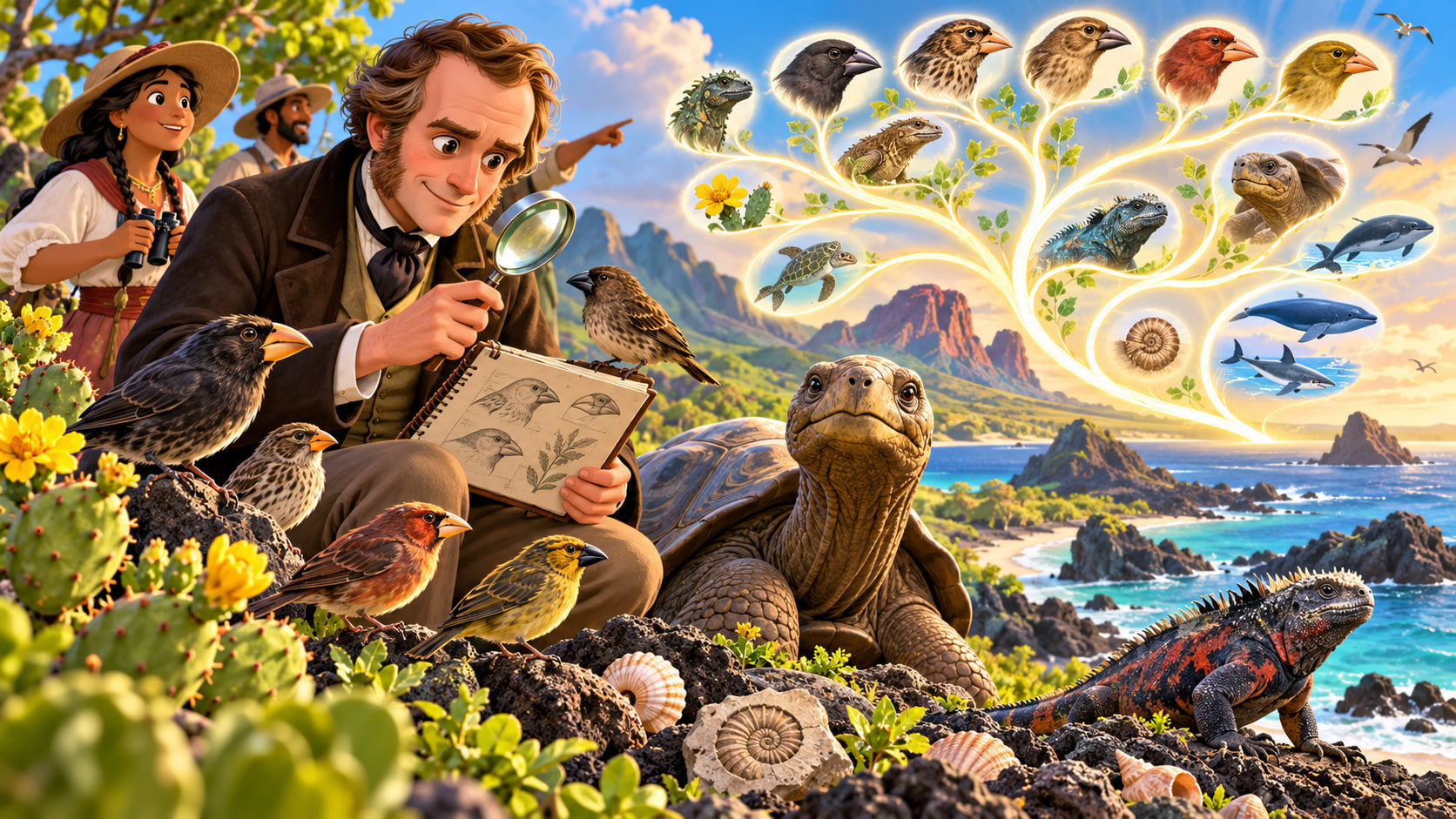
Few scientific ideas have transformed our understanding of nature as profoundly as Charles Darwin’s theory of evolution by natural selection.
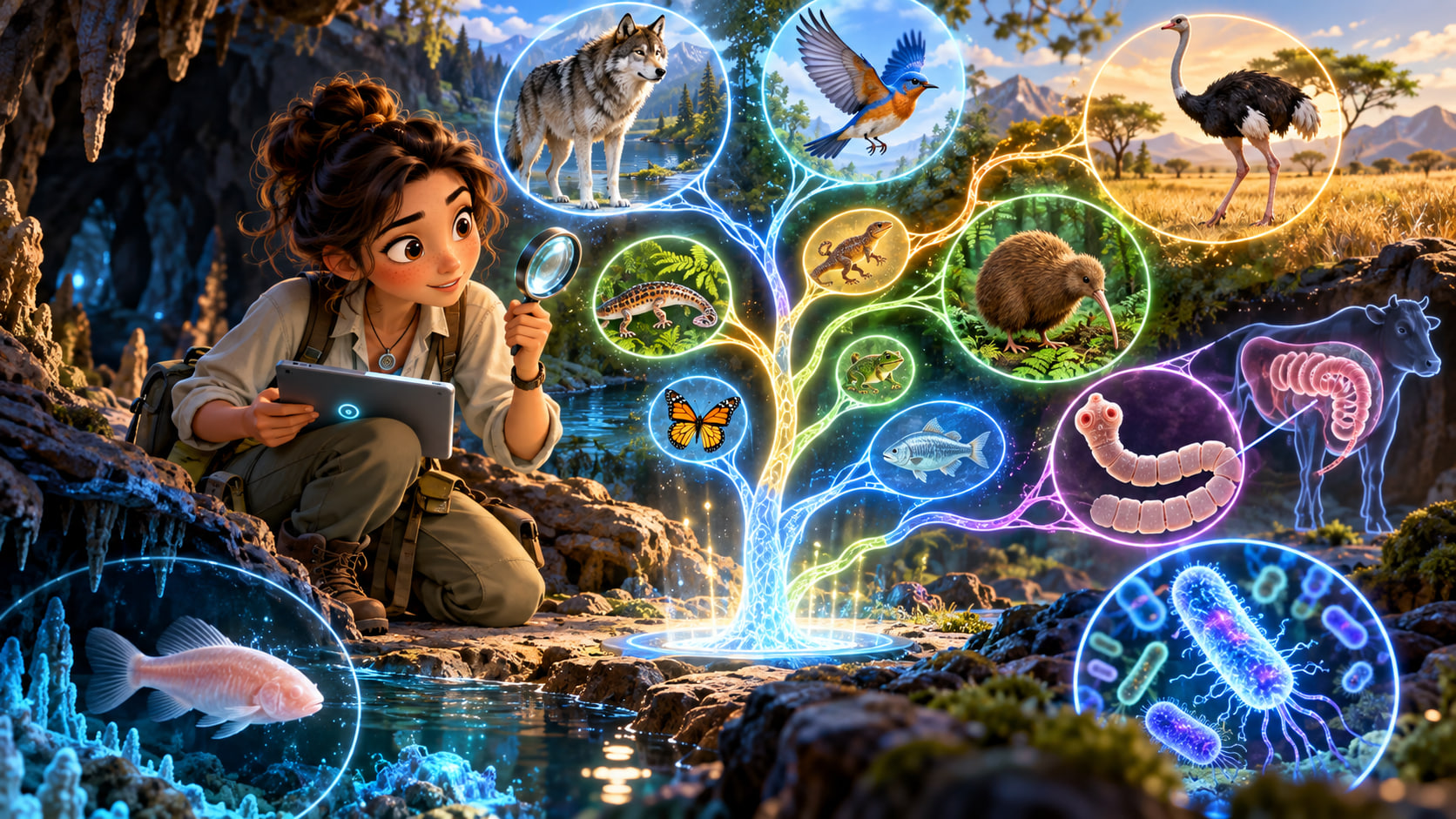
Some animals have lost their eyes, others have abandoned flight, and certain parasites have evolved bodies dramatically simpler than those of their ancestors.
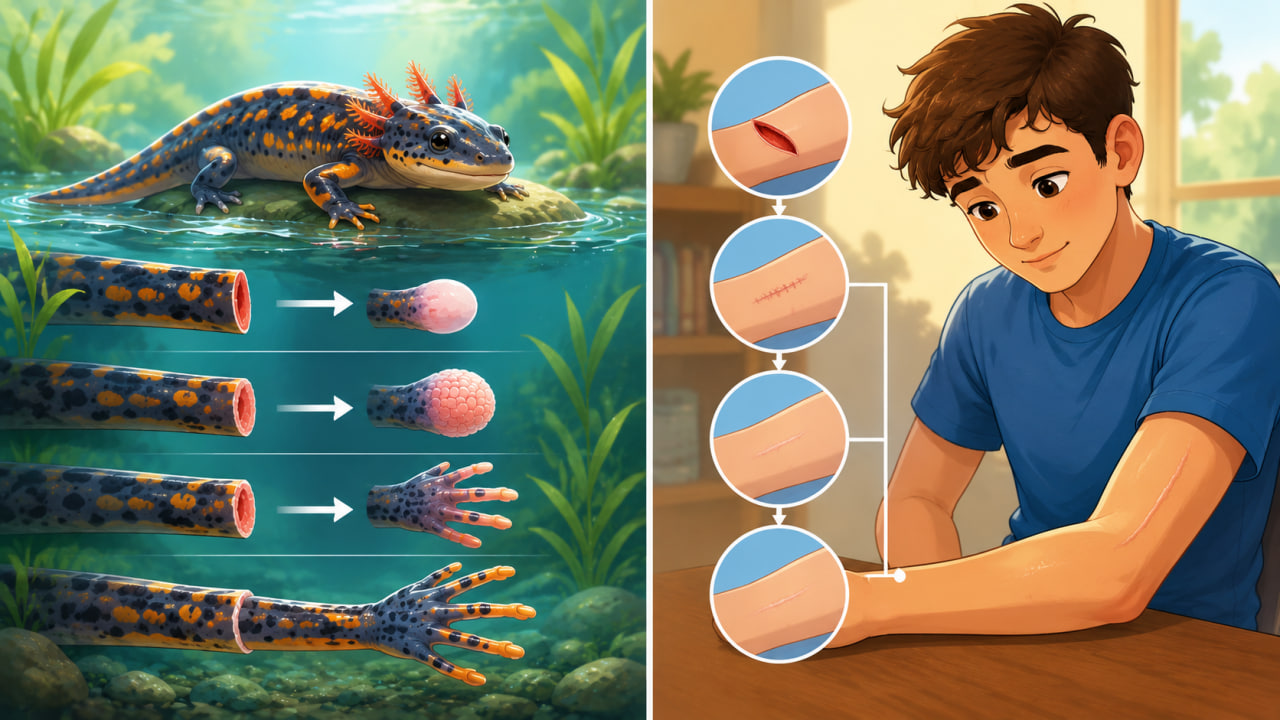
Imagine losing an entire arm and watching it grow back within a few months—complete with bones, muscles, nerves, blood vessels, skin, and perfectly functioning joints.
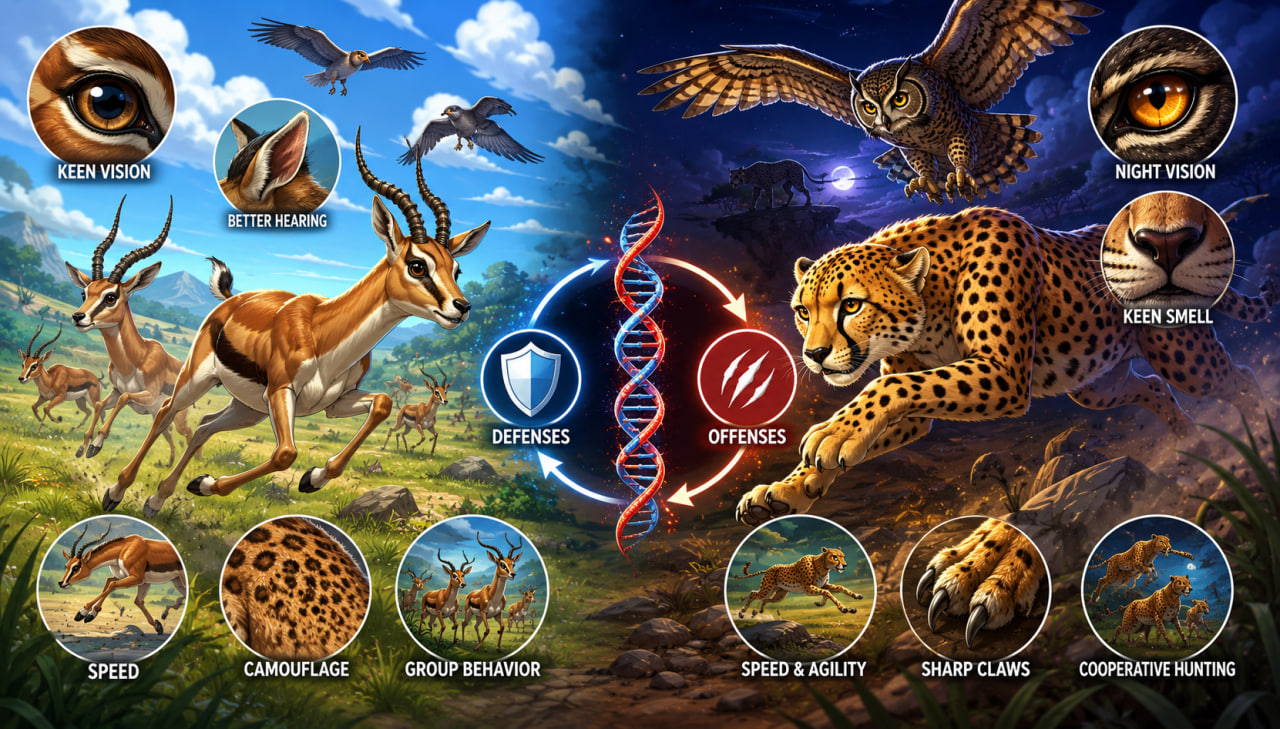
Nature is filled with dramatic chases. A cheetah pursues a gazelle, an owl hunts a mouse, and a spider waits patiently for an unsuspecting insect.
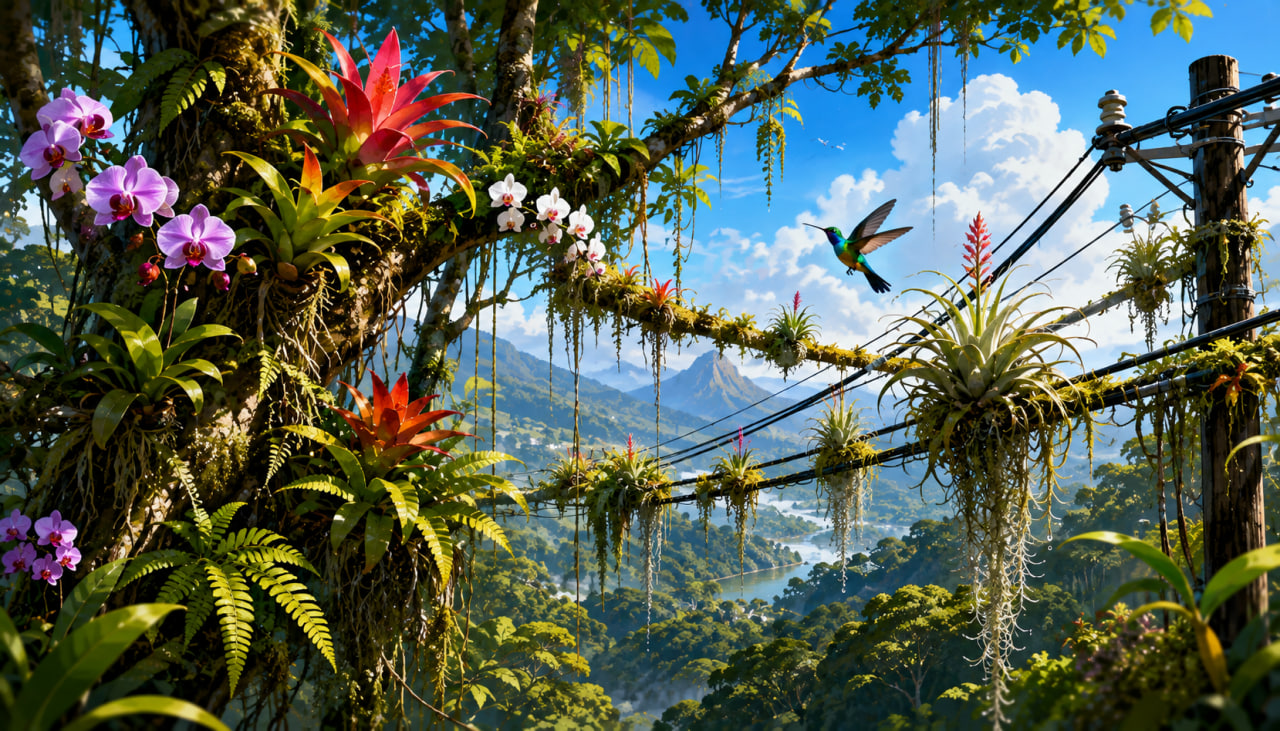
High above the forest floor, entire gardens grow without touching the ground. Orchids cling to branches, bromeliads collect rainwater between their leaves, ferns spread across rough bark, and...
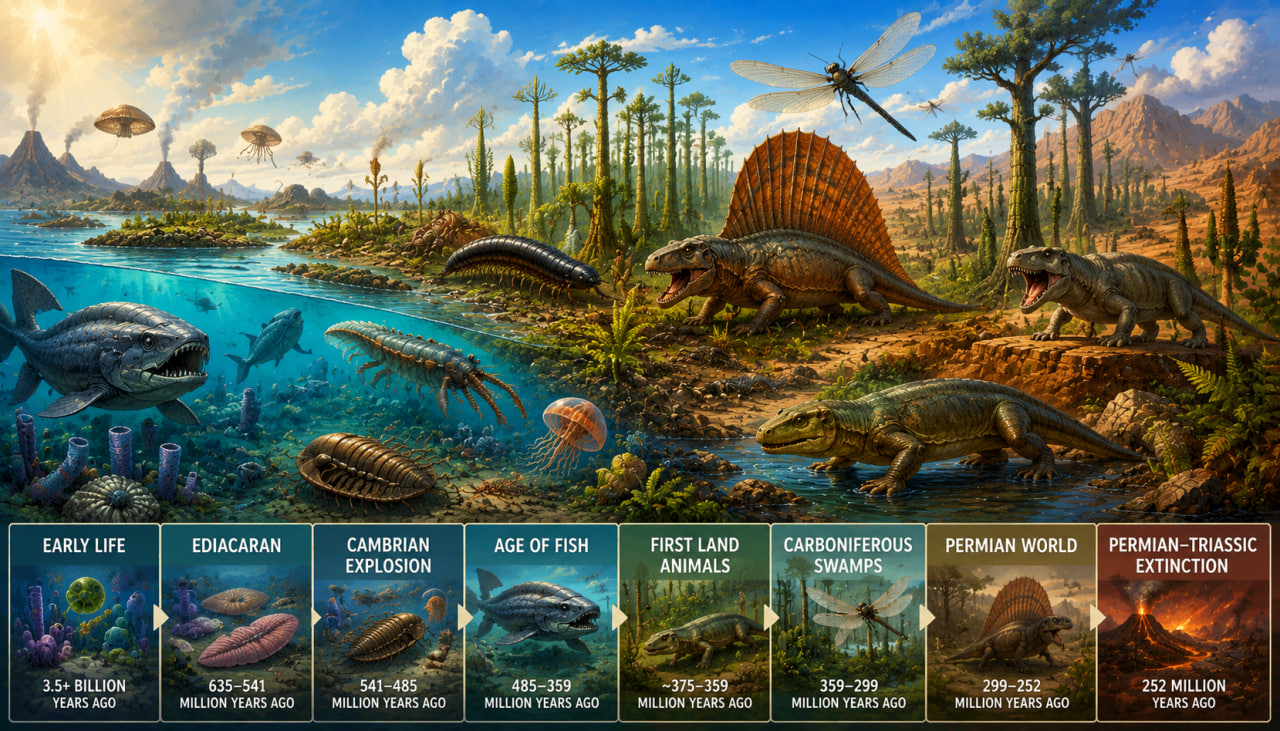
Dinosaurs often feel like the beginning of prehistoric life, but they were actually late arrivals in Earth’s story.
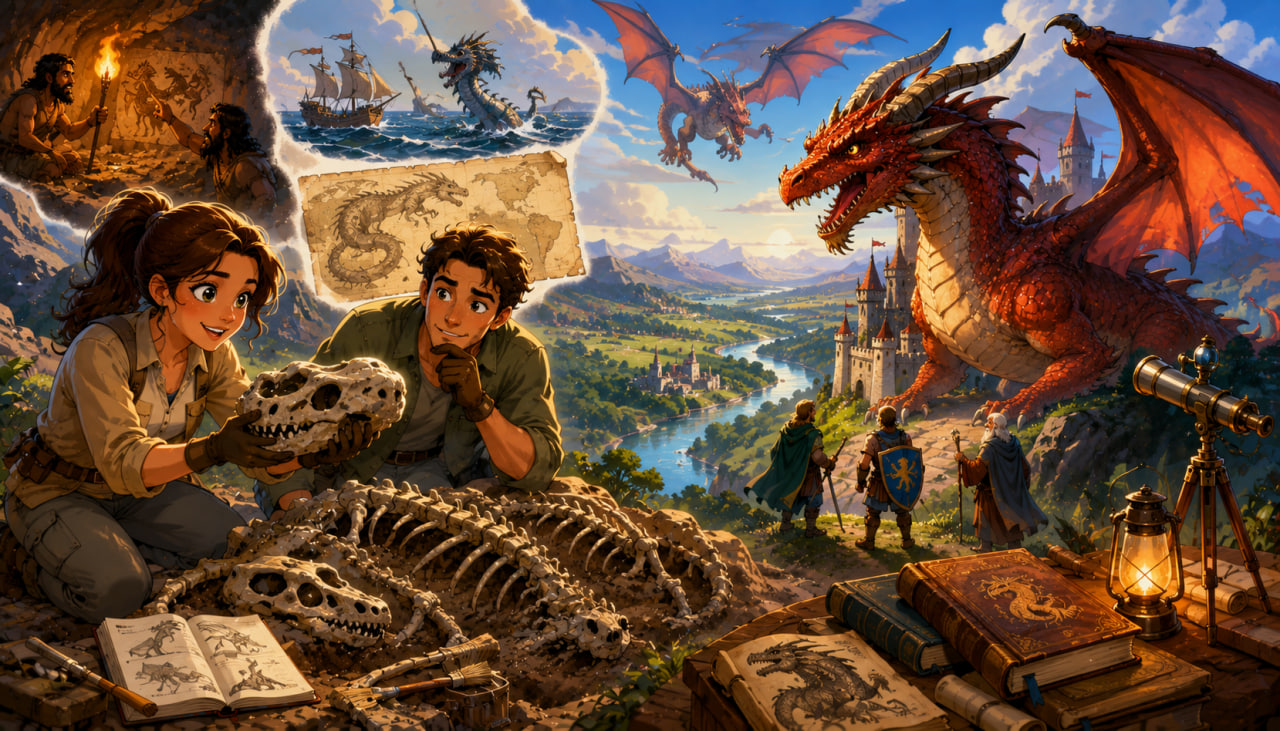
For thousands of years, dragons have fascinated people across nearly every civilization.