
What to Do After a Natural Disaster: Essential Safety Steps and Recovery Tips
The earthquake has stopped, the storm has passed, or the floodwater is finally receding. Outside are blocked roads, dark houses, and distant sirens.

The earthquake has stopped, the storm has passed, or the floodwater is finally receding. Outside are blocked roads, dark houses, and distant sirens.
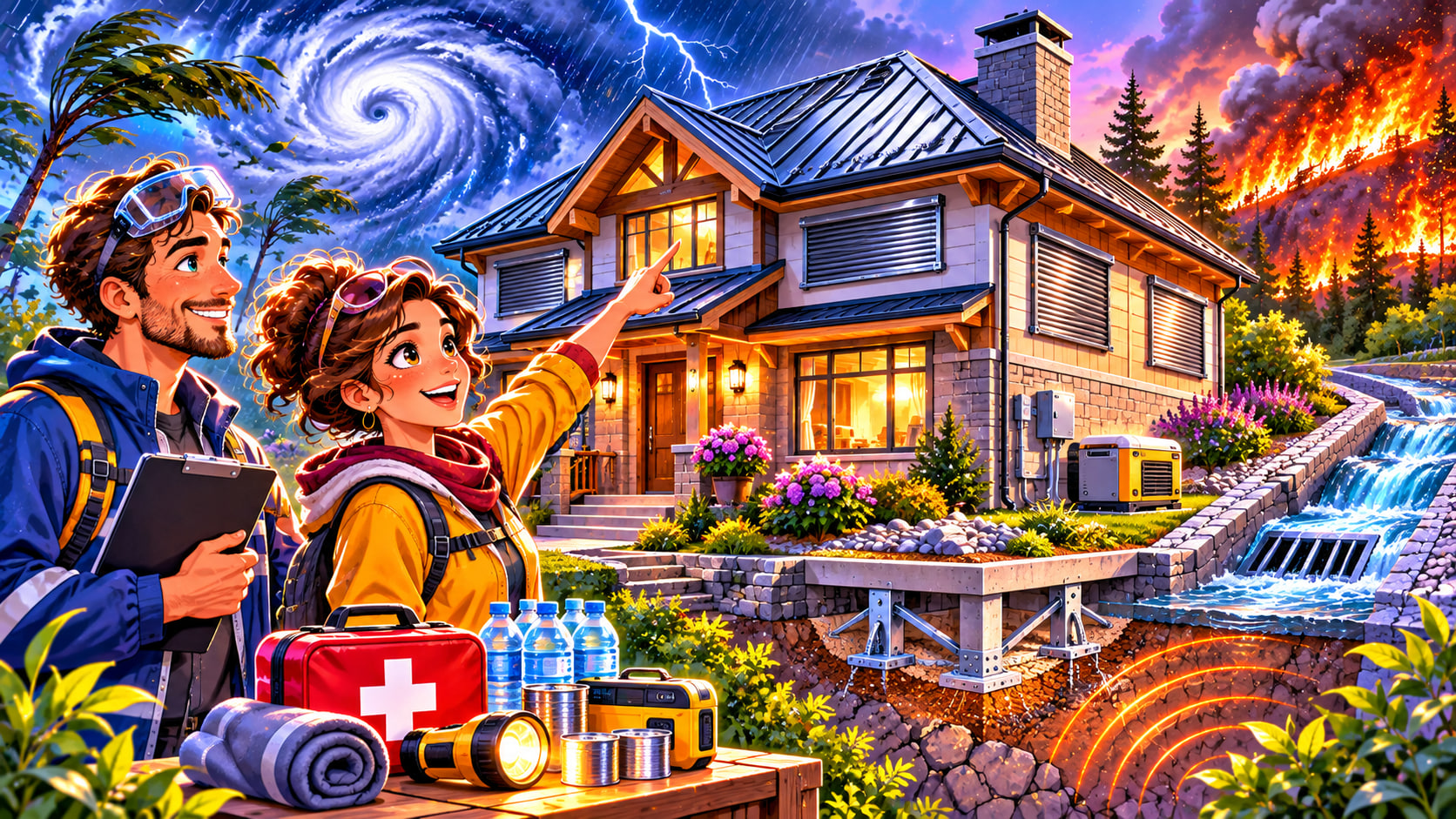
The storm arrives after midnight. Rain rattles the windows, and electricity flickers. By morning, neighboring houses may show very different damage.

A cave entrance may resemble an ordinary gap in a hillside, yet hide an entirely different world. Sunlight fades, cool air settles, and water echoes through ancient chambers.

Imagine walking through a beautiful forest when the trail suddenly disappears. Your phone has no signal, the temperature is dropping, and the sun is approaching the horizon.

The electricity disappears on a freezing winter evening. Radiators begin cooling, the refrigerator falls silent, and suddenly even charging a phone becomes a problem.

The sky darkens, the wind grows louder, and weather alerts begin appearing on your phone.

A pan smokes while you answer a message. A heater stands beside a curtain. A charger disappears beneath a pillow. Each seems harmless until heat and fuel combine.

The beach is only a few strokes away. Then something changes. You swim toward the sand, but the shoreline seems to drift farther away, as though an invisible conveyor belt has switched on...

A sunny mountain trail can disappear beneath fog or rain within hours. Far from roads and mobile coverage, a mistake can become serious. Good adventures begin with preparation.

A peaceful walk through the forest can quickly turn into an exciting treasure hunt when mushrooms begin appearing beneath trees, along moss-covered paths, and among fallen leaves.