
What to Do After a Natural Disaster: Essential Safety Steps and Recovery Tips
The earthquake has stopped, the storm has passed, or the floodwater is finally receding. Outside are blocked roads, dark houses, and distant sirens.
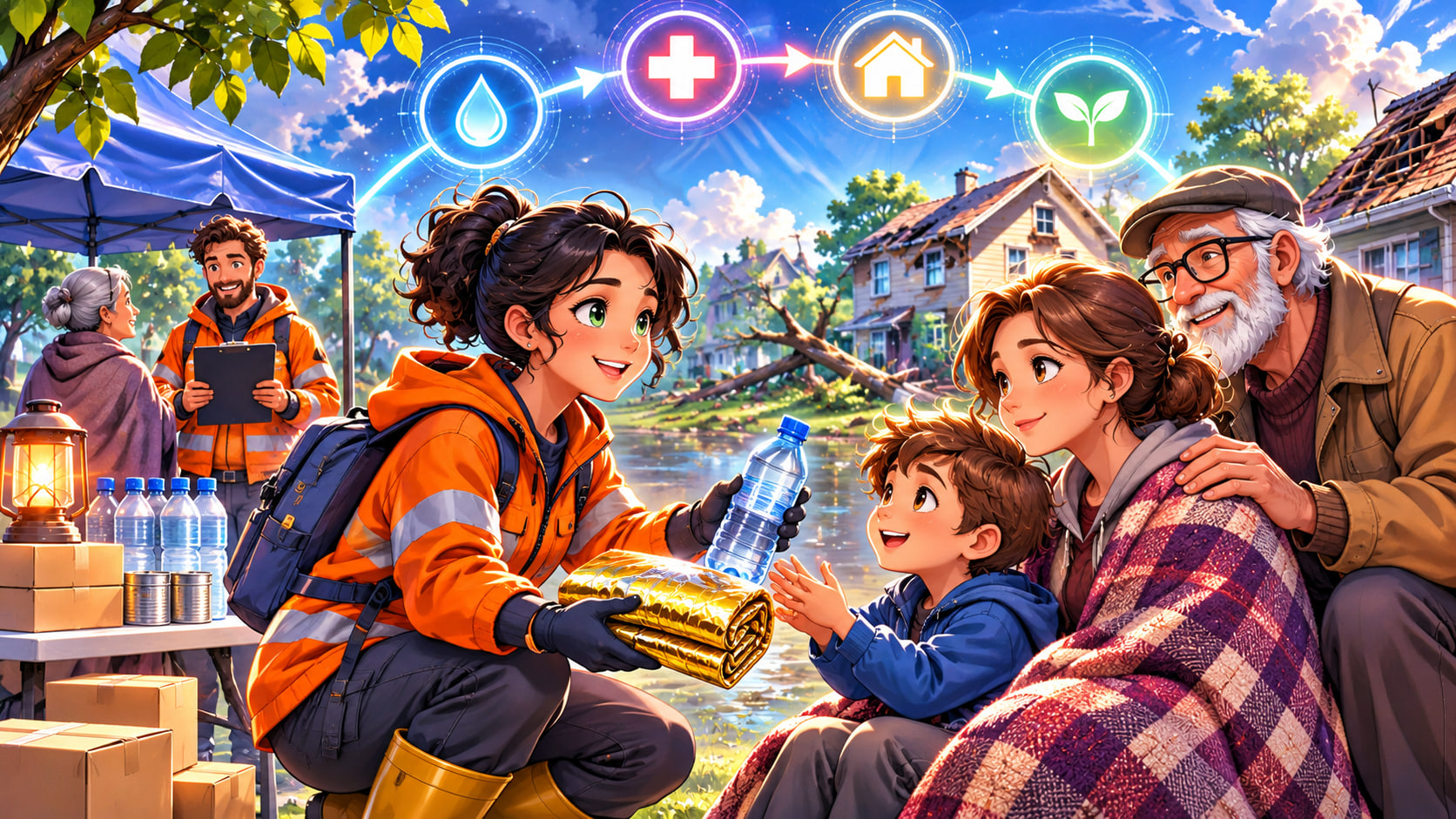
The earthquake has stopped, the storm has passed, or the floodwater is finally receding. Outside are blocked roads, dark houses, and distant sirens.

A beach can seem calm even as an underwater earthquake sends energy toward it from thousands of kilometers away.

Step through an ice cave entrance, and daylight seems to turn into liquid sapphire. Walls shimmer in turquoise, frozen columns rise from the floor, and the silence is broken by dripping water.

Stretching nearly 19 kilometers across the Kerch Strait, the Crimean Bridge represents one of the most ambitious infrastructure projects of the twenty-first century.

A snowy forest appears silent until you notice the tiny clues: a bird among the branches, fresh animal tracks, and ice crystals sparkling in the weak sunlight.

A pan smokes while you answer a message. A heater stands beside a curtain. A charger disappears beneath a pillow. Each seems harmless until heat and fuel combine.

Imagine walking past a complete stranger on the other side of the world and discovering that you share an ancestor.

Say “walk” near your dog, and you may see an immediate transformation: ears perk up, tail starts wagging, and someone is suddenly waiting by the door.

Deep in a rainforest, a biologist hears a frog call that sounds unlike anything recorded before. Elsewhere, a botanist notices an unusual preserved flower.

A peaceful walk through the forest can quickly turn into an exciting treasure hunt when mushrooms begin appearing beneath trees, along moss-covered paths, and among fallen leaves.