
How We Can Solve Global Hunger Together: Strategies for a Nourished Future
Solving world hunger is not just a humanitarian goal—it's a moral, economic, and environmental imperative.
Useful articles about nature and the world around us
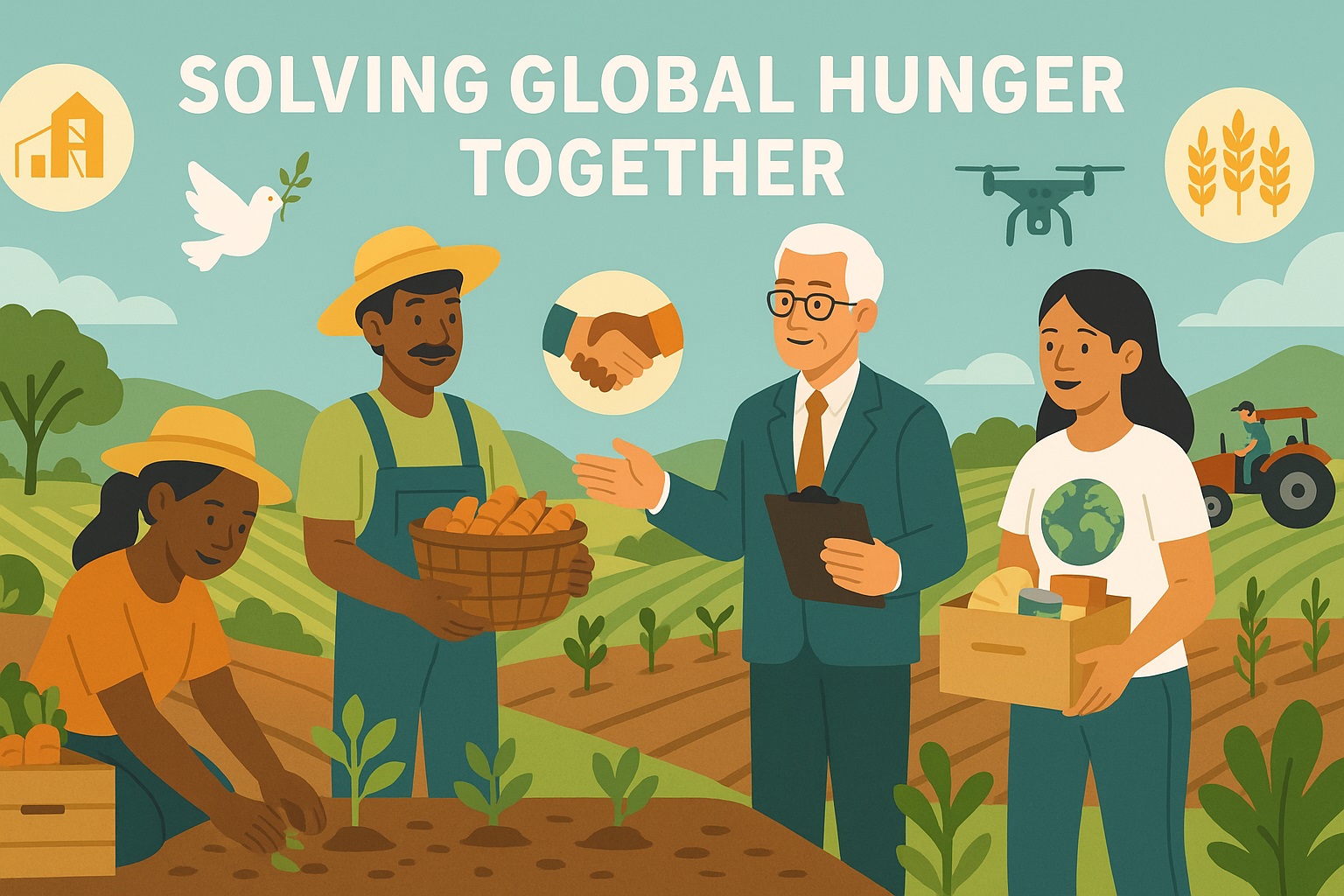
Solving world hunger is not just a humanitarian goal—it's a moral, economic, and environmental imperative.
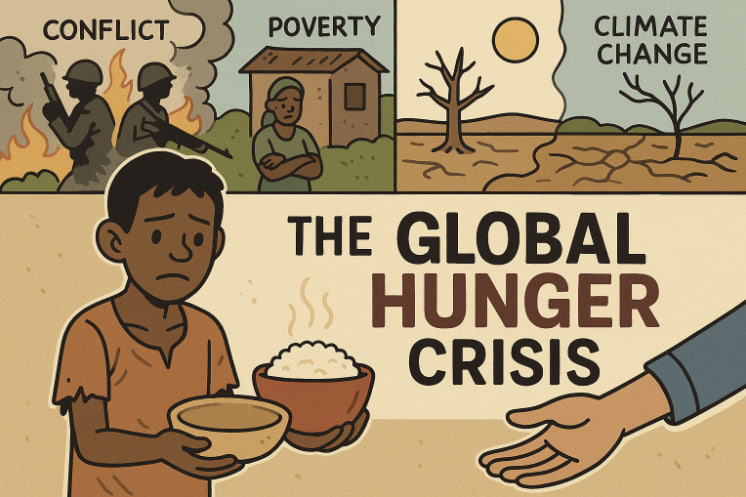
Despite technological and agricultural advances, over 700 million people around the world still go to bed hungry every night.
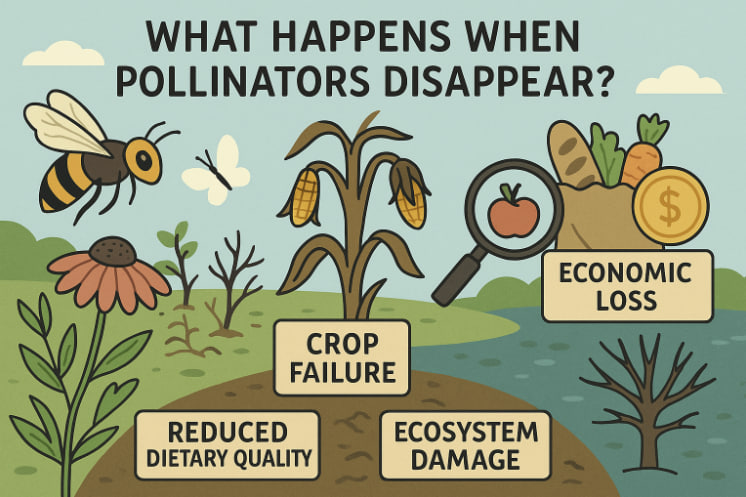
Pollinators such as bees, butterflies, beetles, birds, and bats play a crucial role in ecosystems and agriculture by helping plants reproduce.
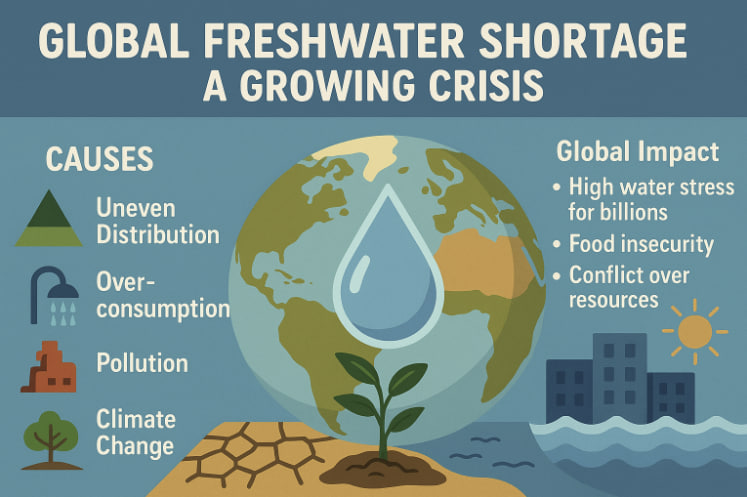
Water covers over 70% of Earth’s surface, yet less than 3% of it is freshwater, and only about 1% is accessible for human use.

Forests are vanishing at an alarming rate, with millions of hectares lost each year. But this trend is not inevitable.
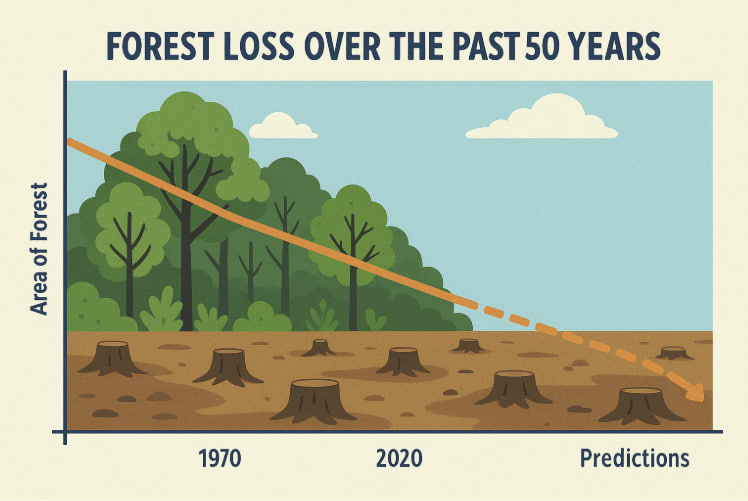
Forests are essential to life on Earth, covering about 30% of the planet's land surface.
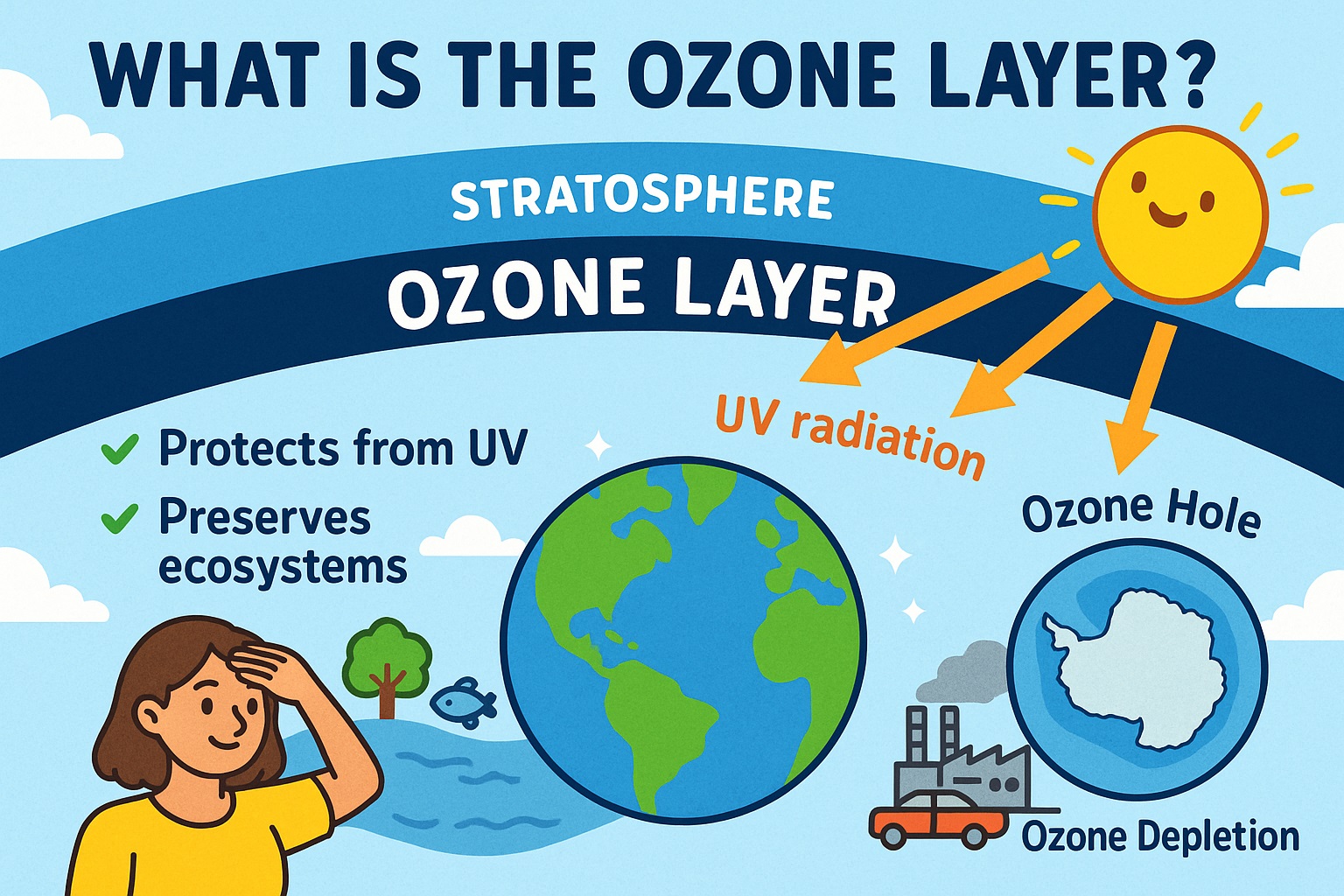
The ozone layer is a vital shield in Earth’s upper atmosphere that protects life by absorbing most of the Sun’s harmful ultraviolet (UV) radiation.
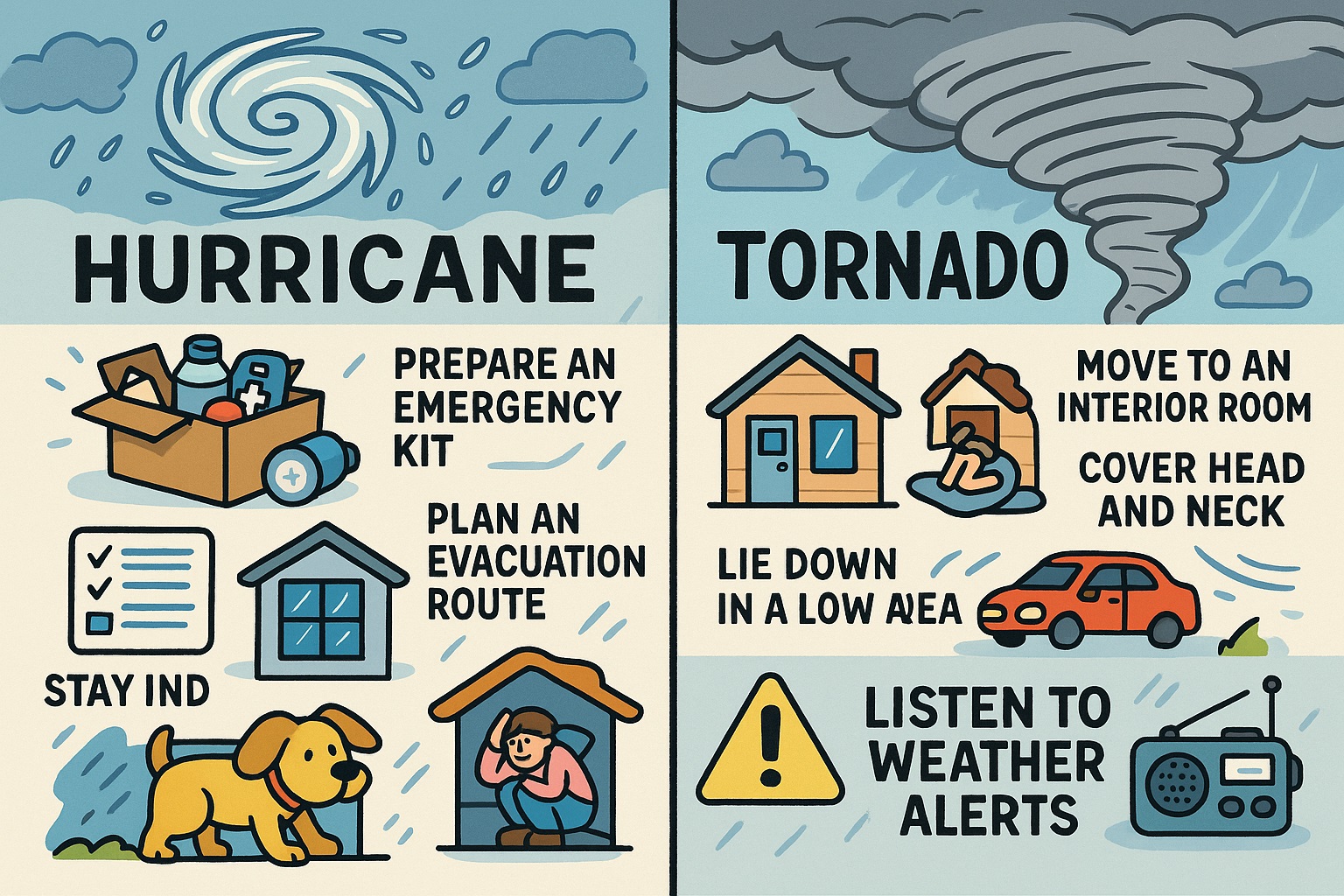
Hurricanes and tornadoes are two of the most violent and destructive weather events on Earth. Both bring intense winds, heavy rain, and the potential for catastrophic damage.
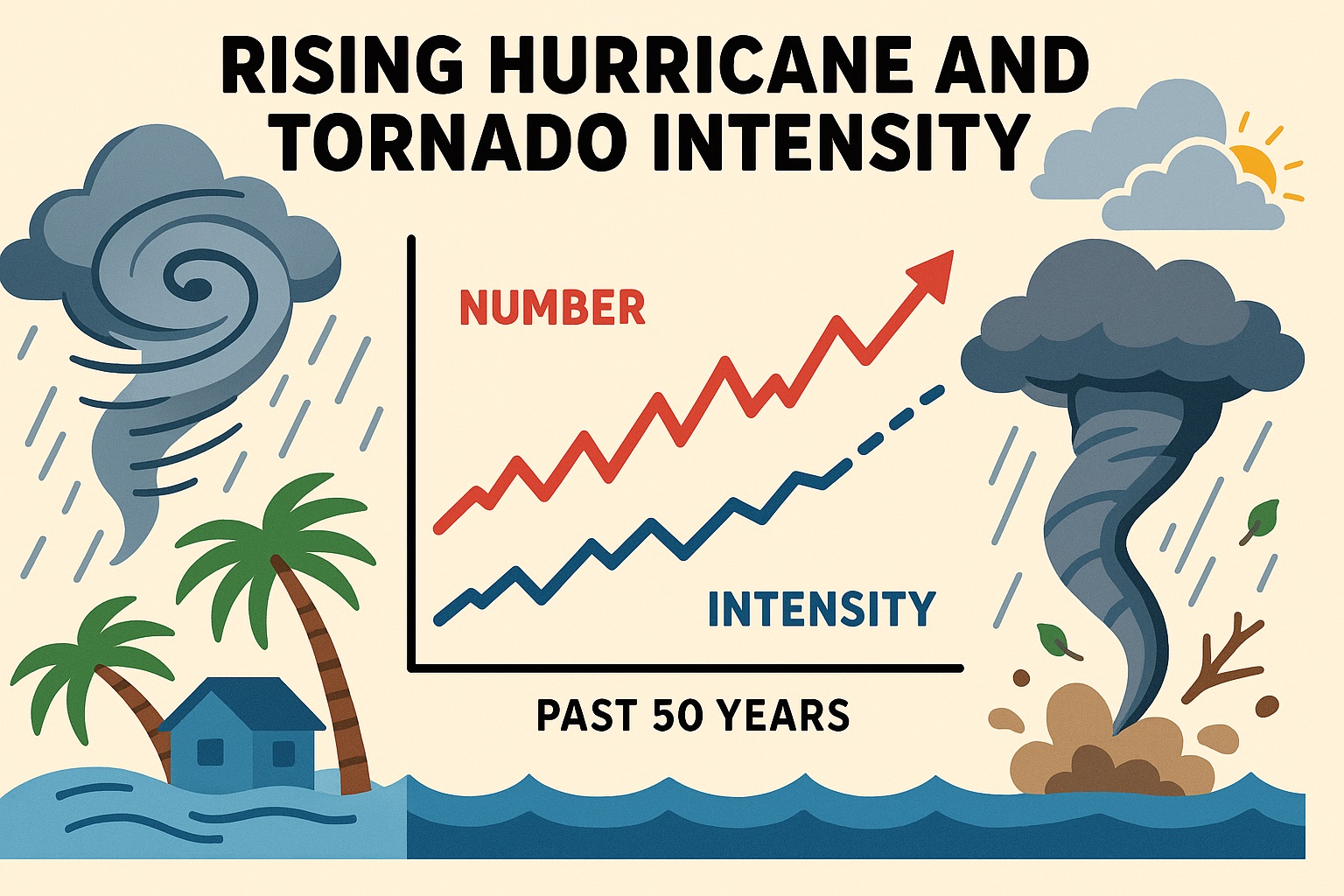
In the past five decades, both hurricanes and tornadoes have shown a worrying increase in frequency, strength, and unpredictability.

Fires are sudden, dangerous, and can spread rapidly—turning seconds into life-or-death decisions.