
Nuclear Energy Since Chernobyl: What Has Changed in Safety, Technology, and Reactor Design?
The Chernobyl disaster of 1986 became one of the defining events in the history of nuclear power.
Useful articles about nature and the world around us

The Chernobyl disaster of 1986 became one of the defining events in the history of nuclear power.

Road engineers choose asphalt mixtures for expected summer heat. Railway designers calculate how steel rails will expand and contract through the seasons.

The important point is that Africa’s problems are deeply interconnected. Poverty can weaken education. Weak education can reduce economic opportunity. Poor infrastructure can limit trade.

Africa is often described in simple terms: deserts, safaris, ancient civilizations, and dramatic landscapes.
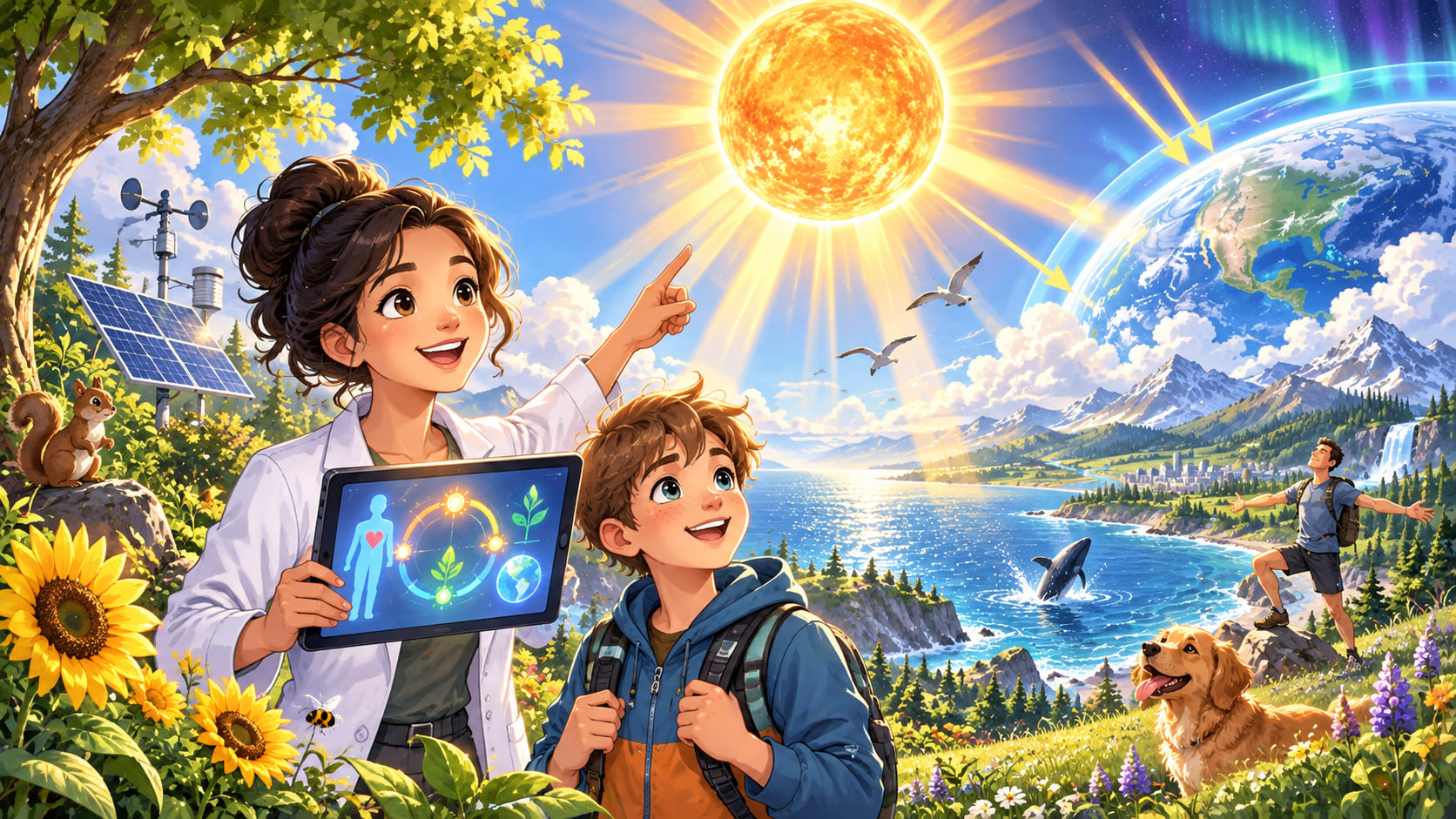
The Sun is far more than a bright object in the sky. It is the primary energy source for life on Earth, driving climate, weather, photosynthesis, ocean circulation, and many of the biological...

Some lakes do far more than simply absorb sunlight during the day. Under the right conditions, they can capture solar energy, trap it deep underwater, and preserve that heat for surprisingly...
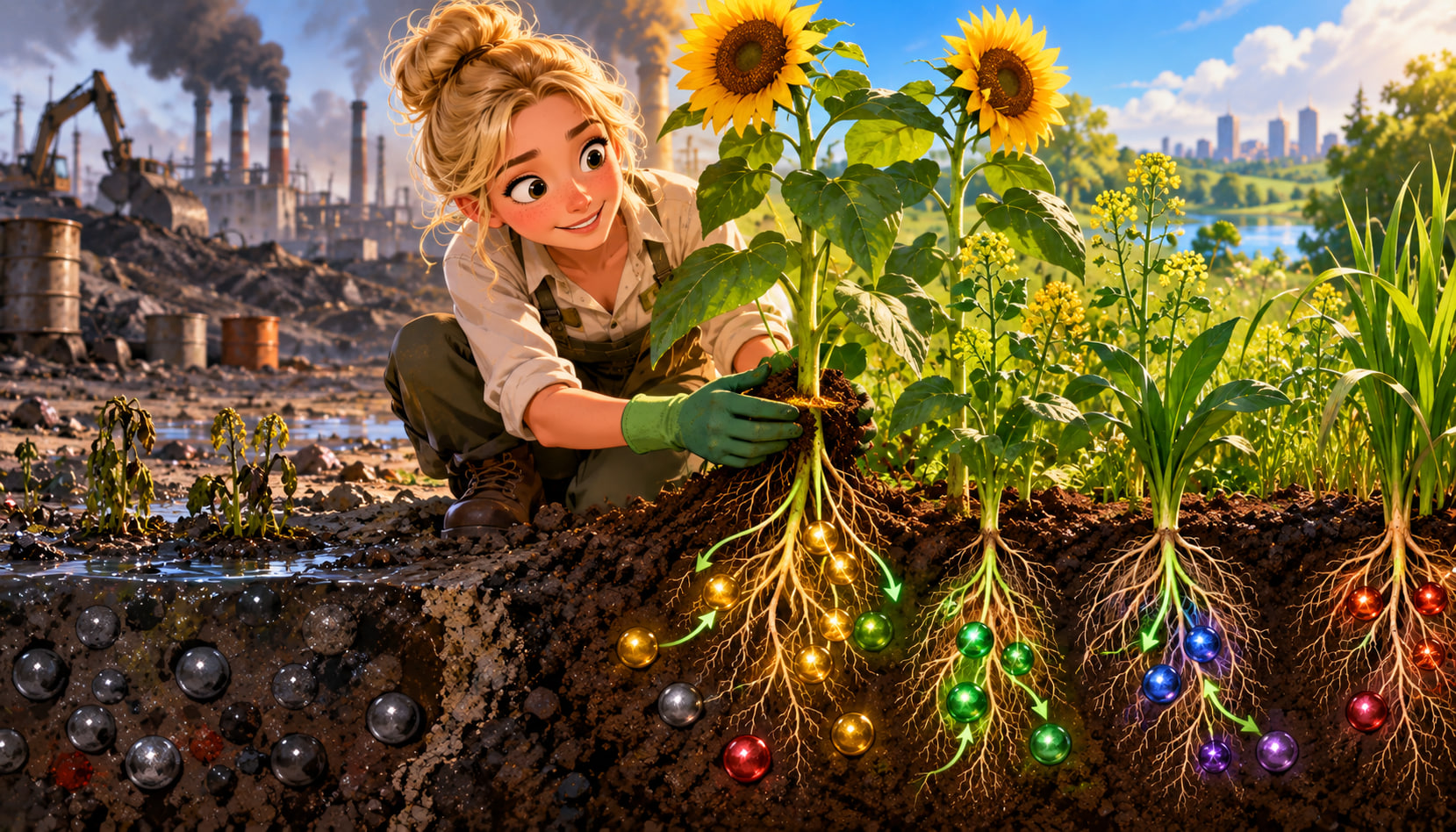
Metals such as lead, cadmium, arsenic, chromium, nickel, and mercury do not simply disappear with time.

Jeans seem simple: cotton, thread, metal buttons, dye, and a familiar blue finish. Yet behind a single pair lies a surprisingly complex environmental story involving agriculture, water...
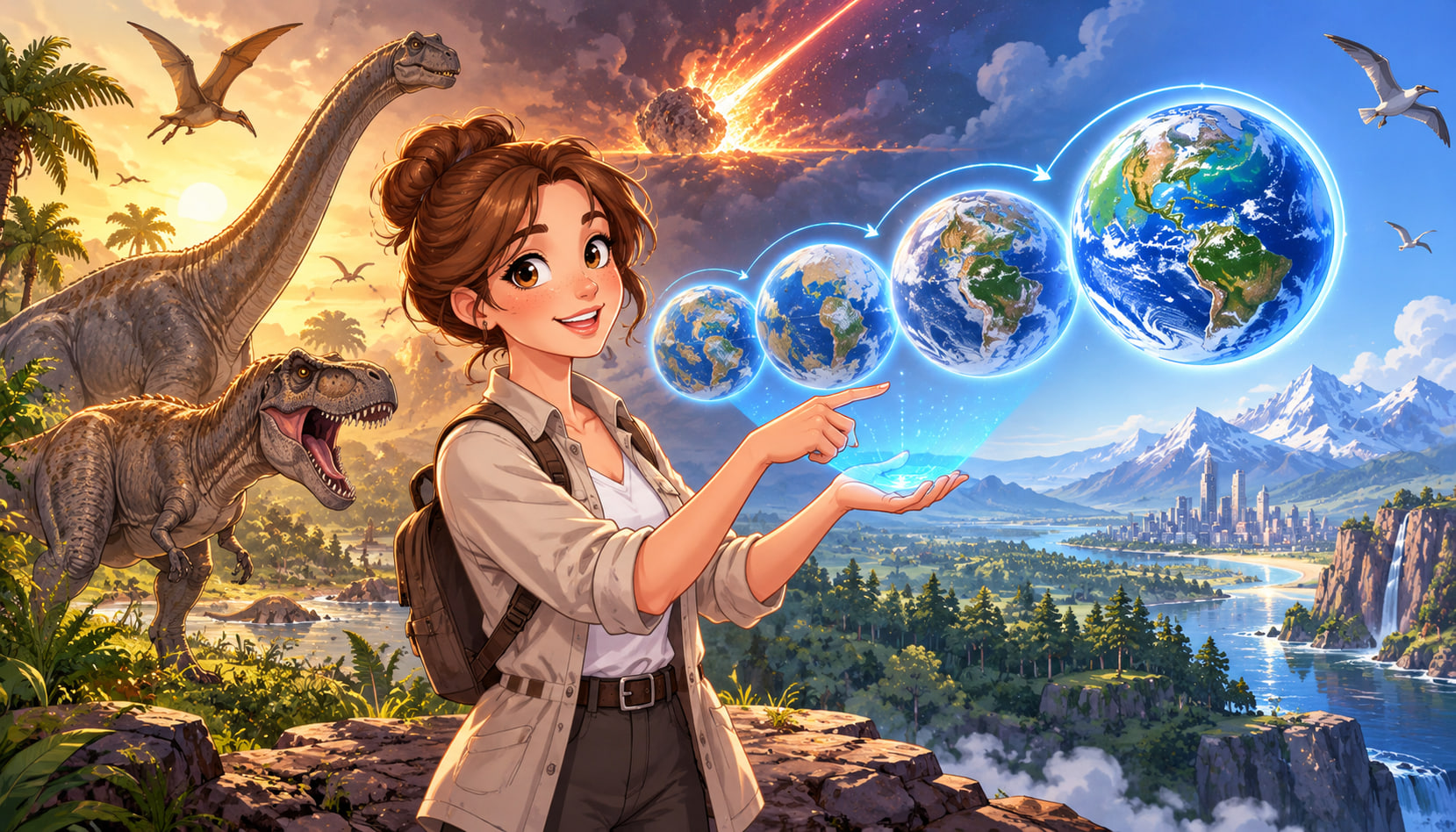
About 66 million years ago, Earth experienced one of the most dramatic turning points in its history.
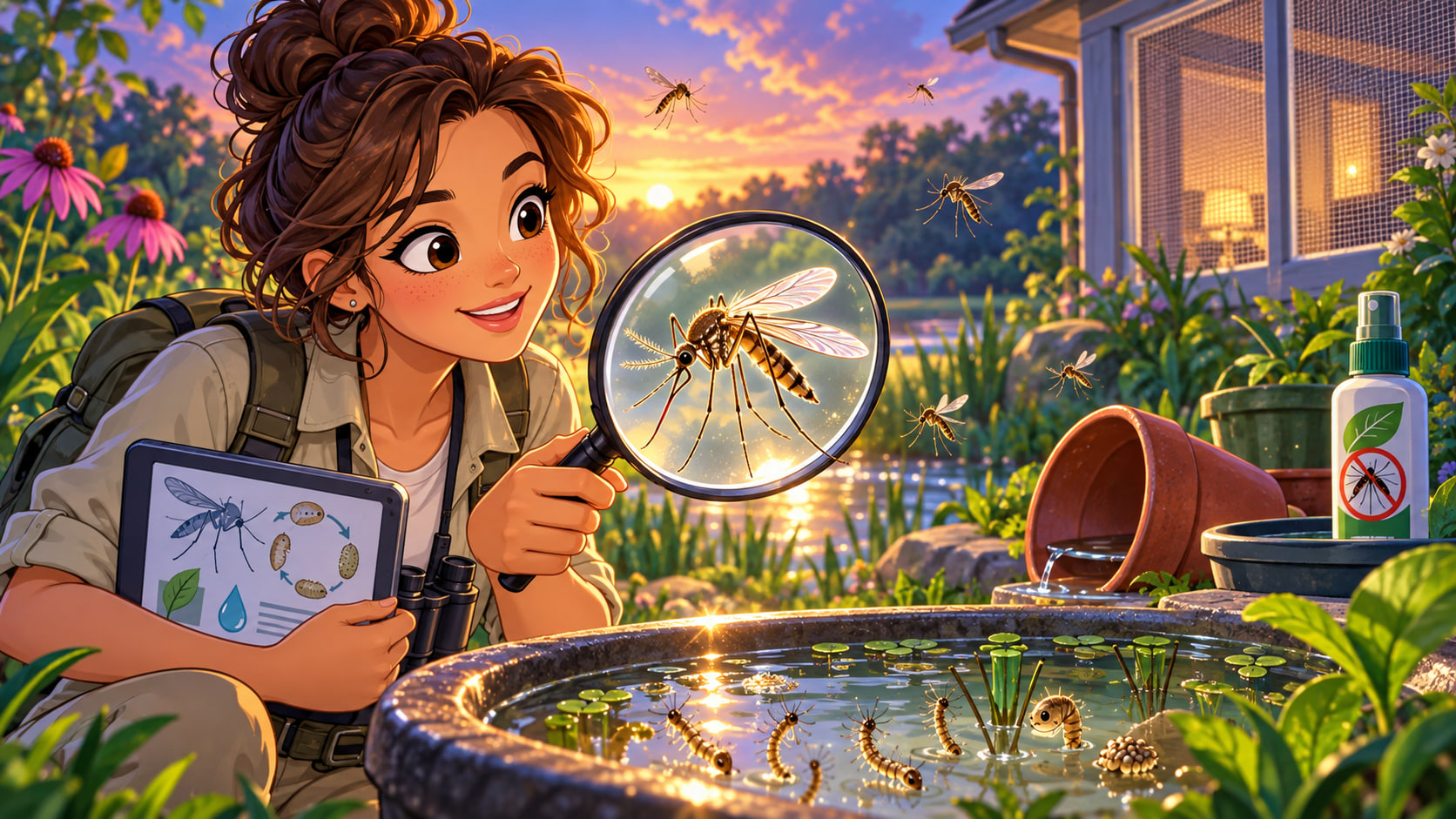
Mosquitoes are among the most familiar insects on Earth. They appear in gardens, forests, wetlands, cities, and tropical regions, often becoming most noticeable at dusk or during warm, humid...