
The Ocean Carbon Cycle: How the Sea Absorbs CO₂ and Why Plastic Pollution Matters
Carbon dioxide constantly moves between the atmosphere and the ocean. Microscopic organisms capture carbon while currents transport it into deeper water.
Useful articles about nature and the world around us
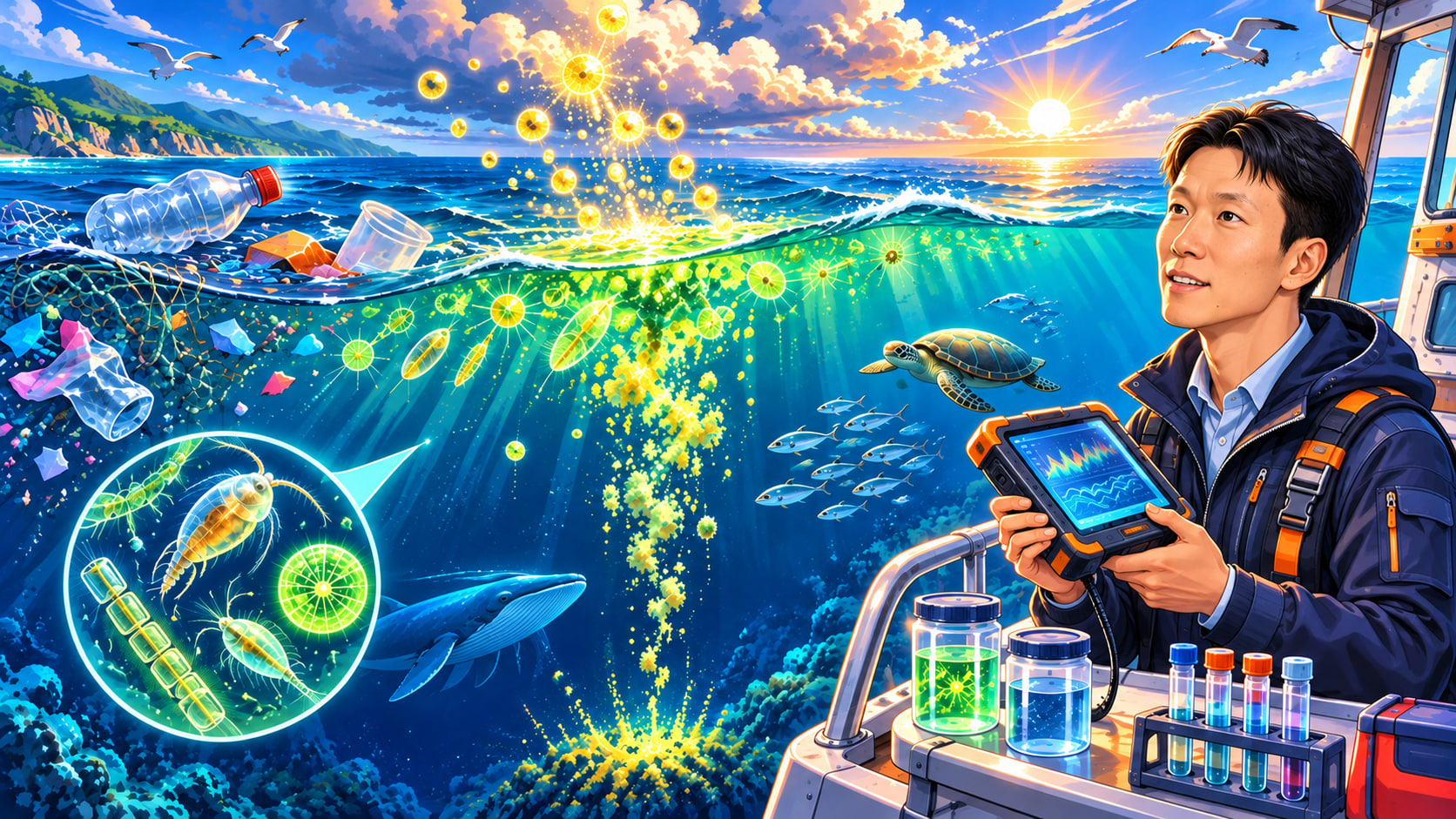
Carbon dioxide constantly moves between the atmosphere and the ocean. Microscopic organisms capture carbon while currents transport it into deeper water.

A celebrity scandal dominates the headlines. Millions watch a politician's embarrassing moment, while major developments involving freshwater shortages, environmental destruction, or public...

A river runs through a city, yet nearby families queue for water. Elsewhere, fields dry while underground reserves are overpumped. Both reflect the global freshwater crisis.

The storm arrives after midnight. Rain rattles the windows, and electricity flickers. By morning, neighboring houses may show very different damage.
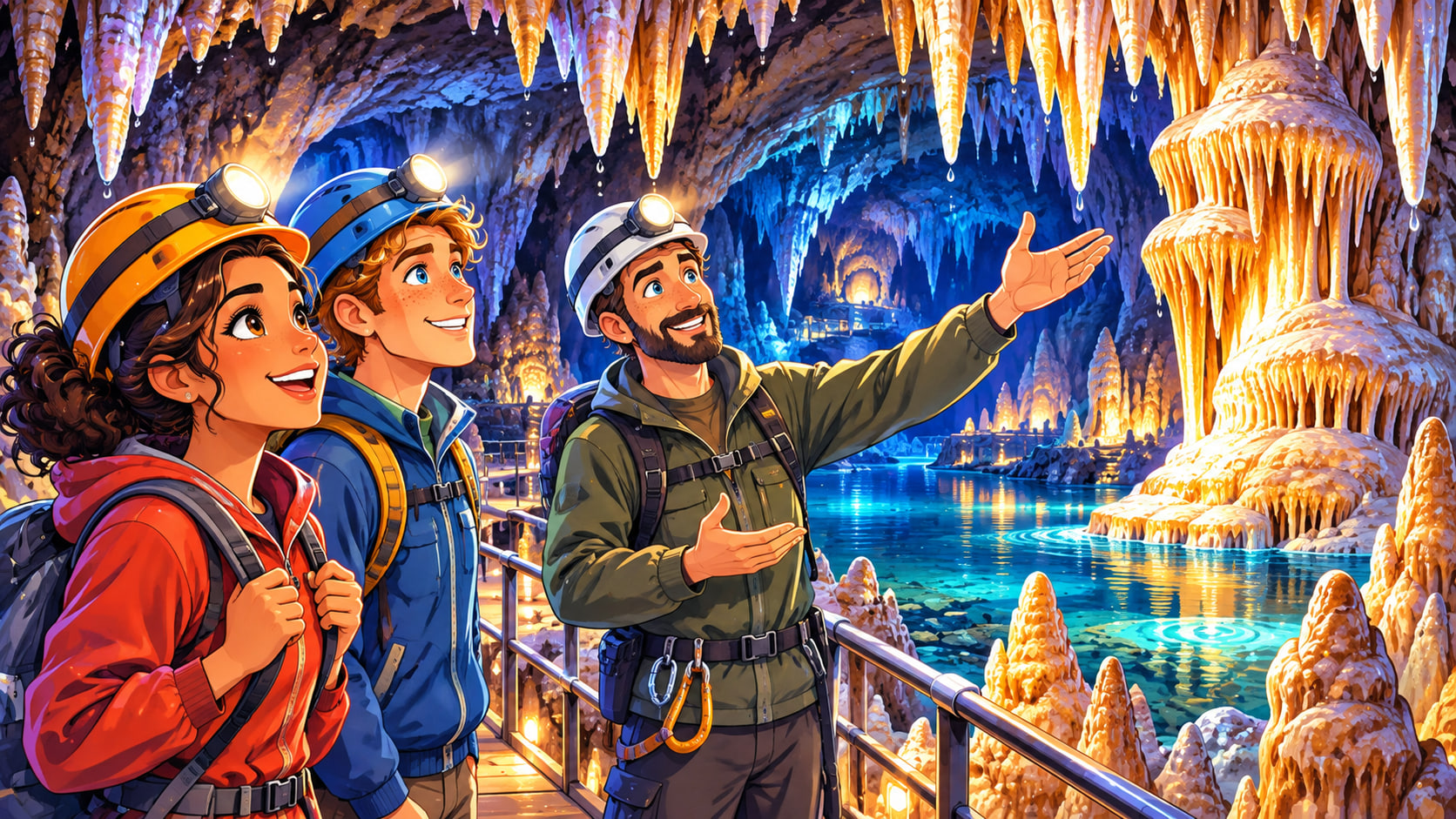
A cave entrance may resemble an ordinary gap in a hillside, yet hide an entirely different world. Sunlight fades, cool air settles, and water echoes through ancient chambers.

Imagine walking through a beautiful forest when the trail suddenly disappears. Your phone has no signal, the temperature is dropping, and the sun is approaching the horizon.
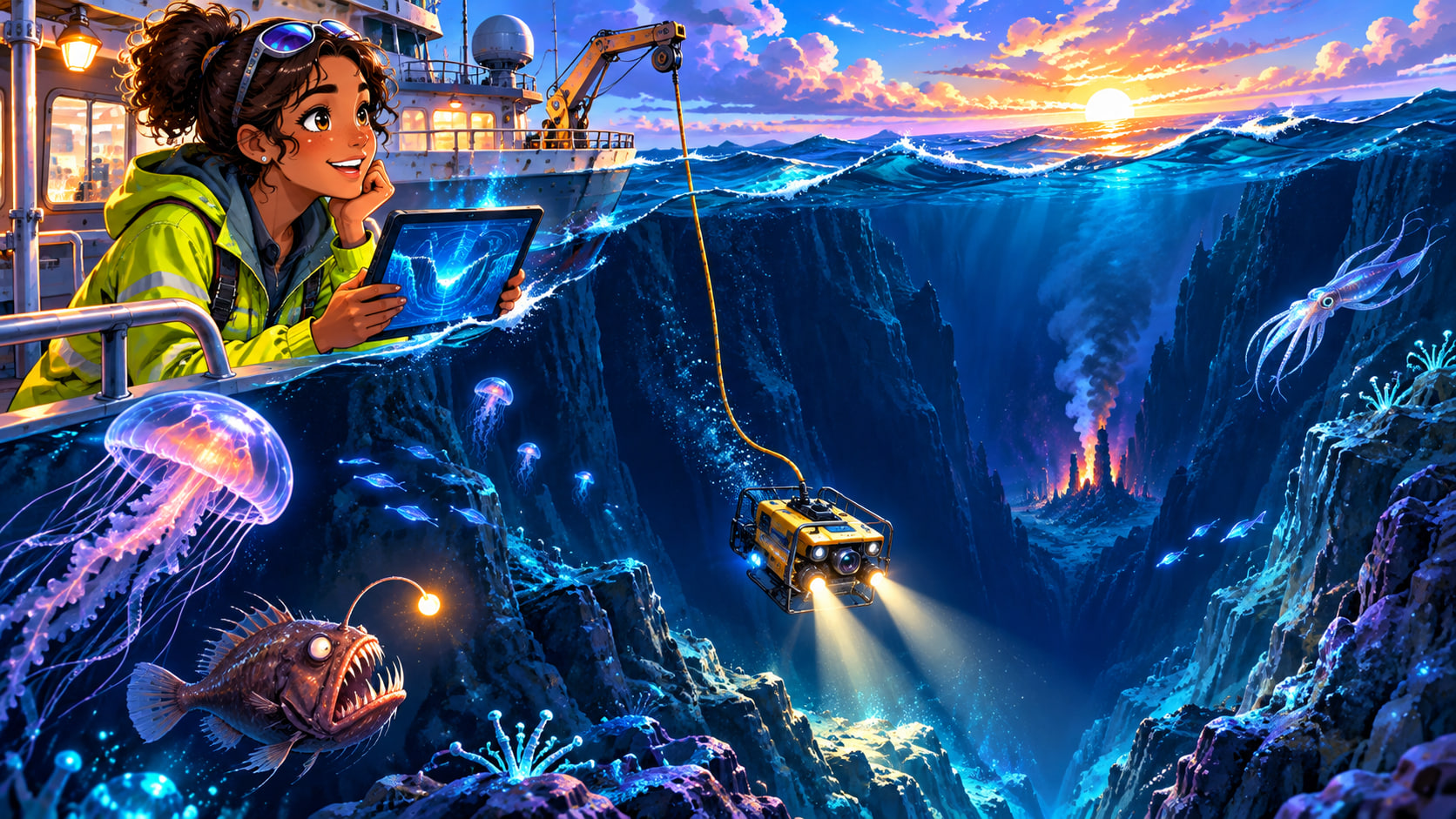
Imagine lowering a camera into the ocean until the last trace of daylight disappears. Below lies a landscape of mountains, volcanic vents, and animals that have never seen sunlight.
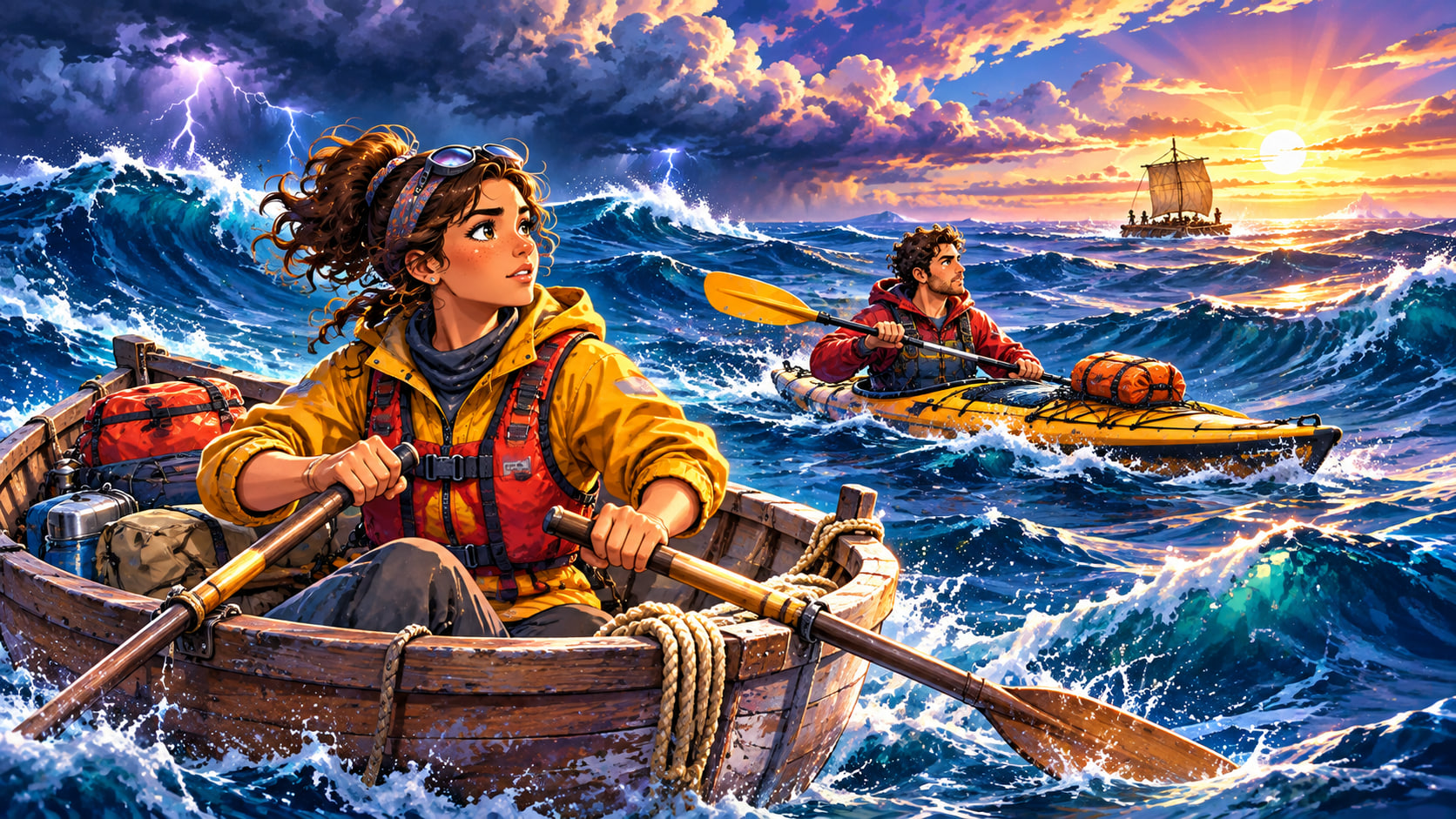
An open rowboat vanishes between Atlantic swells. Its occupants battle wind and exhaustion. For generations, travelers have crossed oceans in impossibly small vessels.
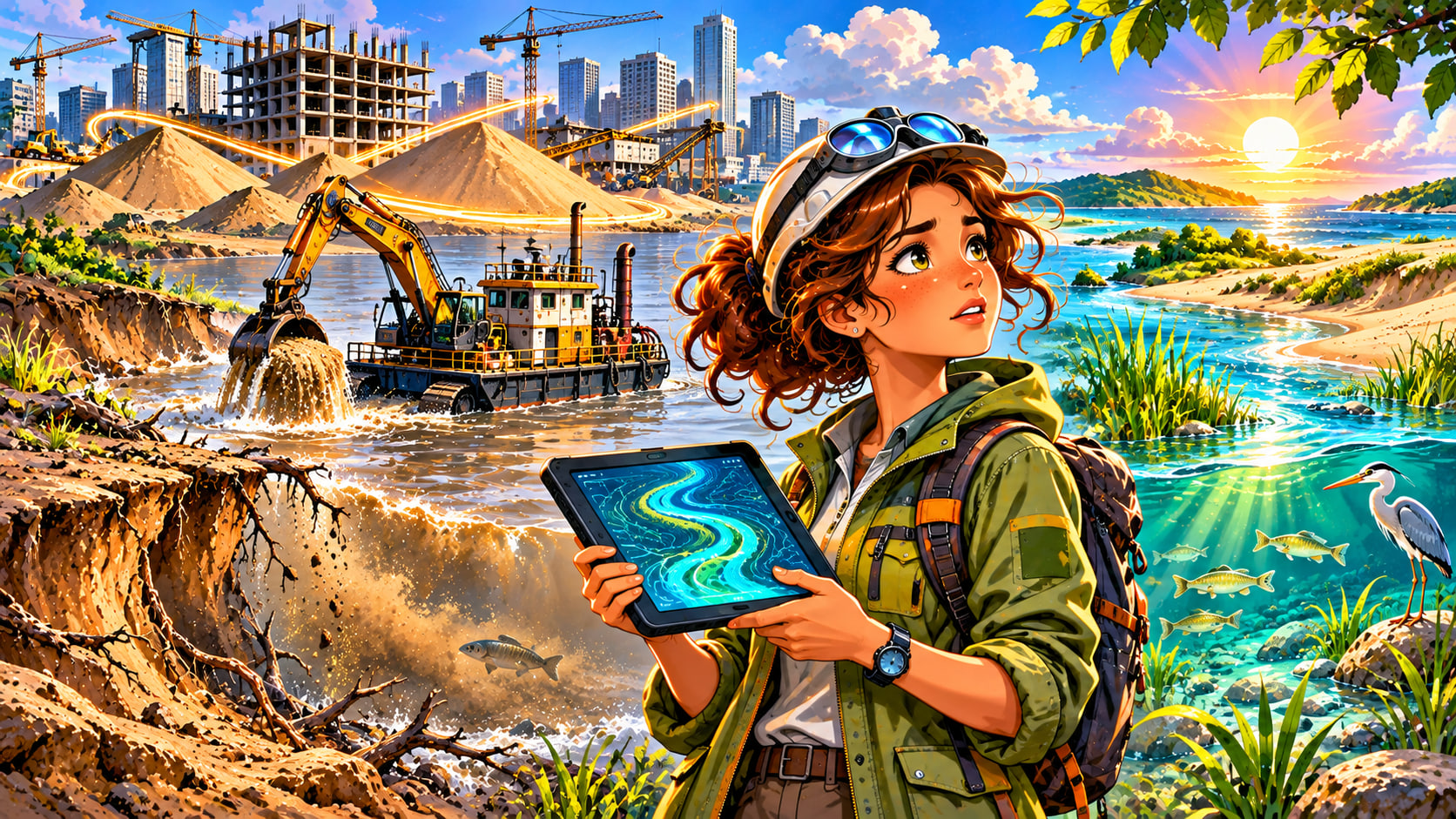
Imagine a riverbank collapsing beside a village, a beach disappearing after repeated storms, and a growing city demanding thousands of truckloads of sand.

One September morning, a maple is still green. A few weeks later, its branches glow orange and red, and the sidewalk beneath it disappears under fallen leaves.