
Eco-Fascism Explained: How Nazis Misused Green Ideas and Why We Must Remember It
Eco-fascism is one of the darkest examples of how environmental language can be twisted into authoritarian, racist, and violent politics.
Useful articles about nature and the world around us
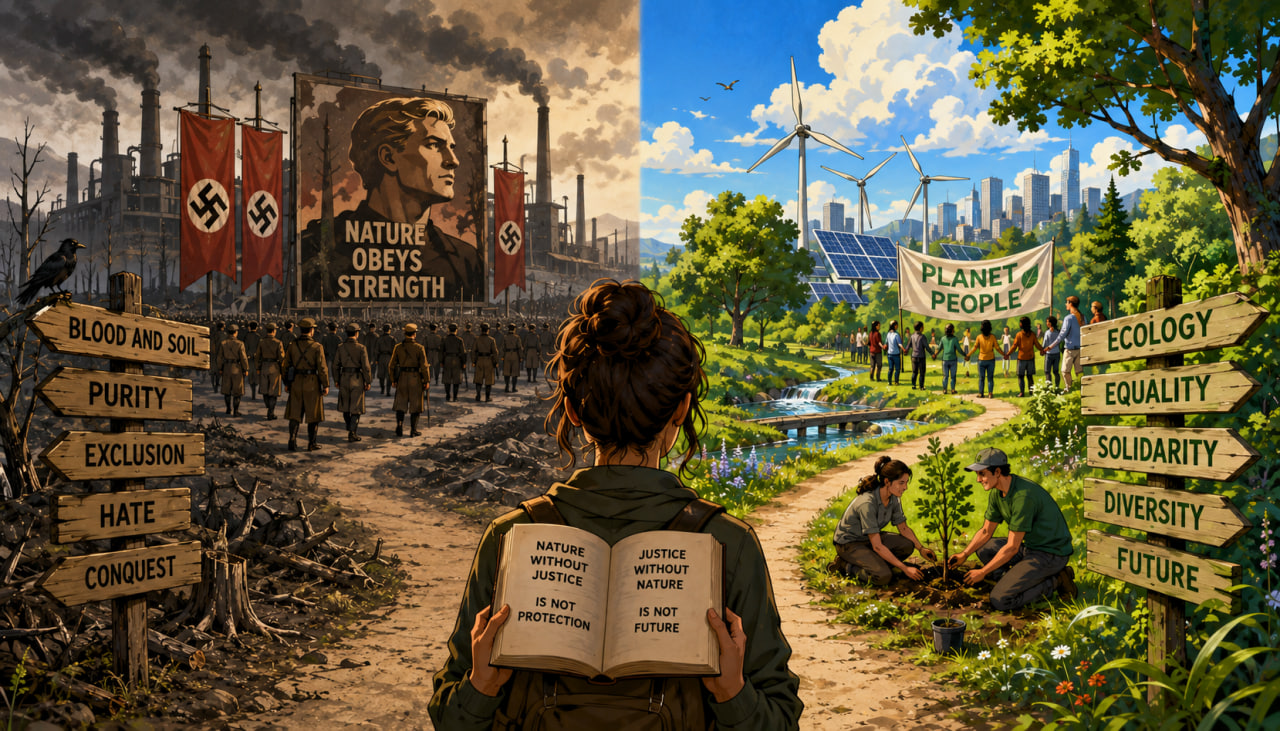
Eco-fascism is one of the darkest examples of how environmental language can be twisted into authoritarian, racist, and violent politics.
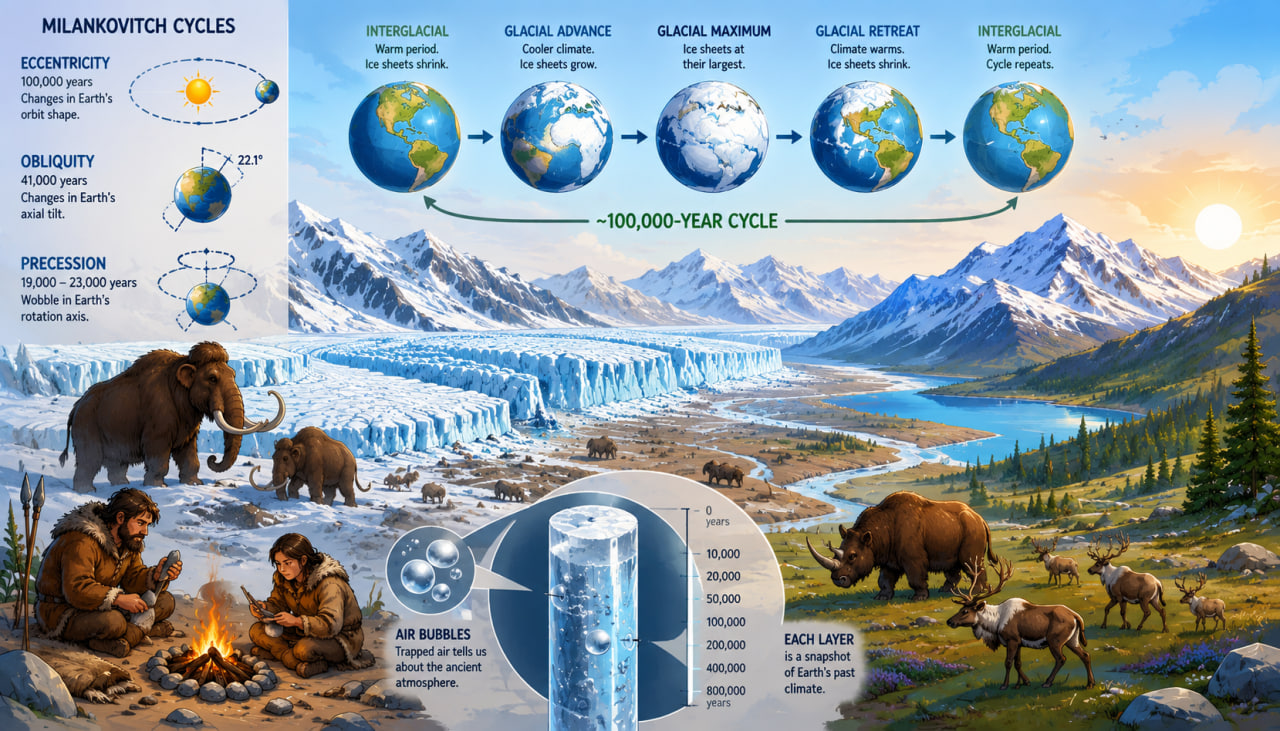
An ice age sounds like a frozen disaster from the distant past, but scientifically it is part of Earth’s long climate rhythm.

Paleoclimatology studies Earth’s ancient climate using natural archives such as ice cores, tree rings, ocean sediments, lake mud, corals, fossils, and cave deposits.

Deforestation is not just the loss of trees. It is the dismantling of living systems that regulate climate, store carbon, produce rain, protect soil, shelter wildlife, and support hundreds of...

A lawn looks natural. Asphalt looks artificial. So it feels obvious that a green lawn must be better for the planet than a paved surface.
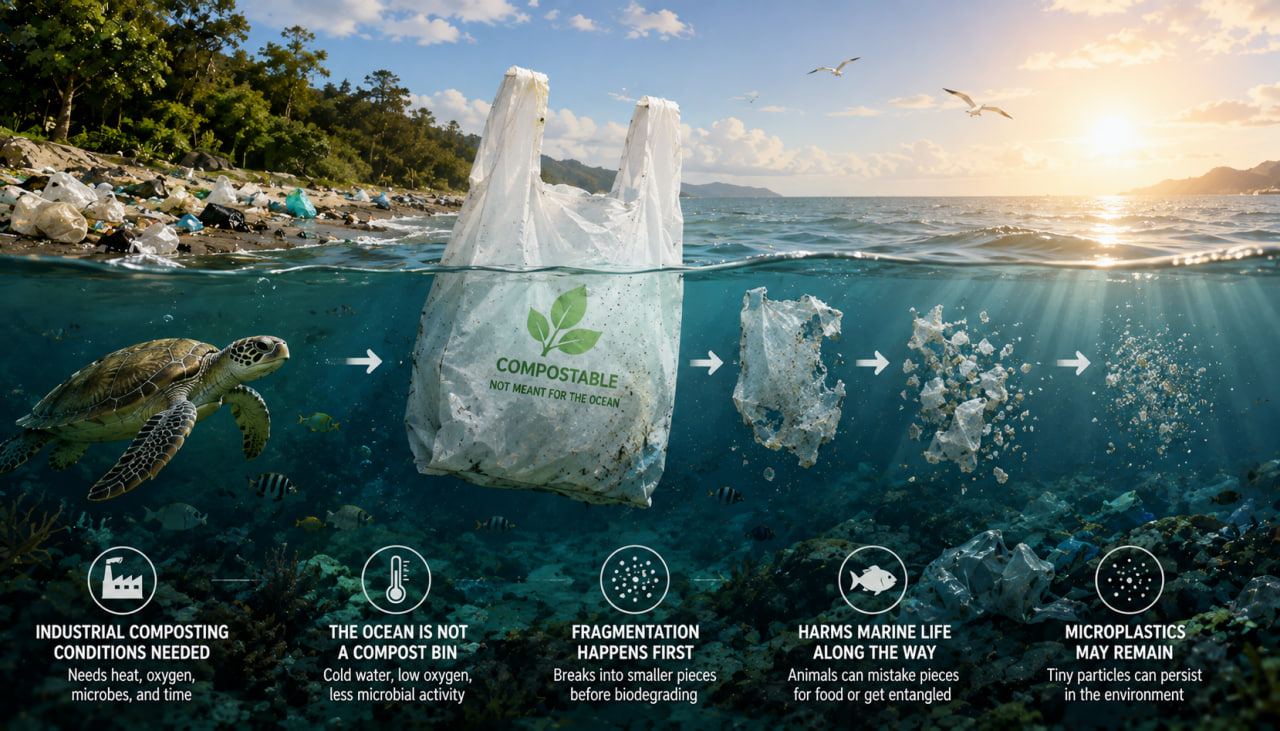
A biodegradable bag sounds like an easy solution to plastic pollution. Use it, throw it away, and nature will handle the rest.
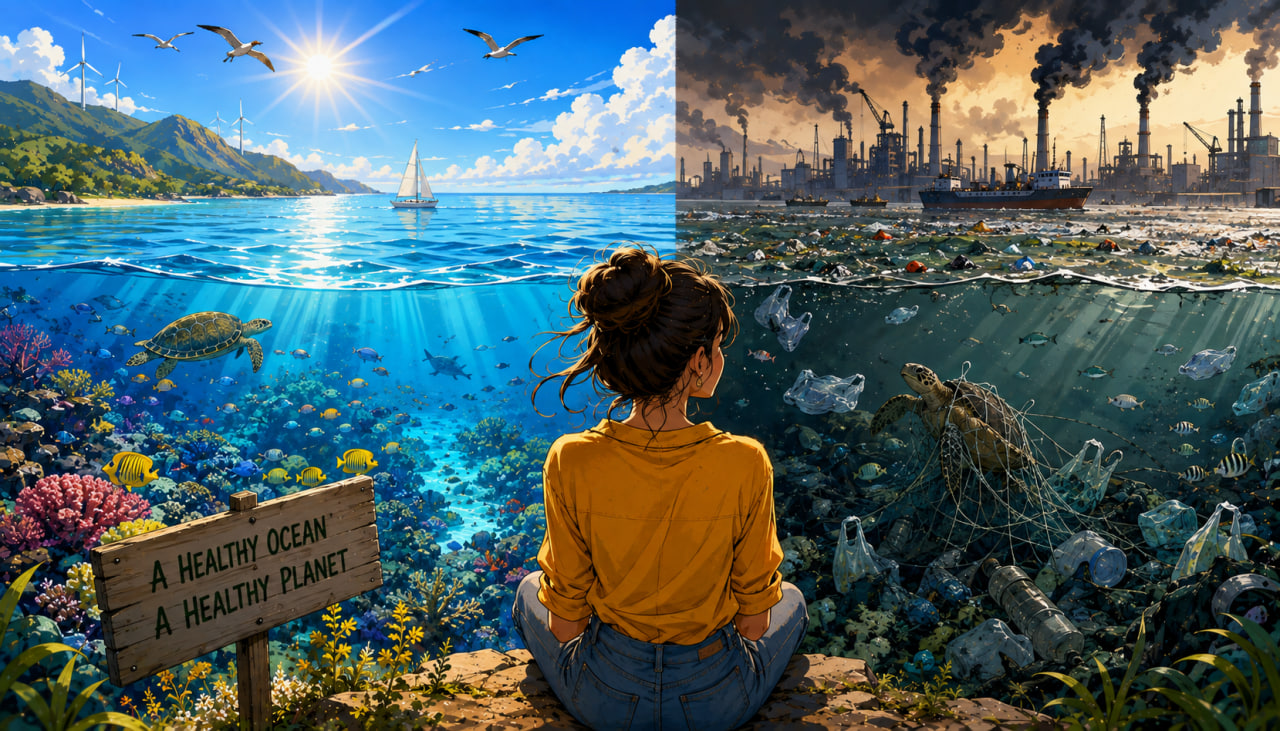
The ocean is not just a beautiful blue surface around the continents. It is Earth’s climate engine, oxygen factory, carbon storehouse, food source, transport system, biodiversity reservoir...
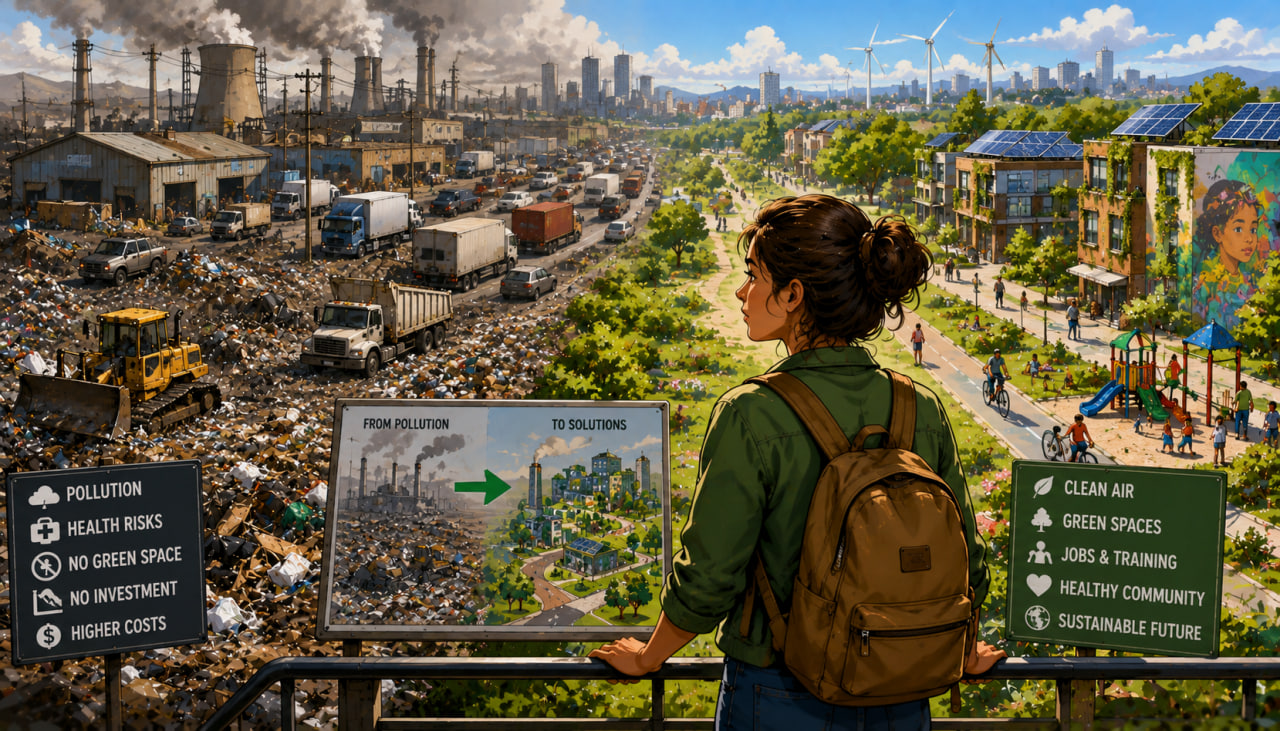
In many cities, environmental problems are not spread evenly. Some neighborhoods enjoy parks, clean streets, trees, bike lanes, and quiet residential blocks.
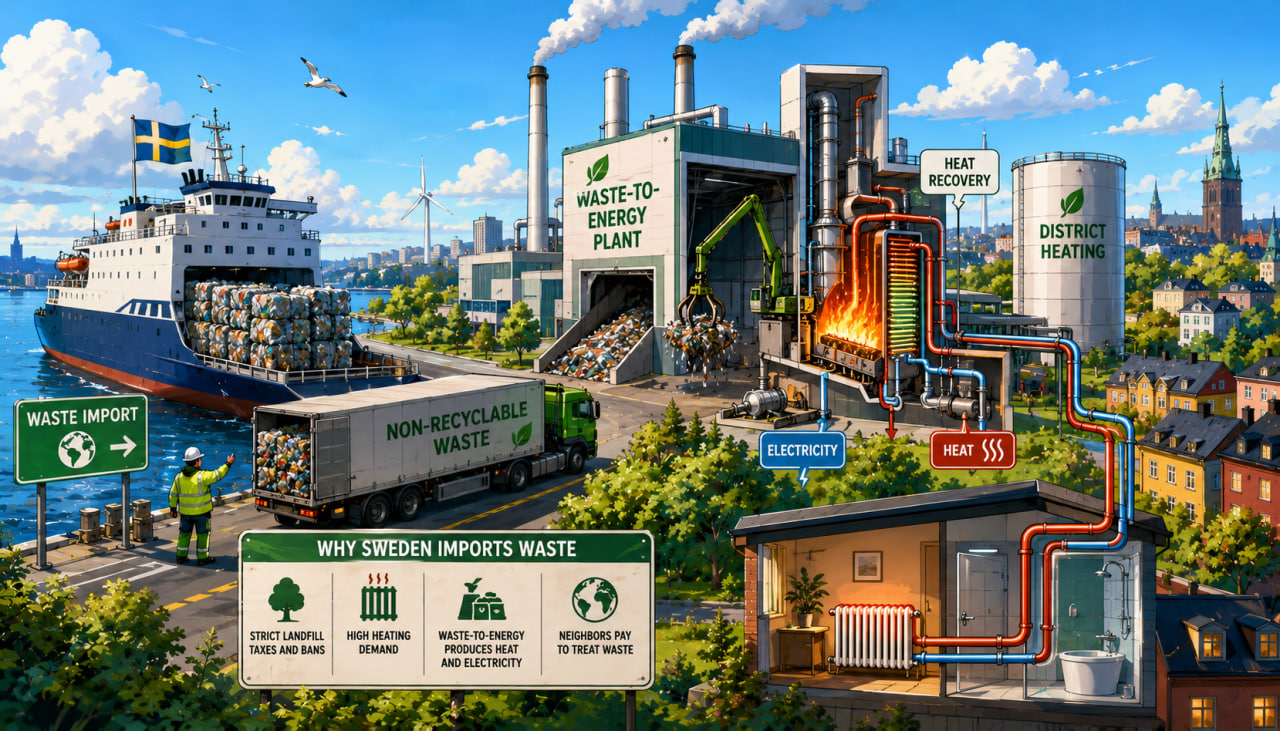
Sweden has one of the world’s most famous waste-management stories: it imports waste from other countries and uses it to produce heat and electricity. At first, this sounds strange.
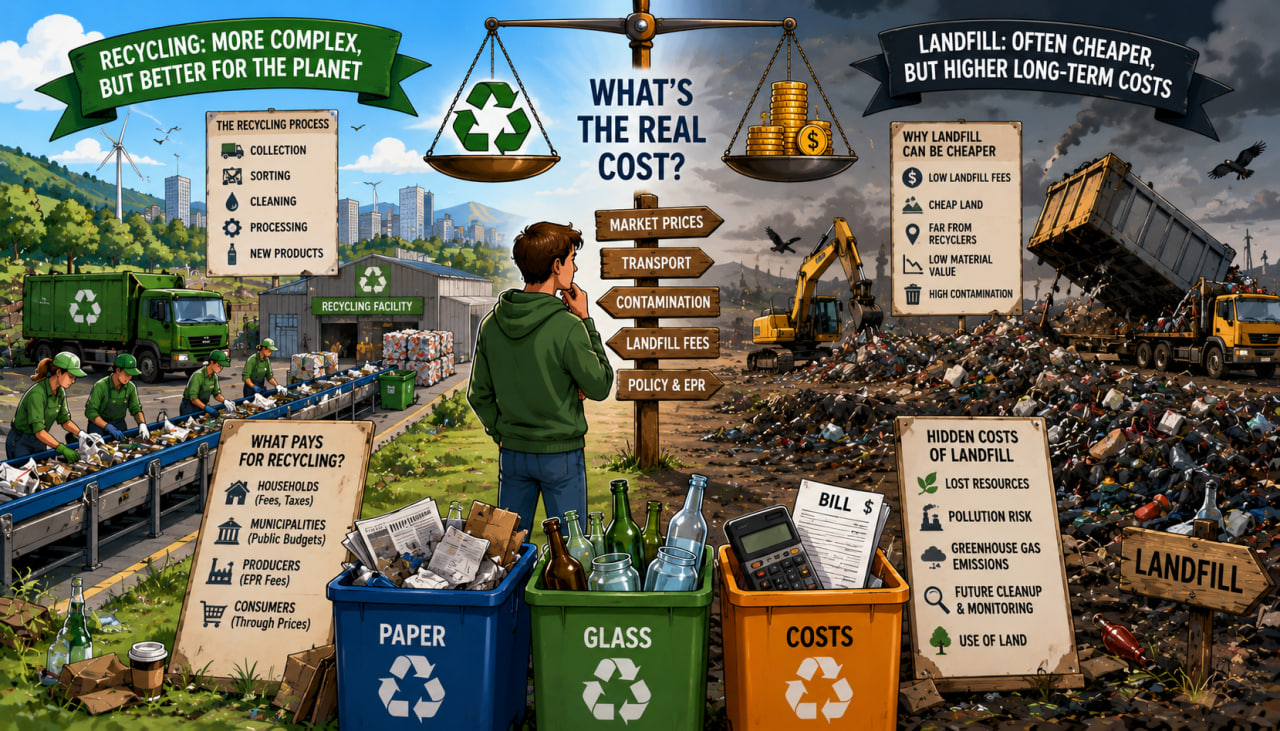
Recycling sounds simple: people put paper, glass, metal, and plastic into a bin, a truck collects it, and the material becomes something new.