
Deep-Sea Trenches: The Mariana Trench and Its Inhabitants
Deep-sea trenches are the deepest parts of the ocean, formed where tectonic plates converge and one plate is forced beneath another in a process called subduction.
Useful articles about nature and the world around us
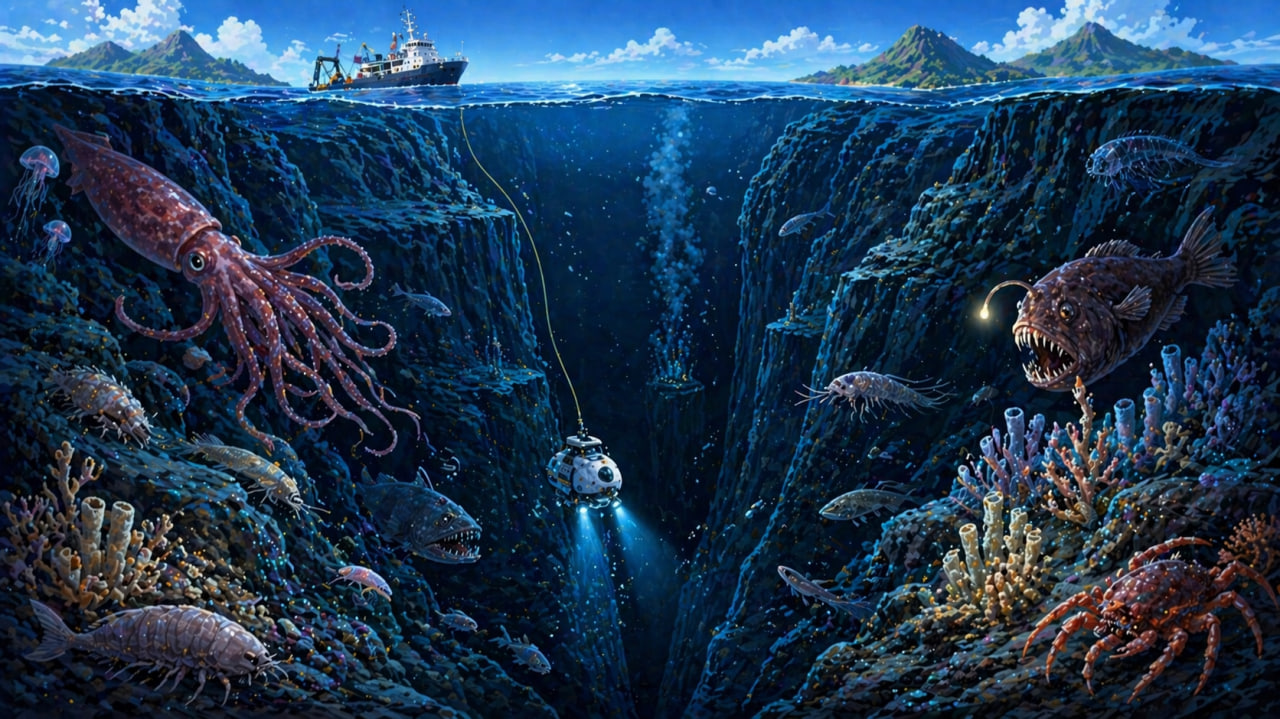
Deep-sea trenches are the deepest parts of the ocean, formed where tectonic plates converge and one plate is forced beneath another in a process called subduction.
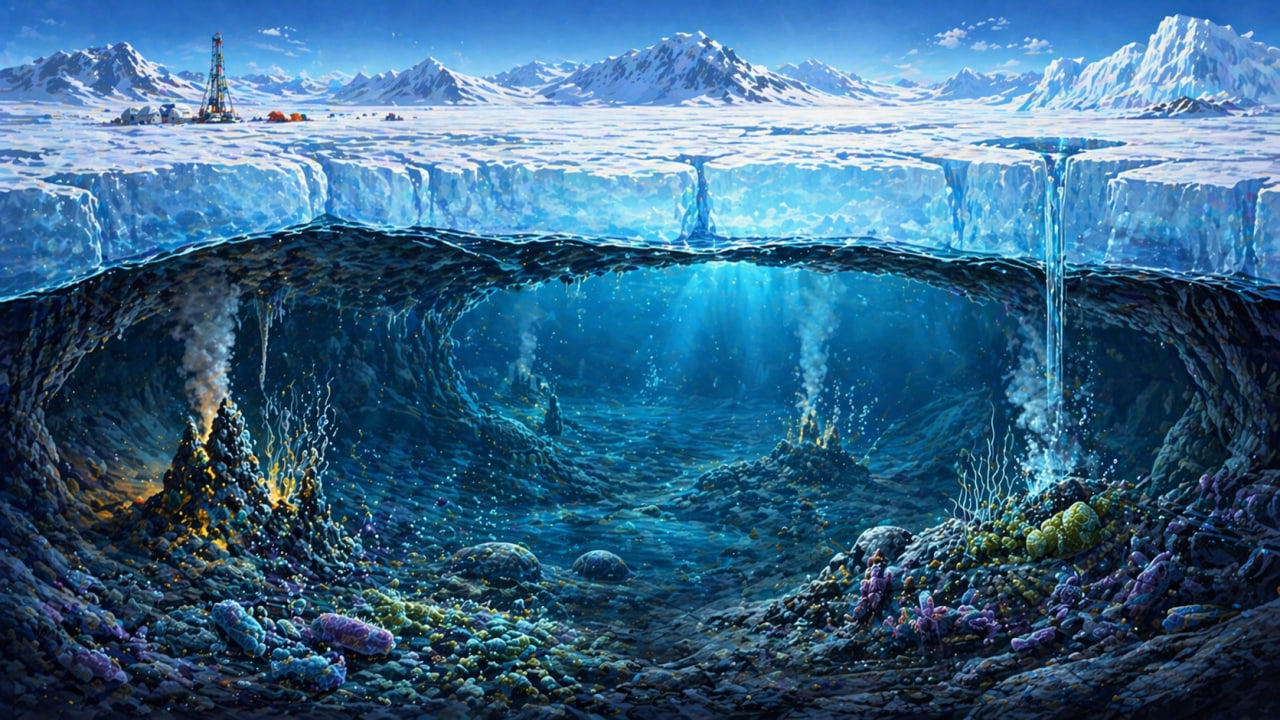
Beneath the vast ice sheets of Antarctica lies a hidden world of subglacial lakes—bodies of liquid water trapped under kilometers of ice.

Earth has not always been the relatively warm and stable planet we know today. At several points in deep geological history, it may have entered extreme ice ages so severe that glaciers...
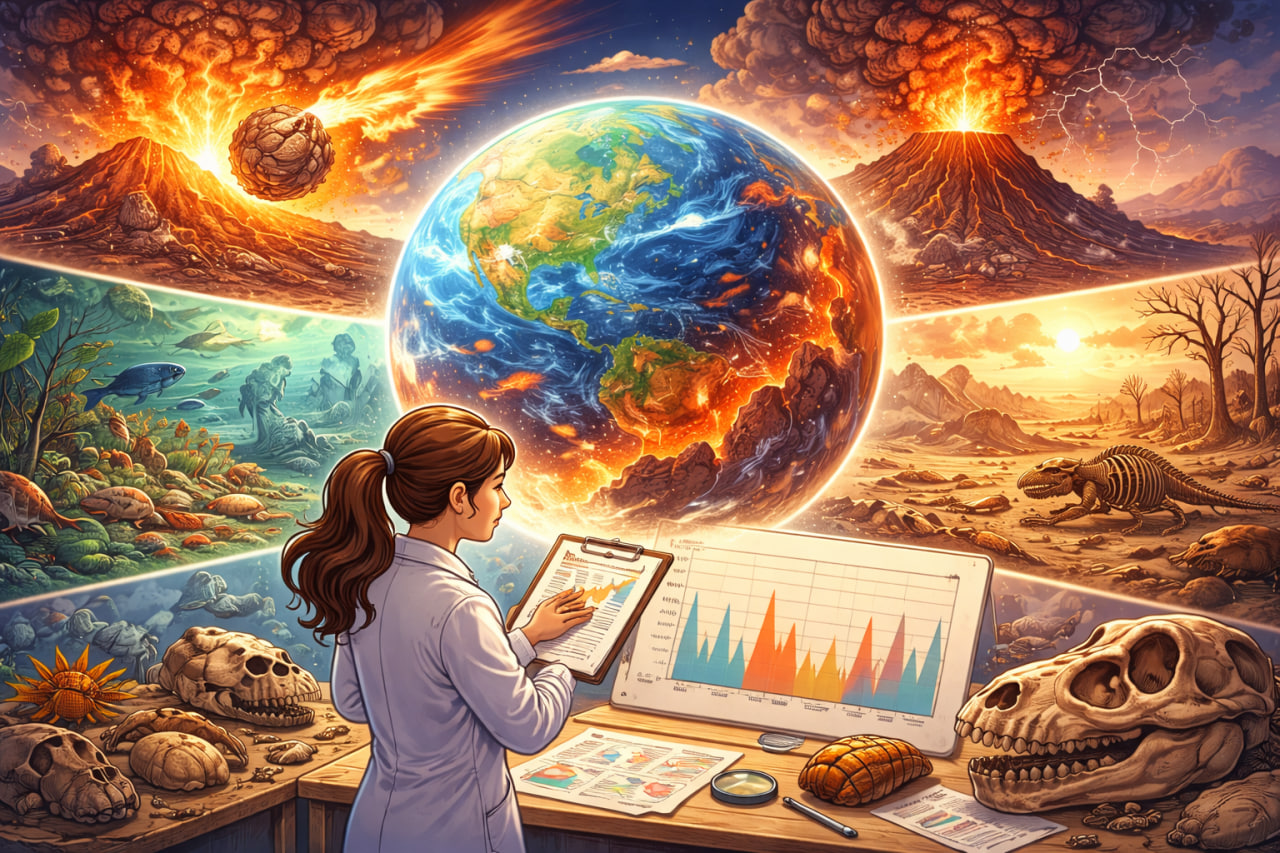
Mass extinctions are among the most dramatic events in Earth’s history, marked by the rapid loss of a large percentage of species in a relatively short geological time.
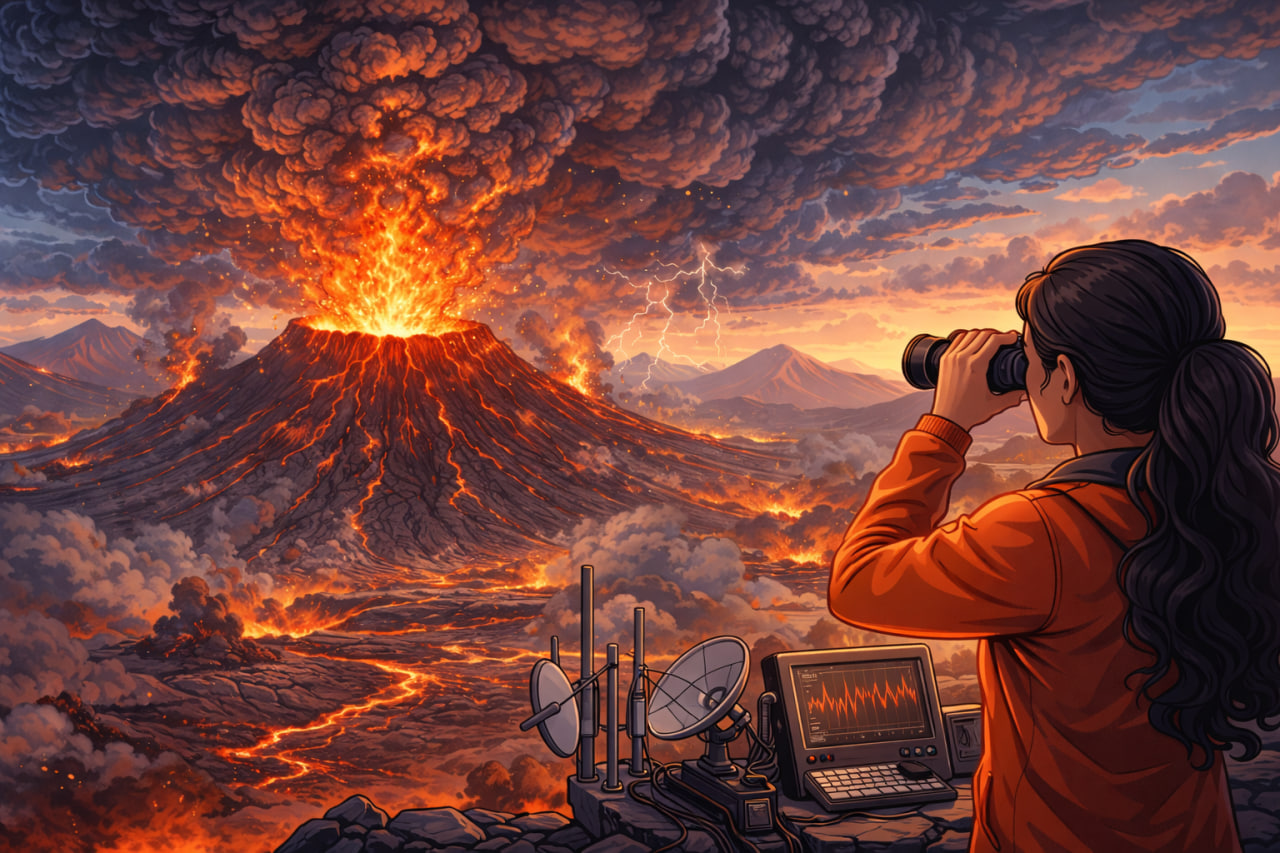
Supervolcanoes are among the most powerful natural phenomena on Earth, capable of producing eruptions thousands of times larger than typical volcanic events.
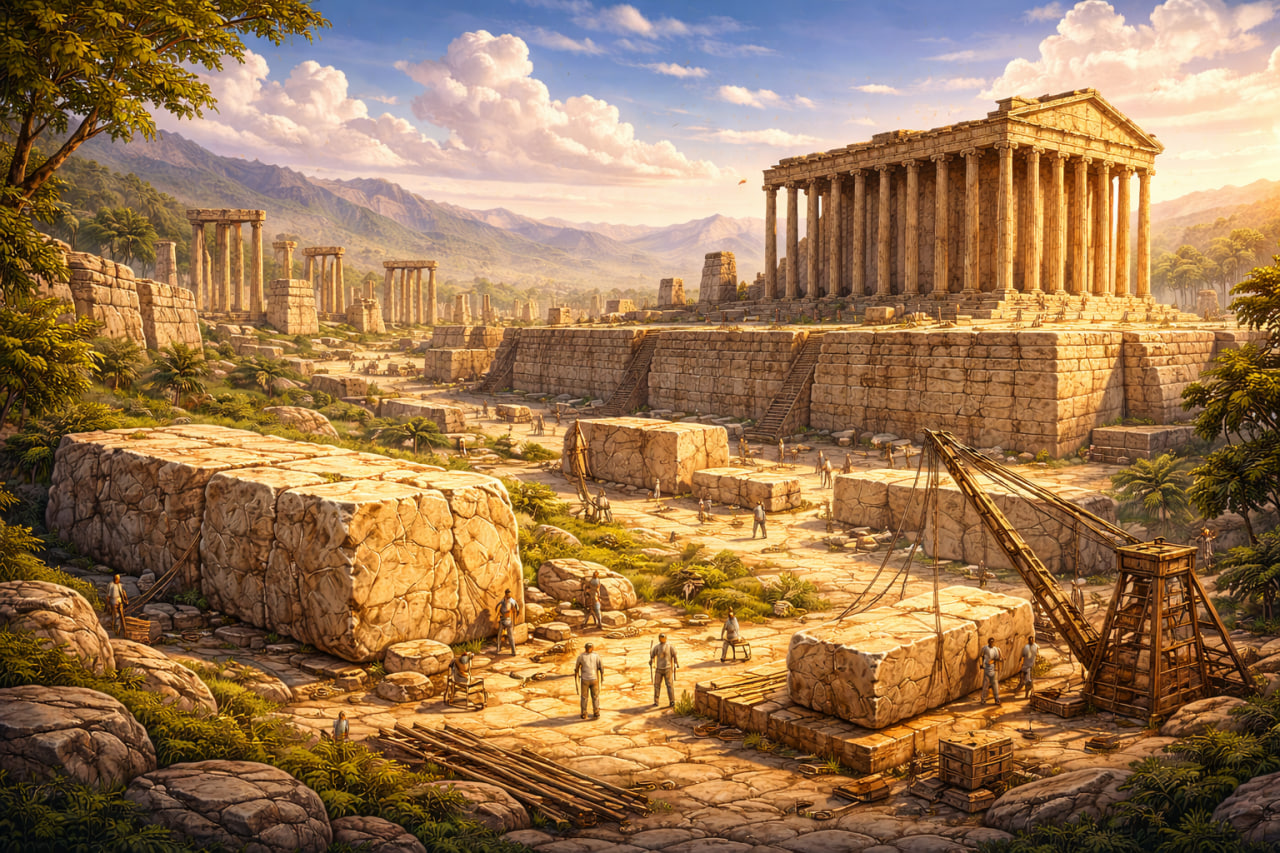
Baalbek, located in modern-day Lebanon, is one of the most impressive archaeological sites in the world, famous for its enormous stone blocks and monumental architecture.
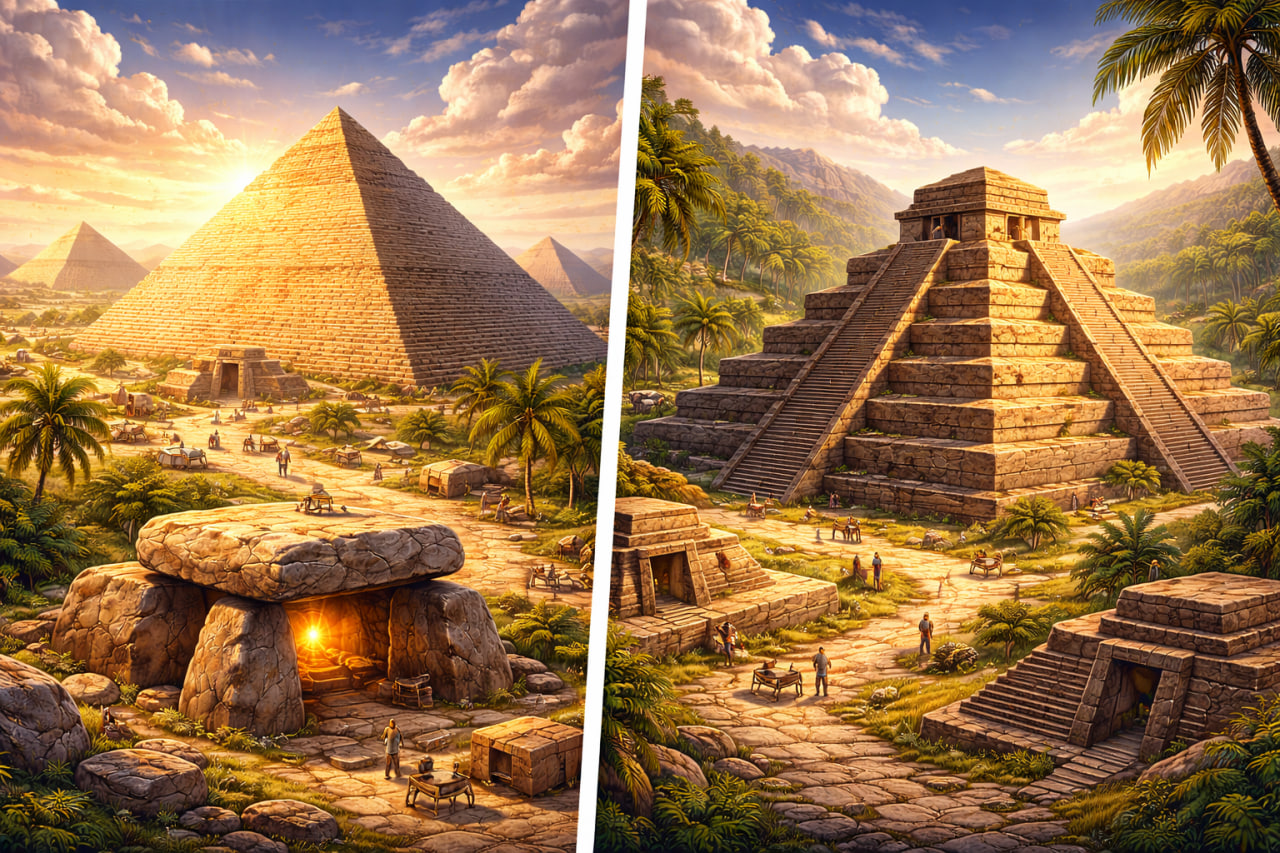
Pyramids are among the most recognizable architectural forms in human history, yet not all structures called “pyramids” are the same.
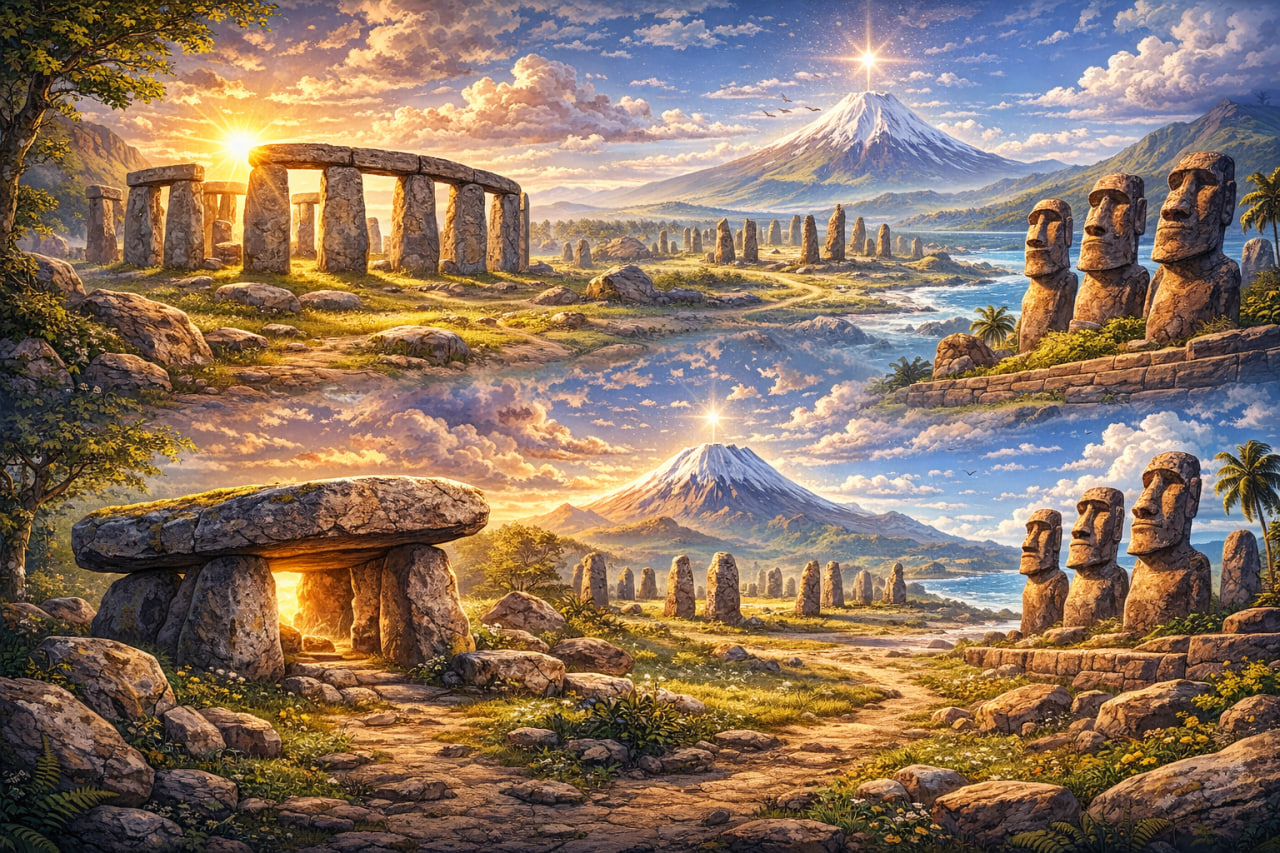
Megaliths are massive stone structures created by ancient civilizations, often weighing from several tons to hundreds of tons.
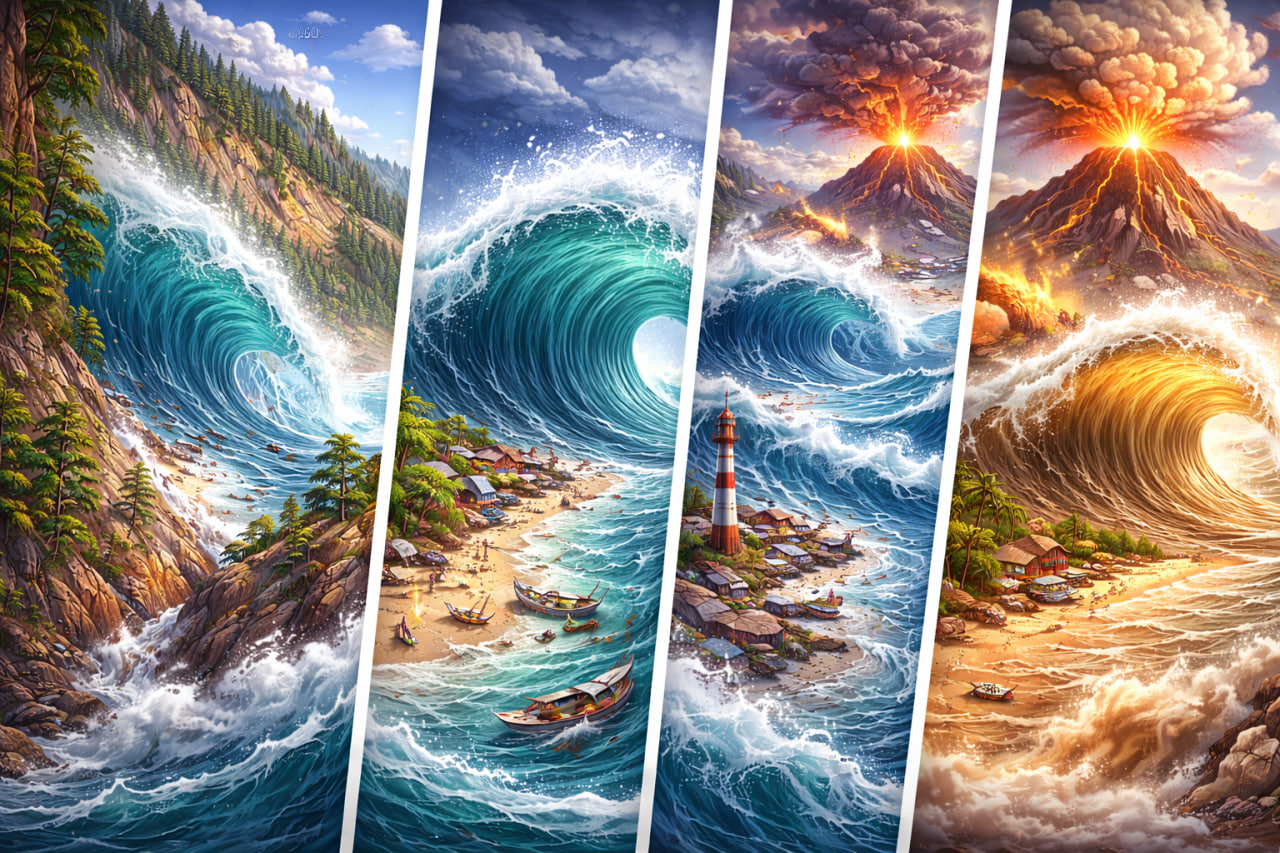
Tsunamis are capable of producing some of the most extreme natural disasters ever recorded, with waves that can reshape coastlines and impact entire regions within hours.
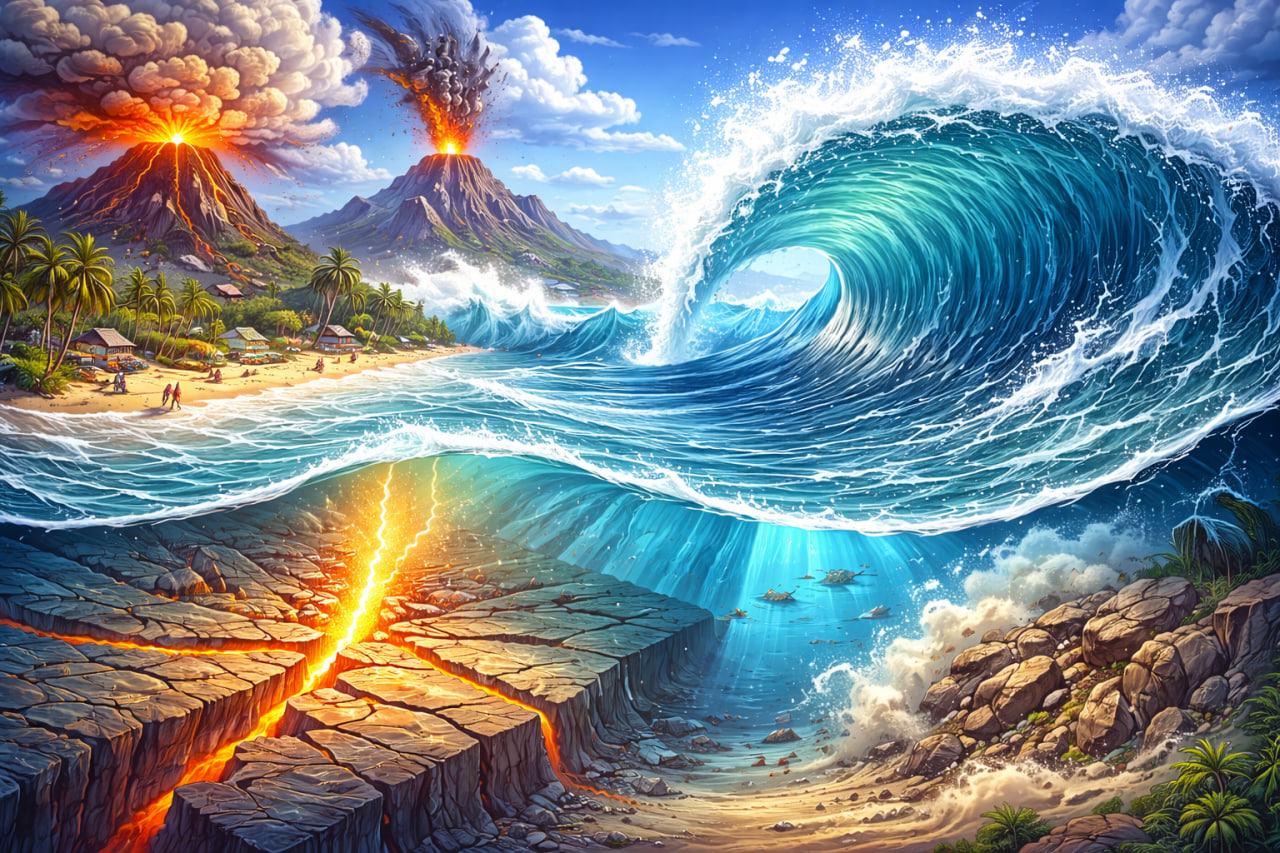
Tsunamis are among the most powerful and destructive natural phenomena on Earth, capable of traveling across entire oceans and causing devastating impacts when they reach coastlines.