
How Forest Fires Can Be a Natural Part of an Ecosystem’s Life Cycle
Forest fires are often perceived only as destructive events that threaten wildlife, forests, and human settlements.
Useful articles about nature and the world around us
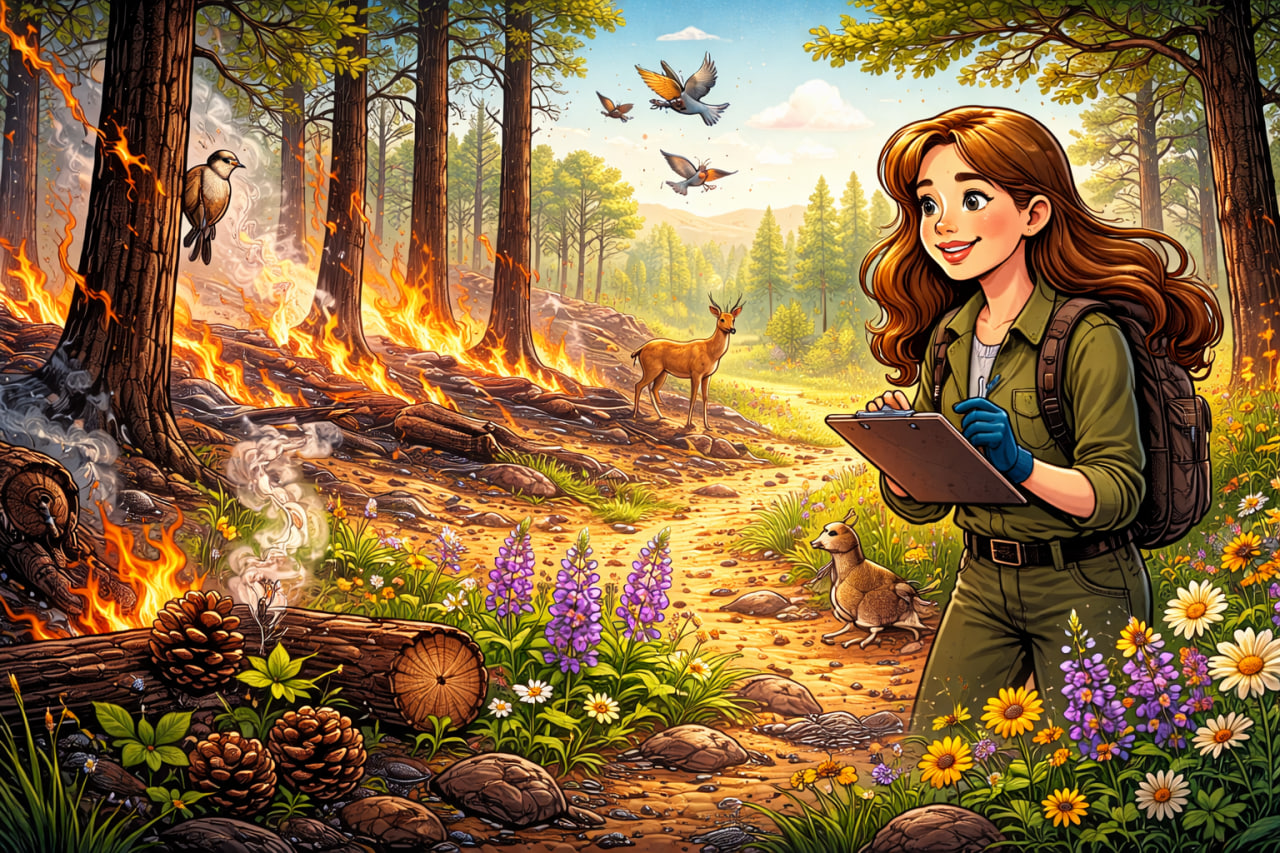
Forest fires are often perceived only as destructive events that threaten wildlife, forests, and human settlements.

Zero waste is a lifestyle and environmental philosophy that focuses on minimizing the amount of waste sent to landfills, incinerators, or the natural environment.
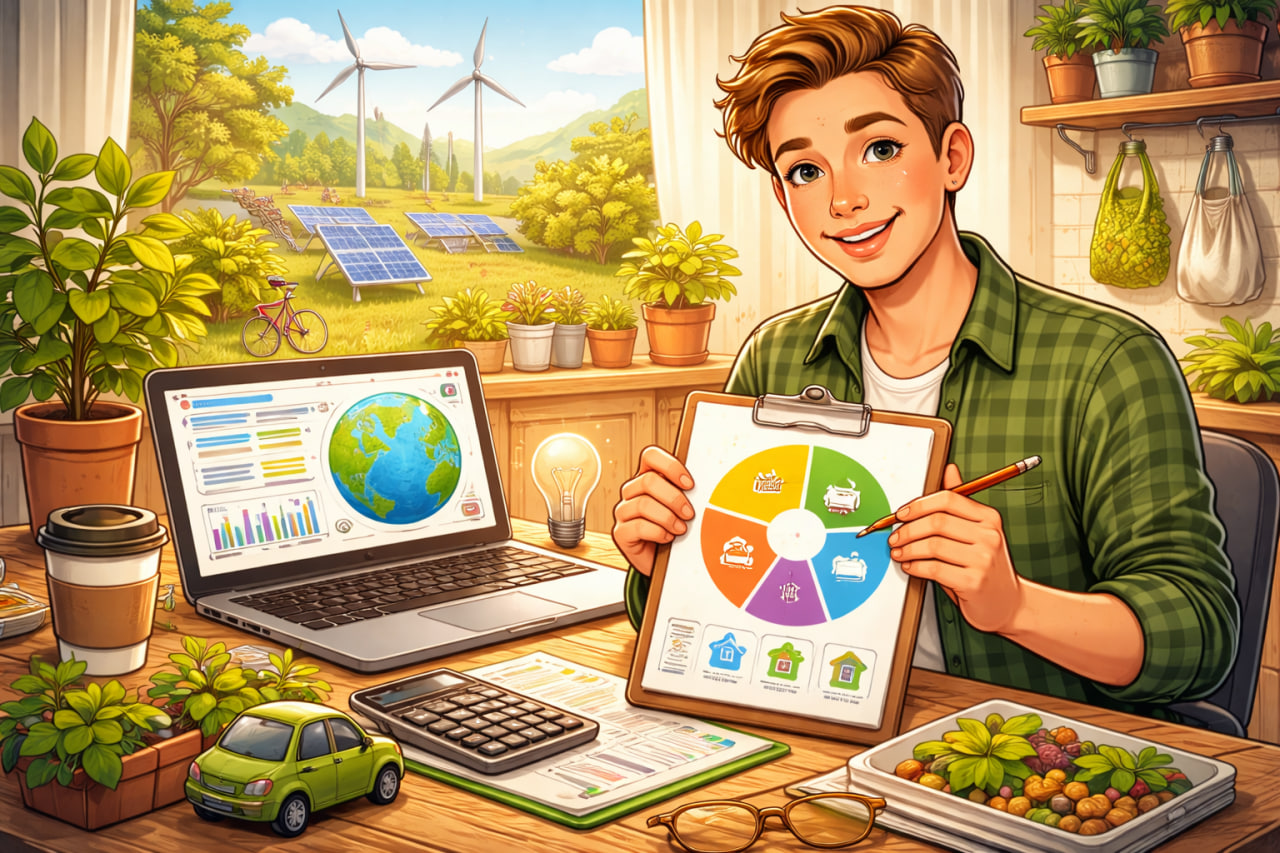
The ecological footprint is a concept used to measure how much natural resources a person, community, or country consumes compared to what the Earth can regenerate.
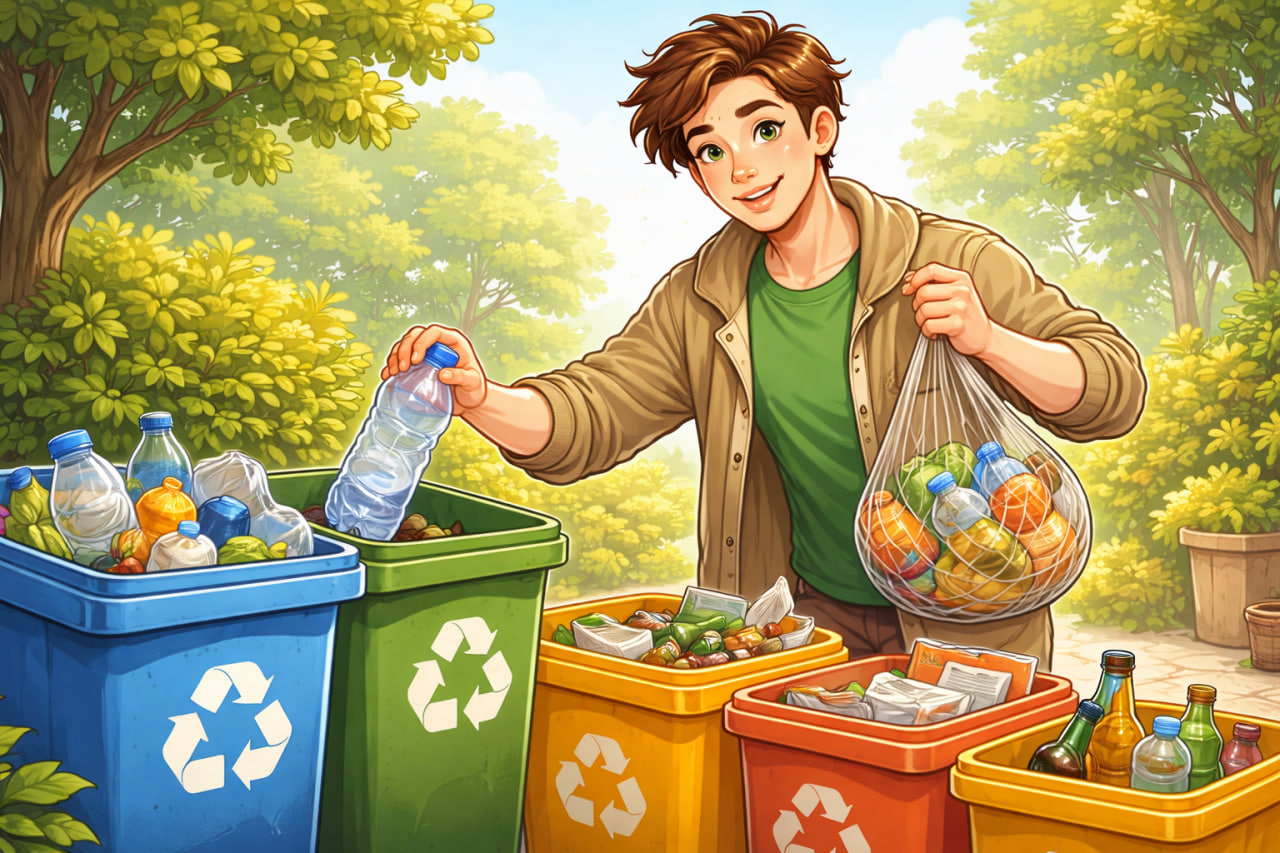
Waste separation is a system of sorting household and commercial waste into different categories so materials can be recycled, composted, or processed safely.
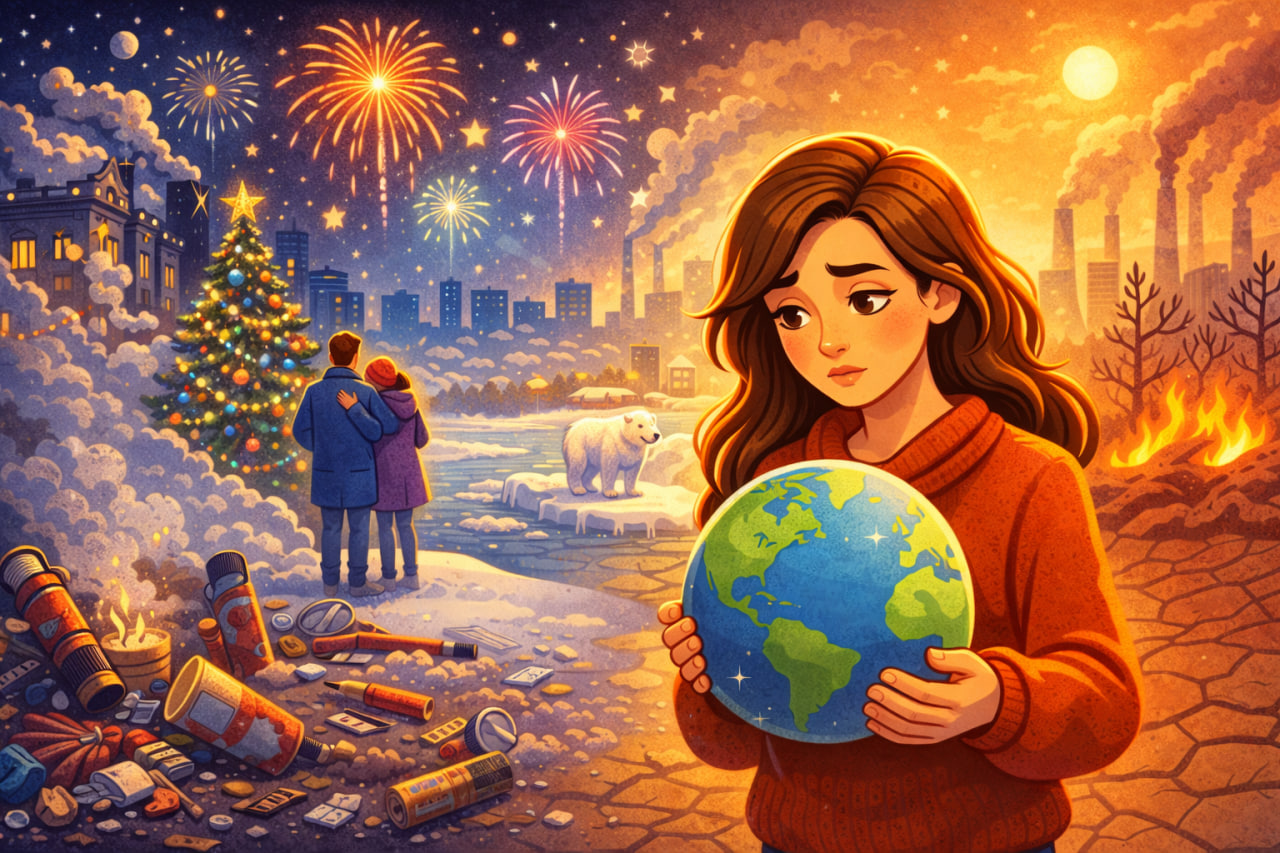
The New Year is a global celebration that unites billions of people, yet behind the lights, fireworks, and festivities lies a noticeable environmental footprint.

For a long time, life on Earth was thought to exist primarily on the planet’s surface, where sunlight fuels ecosystems and shapes biological diversity.

The Gulf Stream is one of the most powerful and influential ocean currents on Earth, playing a crucial role in regulating climate across the Northern Hemisphere.

Plastic pollution has moved far beyond beaches and landfills, silently entering the food chain that sustains life on Earth.
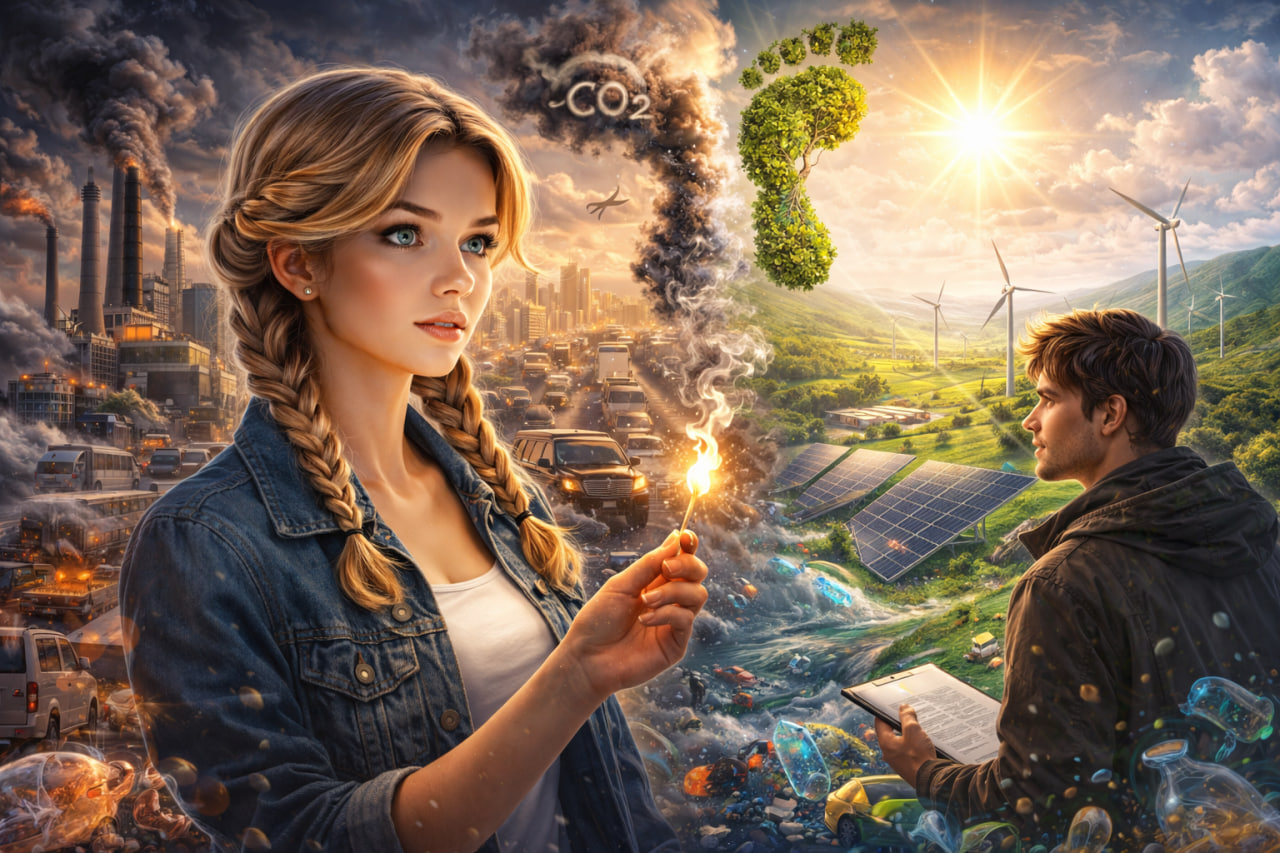
The concept of the carbon footprint has become central to discussions about climate change, sustainability, and personal responsibility.
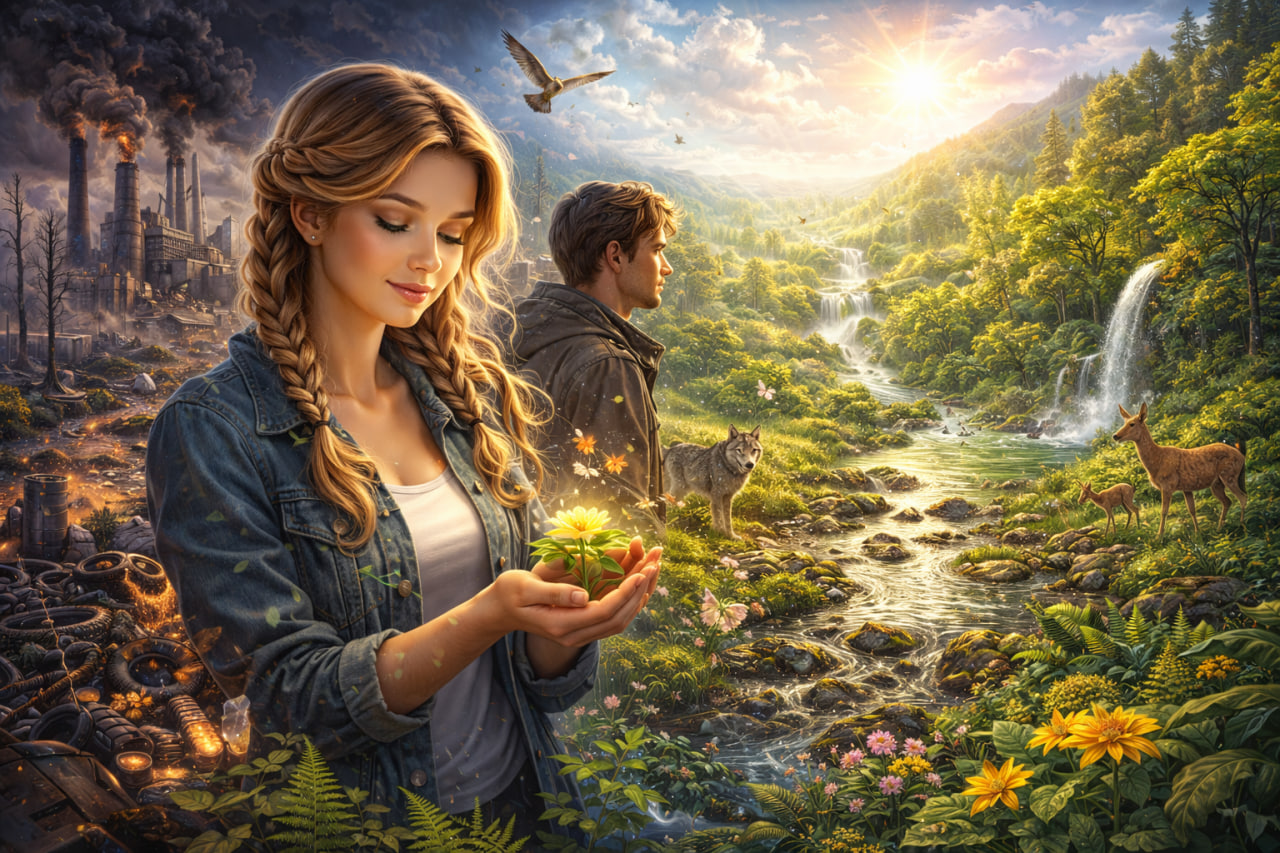
Nature has an extraordinary capacity for recovery, often surprising scientists with its ability to rebound after disturbance.